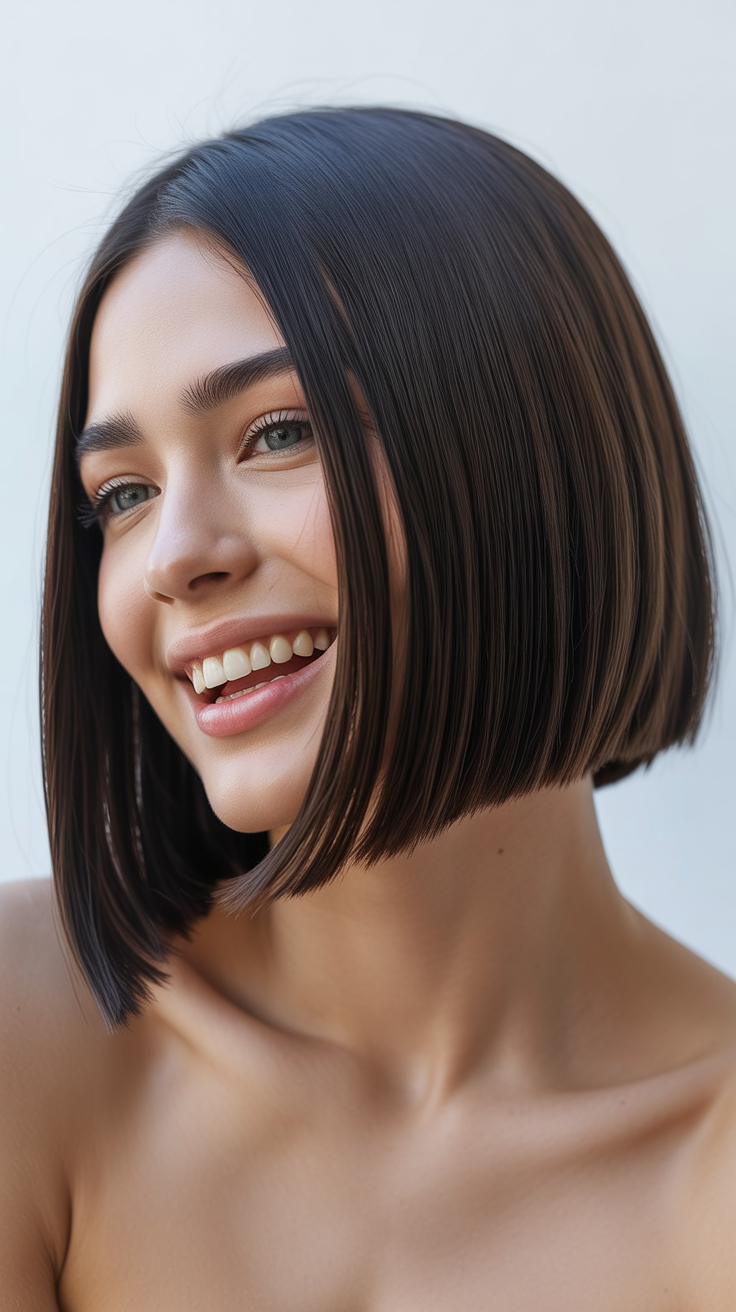
Short hair with a sleek, straight finish has become one of the most sought-after looks in modern hairstyling, offering endless versatility and sophistication.
Whether you’re looking to make a bold statement with a sharp bob or prefer the subtle elegance of textured layers, straight short hairstyles provide the perfect canvas for expressing your personal style.
This comprehensive guide explores 27 stunning straight hairstyles designed specifically for short hair, each offering unique characteristics that can complement different face shapes, hair textures, and lifestyle needs.
From classic cuts that never go out of style to contemporary trends that push the boundaries of creativity, you’ll discover styling techniques, maintenance tips, and expert insights to help you choose and perfect your ideal look.
Get ready to transform your short hair into a sleek masterpiece that turns heads and boosts your confidence every single day with these carefully curated straight hairstyles that prove short hair can be just as versatile and glamorous as any length.
1. Classic Blunt Bob
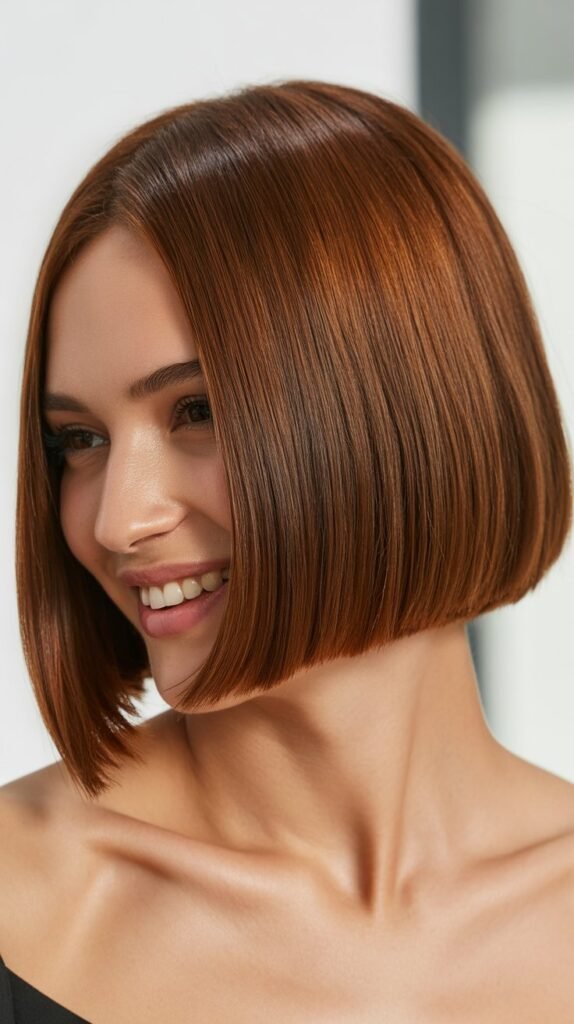
The blunt bob stands as a timeless icon in the world of short straight hairstyles, delivering sharp lines and sophisticated elegance.
This cut features hair trimmed to one uniform length, typically falling between the chin and shoulders, creating a bold and modern aesthetic.
- The precision of the blunt cut creates a thick, full appearance at the ends, making fine hair look denser and more voluminous.
- This style works exceptionally well with naturally straight hair, as the clean line emphasizes the sleekness and shine of the strands.
- To maintain the sharp edge, regular trims every 4-6 weeks are essential to prevent split ends and maintain the geometric shape.
- The blunt bob flatters oval, heart-shaped, and square face shapes by creating balance and drawing attention to the jawline.
- Styling requires minimal effort—simply blow-dry with a paddle brush and finish with a flat iron for ultra-smooth results.
- For added dimension, consider subtle highlights or lowlights that enhance the hair’s natural movement without disrupting the clean lines.
2. Asymmetrical Straight Bob
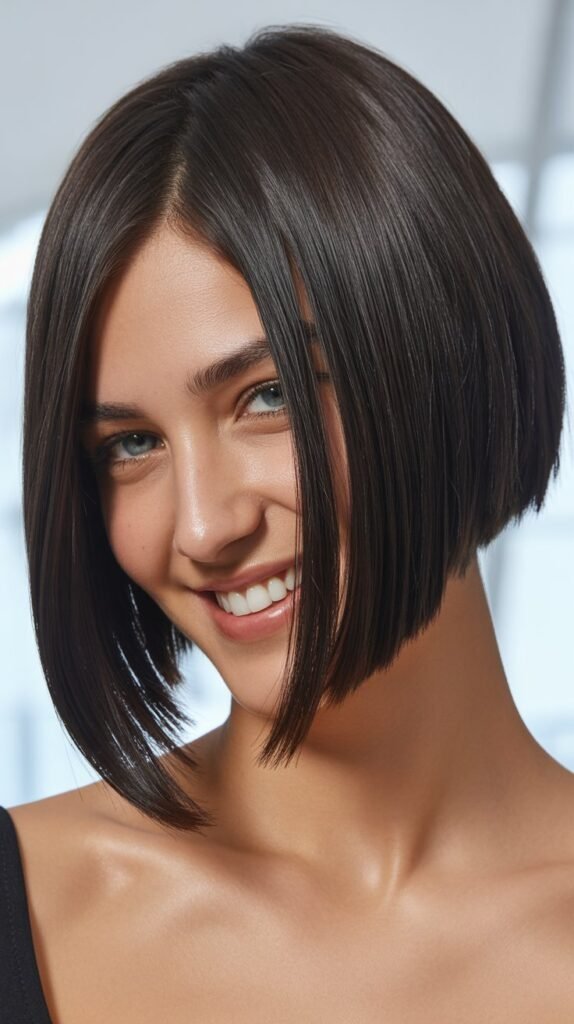
The asymmetrical bob brings an edgy twist to traditional straight hairstyles, featuring one side cut shorter than the other for a dynamic, fashion-forward appearance.
This bold style creates visual interest and allows for creative expression while maintaining the sleekness of straight hair.
- The length difference between sides can range from subtle (one inch) to dramatic (several inches), depending on your desired level of boldness.
- This cut naturally draws attention to your facial features, particularly your cheekbones and jawline, creating a slimming effect.
- The asymmetrical design adds movement and dimension to straight hair that might otherwise appear flat or one-dimensional.
- Styling involves straightening both sides with a flat iron while using the shorter side to frame your face strategically.
- This hairstyle works particularly well for those with round or square face shapes, as the diagonal line creates the illusion of length.
- Regular maintenance appointments are crucial to preserve the distinct length difference and keep the style looking intentional rather than grown-out.
3. Sleek Pixie Cut
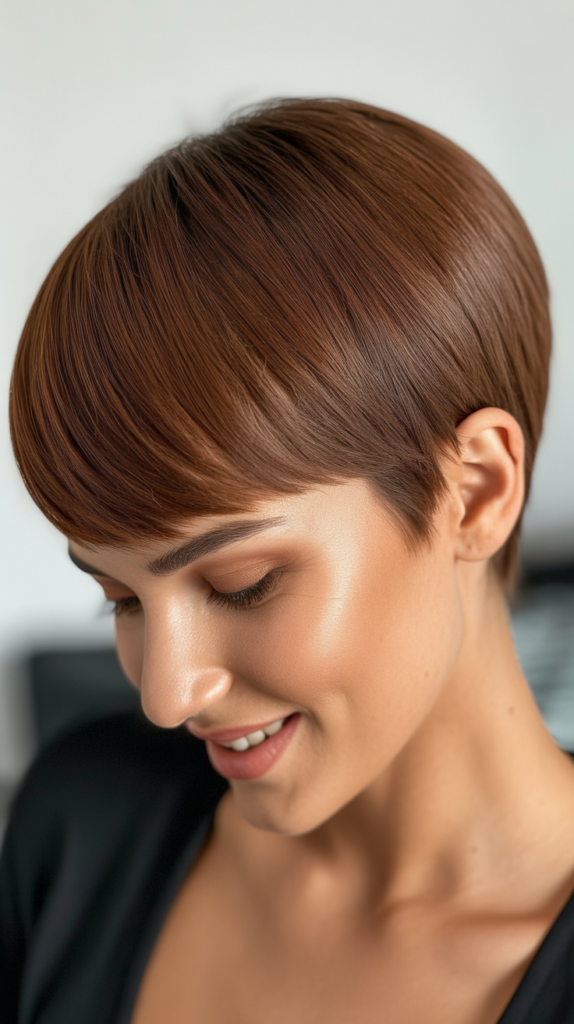
The sleek pixie cut represents the ultimate in low-maintenance elegance, offering a chic and liberating short hairstyle for those ready to embrace minimalism.
When styled straight, the pixie becomes ultra-modern and sophisticated, showcasing facial features beautifully.
- The pixie typically features hair cut close to the head on the sides and back, with slightly longer sections on top that can be styled forward or swept to the side.
- This dramatic cut works best for those with fine to medium hair textures, as thick hair may become too bulky in such a short length.
- Straight styling emphasizes the architectural quality of the cut, highlighting the precision of the layers and angles.
- To achieve the sleek look, apply a smoothing serum to damp hair and blow-dry with a small round brush before finishing with a flat iron on the longer sections.
- The pixie cut is incredibly versatile, allowing you to transition from polished professional to edgy casual simply by changing your styling products.
- While the style requires frequent salon visits (every 3-4 weeks), the daily styling time is significantly reduced compared to longer hairstyles.
4. Straight Lob (Long Bob)
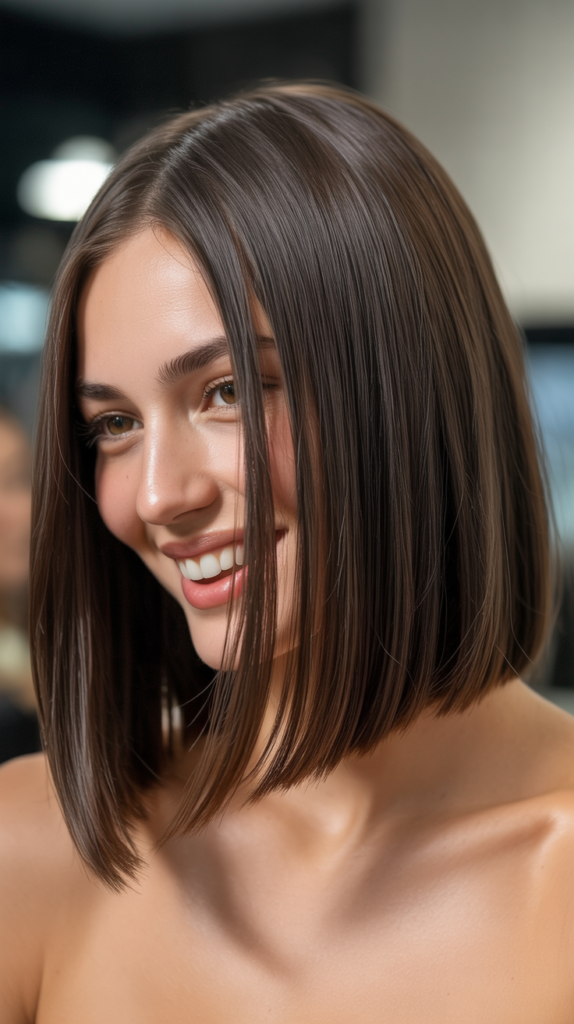
The lob, or long bob, strikes the perfect balance between short and medium-length hair, offering versatility and style in equal measure.
When worn straight, this shoulder-grazing cut exudes sophistication and works beautifully for various occasions.
- The lob typically falls between the collarbone and shoulders, providing enough length to tie back while maintaining the chic quality of shorter hair.
- This length is universally flattering across all face shapes and ages, making it one of the most popular short straight hairstyles.
- The straight styling showcases the hair’s natural shine and health, making it essential to maintain well-conditioned strands for optimal results.
- Blow-drying with a paddle brush followed by flat ironing creates the signature sleek finish that defines the straight lob aesthetic.
- The length offers styling flexibility—wear it tucked behind the ears for a polished look or add a center or side part for different vibes.
- Subtle layers can be incorporated to prevent the ends from appearing too heavy, while maintaining the overall straight and sleek appearance.
5. Straight Bob with Bangs
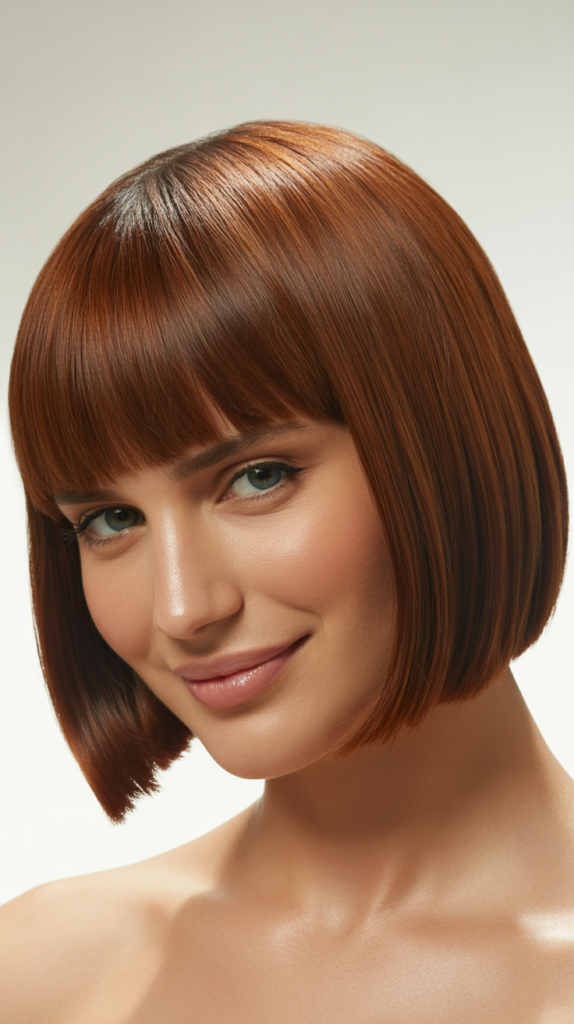
Combining a straight bob with bangs creates a look that’s both playful and sophisticated, framing the face beautifully while adding visual interest.
This classic pairing has remained popular across decades, constantly reinventing itself with modern updates.
- Bangs can be styled in various ways—blunt, side-swept, or wispy—each creating a different effect when paired with the straight bob.
- Blunt bangs that hit just above the eyebrows create a bold, fashion-forward statement that emphasizes the eyes and cheekbones.
- Side-swept bangs offer a softer, more versatile option that can be styled differently depending on the occasion or mood.
- The combination of straight hair and bangs requires dedicated styling to prevent the fringe from becoming oily or losing its shape throughout the day.
- Using a small round brush to blow-dry the bangs ensures they fall properly and maintain volume at the roots.
- This style works particularly well for those with oval or long face shapes, as the horizontal line of the bangs creates the illusion of width.
6. Graduated Bob
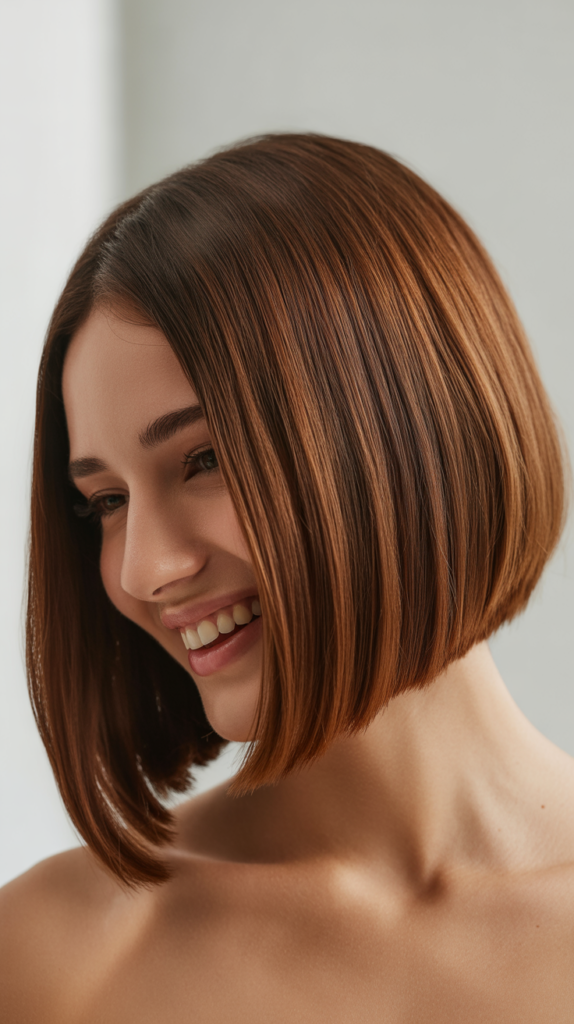
The graduated bob, also known as a stacked bob, features shorter layers in the back that gradually increase in length toward the front, creating dimension and volume. When styled straight, this cut offers a modern, polished appearance with built-in body.
- The graduated layers create natural lift at the crown and nape, eliminating the need for excessive teasing or volumizing products.
- This cut is ideal for those with fine or thin hair, as the layered structure creates the illusion of thickness and fullness.
- The longer front pieces frame the face beautifully while the shorter back maintains a neat, tailored appearance.
- Straightening the hair with a flat iron emphasizes the geometric precision of the cut, showcasing the skilled layering technique.
- The graduated bob requires minimal daily styling, as the cut itself provides the structure and shape needed for a polished look.
- Regular trims every 6-8 weeks help maintain the distinct graduation and prevent the style from losing its signature shape.
7. Sleek Undercut Bob
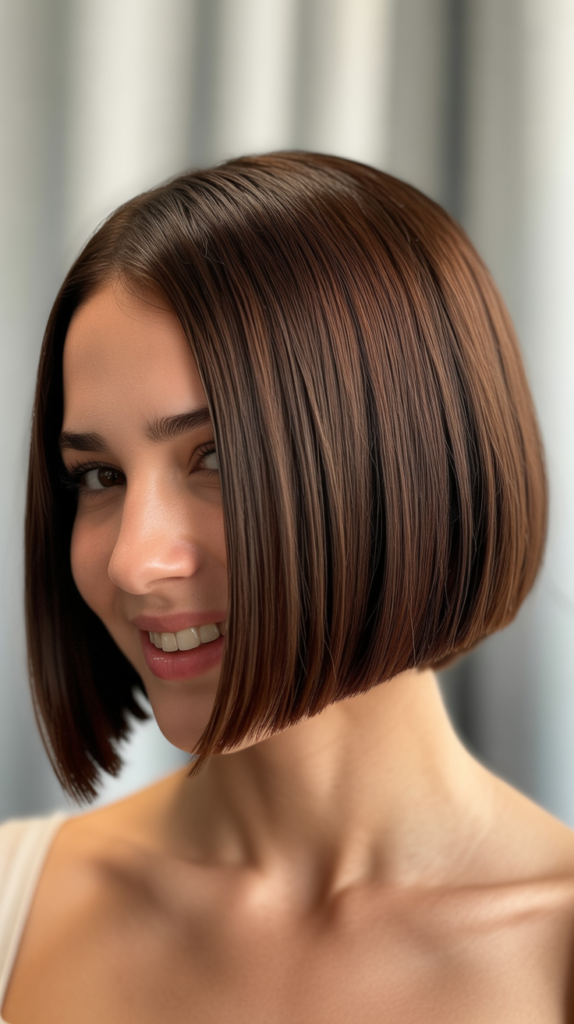
The undercut bob combines the classic bob silhouette with an edgy twist, featuring shaved or closely cropped hair underneath longer top layers.
This daring style offers both aesthetic appeal and practical benefits, especially for those with thick hair.
- The undercut removes bulk from underneath, making the hair easier to manage and faster to style while creating a cooler feel in warm weather.
- When the top layers are worn down and styled straight, the undercut remains hidden, offering a professional appearance with a secret edge.
- Pulling the hair up or styling it behind the ears reveals the undercut design, which can be left simple or decorated with patterns.
- This style works exceptionally well for thick, coarse hair that tends to become heavy or triangular when cut into traditional bobs.
- The straight styling on top creates a sleek contrast with the textured or bare undercut section, emphasizing the style’s rebellious nature.
- Maintenance involves trimming the top layers every 6-8 weeks and touching up the undercut every 2-4 weeks, depending on how quickly your hair grows.
8. Straight A-Line Bob
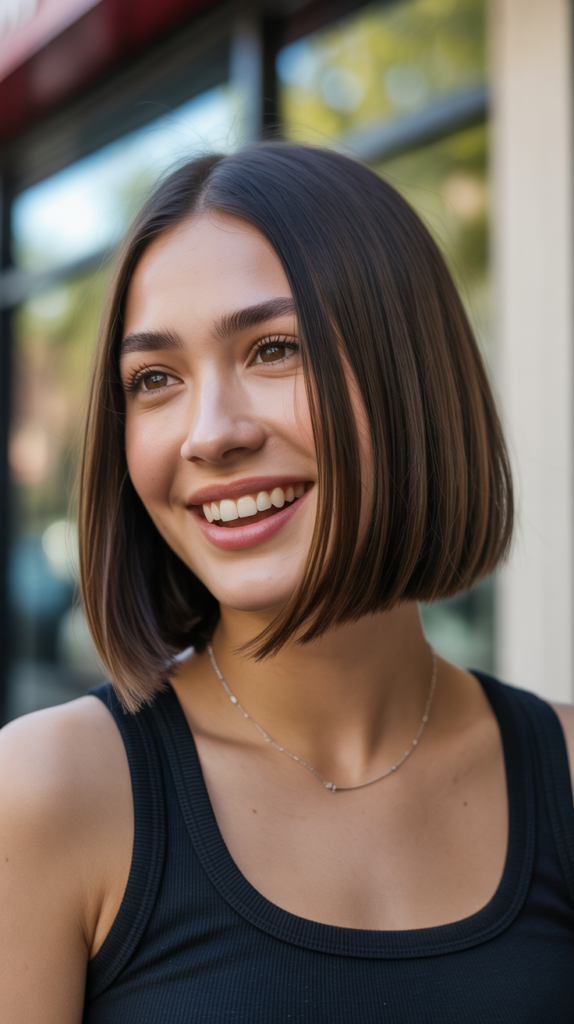
The A-line bob features a distinct angular shape where the front pieces are noticeably longer than the back, creating a striking diagonal line when viewed from the side. This sophisticated cut is perfect for those seeking a polished, professional appearance.
- The dramatic angle of the A-line creates a flattering frame for the face, drawing attention to the jawline and neck.
- This cut naturally adds movement to straight hair, as the varied lengths create visual interest even in the sleekest styling.
- The A-line bob works particularly well for those with round or square face shapes, as the diagonal line creates length and angles.
- Styling involves blow-drying with a round brush to maintain the volume and angle, followed by flat ironing for a smooth, glossy finish.
- The precision required for this cut makes it essential to visit an experienced stylist who understands geometric cutting techniques.
- To maintain the sharp angle, schedule trims every 5-7 weeks, focusing on preserving the length difference between front and back.
9. Chin-Length Straight Bob
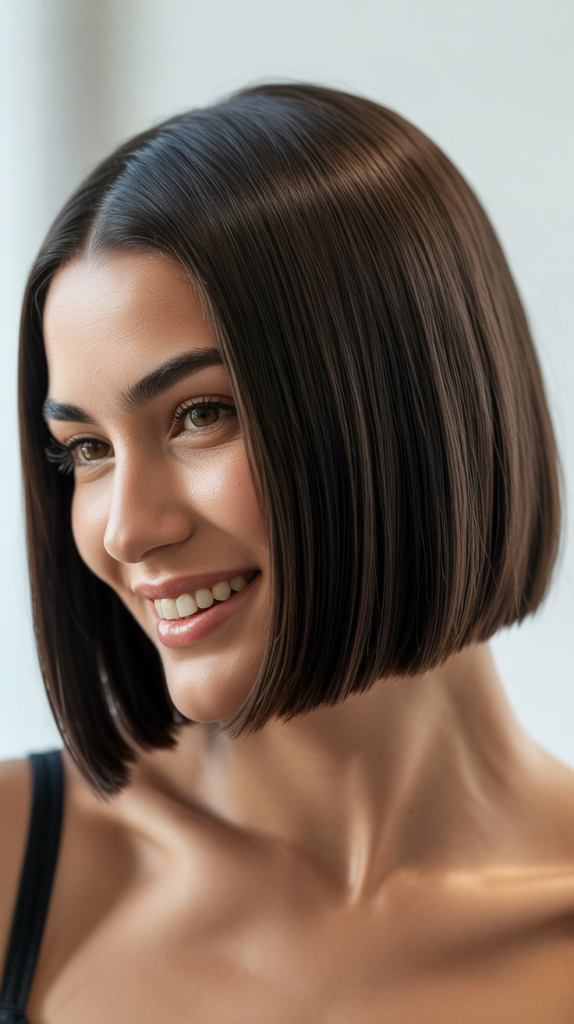
The chin-length bob represents a timeless classic that flatters virtually every face shape and hair type when styled straight.
This versatile length offers the perfect compromise between short and medium hair, providing styling options without the commitment of a dramatic crop.
- The hair ends right at the chin or just below, creating a flattering frame that highlights the facial features without overwhelming them.
- This length is particularly effective for creating the illusion of a longer neck and defined jawline, making it popular among celebrities and style icons.
- Straight styling at this length showcases the hair’s health and shine, making it essential to maintain well-conditioned, smooth strands.
- The chin-length bob can be parted in multiple ways—center, deep side, or no part—each creating a distinctly different look.
- For added interest, subtle layers can be incorporated around the face while maintaining the overall straight and polished appearance.
- This style requires moderate maintenance, with salon visits every 6-8 weeks to maintain the precise length and shape.
10. Straight Bob with Side Part
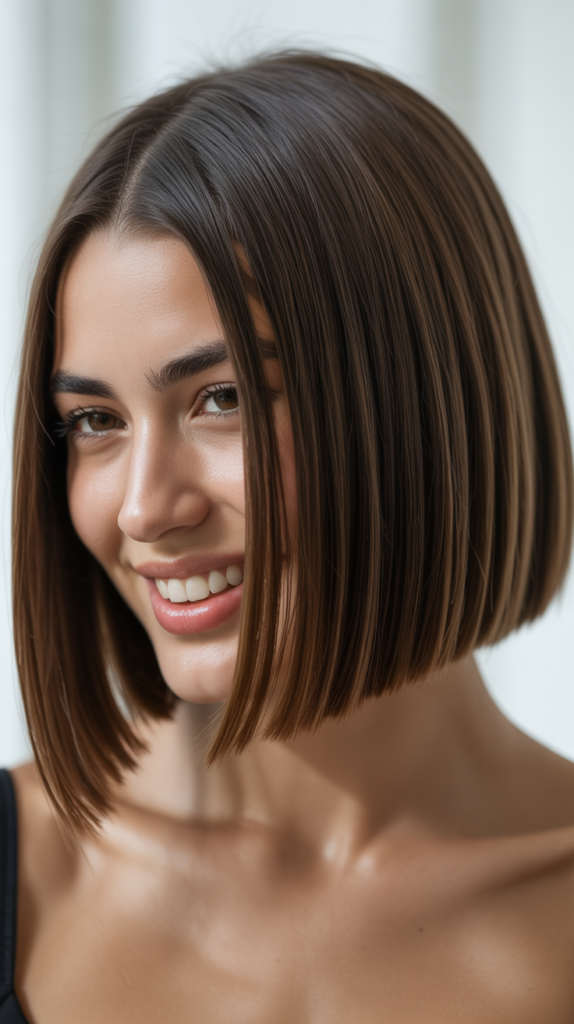
The straight bob with a deep side part transforms a simple cut into a glamorous, red-carpet-worthy style that exudes confidence and sophistication.
The dramatic part creates asymmetry and volume, adding dimension to an otherwise simple straight cut.
- Creating a deep side part (typically positioned above the arch of one eyebrow) allows more hair to fall on one side, creating a sweeping, elegant effect.
- This styling technique adds instant volume at the crown, as the hair naturally lifts away from the scalp on the heavier side.
- The side part works particularly well for those with round face shapes, as the diagonal line creates the illusion of length and angles.
- To achieve this look, create the part while hair is wet, blow-dry in the desired direction, and finish with a flat iron for sleekness.
- The style can be secured with bobby pins behind one ear for a more formal appearance or left loose for casual elegance.
- Switching the side of your part occasionally can prevent the hair from becoming trained in one direction and adds versatility to your look.
11. Textured Straight Pixie
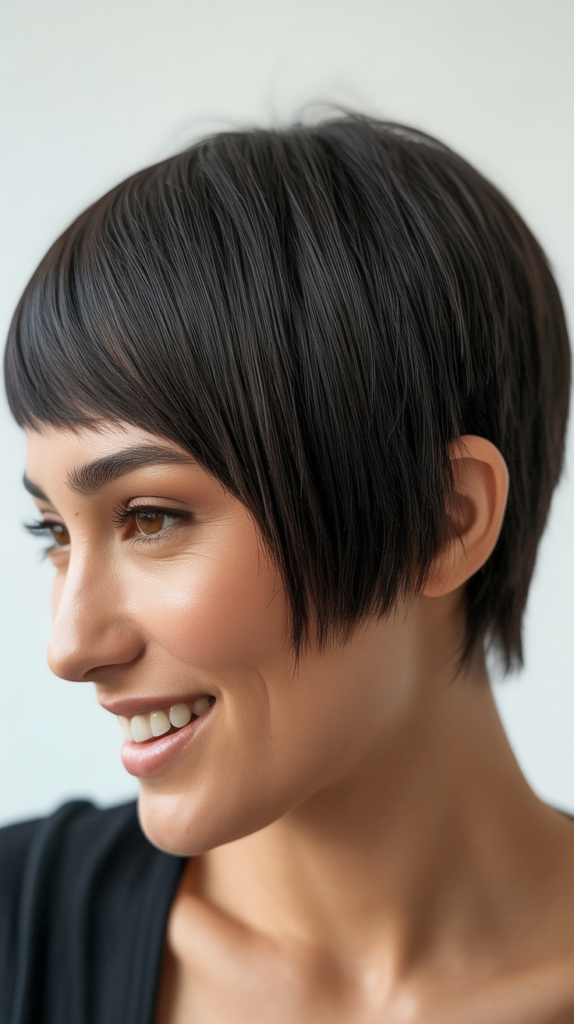
The textured straight pixie adds dimension and interest to the classic pixie cut through strategic layering and point-cutting techniques.
While maintaining straight styling, this variation incorporates subtle texture that prevents the hair from appearing flat or one-dimensional.
- The texturing technique involves cutting into the hair at angles rather than straight across, creating soft, feathered ends that add movement.
- This style works exceptionally well for those with fine hair, as the texture creates the illusion of fuller, thicker strands.
- Despite being textured, the hair is styled straight to maintain a sleek, polished appearance while showcasing the dimension created by the cut.
- Styling involves applying a small amount of texturizing product to damp hair, blow-drying with fingers or a small brush, and finishing with a light flat iron pass.
- The textured pixie requires less frequent styling than a completely smooth pixie, as the built-in texture adds forgiveness to the look.
- Regular trims every 4-5 weeks maintain the shape and prevent the textured pieces from becoming too long and losing their intentional appearance.
12. Sleek Bowl Cut
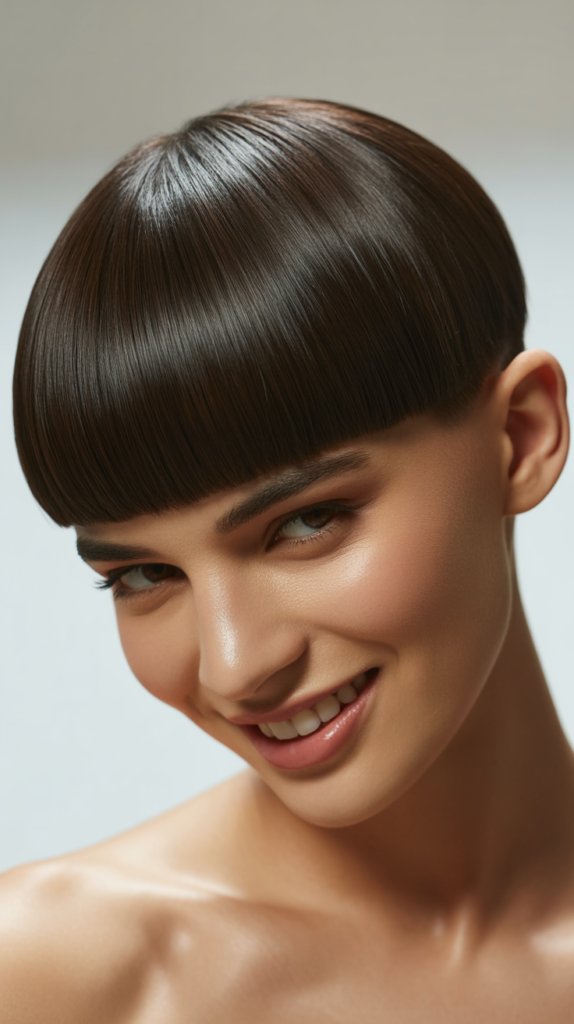
The bowl cut has evolved from its childhood associations into a high-fashion statement when executed with precision and styled sleek and straight.
This bold, geometric cut makes a striking impression and works best for those with confident personal style.
- The modern bowl cut features a rounded shape around the head with a defined line, often paired with undercut or tapered sides for contemporary edge.
- When styled straight, the bowl cut emphasizes its architectural quality, showcasing the precision and skill required to achieve the perfect circular shape.
- This cut works particularly well on fine to medium straight hair, as the blunt edge creates density and the rounded shape adds fullness.
- Styling requires blow-drying with a round brush to maintain the curve, followed by flat ironing to achieve the signature sleek, glossy finish.
- The bowl cut is best suited for those with oval or heart-shaped faces, as the horizontal line and rounded shape can make round faces appear fuller.
- Maintenance demands regular salon visits every 4-6 weeks to preserve the precise line and shape that defines this statement-making cut.
13. Straight Shaggy Bob
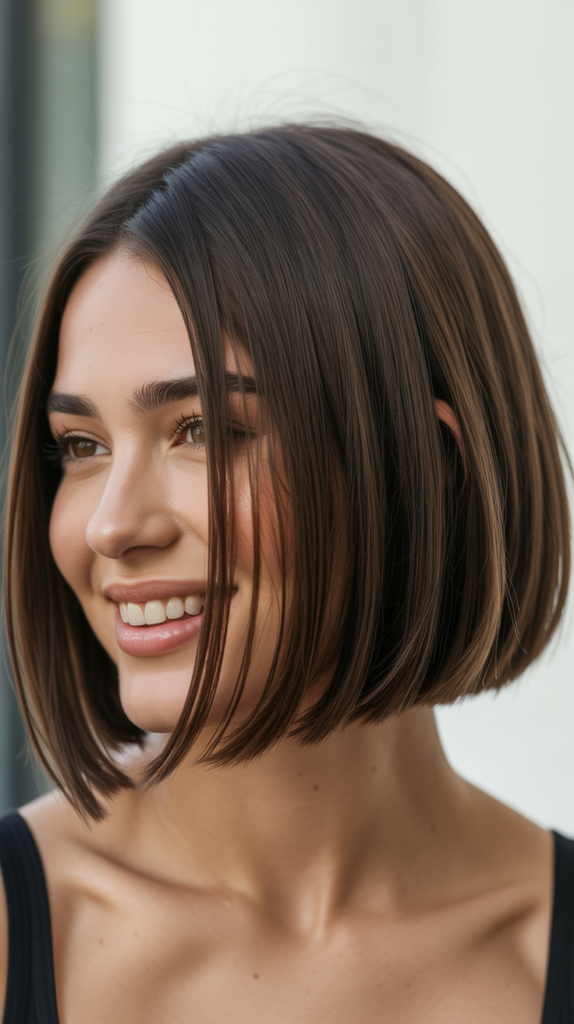
The shaggy bob brings a relaxed, effortless vibe to straight hair through choppy layers and textured ends. This style offers the best of both worlds—the polish of straight hair with the casual cool of intentional dishevelment.
- The shag technique involves creating layers throughout the hair, with particular focus on textured, piecey ends that prevent a harsh, blunt look.
- When styled straight, the layers create movement and dimension without requiring the tousled, wavy styling often associated with shag cuts.
- This cut is ideal for adding life to fine or thin straight hair, as the layers create the appearance of volume and fullness.
- Styling involves rough-drying with fingers to maintain the piecey quality, then using a flat iron on select sections for a straight-but-textured finish.
- The shaggy bob works across all face shapes, as the layers can be customized to frame features and create balance.
- Unlike precise geometric cuts, the shaggy bob is forgiving as it grows out, requiring trims only every 8-10 weeks.
14. Micro Straight Bob
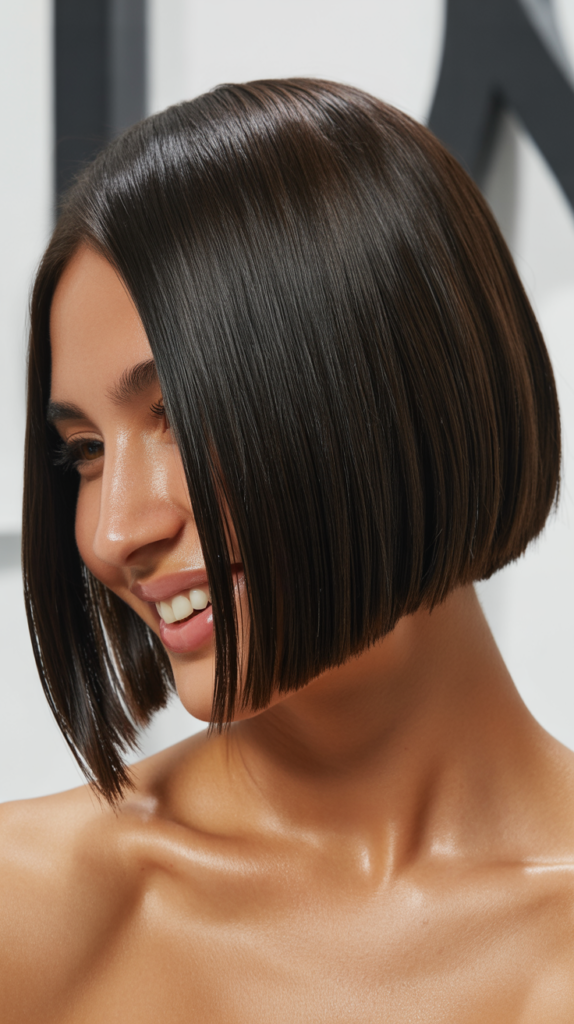
The micro bob pushes the boundaries of short hair with an ultra-cropped length that typically ends above the jawline.
This daring, fashion-forward style makes a bold statement and works best for those ready to embrace minimalism.
- The micro bob usually falls at ear level or slightly below, creating a striking, high-impact look that emphasizes facial features.
- When styled straight, this cut becomes ultra-modern and sharp, resembling a more dramatic version of the classic bob.
- This length works particularly well for those with delicate, refined facial features, as the short length draws all attention to the face.
- The micro bob requires confident styling—apply smoothing serum, blow-dry straight, and finish with a flat iron for the sleekest possible finish.
- This cut is ideal for those with oval or heart-shaped faces, while round or square faces may find the shortness emphasizes width.
- Frequent salon visits every 3-5 weeks are essential to maintain the precise length and prevent the style from losing its intended micro proportions.
15. Straight Bob with Layers
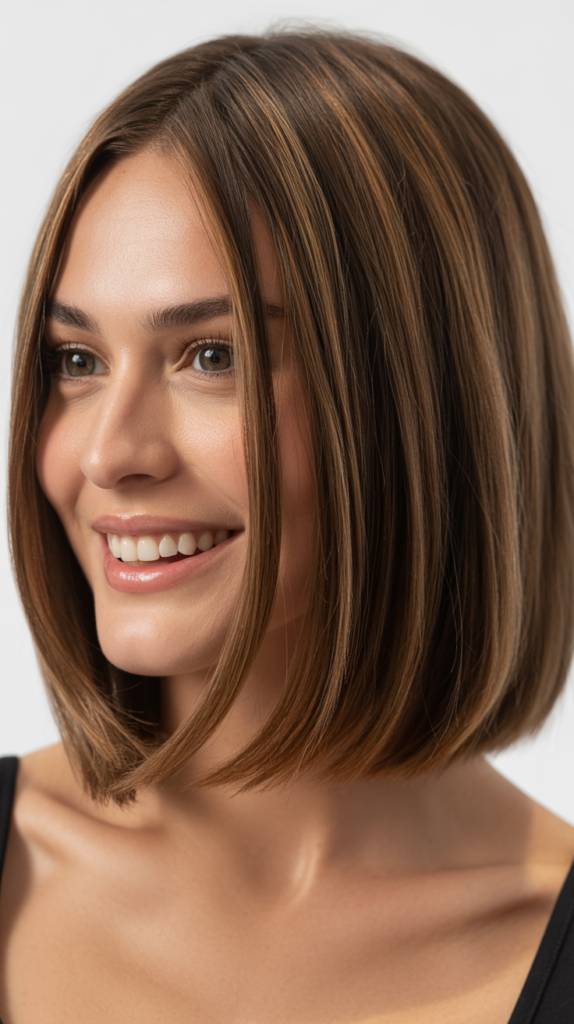
The layered straight bob adds dimension and movement to traditional bob cuts through strategic internal layering that creates texture without sacrificing length.
This style offers versatility while maintaining the classic bob silhouette.
- Internal layers are cut throughout the hair to reduce bulk and add movement, while the perimeter remains relatively blunt for structure.
- The layers create a lighter, more dynamic feel than a one-length bob, making it ideal for those with thick or coarse hair.
- When styled straight, the layers add subtle dimension and prevent the hair from appearing flat or heavy against the head.
- Styling involves blow-drying with a round brush to emphasize the layers, then flat ironing for smoothness while maintaining the natural movement.
- This cut flatters all face shapes, as the layers can be adjusted around the face to create customized framing and balance.
- The layered bob requires trims every 6-8 weeks to maintain the shape and prevent the layers from becoming disconnected or stringy.
16. Sleek Ear-Length Bob
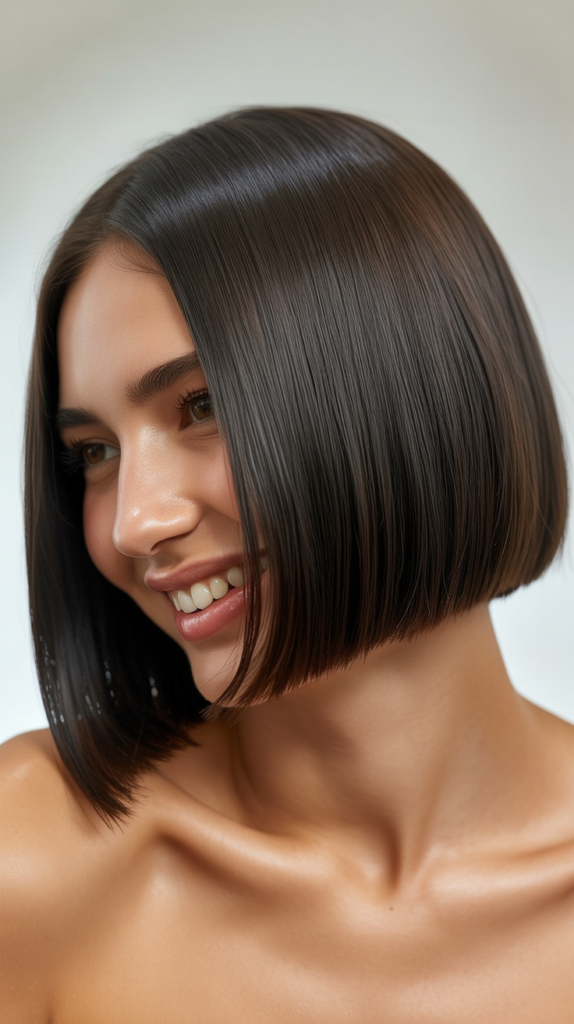
The ear-length bob offers a chic, no-nonsense style that sits right at ear level, creating a neat, tailored appearance perfect for professional settings. This practical yet stylish cut showcases the precision of straight styling.
- The hair is cut to end precisely at the bottom of the ears, creating a clean horizontal line that frames the face symmetrically.
- This length naturally showcases earrings and draws attention to the neck and jawline, making it a favorite for highlighting accessories.
- The ear-length bob works particularly well for those with thick hair, as the shorter length reduces weight and makes styling more manageable.
- Achieving the sleek look requires blow-drying with a paddle brush for smoothness, followed by flat ironing for a glossy, polished finish.
- This style is universally flattering but particularly complements those with long or oval face shapes by adding horizontal balance.
- Regular maintenance every 5-7 weeks keeps the length precise and prevents the style from growing into an unintended longer bob.
17. Straight Inverted Bob
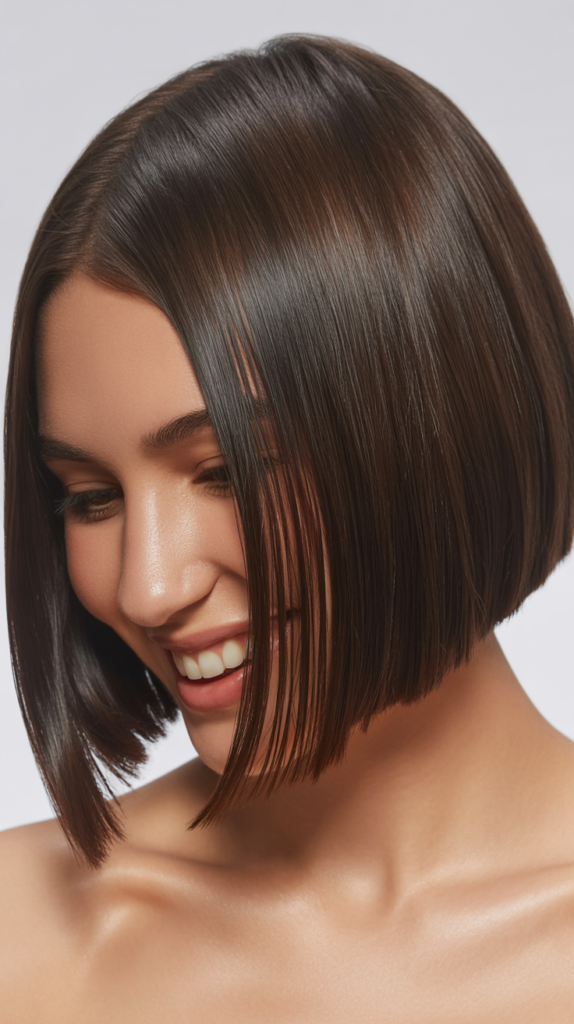
The inverted bob features stacked layers in the back that create volume and height, while the front remains longer, creating a dramatic silhouette when viewed from the side.
This architectural cut becomes striking when styled straight and sleek.
- The dramatic stacking in the back creates natural volume without requiring extensive styling or teasing products.
- The length gradually increases from back to front, with the longest pieces typically falling near the chin or below.
- This cut is exceptional for fine or flat hair, as the stacked back creates the illusion of thickness and body.
- Styling involves blow-drying with a round brush to emphasize the volume in back, then flat ironing the front pieces for sleek contrast.
- The inverted bob works well for most face shapes, particularly round faces that benefit from the elongating effect of the longer front pieces.
- The precision required for proper stacking makes it essential to visit an experienced stylist familiar with graduated cutting techniques.
18. Baby Bangs with Straight Bob

Baby bangs paired with a straight bob create an edgy, fashion-forward look that makes a bold statement.
These ultra-short bangs, also called micro or French bangs, sit well above the eyebrows and demand confidence.
- Baby bangs typically end 1-2 inches above the eyebrows, creating a stark, dramatic contrast with the longer bob length.
- This combination works best for those with oval or heart-shaped faces, as the short bangs can make round or square faces appear wider.
- The straight styling of both the bangs and bob emphasizes the geometric, architectural quality of the cut.
- Styling requires precision—the bangs must be flat ironed straight to prevent any curve or flip that would disrupt the sharp look.
- This high-maintenance style demands daily styling and frequent trims (every 2-3 weeks for the bangs alone) to maintain the desired length.
- The baby bangs and bob combination is ideal for those who enjoy making fashion statements and aren’t afraid of attention.
19. Curtain Bangs with Straight Bob
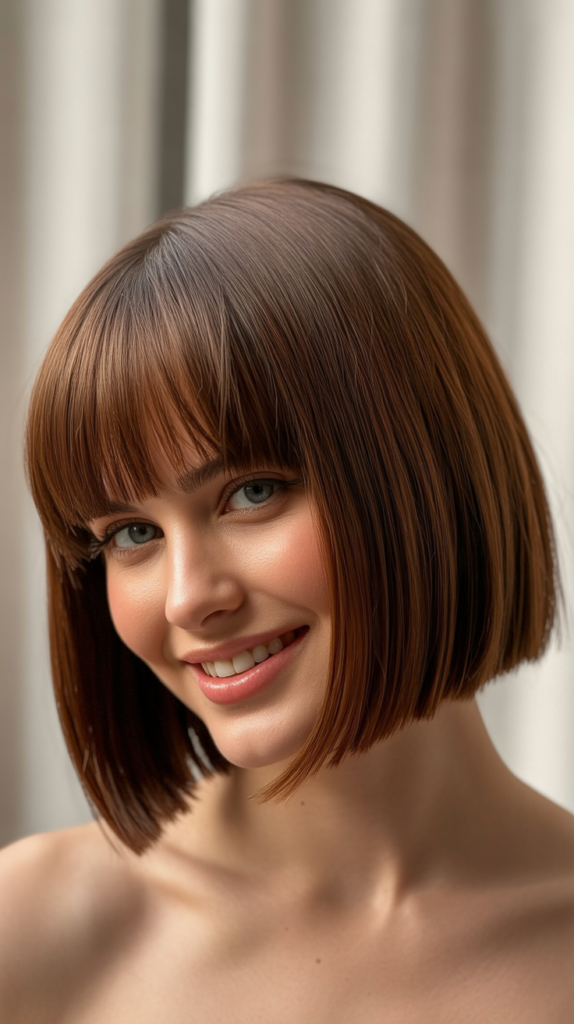
Curtain bangs offer a softer, more versatile alternative to blunt bangs, featuring longer, face-framing pieces that part in the middle and sweep to either side.
Combined with a straight bob, this creates a romantic yet polished look.
- Curtain bangs typically start shorter at the center part and gradually lengthen as they move toward the sides, creating a flattering frame.
- This style works beautifully with straight hair, as the sleekness emphasizes the gentle curve of the bangs without excessive volume or texture.
- The combination of curtain bangs and straight bob flatters all face shapes, particularly round and square faces that benefit from the vertical lines.
- Styling involves blow-drying the bangs with a round brush, directing them away from the center, while the rest of the bob is straightened with a flat iron.
- Curtain bangs require less maintenance than blunt bangs, typically needing trims every 6-8 weeks rather than every few weeks.
- This versatile style transitions seamlessly from casual to professional settings and can be styled differently by adjusting the part or tucking the bangs behind the ears.
20. Sleek Bob with Nape Undercut
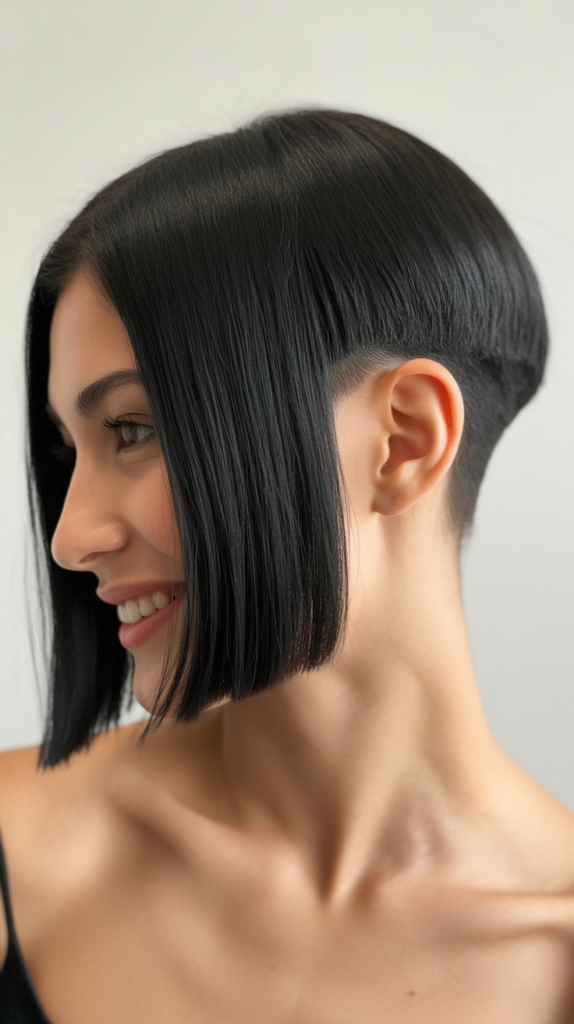
The nape undercut adds an unexpected element of edge to a classic straight bob by shaving or closely cropping the hair at the nape of the neck. This hidden detail remains concealed when hair is down but reveals itself when styled up.
- The undercut at the nape creates a cooling effect and reduces bulk for those with thick hair, making the style more comfortable and manageable.
- When the bob is worn down and styled straight, the undercut remains invisible, maintaining a professional, conservative appearance.
- Pulling the hair into a low ponytail or bun reveals the undercut, instantly transforming the look from polished to edgy.
- This style works particularly well for those who need to maintain a professional appearance but want to express creativity outside work settings.
- The undercut can be left simple with a single length or enhanced with patterns, designs, or gradual fading for added interest.
- Maintenance requires trimming the bob every 6-8 weeks and touching up the undercut every 3-4 weeks to prevent unwanted hair growth.
21. Blunt Lob with Center Part
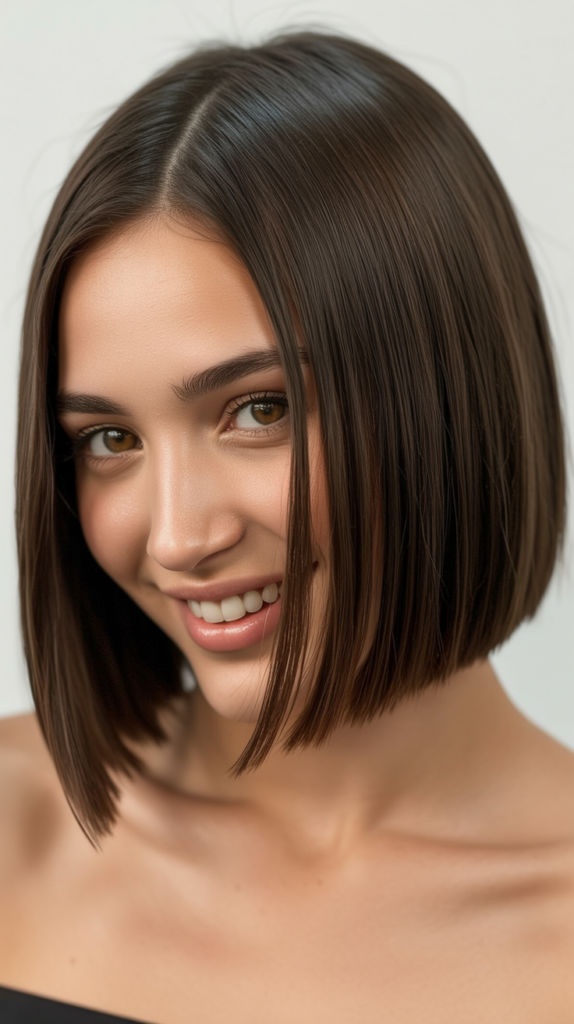
The blunt lob with center part represents modern minimalism at its finest, combining the versatile lob length with the symmetry of a center part and the precision of blunt ends.
This clean, contemporary style has become a celebrity favorite.
- The center part creates perfect symmetry, dividing the hair into two equal sections that frame the face identically on both sides.
- The blunt ends add density and weight to the hair, making even fine hair appear fuller and healthier at the tips.
- This style works exceptionally well for oval and long face shapes, as the horizontal line of the blunt cut adds width and balance.
- Achieving the look requires blow-drying with a paddle brush for smoothness, creating the center part while hair is wet, and finishing with flat iron passes.
- The sleek, straight styling emphasizes the hair’s shine and health, making proper hair care and conditioning essential for optimal results.
- This low-maintenance style requires trims every 6-8 weeks to maintain the blunt ends and prevent split ends from disrupting the clean line.
22. Sleek French Bob
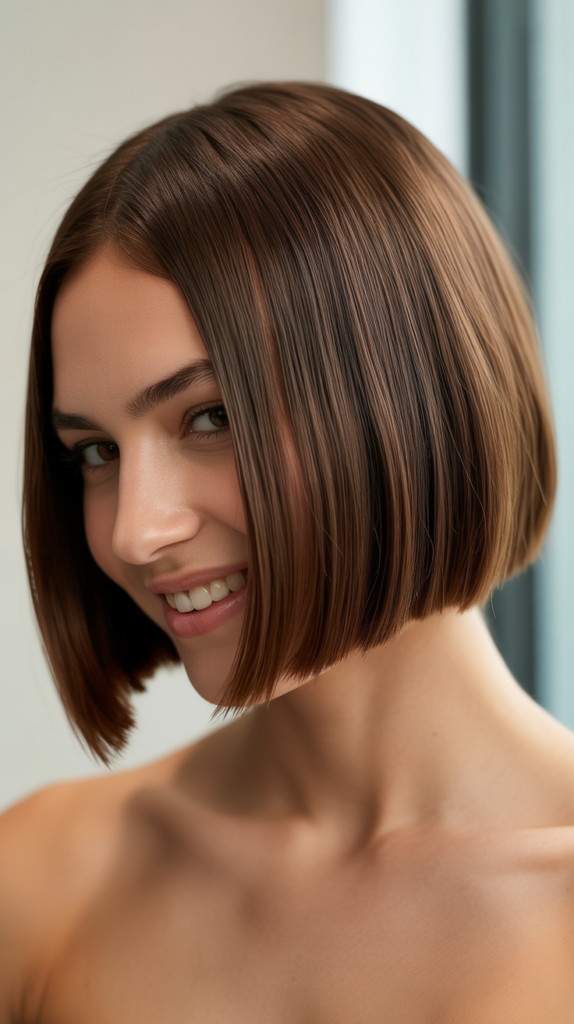
The French bob embodies Parisian chic with its distinctive length—shorter than a classic bob, ending around mid-jaw—and often features blunt edges and sometimes bangs.
When styled sleek and straight, this cut exudes sophisticated simplicity.
- The French bob typically falls between the ear and jawline, creating a neat, compact shape that looks effortlessly stylish.
- This cut often incorporates a slight internal layering to prevent bulk while maintaining the clean, blunt appearance at the perimeter.
- The French bob works particularly well for those with fine to medium hair textures, as thicker hair can create an overly bulky silhouette at this length.
- Styling involves blow-drying with a small round brush to create subtle movement, then flat ironing for the signature sleek finish.
- This style is ideal for those with oval, heart, or diamond face shapes, while round faces may find the shortness emphasizes width.
- The French bob requires regular maintenance every 5-7 weeks to preserve the precise length and shape that defines this Parisian-inspired cut.
23. Straight Collarbone Bob
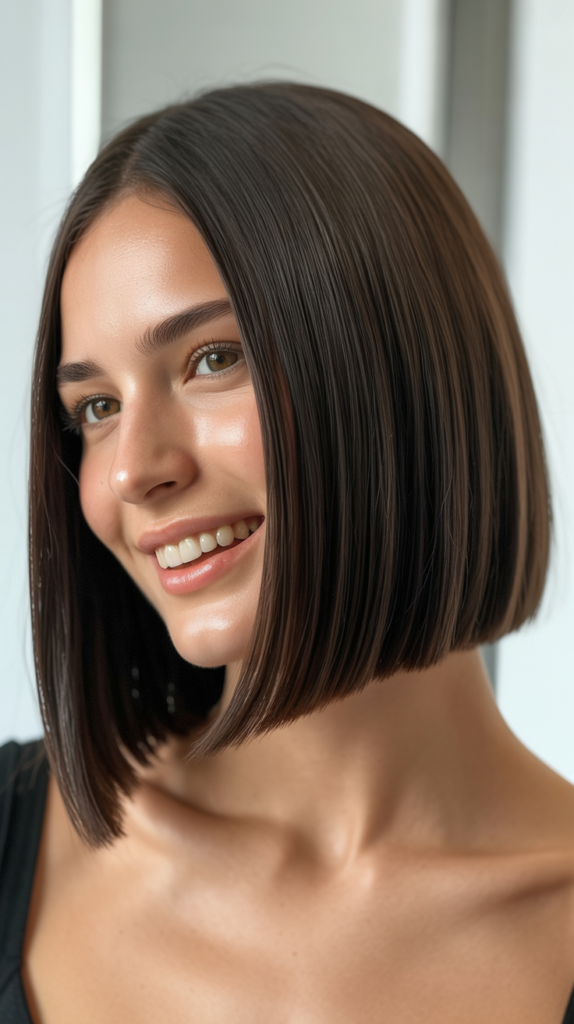
The collarbone bob hits right at the collarbones, creating the perfect balance between short and medium length while maintaining the structure of a traditional bob.
This flattering length works universally and provides styling versatility.
- The collarbone length allows for various styling options—wear it down, tuck it behind ears, or pull it into a small low ponytail or half-up style.
- This length naturally creates the appearance of an elongated neck and defined shoulders, making it particularly flattering for showcasing necklines.
- The straight styling at this length creates a polished, professional appearance suitable for both corporate environments and casual settings.
- Achieving the look involves blow-drying with a paddle brush for volume at the roots and smoothness through the lengths, finishing with a flat iron.
- The collarbone bob flatters all face shapes and ages, making it one of the most universally recommended short to medium hairstyles.
- This style requires moderate maintenance with salon visits every 7-9 weeks to maintain the length and prevent split ends.
24. Wispy Straight Bob
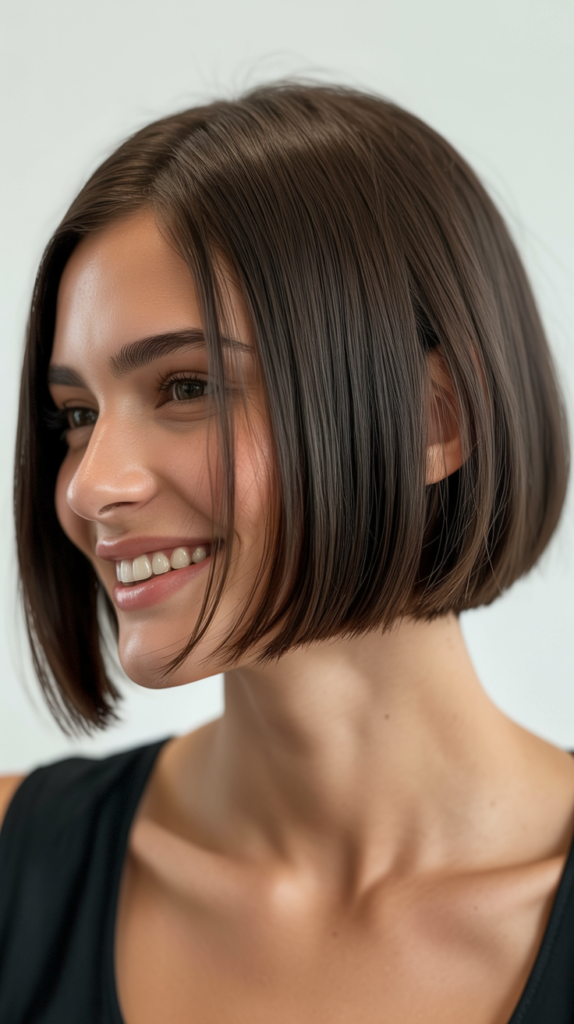
The wispy bob combines the structure of a traditional bob with softened, feathered ends that create a lighter, more ethereal appearance.
When styled straight, this cut maintains sleekness while incorporating subtle texture at the ends.
- The wispy effect is achieved through point-cutting or razor techniques that thin out the ends, creating soft, feathered tips rather than blunt edges.
- This style works exceptionally well for those with thick or coarse hair who want to reduce bulk without losing length.
- When styled straight, the wispy ends create movement and softness without appearing choppy or overly textured.
- Styling involves blow-drying smooth, then using a flat iron on the main body of hair while leaving the wispy ends natural or barely touched.
- The wispy bob is more forgiving than blunt cuts, as the softened ends disguise minor growth between appointments.
- This style requires trims every 7-9 weeks to maintain the wispy quality and prevent the ends from becoming too long or losing their intentional texture.
25. Sleek Bob with Face-Framing Layers
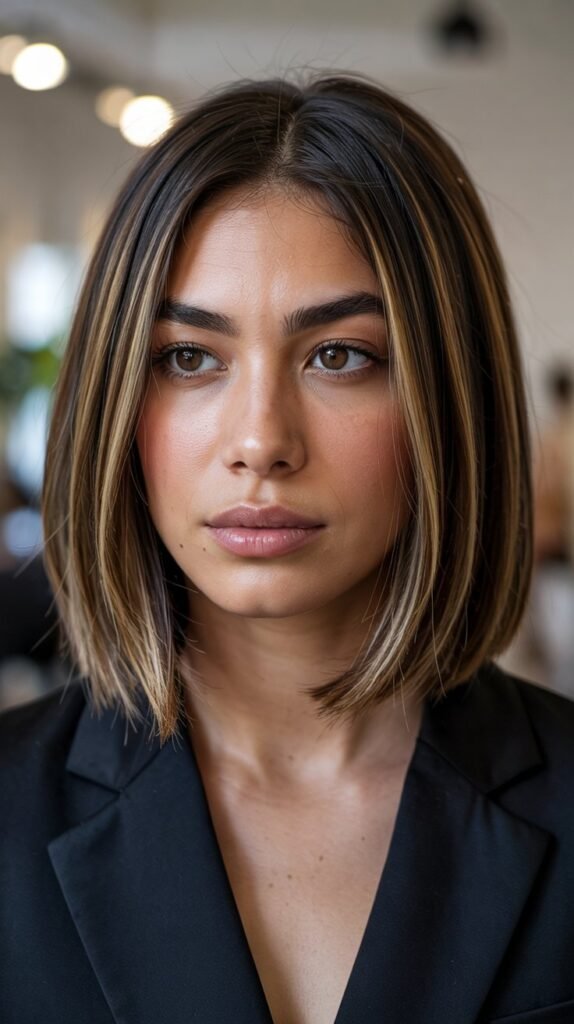
Face-framing layers add customized contouring to a straight bob by incorporating shorter pieces around the face that gradually blend into the overall length.
This personalized approach creates a flattering frame for any face shape.
- The face-framing layers typically start at the cheekbones or chin and angle gently back, creating a soft frame that highlights facial features.
- These strategic layers can be used to balance face shapes—shortening round faces, softening square jaws, or adding width to narrow faces.
- When styled straight, the face-framing pieces create a polished, put-together appearance that looks intentional and professionally cut.
- Styling involves blow-drying with a round brush, directing the face-framing pieces slightly inward or forward, then flat ironing for smoothness.
- This customizable approach makes the face-framing bob suitable for virtually everyone, as the layers can be adjusted to individual needs.
- The style requires trims every 6-8 weeks to maintain the layer graduation and prevent the face-framing pieces from blending into the overall length.
26. Straight Razor Cut Bob
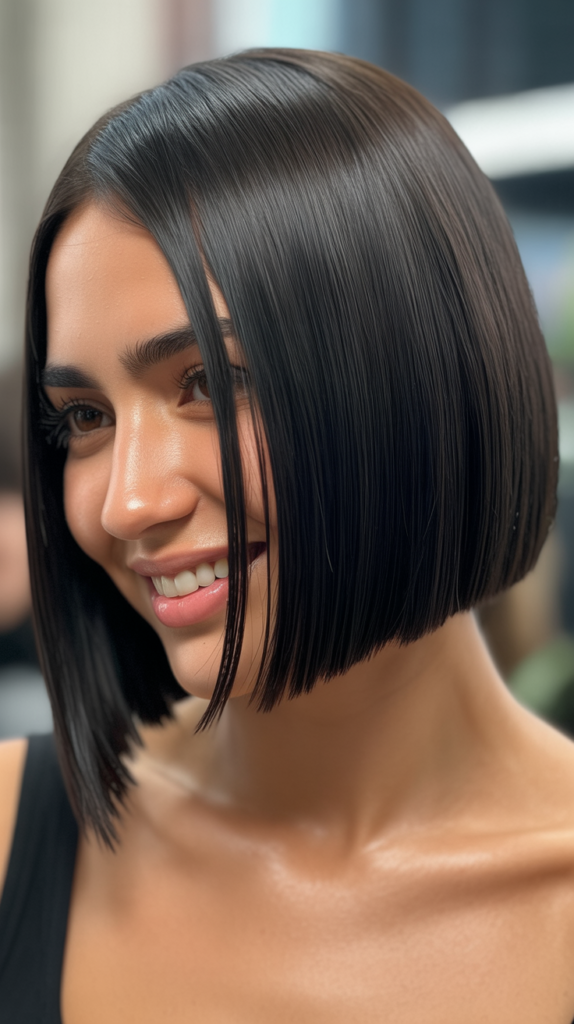
The razor cut bob utilizes a razor blade instead of scissors to create ultra-soft, feathered edges throughout the cut. When styled straight, this technique produces a lightweight, movable bob with built-in texture and dimension.
- Razor cutting creates thinner, more textured ends that move naturally and prevent the blunt, heavy appearance of scissor-cut bobs.
- This technique works particularly well for thick or coarse hair, as it removes bulk while maintaining length and creating a softer silhouette.
- The razor-cut edges catch light differently than blunt cuts, creating natural highlights and dimension even in solid-colored hair.
- Styling involves blow-drying smooth with a paddle brush, then lightly flat ironing to maintain straightness while preserving the textured ends.
- The razor cut bob requires less frequent styling than blunt cuts, as the textured ends look intentional even with minimal effort.
- This style needs professional maintenance every 6-8 weeks from a stylist experienced in razor cutting techniques to preserve the unique texture.
27. Pin-Straight Blunt Cut Bob
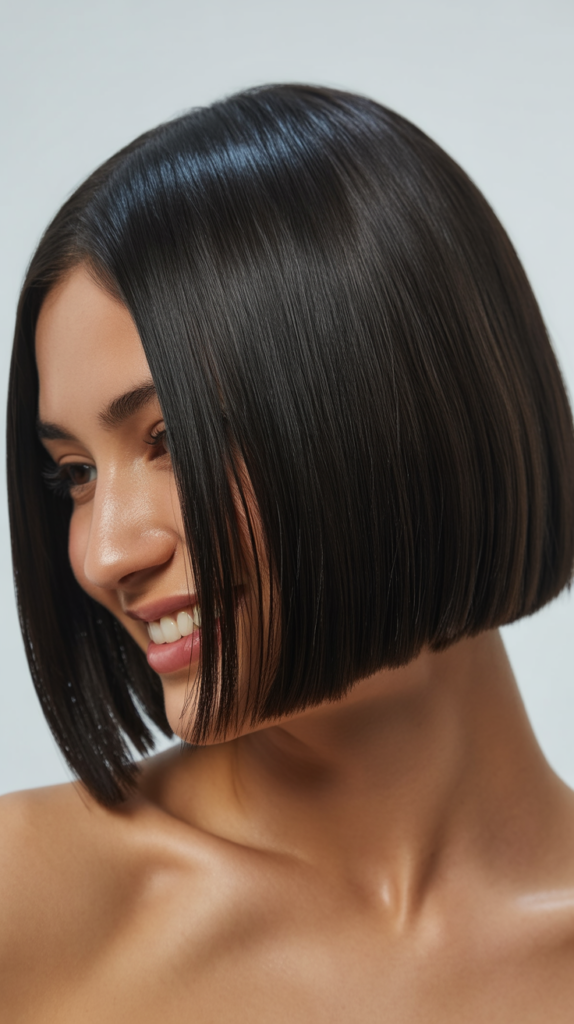
The pin-straight blunt cut bob represents the ultimate in sleek minimalism, featuring hair cut to one precise length and styled to absolute smoothness. This ultra-polished look makes a strong, confident statement.
- Every strand is straightened to perfection, creating a glass-like shine and mirror-smooth surface that reflects light beautifully.
- This style requires hair to be in excellent condition, as the extreme straightness reveals any damage, split ends, or dryness.
- Achieving this look demands professional-quality flat ironing with multiple passes and high-quality heat protectant products.
- The pin-straight blunt bob works best on naturally straight or slightly wavy hair, as very curly hair requires excessive heat to achieve this level of straightness.
- This high-maintenance style requires daily straightening and frequent deep conditioning treatments to maintain hair health.
- The precision of the cut demands regular trims every 4-6 weeks to preserve the sharp line and remove any damaged ends.
Essential Styling Tips for Maintaining Straight Short Hair
Maintaining beautifully straight short hair requires dedication, proper techniques, and the right products to ensure your style looks salon-fresh every day.
- Invest in quality heat tools: A professional-grade flat iron with ceramic or titanium plates distributes heat evenly and reduces damage while creating sleeker results.
- Always use heat protectant: Apply heat protectant spray or serum to damp hair before blow-drying and again before flat ironing to shield strands from thermal damage.
- Master the blow-dry technique: Use a paddle brush for smooth results, directing the nozzle downward along the hair shaft to seal the cuticle and enhance shine.
- Section your hair for flat ironing: Divide hair into small sections (about 1-inch wide) for thorough straightening, working from the nape upward to ensure every strand is smoothed.
- Don’t skip regular trims: Short hairstyles lose their shape quickly, so maintaining a regular trimming schedule every 4-8 weeks (depending on the cut) preserves the intended style.
- Deep condition weekly: Straight styling with heat tools can dry out hair, so incorporate weekly deep conditioning treatments to maintain moisture and prevent breakage.
- Sleep on silk pillowcases: Silk or satin pillowcases reduce friction that causes frizz and help maintain your straight style overnight, reducing morning styling time.
- Use the right products: Lightweight smoothing serums, anti-frizz creams, and shine sprays enhance the sleek appearance without weighing down short hair.
- Adjust styling based on weather: Humid conditions require anti-humidity products and possibly more frequent touch-ups to maintain the straight finish.
- Consider keratin treatments: For those who straighten daily, professional smoothing treatments can reduce styling time and damage by making hair naturally straighter for several months.
Choosing the Right Straight Short Hairstyle for Your Face Shape
Understanding how different straight short hairstyles interact with various face shapes helps you select the most flattering option for your unique features.
- Oval face shapes are the most versatile and can pull off virtually any straight short hairstyle, from pixies to lobs, with equal success.
- Round faces benefit from styles that add length and angles, such as asymmetrical bobs, A-line cuts, or styles with side parts that create vertical lines.
- Square faces look best with softer styles that include layers, such as textured bobs, wispy cuts, or styles with side-swept bangs that soften angular jawlines.
- Heart-shaped faces are flattered by chin-length bobs, French bobs, or styles with texture at the ends that balance a wider forehead with a narrower chin.
- Long faces work well with horizontal elements like blunt bangs, chin-length bobs, or styles with width at the sides rather than excessive height at the crown.
- Diamond faces look stunning in styles that add width at the forehead or jawline, such as side-swept bangs, face-framing layers, or ear-length bobs.
- Consider your jawline: Strong, defined jawlines can handle blunt cuts and sharp angles, while softer jawlines benefit from graduated or layered styles.
- Factor in your cheekbones: High, prominent cheekbones are highlighted by shorter cuts like pixies or ear-length bobs that don’t hide this attractive feature.
- Think about your forehead: Wide foreheads benefit from bangs or side parts, while narrow foreheads can handle center parts and no-bang styles.
- Consult with your stylist: A professional can assess your face shape, hair texture, and lifestyle to recommend the most flattering straight short hairstyle for your individual needs.
Common Mistakes to Avoid with Straight Short Hairstyles
Even with the best intentions, certain errors can undermine the polished appearance of straight short hair and cause unnecessary damage or styling frustration.
- Using excessive heat: Cranking your flat iron to maximum temperature causes unnecessary damage; most hair straightens effectively at 300-380°F (fine hair) or 380-450°F (thick hair).
- Skipping heat protectant: This crucial step prevents heat damage, reduces breakage, and helps hair maintain moisture despite frequent styling with hot tools.
- Straightening dirty hair: Product buildup, oil, and dirt prevent smooth results and can become “baked” into the hair with heat, so always start with clean hair.
- Using too much product: Short hair requires less product than long hair, and overuse creates greasy, weighed-down results that look dirty rather than sleek.
- Neglecting regular trims: Short styles lose their shape rapidly as hair grows, so skipping appointments results in styles that look overgrown and intentional shape is lost.
- Straightening soaking-wet hair: Hair should be about 80-90% dry before flat ironing to prevent excessive heat exposure and steam damage to the hair cuticle.
- Passing the flat iron too quickly: Moving the flat iron too fast through each section requires multiple passes, increasing heat exposure and damage risk.
- Ignoring the hair’s natural growth pattern: Fighting against natural cowlicks or growth patterns creates frustration; instead, work with them or ask your stylist to cut around them.
- Choosing the wrong cut for your texture: Some cuts work better with certain textures, so selecting a style incompatible with your natural hair creates daily styling struggles.
- Sleeping without protection: Going to bed with unprotected straight hair causes friction frizz and undoes your hard work, so use silk pillowcases or protective styles.
Transitioning Between Straight Short Hairstyles
Moving from one straight short style to another requires strategic planning and patience, as hair growth and the right transitional cuts make the process smoother.
- Growing out a pixie cut: The awkward growth phase can be managed with regular trims that shape the style into a textured bob while maintaining intentional appearance.
- Shortening from a lob to a bob: This straightforward transition simply requires cutting several inches, making it one of the easiest changes between short styles.
- Adding or removing bangs: Bangs can be grown out by gradually blending them into face-framing layers, or added by cutting into existing hair at the front.
- Changing from blunt to layered: Internal layers can be added to any blunt cut without sacrificing overall length, creating immediate dimension and movement.
- Moving from symmetric to asymmetric: An asymmetrical cut can be created by simply cutting one side shorter, offering a dramatic change without sacrificing too much length.
- Growing out an undercut: The undercut section will need frequent trims to blend with the rest of the hair as it grows, creating a gradual transition over several months.
- Transitioning from razor to scissor cuts: As razor-cut hair grows, scissor cuts can sharpen the ends for a blunter appearance, or layers can be maintained for continued softness.
- Plan for awkward phases: Growth transitions often include periods where the style looks less polished, so schedule regular appointments for interim styling solutions.
- Communicate with your stylist: Discuss your end goal so your stylist can create a timeline and plan for interim cuts that keep you looking polished throughout the transition.
- Consider temporary solutions: Hair accessories, styling products, and different techniques can help manage challenging growth phases while working toward your desired style.
Adapting Straight Short Hairstyles for Different Occasions
The versatility of straight short hair allows for various styling adaptations that suit everything from casual weekends to formal events, with simple modifications creating dramatically different looks.
- Professional/Corporate settings: Sleek, smooth styling with minimal texture, center or neat side parts, and polished finishing products create appropriate workplace looks.
- Casual everyday wear: Allow slightly more texture, use less product for a more natural finish, and embrace imperfect smoothness for relaxed, effortless vibes.
- Formal events: Ultra-sleek flat ironing, glossy shine products, elegant accessories like jeweled pins or headbands, and precisely styled parts create special occasion glamour.
- Athletic activities: Pull shorter styles back with headbands or clips, use anti-frizz products to combat sweat, and consider styles that maintain shape despite moisture and movement.
- Date nights: Add soft face-framing pieces, create subtle volume at the roots, tuck one side behind the ear for asymmetry, or add romantic accessories.
- Beach or pool days: Accept that humidity will affect straight styles, apply anti-humidity products, embrace slight wave or texture, or opt for protective updos when possible.
- Festivals and concerts: Experiment with bold accessories, temporary hair color, creative parts, or incorporate small braids into otherwise straight styles for bohemian flair.
- Job interviews: Conservative, neat styling with minimal product visible, neutral colors, classic parts, and professional polish create the best first impressions.
- Holiday celebrations: Add festive accessories, consider temporary shine sprays in metallic finishes, or incorporate subtle decorative elements that complement your outfit.
- Travel-friendly styling: Pack travel-size styling tools, use multi-purpose products to reduce luggage, and choose styles that require minimal maintenance and touch-ups.
Color Considerations for Straight Short Hairstyles
Hair color can dramatically enhance or detract from straight short hairstyles, as the sleek styling showcases color placement, dimension, and overall tone with particular clarity.
- Solid colors create bold statements: Single-process color in dramatic shades like jet black, platinum blonde, or vibrant fashion colors makes maximum impact on straight short hair.
- Subtle highlights add dimension: Face-framing highlights or babylights create depth without disrupting the sleek lines of straight styling, catching light beautifully.
- Balayage requires careful placement: Hand-painted color can add dimension to short hair, but placement must be strategic to avoid disrupting the cut’s geometric lines.
- Darker roots create depth: Shadow root techniques where darker color at the roots gradually lightens toward the ends add natural-looking dimension to straight styles.
- Avoid overly contrasted color: Dramatic highlighting patterns can look choppy on short straight hair, so subtle transitions work better for maintaining sleek appearance.
- Consider your skin tone: Cool-toned colors (ash, platinum, cool brown) complement cool skin, while warm tones (golden, caramel, auburn) flatter warm complexions.
- Glossing treatments enhance shine: Regular gloss treatments between color appointments maintain vibrancy and add the mirror-like shine that makes straight styles stunning.
- Natural colors require less maintenance: If you’re committed to frequent straightening, natural-looking colors reduce the need for frequent color appointments and minimize chemical exposure.
- Fashion colors demand upkeep: Vibrant colors like pink, blue, or purple fade quickly and require special care, color-safe products, and frequent touch-ups on short hair.
- Consult color-specialized stylists: Professional colorists understand how color interacts with different cuts and can recommend placement that enhances rather than detracts from your straight short style.
Hair Health and Straight Short Hairstyles
Maintaining optimal hair health becomes especially important when regularly straightening short hair, as heat styling and chemical treatments can cause cumulative damage over time.
- Limit heat exposure frequency: If possible, allow your hair to air-dry straight on some days or embrace slight natural texture to reduce constant heat tool use.
- Lower heat tool temperatures: Use the lowest effective temperature for your hair type rather than maximum heat, preserving hair integrity while achieving desired smoothness.
- Incorporate protein treatments: Monthly protein treatments strengthen hair structure, preventing breakage from heat styling and maintaining the resilience needed for healthy-looking straight styles.
- Trim damaged ends promptly: Short hair shows damage more obviously than long hair, so immediate removal of split ends prevents further damage progression up the hair shaft.
- Use sulfate-free shampoos: Gentle, sulfate-free formulas clean hair without stripping natural oils that protect against heat damage and environmental stress.
- Deep condition regularly: Weekly intensive conditioning treatments replenish moisture lost to heat styling, maintaining softness, shine, and manageability.
- Protect from environmental damage: UV protection sprays, chlorine-blocking products before swimming, and pollution-defense formulas shield hair from non-heat related damage.
- Stay hydrated and nourished: Healthy hair grows from a healthy body, so adequate water intake, balanced nutrition, and supplements (if needed) support optimal hair condition.
- Take styling breaks: When possible, give your hair vacation days from straightening, allowing natural texture or using gentler styling methods to reduce cumulative damage.
- Monitor hair’s condition: Pay attention to changes in texture, elasticity, or appearance, addressing problems promptly with targeted treatments or professional consultations before damage worsens.
Conclusion
The versatility and sophistication of 27 Stylish Straight Hairstyles for Short Hair demonstrate that short length never means limited options when it comes to creating stunning looks.
From the timeless elegance of the classic blunt bob to the daring edge of the micro bob, each style offers unique characteristics that can be tailored to individual preferences, face shapes, and lifestyle needs.
The key to successfully wearing straight short hair lies in understanding your hair’s natural texture, maintaining regular salon appointments for precise cuts, investing in quality styling tools and products, and developing efficient daily styling routines that preserve hair health.
Whether you’re drawn to the professional polish of the sleek French bob, the versatile practicality of the straight lob, or the bold statement of baby bangs with a straight bob, there’s a perfect straight short hairstyle waiting to transform your appearance and boost your confidence.
Remember that the most flattering hairstyle is one that not only complements your features but also fits seamlessly into your daily life, requires maintenance you’re willing to commit to, and makes you feel authentically yourself every time you look in the mirror.
With the comprehensive information provided about these 27 Stylish Straight Hairstyles for Short Hair, you’re now equipped to make an informed decision, communicate effectively with your stylist, and maintain your chosen style with professional results that showcase the sleek, polished beauty of straight short hair at its absolute finest.