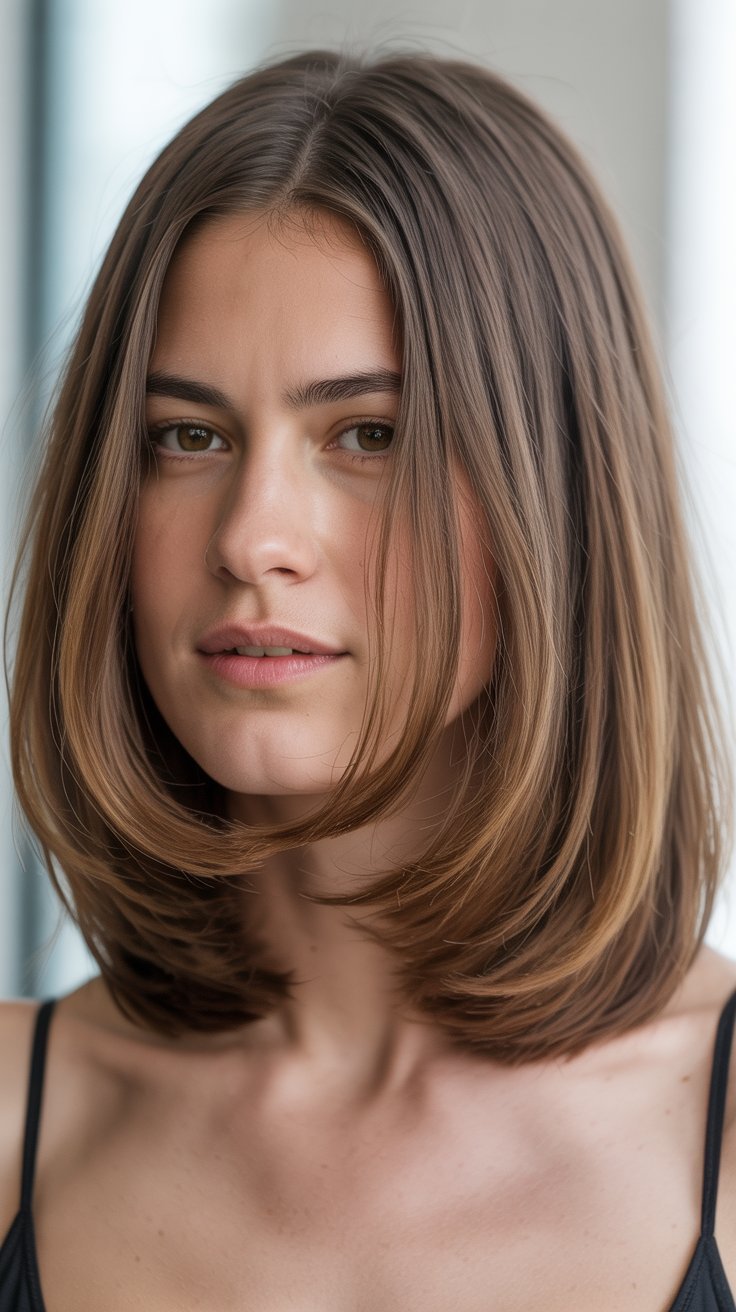
Finding the perfect haircut when you have fine hair can feel like searching for a needle in a haystack, but the long bob has emerged as a game-changing solution that combines style, volume, and versatility.
If you’ve been struggling with limp, lifeless locks or spending hours trying to create the illusion of thickness, you’re about to discover why the long bob—affectionately known as the “lob”—has become the go-to choice for fine-haired individuals worldwide.
This comprehensive guide to 28 Gorgeous Long Bob Haircuts for Fine Hair will walk you through an array of cutting techniques, styling variations, and expert-approved methods that transform thin strands into a voluminous, head-turning mane.
From textured layers that create movement to blunt cuts that maximize density, each style has been carefully selected to address the unique challenges of fine hair while keeping you fashion-forward and confident.
Whether you’re considering a dramatic chop or a subtle trim, you’ll find insider tips on maintenance, styling products, and color techniques that enhance your chosen look.
The beauty of the long bob lies in its adaptability—it flatters virtually every face shape, works with various hair textures, and transitions seamlessly from professional settings to casual weekends.
Get ready to explore precision cuts, asymmetrical designs, and modern interpretations that prove fine hair can be just as stunning and dynamic as any other hair type.
1. Classic Blunt Long Bob
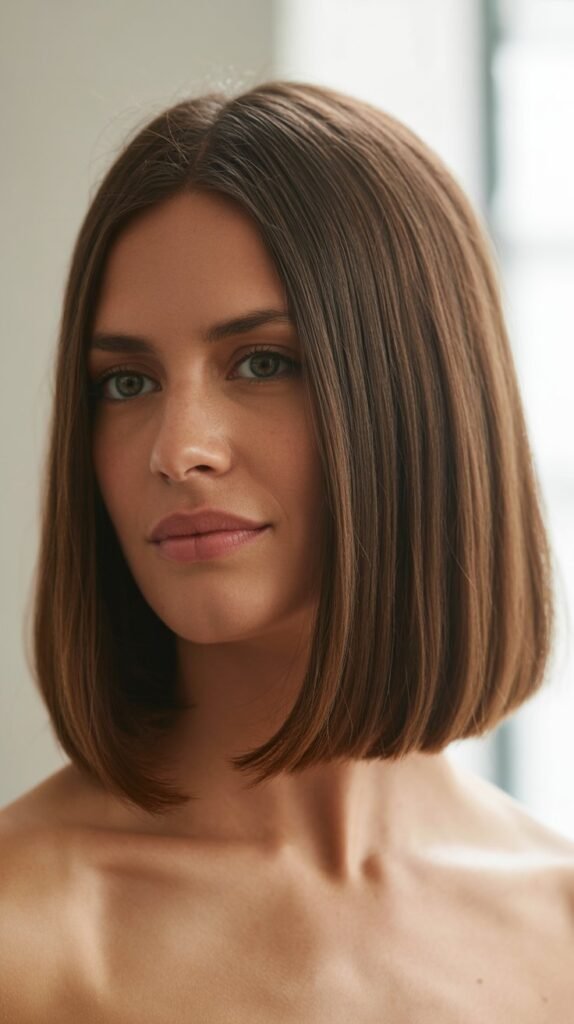
The classic blunt long bob represents the foundation of fine hair transformation, offering a clean, precise cut that creates the ultimate illusion of thickness and density.
This timeless style features hair cut in a straight, even line at the ends, typically falling between the collarbone and shoulders, which prevents the tapered, thin appearance that often plagues fine hair when left to grow longer.
Key Features:
- The blunt cut line creates a solid, weighty appearance that makes fine hair look significantly fuller and more substantial than it actually is.
- This style works by eliminating wispy ends and straggly pieces that can make thin hair appear even more sparse and unhealthy.
- The one-length cut reflects light uniformly across the hair shaft, creating a sleek, polished finish that enhances shine and vitality.
- Maintenance is relatively straightforward, requiring trims every 6-8 weeks to maintain the sharp, precise line that gives this cut its volumizing effect.
- Styling can be as simple as a quick blow-dry with a round brush, or you can add subtle waves for texture without sacrificing the blunt edge.
Styling Tips:
- Use a volumizing mousse at the roots before blow-drying to create lift and prevent the hair from falling flat against the scalp.
- A flat iron can enhance the sleek appearance while sealing the cuticle for maximum shine and a healthy-looking finish.
- Avoid heavy oils or serums that can weigh down fine hair and negate the fullness created by the blunt cut.
2. Textured Layered Long Bob
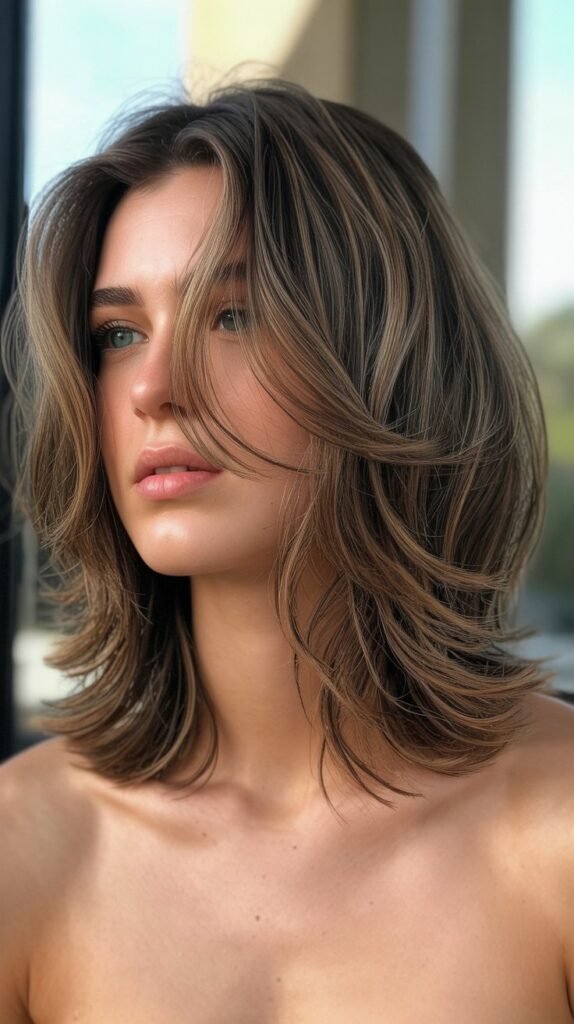
The textured layered long bob introduces strategic cutting techniques that infuse fine hair with movement, dimension, and the appearance of abundant volume through carefully placed internal layers.
Unlike heavy, chunky layers that can thin out fine hair, these subtle, texturized layers are cut with precision to create body without sacrificing density.
Benefits for Fine Hair:
- Internal layering removes weight from the hair without creating visible sparse areas, allowing fine strands to lift and move more freely.
- The texture created by point-cutting or razor techniques adds visual interest and prevents the flat, one-dimensional appearance common in fine hair.
- Layers strategically placed throughout the cut create shadows and highlights that give the illusion of depth and fullness.
- This style allows for natural movement and bounce that makes hair appear more voluminous and healthy.
- The versatility of textured layers means you can style this cut straight, wavy, or with loose curls depending on your mood and occasion.
Cutting Technique:
- Stylists typically use point-cutting or slide-cutting methods to create soft, blended layers rather than harsh, blunt lines.
- The layers should start no higher than chin level to maintain density while creating movement in the bottom half of the style.
- Thinning shears should be avoided or used minimally, as they can make fine hair appear even thinner and more sparse.
3. Angled Long Bob (A-Line Bob)
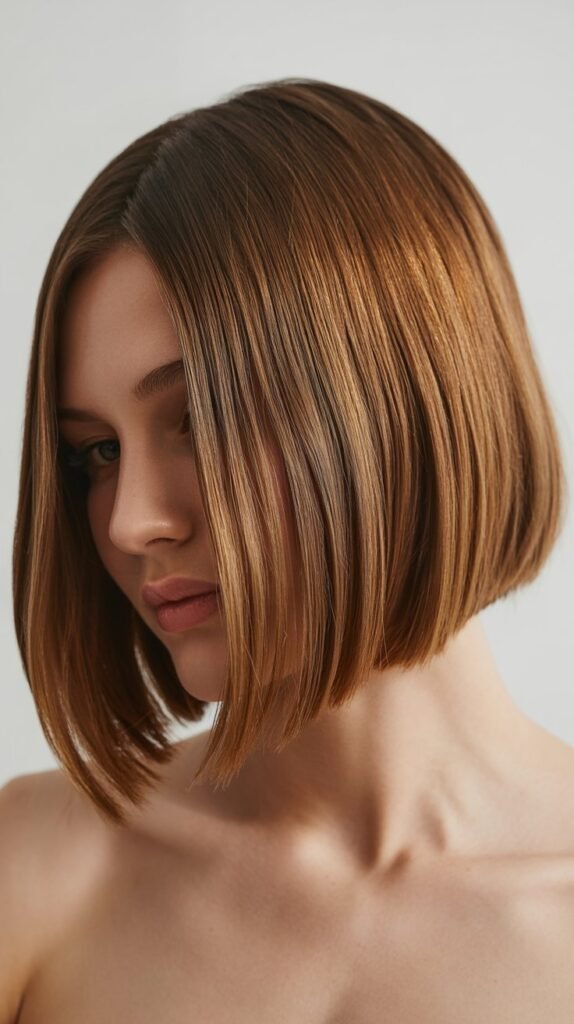
The angled long bob, also known as the A-line bob, features a distinctive graduated cut where the front pieces are longer than the back, creating a dramatic, face-framing silhouette that adds sophistication and visual interest to fine hair.
This architectural cut draws attention to the jawline and cheekbones while the shorter back section prevents the weight and flatness that can occur with all-over length.
Characteristics:
- The front sections typically fall anywhere from chin-length to several inches below the shoulders, while the back is cut progressively shorter.
- This graduated angle creates a stacked effect in the back that adds volume and prevents the hair from lying flat against the head.
- The longer front pieces frame the face beautifully and can be tucked behind the ears for a different look.
- Fine hair benefits from this cut because the shorter back section maintains lift and body where hair tends to fall flattest.
- The angle can be subtle for a conservative look or dramatic for a bold, fashion-forward statement.
Face Shape Compatibility:
- This style is particularly flattering for round and square face shapes, as the angle creates elongating lines.
- The longer front pieces draw the eye vertically, creating the illusion of length and slimming the face.
- Those with oval faces can wear this style with any degree of angle, from subtle to extreme.
4. Long Bob with Curtain Bangs
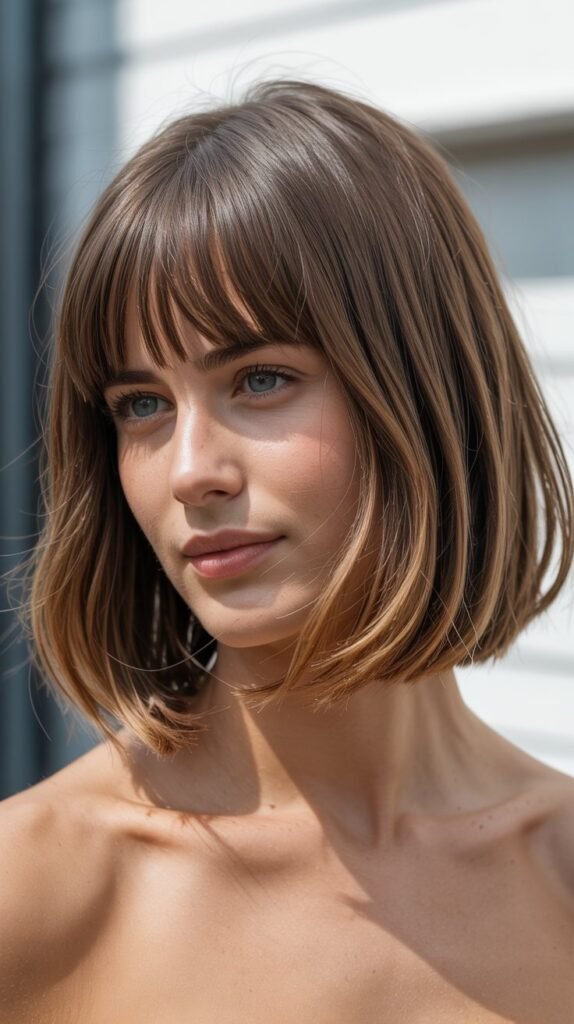
The long bob with curtain bangs combines two trending elements into one spectacular style that specifically addresses the needs of fine hair by adding strategic layers around the face and creating dimension through the fringe.
Curtain bangs are parted down the middle and swept to either side, framing the face with soft, wispy pieces that blend seamlessly into the longer bob length.
Why This Works for Fine Hair:
- Curtain bangs add fullness around the face and forehead area where fine hair often appears most sparse and limp.
- The center part of curtain bangs creates height at the crown, counteracting the flat appearance common with fine hair.
- These bangs are typically cut with texture and feathering, which prevents them from looking heavy or blunt despite fine hair texture.
- The face-framing layers of curtain bangs blend into the bob, creating a cohesive, flowing style with continuous movement.
- This style requires minimal styling effort, as curtain bangs naturally fall into place with a simple blow-dry or air-drying.
Styling and Maintenance:
- Use a small round brush to blow-dry the bangs away from the face, creating the characteristic curtain effect with volume at the roots.
- A light texturizing spray can enhance the piece-y, separated appearance of the bangs without weighing them down.
- Curtain bangs grow out gracefully, requiring trims only every 6-8 weeks rather than the frequent maintenance of traditional bangs.
- For fine hair, avoid heavy styling products on the bangs, as they will quickly become greasy and lose volume.
5. Choppy Long Bob
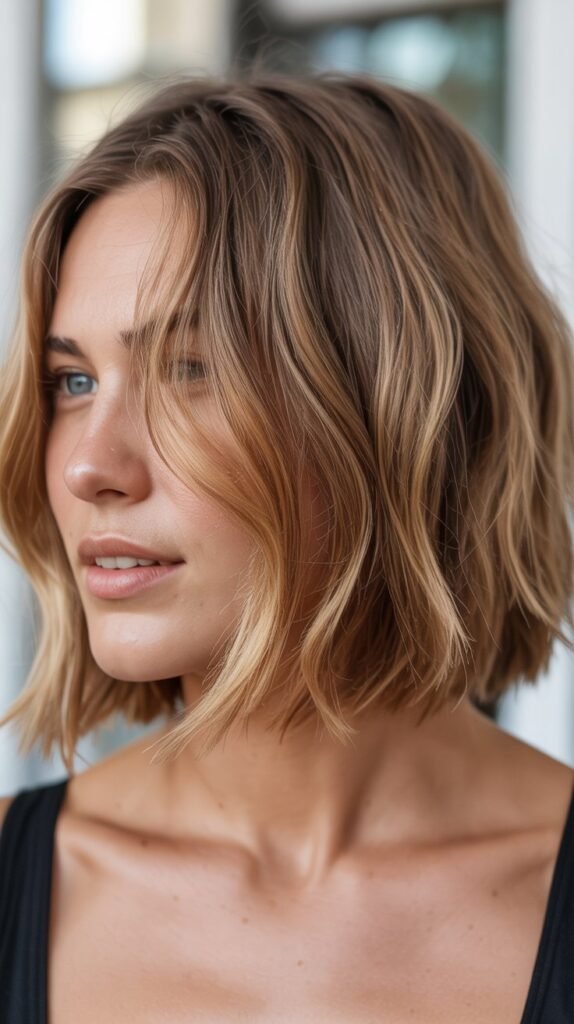
The choppy long bob embraces an edgier, more modern aesthetic through disconnected layers and piece-y texture that creates the illusion of thickness and adds contemporary style to fine hair.
This deliberately uneven cut features varied lengths throughout, creating a tousled, lived-in appearance that’s both effortlessly chic and surprisingly voluminous.
Design Elements:
- The “choppy” effect is achieved through point-cutting and razor techniques that create irregular, textured ends rather than a uniform line.
- Disconnected layers of different lengths are cut throughout the hair, creating gaps and separations that add visual volume and movement.
- This style often incorporates both shorter and longer pieces interspersed randomly, which prevents fine hair from clumping together and looking stringy.
- The intentionally messy appearance means imperfection is part of the design, making this an ideal low-maintenance option for fine hair.
- Choppy cuts work particularly well with wavy or slightly textured fine hair, as they enhance natural movement.
Styling Approach:
- This cut is designed to look best with minimal styling—a texturizing spray and finger-styling can create the perfect undone look.
- Sea salt spray applied to damp hair and air-dried creates beachy, tousled texture that emphasizes the choppy layers.
- A diffuser attachment on your blow dryer can enhance natural texture without creating frizz or flattening fine hair.
- Avoid over-brushing this style, as the piece-y, separated texture is what creates the volumizing effect.
6. Long Bob with Side-Swept Bangs
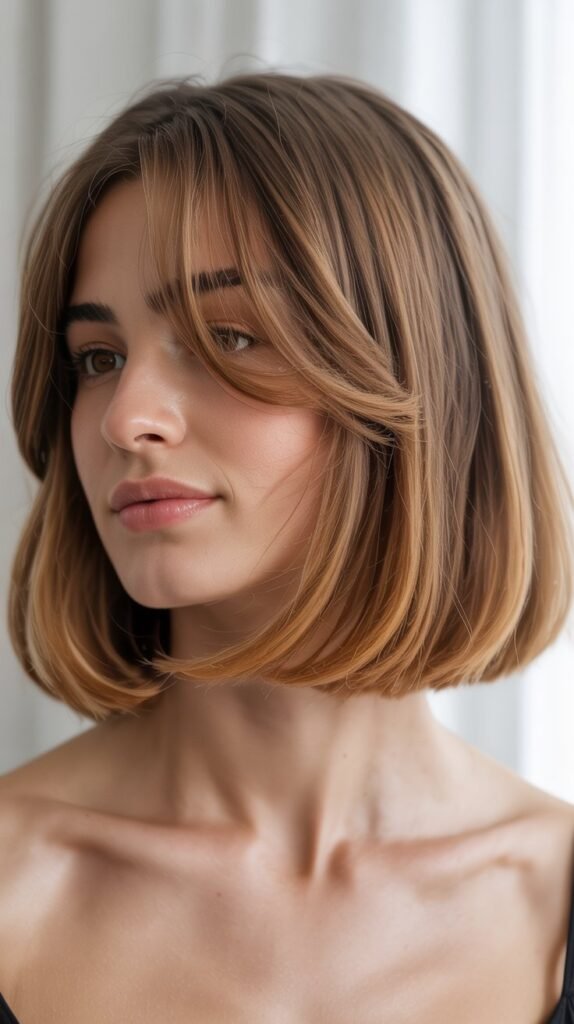
The long bob with side-swept bangs offers a softer, more romantic alternative to blunt or curtain bangs while still providing the face-framing benefits and added fullness that fine hair desperately needs.
These bangs are cut to sweep across the forehead and blend into the side sections, creating a diagonal line that flatters most face shapes and adds dimension to fine hair.
Advantages:
- Side-swept bangs create asymmetry that draws the eye and adds visual interest to fine, thin hair that might otherwise appear flat.
- The diagonal line of the bangs creates the illusion of height and volume at the crown and forehead area.
- This style is incredibly versatile and can be worn fully swept to one side, slightly parted, or even transitioned into a different style as it grows.
- Side-swept bangs are more forgiving than blunt bangs for fine hair, as they don’t require as much density to look full and intentional.
- The gradual blending of bangs into the longer sections creates a cohesive, flowing style without harsh lines.
Customization Options:
- The length of side-swept bangs can vary from brow-grazing to cheekbone-length depending on your preference and face shape.
- These bangs can be cut with varying degrees of texture, from smooth and sleek to piece-y and textured.
- The direction of the sweep can be customized to balance facial features or accommodate natural hair growth patterns.
7. Wavy Long Bob
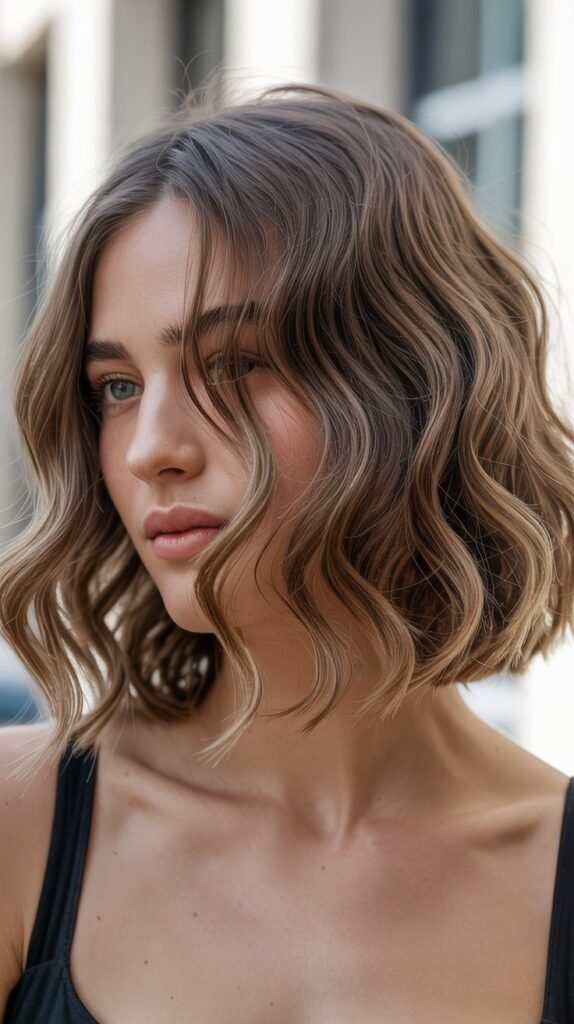
The wavy long bob transforms fine hair through the addition of bends and curves that create the appearance of substantial volume, texture, and dimension that straight fine hair simply cannot achieve.
Whether your waves are natural or created with styling tools, this variation of the long bob makes thin strands appear significantly fuller and more abundant.
Volume-Creating Benefits:
- Waves create space between hair strands, preventing them from lying flat against the scalp and clumping together as straight fine hair tends to do.
- The three-dimensional quality of waves catches light from multiple angles, creating depth and the illusion of more hair than actually exists.
- Natural movement in wavy hair disguises the thinness of individual strands and makes the overall style appear bouncy and full of life.
- Waves add height at the crown and throughout the length, counteracting the flat, limp appearance common with fine hair.
- This style works beautifully for both casual and formal occasions, offering versatility that straight fine hair often lacks.
Creating and Maintaining Waves:
- For natural waves, enhance them with a curl-defining cream applied to damp hair and scrunched while air-drying or diffusing.
- Create waves with a curling iron or wand using one-inch sections, alternating the direction of curls for a natural, undone appearance.
- A flat iron can also create waves by twisting the iron as you pull it through the hair, creating a more relaxed, subtle wave pattern.
- Set waves with a light-hold hairspray to maintain the style without weighing down fine hair or making it stiff and crunchy.
- Refresh second-day waves with a texture spray and re-scrunch sections that have fallen flat.
8. Sleek Straight Long Bob
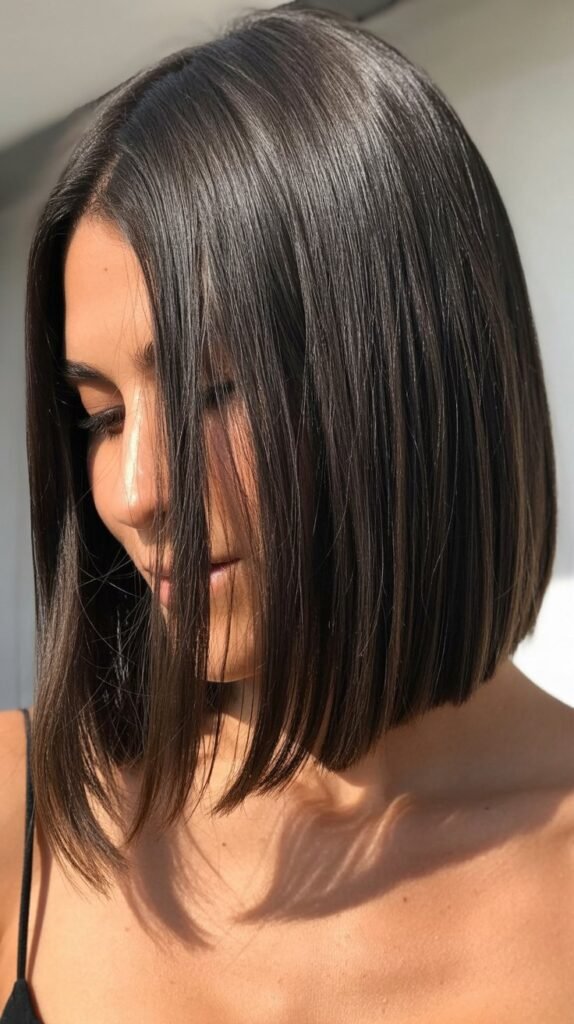
The sleek straight long bob represents polished sophistication and offers fine hair the opportunity to shine—literally—through a perfectly smooth, glossy finish that highlights the hair’s natural reflective qualities.
While it might seem counterintuitive to wear fine hair straight, the right cut and styling techniques can create a chic, intentional look rather than a limp, lifeless one.
Achieving the Look:
- The key to a successful sleek straight long bob on fine hair is a precise, blunt or slightly angled cut that creates a solid baseline.
- Professional-quality flat irons with ceramic or titanium plates create the smoothest finish while minimizing heat damage to delicate fine hair.
- Heat protectant spray is absolutely essential before any heat styling to prevent damage that can make fine hair appear even thinner.
- Shine-enhancing serums or oils should be used sparingly on the mid-lengths and ends only, avoiding the roots to prevent greasiness.
- Regular deep conditioning treatments help maintain the health and luster necessary for this style to look intentional rather than flat.
When This Style Works Best:
- Sleek straight long bobs are ideal for professional settings where polished, put-together appearance is important.
- This style works particularly well when the hair is freshly washed and in its healthiest condition.
- Those with naturally straight fine hair can achieve this look most easily with minimal styling time and effort.
- The sleek style showcases hair color beautifully, making it perfect for those who invest in professional coloring services.
9. Long Bob with Balayage
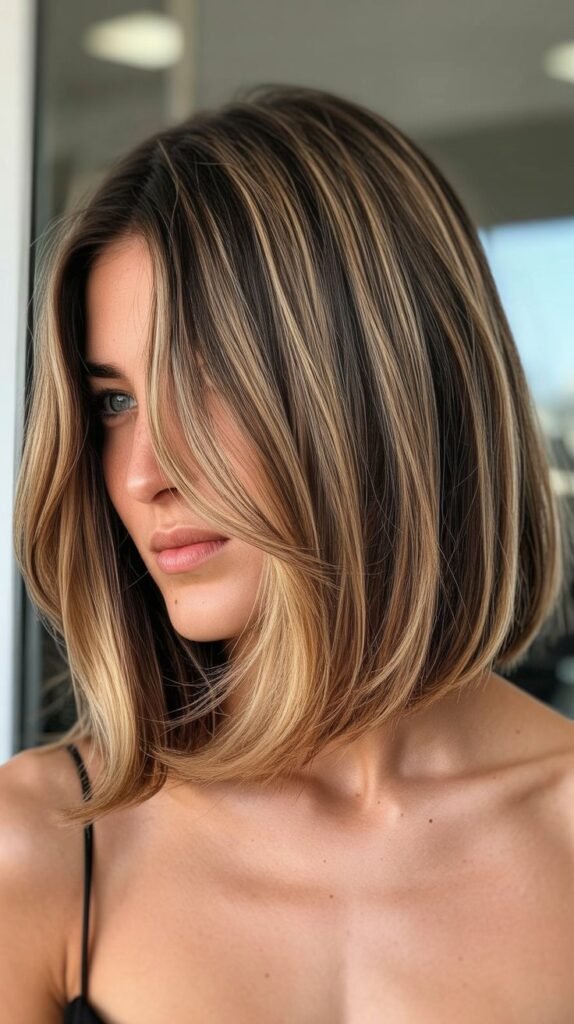
The long bob with balayage combines strategic cutting with expertly placed color to create maximum dimension, depth, and the illusion of fuller, thicker hair through the interplay of light and shadow.
Balayage, a hand-painted highlighting technique, adds visual interest to fine hair that can otherwise appear one-dimensional and flat.
Color Benefits for Fine Hair:
- Strategically placed lighter pieces create the optical illusion of depth and volume that fine hair naturally lacks.
- The dimension created by balayage prevents hair from looking flat and adds visual texture even when the hair is styled straight.
- Lighter pieces around the face brighten the complexion and draw attention to facial features rather than thin hair.
- The graduated, natural-looking color transition means less frequent touch-ups and less damage to already delicate fine hair.
- Balayage can be customized to any color preference, from subtle caramel highlights to bold blonde contrasts.
Complementing the Cut:
- The long bob provides the perfect canvas for balayage, as the length allows for proper color placement and blending.
- Face-framing highlights in a long bob draw the eye vertically, creating an elongating effect.
- The combination of layered cutting and dimensional color creates maximum movement and visual fullness.
- Wavy or textured styling showcases balayage most effectively, as the color catches light from multiple angles.
10. Asymmetrical Long Bob
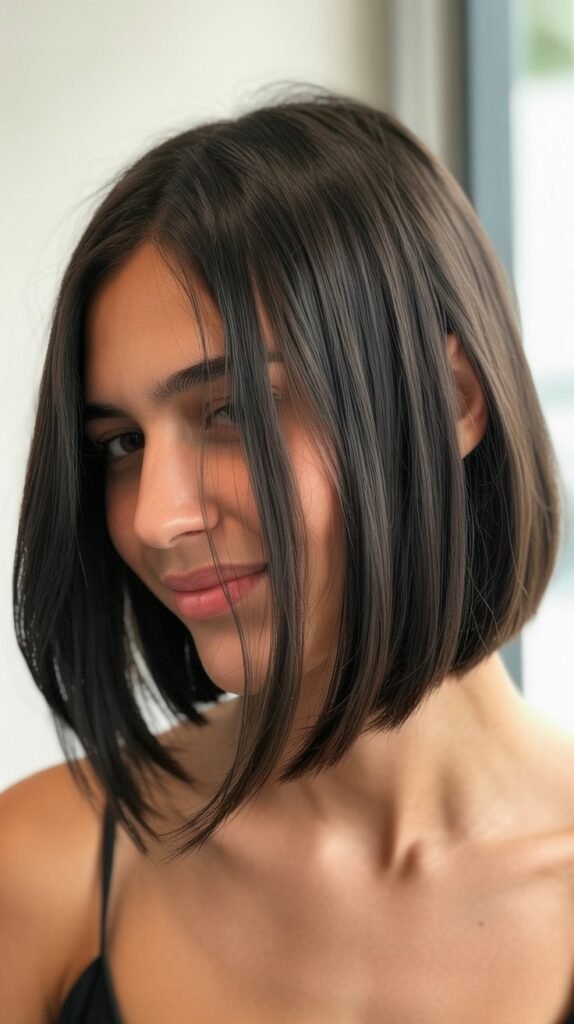
The asymmetrical long bob makes a bold statement through intentionally uneven lengths on either side of the head, creating a modern, artistic look that adds visual interest and volume to fine hair through its unexpected proportions.
This daring style typically features one side cut noticeably shorter than the other, creating a diagonal line across the head.
Design and Impact:
- The dramatic difference in length between sides immediately draws attention and creates the perception of abundance and style rather than thinness.
- One side is typically cut anywhere from chin to shoulder length, while the other may be several inches shorter, sometimes even above the ear.
- This asymmetry creates natural volume on the shorter side as hair doesn’t have as much weight pulling it down.
- The style can be parted on either the longer or shorter side, completely changing the look and allowing for styling versatility.
- Asymmetrical cuts make a fashion-forward statement that shifts focus away from hair texture and toward intentional style.
Styling Variations:
- The longer side can be worn tucked behind the ear for a dramatic reveal of the shorter side, showcasing the cut’s full impact.
- Wearing the longer side forward creates a mysterious, peek-a-boo effect that’s both playful and sophisticated.
- Adding texture or waves to the longer side enhances the drama while maintaining volume throughout.
- The shorter side can be styled sleek for contrast or textured to match the longer side’s styling.
11. Long Bob with Babylights
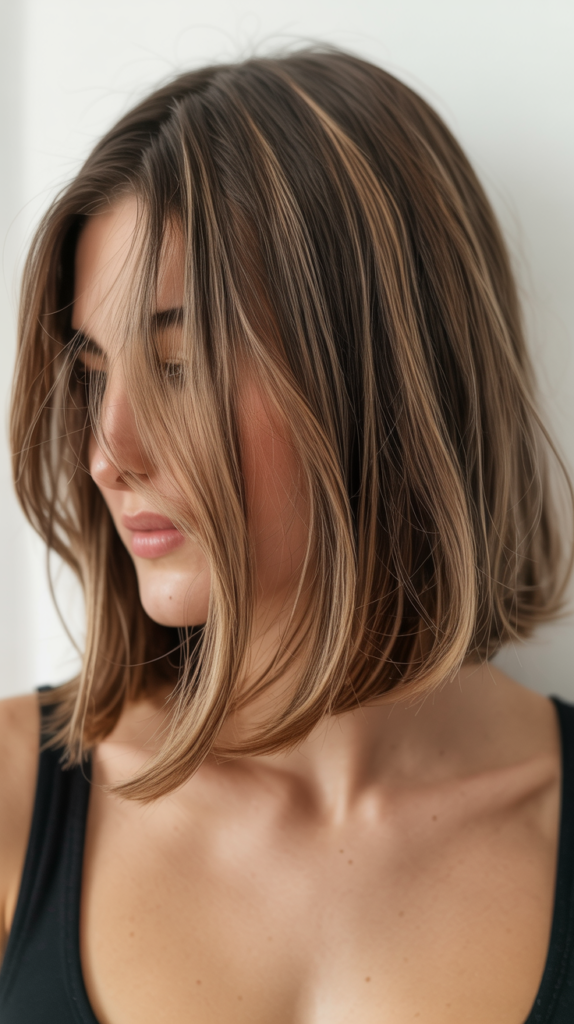
The long bob with babylights incorporates ultra-fine, delicate highlights that mimic the natural, sun-kissed dimension seen in children’s hair, creating a subtle yet impactful color enhancement that makes fine hair appear fuller and more textured.
Unlike traditional highlights, babylights are painted in very thin sections throughout the hair, creating a seamless, multi-dimensional effect.
Why Babylights Enhance Fine Hair:
- The ultra-fine highlights are perfectly proportioned to fine hair, as thicker highlights can overwhelm delicate strands and create an artificial appearance.
- Multiple thin highlights create countless points of light reflection, making the hair shimmer and appear to have more density and body.
- The subtle, natural-looking dimension prevents fine hair from appearing flat or one-dimensional without the harsh contrast of traditional highlights.
- Babylights blend so seamlessly that regrowth is far less noticeable, meaning less frequent salon visits and less chemical processing on delicate fine hair.
- This technique adds visual texture that makes fine hair appear to have more movement and life.
Application and Maintenance:
- Babylights are typically applied every 3-4 months rather than the 6-8 weeks required for traditional highlights, reducing chemical exposure.
- The technique works best when highlights are concentrated around the face and throughout the top layers where they’re most visible.
- Toning treatments can adjust the color while adding shine and condition to maintain the health of fine hair.
- Purple shampoo helps maintain cool-toned babylights and prevent brassiness between salon visits.
12. Shaggy Long Bob
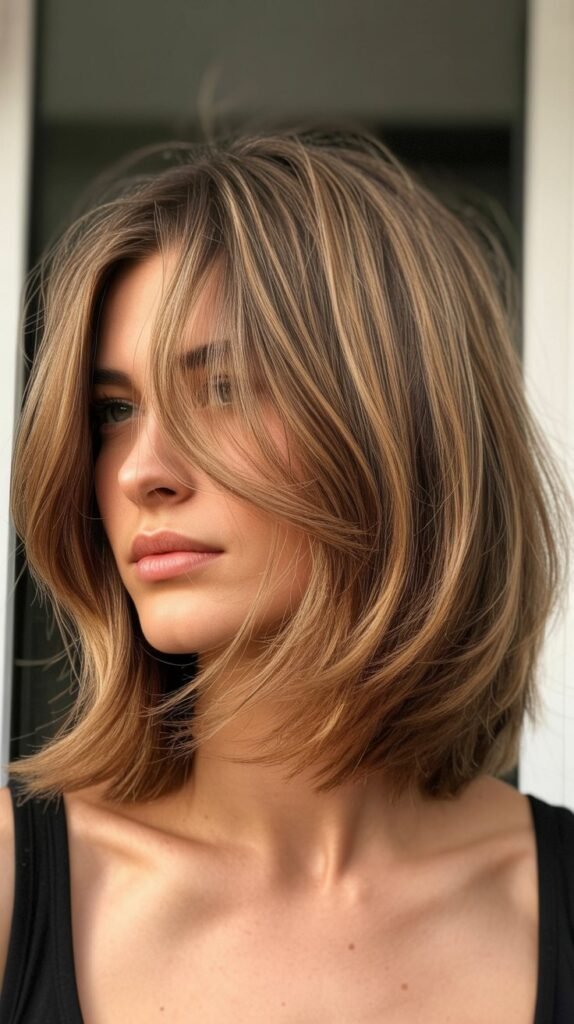
The shaggy long bob resurrects a retro favorite with modern updates, featuring choppy layers, textured ends, and deliberate messiness that creates incredible volume and movement for fine hair.
This rebellious, rock-and-roll inspired cut embraces imperfection and works specifically because of its ability to make thin hair appear intentionally piece-y rather than accidentally sparse.
Signature Elements:
- Multiple layers cut throughout the hair create maximum movement and prevent fine hair from falling flat against the head.
- Razor-cut or heavily point-cut ends create a feathered, piece-y texture that separates strands and adds visual volume.
- The “shaggy” appearance comes from deliberate disconnection between layers, creating gaps that add dimension and depth.
- Face-framing layers cut shorter around the face add width and fullness where fine hair typically appears thinnest.
- This style often incorporates bangs or fringe that blend seamlessly into the shorter face-framing layers.
Styling for Maximum Effect:
- The shaggy long bob looks best with minimal styling—over-polishing defeats the intentionally messy aesthetic.
- Texturizing products like dry shampoo, texture spray, or light pomade enhance the piece-y separation that creates volume.
- Blow-drying with fingers rather than a brush creates the tousled, undone texture that makes this cut work.
- Second or third-day hair often looks better than freshly washed hair, as natural oils help separate and define the layers.
13. Long Bob with Deep Side Part
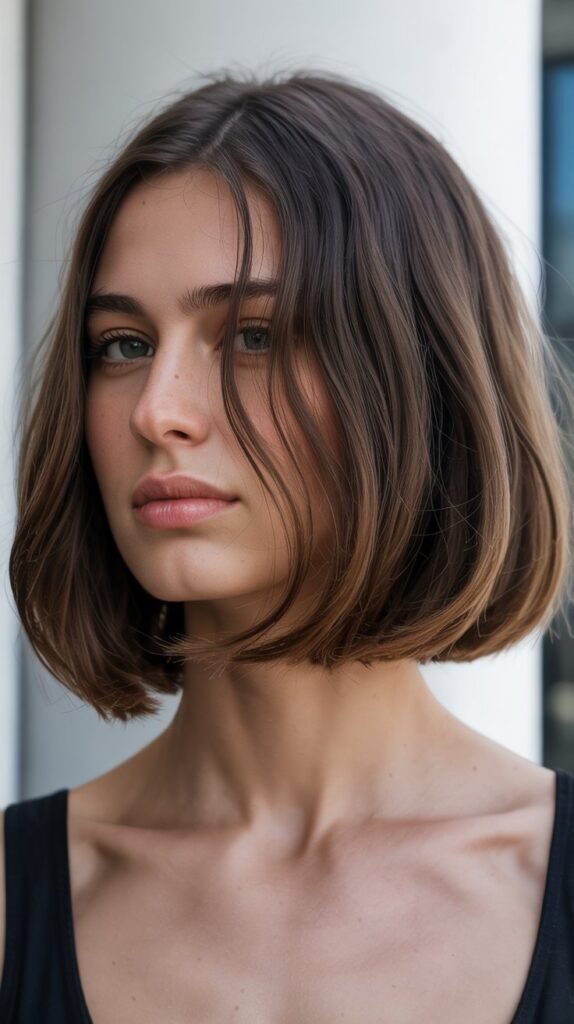
The long bob with deep side part utilizes one of the simplest yet most effective volume-creating techniques available for fine hair—changing the part placement to create lift and fullness at the roots.
A deep side part, positioned significantly off-center, allows hair to fall across the head with natural volume that a center or standard side part simply cannot achieve.
Volume-Creating Mechanics:
- When hair is parted deeply to one side, the weight of the hair falls across the head rather than straight down, creating automatic lift at the roots.
- The hair on the heavier side gains volume from being trained to fall in a direction contrary to its natural growth pattern.
- A deep side part creates height and drama on one side while allowing the other side to be tucked behind the ear for an asymmetrical effect.
- Fine hair that typically falls flat gets an instant volume boost from this simple styling change that requires no products or tools.
- The dramatic sweep of hair across the forehead and crown creates the illusion of thickness and abundance.
Creating and Maintaining the Part:
- Use the arch of your eyebrow as a guide—a deep side part typically begins at or just beyond this point.
- Create the part while hair is still damp for maximum hold and longevity throughout the day.
- Apply a volumizing product at the roots along the part line before blow-drying to set the direction and add lift.
- Training hair to hold a new part may take several days of consistent styling before it naturally falls into the new position.
14. Tousled Long Bob
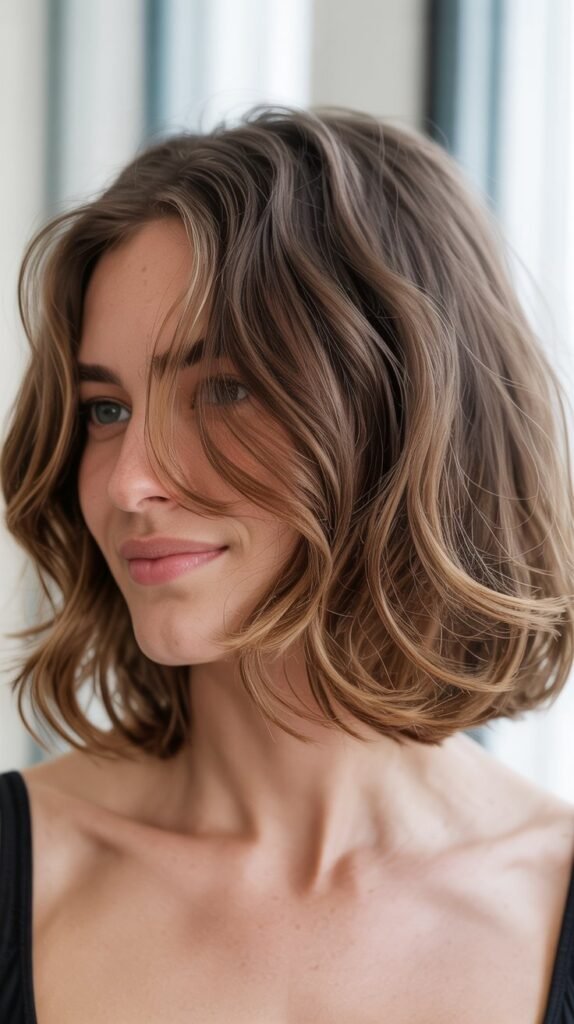
The tousled long bob embraces casual, effortless beauty through deliberately undone styling that creates the appearance of naturally thick, textured hair with plenty of movement and body.
This lived-in look is perfect for fine hair because the intentional messiness disguises thinness and creates volume through strategic texture and separation.
Characteristics:
- The tousled look features hair that appears naturally wind-blown and casually styled rather than perfectly placed and polished.
- Loose, undefined waves or bends create movement and prevent fine hair from lying flat or appearing stringy.
- Individual strands are separated and piece-y rather than clumped together, creating visual volume and fullness.
- This style works equally well for day-to-day wear and can be dressed up for evening events with the right accessories.
- The low-maintenance appearance actually masks the strategic styling required to achieve the perfect level of tousled texture.
Achieving the Tousled Look:
- Start with damp hair and apply a sea salt spray or texturizing mousse from roots to ends for grip and volume.
- Blow-dry hair using your fingers to scrunch and lift rather than a brush that would smooth and flatten.
- Use a curling wand or flat iron to create random, loose bends throughout the hair in varying directions for natural-looking texture.
- Break up any defined curls or waves by running your fingers through the hair and gently pulling apart sections.
- Finish with a texturizing or dry shampoo spray to add grit and separation that keeps fine hair from falling flat.
- Tip your head upside down and scrunch hair at the roots to add final volume before setting with light hairspray.
15. Long Bob with Micro Bangs
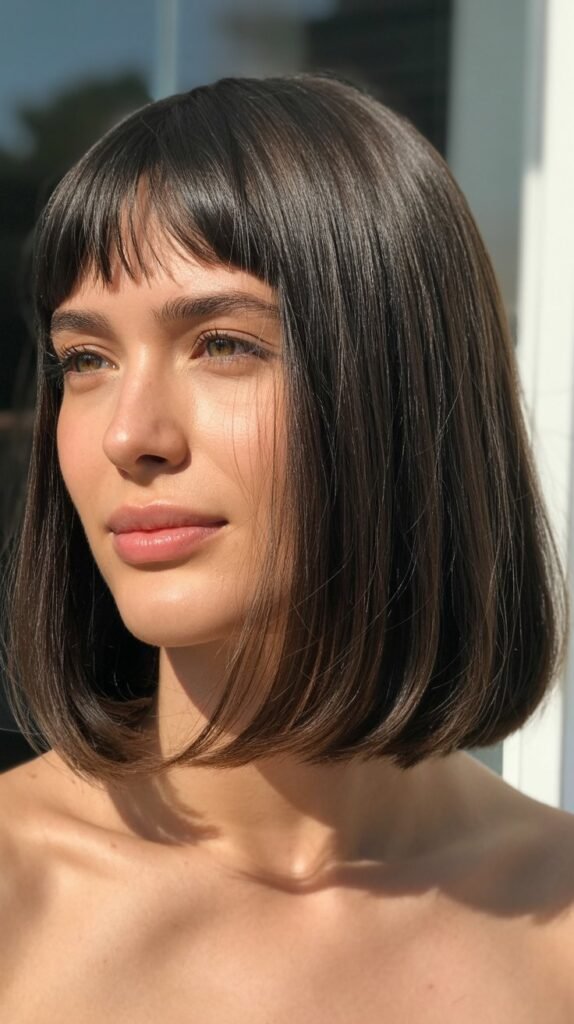
The long bob with micro bangs creates an ultra-modern, fashion-forward look that pairs the classic bob silhouette with daringly short, eyebrow-skimming or above-the-brow bangs that draw all attention to the eyes and face.
While unconventional, this bold style can work surprisingly well for fine hair by creating a statement that shifts focus away from hair texture and toward intentional style.
Why This Bold Choice Works:
- Micro bangs create such a strong focal point that hair texture becomes secondary to the overall dramatic impact of the style.
- The short fringe adds width and fullness across the forehead area, balancing the longer bob length.
- This style makes a confident fashion statement that communicates intentional style rather than struggling with fine hair.
- The contrast between ultra-short bangs and longer bob length creates visual interest and dimension.
- Micro bangs work particularly well with the blunt-cut bob, as both feature strong, precise lines that complement each other.
Considerations:
- This is a high-commitment style that requires frequent trims every 2-3 weeks to maintain the micro length.
- Micro bangs work best for those with strong, defined facial features as they draw intense focus to the face.
- This style requires confidence and a willingness to embrace an unconventional, avant-garde aesthetic.
- Growing out micro bangs is a lengthy process that may require transitioning through awkward lengths.
16. Flipped-Out Long Bob
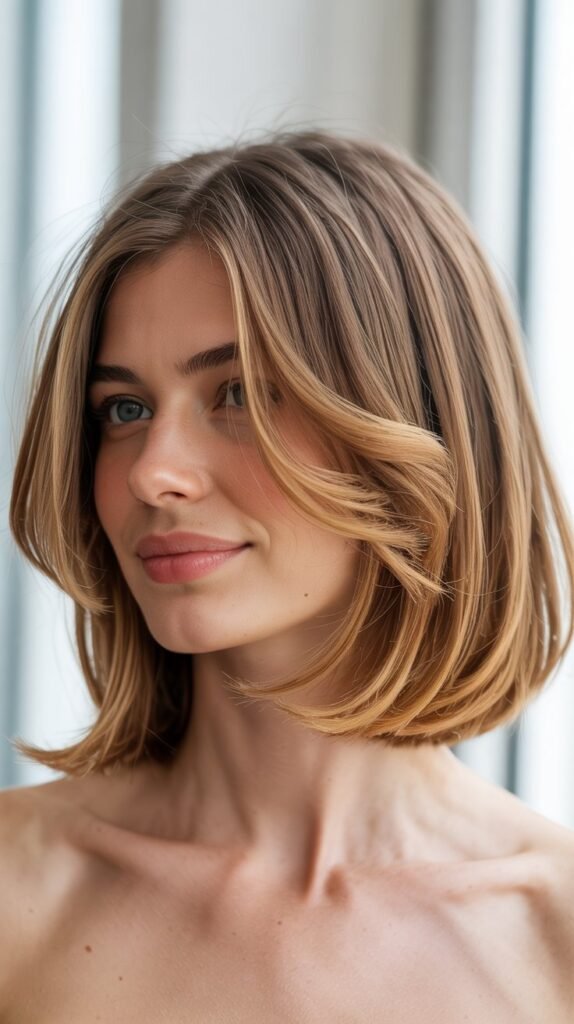
The flipped-out long bob channels retro glamour while creating instant volume for fine hair through ends that are styled to curl outward and away from the face rather than under.
This playful, bouncy style adds width and fullness to the bottom of the bob while creating a lifted, voluminous silhouette that fine hair naturally lacks.
Volume Benefits:
- Flipped-out ends create horizontal width that makes the entire hairstyle appear fuller and more voluminous from all angles.
- The outward curl at the ends prevents fine hair from lying flat or appearing limp and lifeless.
- This style creates a lifted, buoyant appearance that gives fine hair a healthy, bouncy quality.
- The flipped ends add movement and dimension that draws the eye and creates visual interest.
- This retro-inspired look feels fresh and modern when paired with current makeup and fashion trends.
Creating the Flip:
- Use a medium or large round brush while blow-drying, rolling the ends outward and away from the face as you apply heat.
- A flat iron or curling iron can also create flipped ends by rolling the ends outward and holding for a few seconds.
- Set the flipped ends with hairspray while still warm to help them hold the outward curl throughout the day.
- For extra volume, apply a volumizing mousse to damp hair before styling and use a root-lifting spray at the crown.
17. Long Bob with Graduated Layers
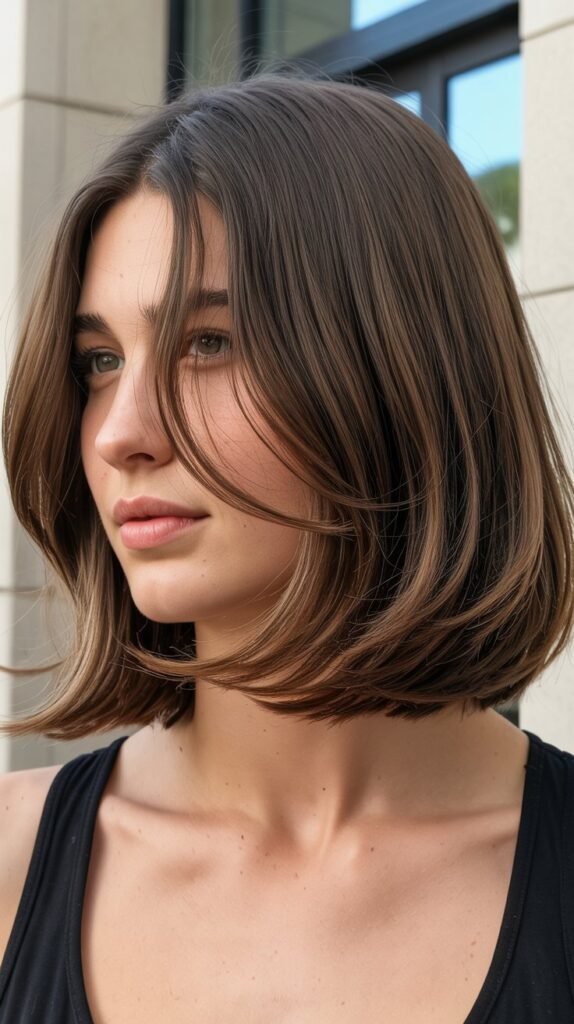
The long bob with graduated layers incorporates a specific layering technique where hair is cut at gradually increasing angles from back to front, creating a stacked effect that adds tremendous volume and movement to fine hair.
Unlike standard layers that are cut horizontally, graduated layers are cut at an angle, creating shorter layers underneath that support and lift the longer layers on top.
Technical Benefits:
- The graduated cutting technique removes weight from underneath the hair, allowing fine hair to lift and move more freely rather than being weighed down.
- Shorter layers underneath create a foundation that props up the longer layers, generating natural volume without backcombing or products.
- This stacked effect is most noticeable at the back of the head, where fine hair typically falls flattest against the skull.
- The gradual transition from short to long layers creates a smooth, blended appearance rather than choppy or disconnected sections.
- Fine hair gains both volume and movement from this cut, as the graduated layers allow hair to bounce and sway with natural body.
Maintenance:
- Graduated layers maintain their shape well between cuts but should be trimmed every 6-8 weeks to prevent the layers from growing out unevenly.
- This cut is ideal for those who style their hair regularly, as it responds beautifully to blow-drying and achieves maximum volume with minimal effort.
- The graduated layers can be styled smooth and sleek or textured and wavy depending on preference and occasion.
18. Piece-y Long Bob
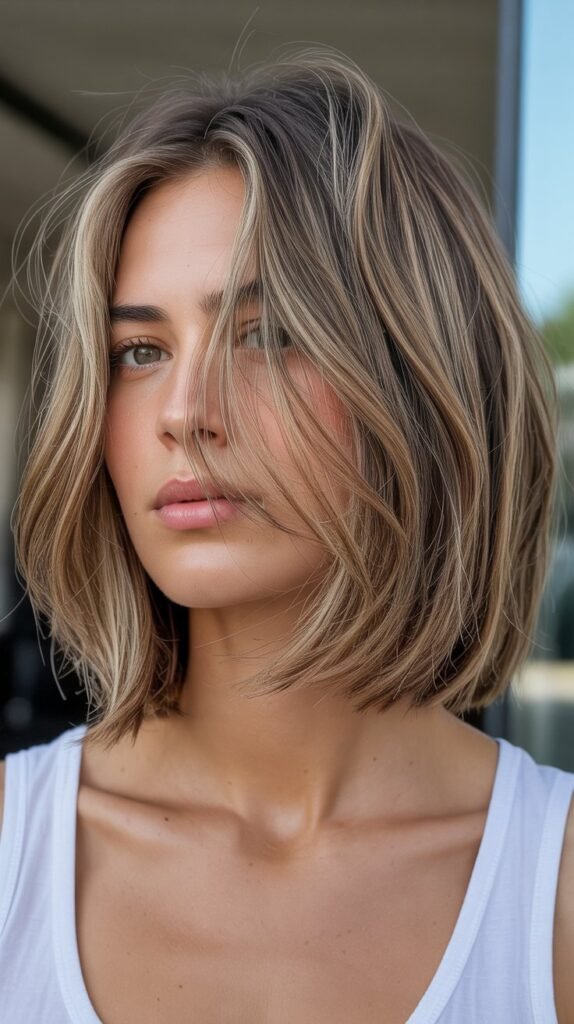
The piece-y long bob features hair that is deliberately separated into distinct strands and sections rather than smoothed together, creating a textured, modern look that makes fine hair appear thicker and more abundant.
This style relies on strategic product application and styling techniques that define individual pieces of hair, preventing the clumping and flatness that can make fine hair look sparse.
Creating Definition:
- The piece-y effect is achieved through texturizing products that add grit and separation to fine hair strands.
- Cutting techniques including point-cutting and notching create varied lengths that naturally separate into distinct pieces.
- Individual sections of hair are defined rather than blended together, creating visual volume through separation and space between strands.
- This style works exceptionally well with slightly wavy or bent fine hair, as the texture enhances the piece-y effect.
- The separated strands catch light from multiple angles, creating dimension and the illusion of more hair than actually exists.
Styling Process:
- Apply a texturizing or molding paste to dry or nearly dry hair, working it through from mid-lengths to ends.
- Use your fingers to separate and define individual pieces, twisting small sections to create definition and texture.
- A lightweight pomade or wax can define ends and create separation without weighing down fine hair.
- Avoid brushing or combing through the piece-y style, as this will blend the sections back together and eliminate the volume-creating separation.
19. Long Bob with Root Lift
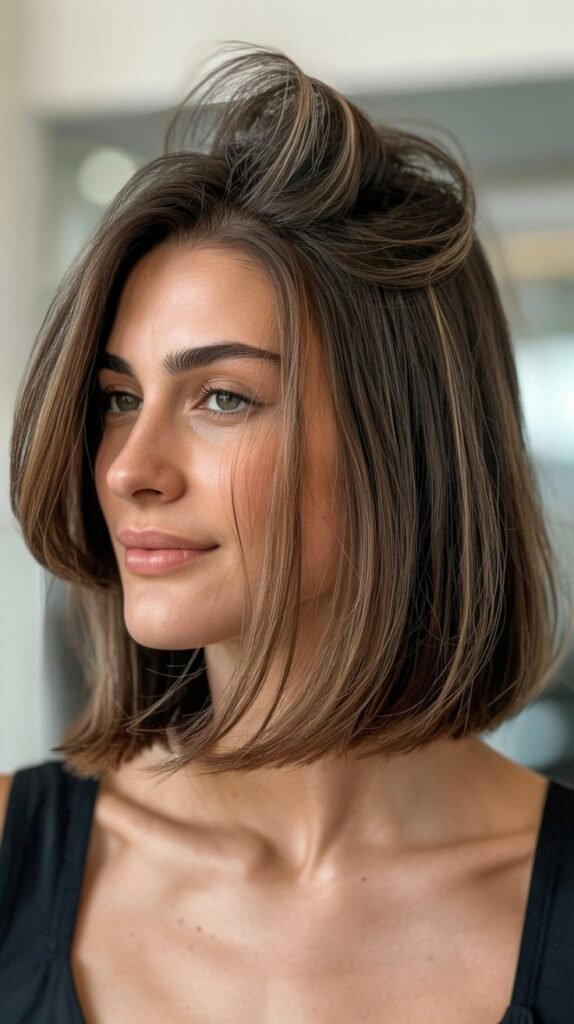
The long bob with root lift focuses on the critical area where fine hair most often falls short—the roots and crown—by incorporating cutting and styling techniques specifically designed to create lift and volume at the scalp.
This approach recognizes that even the best long bob will appear limp and lifeless if the roots lie flat against the head.
Root-Lifting Techniques:
- Layering that starts at the crown rather than mid-length removes weight from the root area, allowing hair to stand up rather than be pulled down.
- Strategic blow-drying using a round brush or diffuser directed at the roots while hair is lifted away from the scalp creates lasting volume.
- Root-lifting products including mousses, sprays, and volumizing powders are applied directly to the scalp and roots before drying.
- The direction of blow-drying matters—lift hair straight up or in the opposite direction of its natural fall for maximum volume.
- Velcro rollers placed at the crown while hair cools after blow-drying can set root volume that lasts all day.
Product Recommendations:
- Volumizing mousse applied to damp roots provides hold and lift that survives throughout the day without crunchiness.
- Root-lifting sprays contain polymers that stiffen at the base, creating lift while leaving the rest of the hair soft and moveable.
- Dry shampoo or volumizing powder applied at the roots absorbs oil and creates gritty texture that prevents fine hair from falling flat.
20. Long Bob with Lowlights
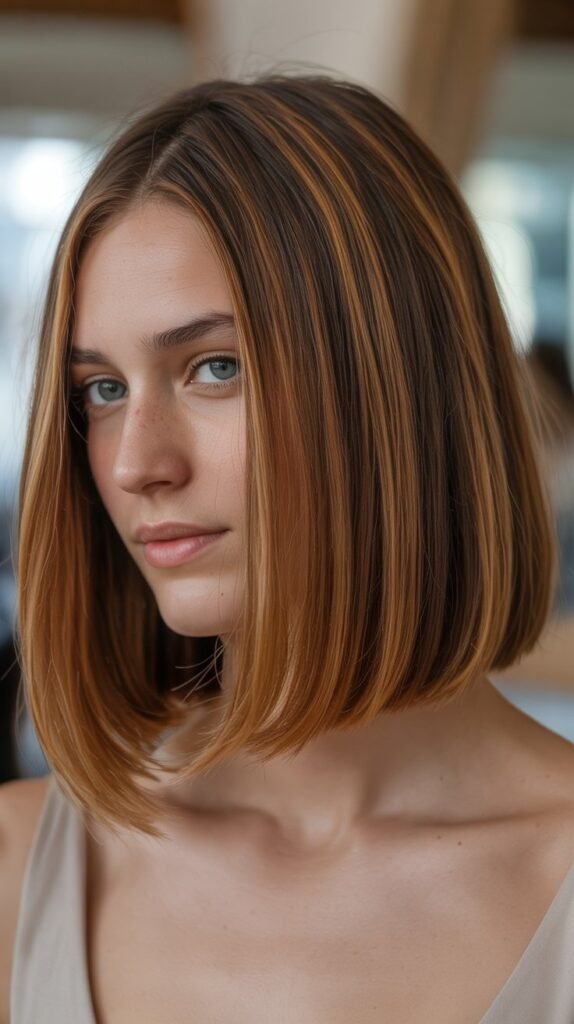
The long bob with lowlights incorporates darker tones strategically placed throughout the hair to create depth, dimension, and the illusion of thickness through the interplay of shadow and light.
While highlights are more commonly discussed, lowlights are equally important for fine hair as they create the shadows necessary to make highlights pop and add visual texture.
How Lowlights Enhance Fine Hair:
- Darker sections create depth and shadow that make hair appear three-dimensional rather than flat and one-toned.
- The contrast between lowlights and natural or highlighted hair creates visual texture that fine hair naturally lacks.
- Strategic placement of lowlights can add the appearance of density in areas where fine hair appears thinnest.
- Lowlights add richness and dimension to color-treated hair while being less damaging than additional highlighting.
- The combination of highlights and lowlights creates maximum dimension and makes fine hair appear substantially fuller.
Color Strategy:
- Lowlights should be 2-3 shades darker than the base color for subtle dimension or up to 4-5 shades for dramatic contrast.
- Place lowlights underneath layers and throughout the interior of the hair, allowing highlights to remain on the surface where they catch light.
- For blondes, adding caramel or honey-toned lowlights creates warmth and dimension without going too dark.
- Brunettes can add chocolate or espresso lowlights that blend naturally while creating depth.
21. Tucked Long Bob
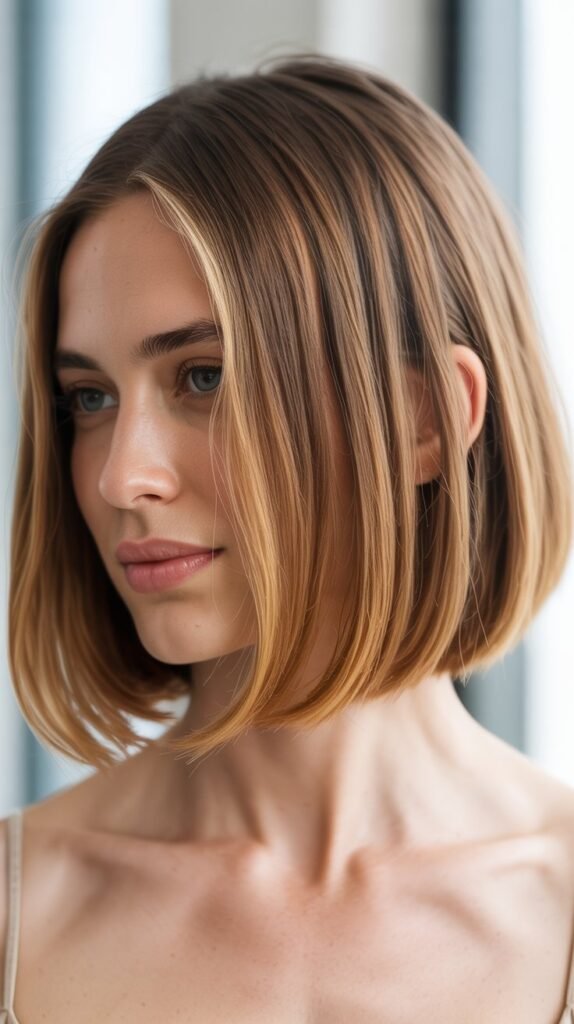
The tucked long bob style offers a versatile way to wear the classic cut by tucking one or both sides behind the ears, creating an elegant, asymmetrical look that showcases the face while adding visual interest and volume through the tucked styling.
This simple styling variation transforms the long bob from a standard cut into a dynamic, face-framing style that works particularly well for fine hair by creating height and fullness on the untucked side.
Styling Advantages:
- Tucking one side behind the ear creates instant asymmetry that draws attention and makes fine hair appear intentionally styled rather than accidentally thin.
- The untucked side gains automatic volume as all the hair falls to one side, creating the appearance of much thicker, fuller hair.
- This style beautifully showcases earrings and highlights the jawline and cheekbone on the tucked side.
- The tucked look can be adjusted throughout the day, providing styling versatility without heat tools or products.
- Fine hair benefits from the weight distribution, as having all hair on one side creates natural lift at the crown.
Creating the Look:
- For maximum impact, create a deep side part before tucking the lighter side behind the ear.
- Use a small amount of styling product or a light hairspray to keep the tucked section in place throughout the day.
- Bobby pins or small hair clips in matching colors can secure the tucked section while remaining virtually invisible.
- The untucked side can be styled straight, wavy, or curled depending on the desired level of formality and drama.
- Alternate which side is tucked for variety and to prevent hair from permanently conforming to one direction.
22. Long Bob with Face-Framing Layers
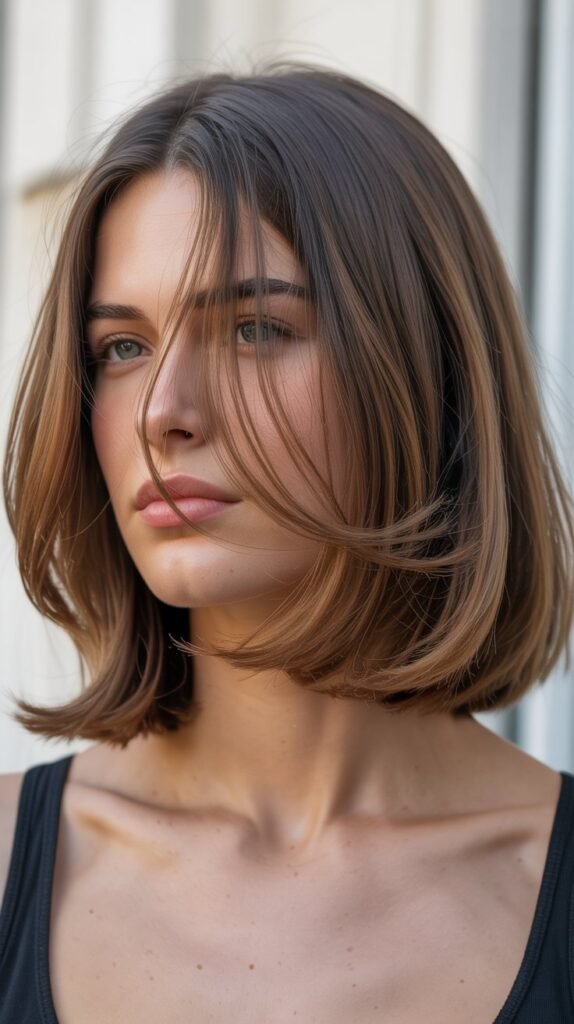
The long bob with face-framing layers incorporates shorter pieces cut specifically around the face and cheekbones, creating a flattering, dimension-adding effect that draws attention to facial features while providing additional fullness where fine hair appears most sparse.
These strategic layers start near the cheekbones or chin and gradually blend into the longer bob length.
Why Face-Framing Layers Matter:
- The shorter layers around the face create width and fullness in the area most visible when looking at someone head-on.
- These layers draw the eye toward the face rather than the hair, shifting focus away from fine texture and toward facial features.
- Face-framing pieces add movement and dimension that makes the entire style appear more dynamic and voluminous.
- The graduated length from short to long creates natural shadows and highlights that enhance the three-dimensional appearance of fine hair.
- These layers can be styled in multiple ways—straight for sleekness, wavy for softness, or curled for maximum volume.
Customization Options:
- The starting point of face-framing layers can be adjusted based on face shape—higher for round faces, lower for longer faces.
- The degree of layering can range from subtle and blended to dramatic and choppy depending on personal style preferences.
- Face-framing layers work beautifully with color placement, as lighter pieces in these sections brighten the complexion.
- These layers can incorporate bangs or fringe that seamlessly blend into the face-framing sections.
23. Curled Long Bob
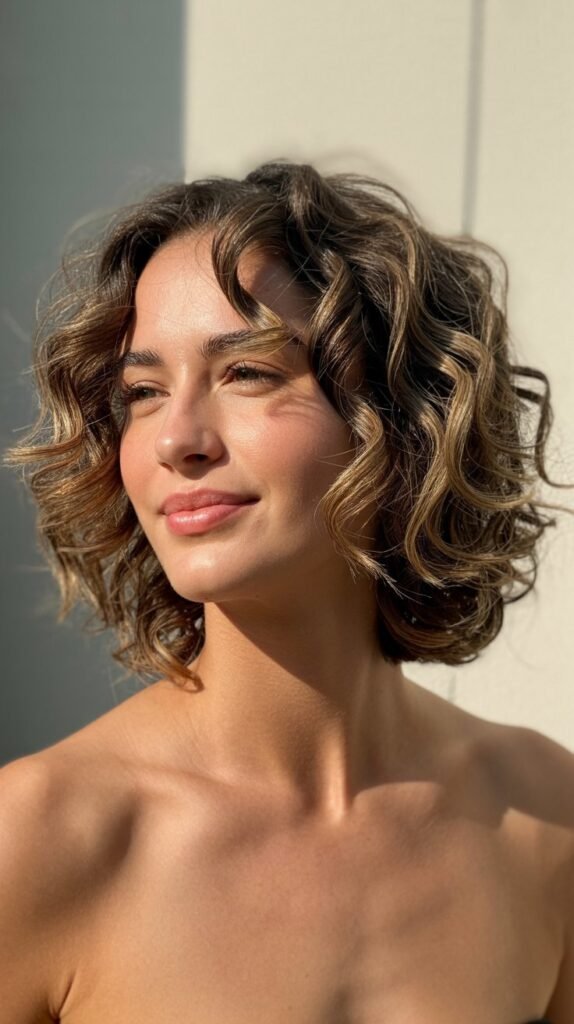
The curled long bob transforms fine hair through structured curls that create maximum volume, bounce, and a polished, formal appearance suitable for special occasions or when you want to elevate your everyday style.
Unlike loose waves, defined curls add substantial height and fullness that can make fine hair appear twice as thick and abundant.
Curl Benefits for Fine Hair:
- Structured curls create significant lift and volume from roots to ends, addressing the flat, limp appearance common with fine hair.
- The spiral shape of curls adds length to each strand, creating height and fullness throughout the style.
- Curls prevent fine hair strands from lying flat or clumping together, as each curl maintains its own defined shape and space.
- The three-dimensional quality of curls catches light from every angle, creating shine and the illusion of depth and thickness.
- Properly set curls can last throughout the day or evening, providing long-lasting volume without constant touch-ups.
Creating Long-Lasting Curls:
- Start with clean, dry hair and apply a heat protectant followed by a volumizing mousse for hold and body.
- Use a curling iron or wand with a barrel size between 1 to 1.5 inches for curls that are proportional to fine hair.
- Curl small sections of hair, wrapping each section around the barrel and holding for 8-10 seconds for lasting definition.
- Allow curls to cool completely in their coiled shape before releasing them—pin them up if needed to maintain the spiral as they cool.
- Once all curls have cooled, gently separate them with your fingers or a wide-tooth comb for soft, voluminous styling.
- Set the entire style with a medium to strong-hold hairspray to maintain the curls throughout the day.
24. Long Bob with Undercut
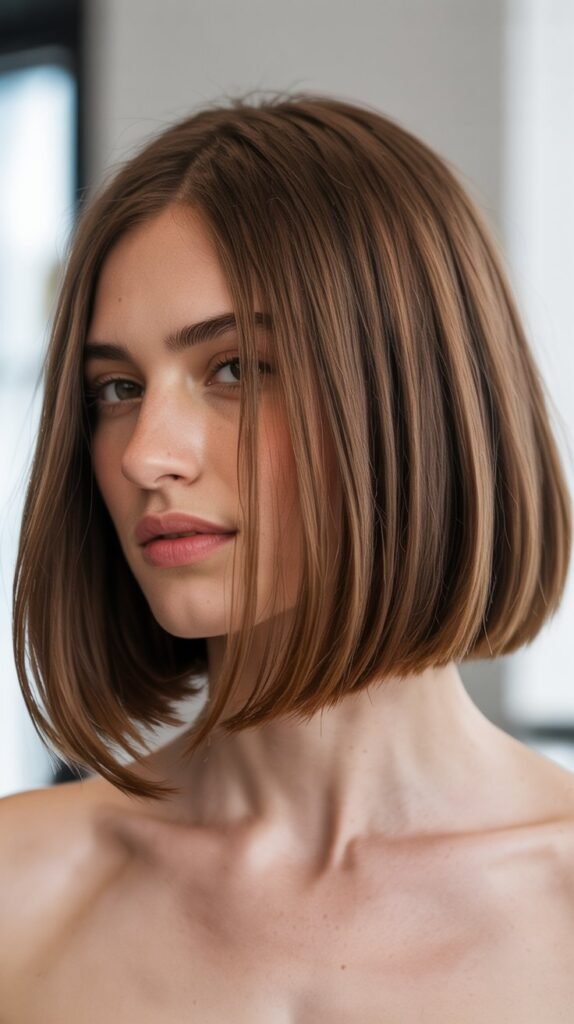
The long bob with undercut represents an edgy, modern approach that combines the feminine bob length with a rebellious shaved or closely cropped underside, creating a style that reduces bulk, adds versatility, and makes a bold fashion statement.
While unconventional, this style can benefit fine hair by removing weight and creating opportunities for dramatic styling reveals.
Design Features:
- The undercut section is typically located at the nape of the neck or along the sides, shaved or cut very short with clippers.
- The longer bob length on top covers the undercut when worn down, creating a secret element that can be revealed when hair is styled up or tucked.
- This style removes significant weight from fine hair, allowing the top layers to lift and move more freely without being pulled down.
- The contrast between the shaved undercut and longer top sections creates visual interest and dimension.
- Undercuts can be subtle and hidden or bold and extensive depending on personal style and professional requirements.
Styling Versatility:
- When worn down, the long bob appears relatively conventional while hiding the edgy undercut underneath.
- Pulling hair up into a ponytail or bun reveals the undercut design, creating a dramatically different appearance.
- The undercut section can incorporate designs, patterns, or colored sections for additional artistic expression.
- This style requires minimal styling time as the undercut section needs no attention and the top can be styled quickly.
- The undercut keeps the neck cool and comfortable, making it practical as well as stylish.
25. Voluminous Blown-Out Long Bob
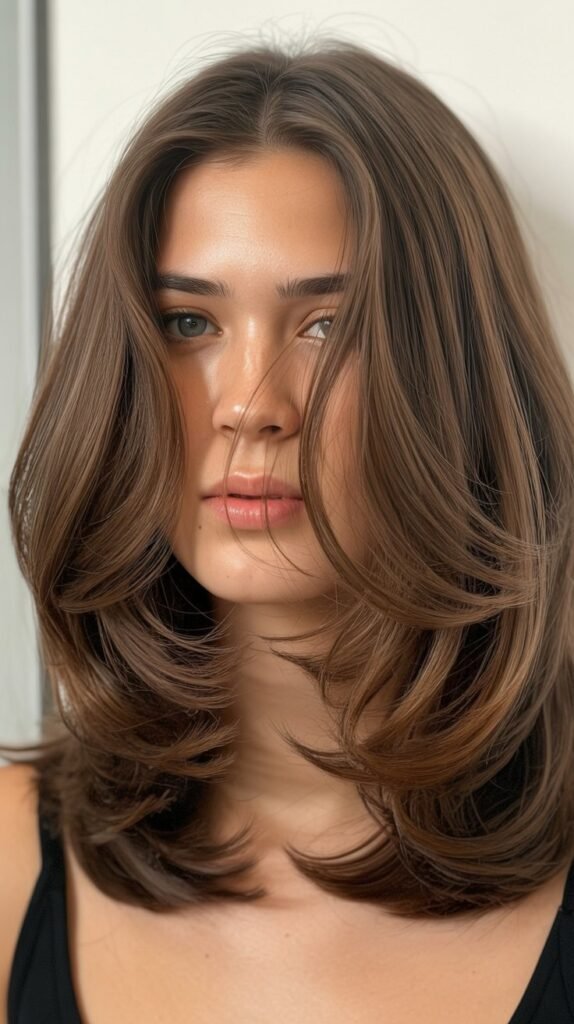
The voluminous blown-out long bob focuses on professional blow-drying techniques that transform fine hair into a full, bouncy, salon-worthy style with maximum volume, movement, and polish.
This styling approach treats the long bob as a canvas for creating the appearance of thick, abundant hair through expert heat styling and product application.
Professional Blow-Dry Technique:
- The process begins with applying multiple volumizing products to damp hair, including root lifter, volumizing mousse, and heat protectant.
- Hair is sectioned into manageable pieces, with each section blown dry separately using a round brush for maximum control and lift.
- The round brush is rolled at the roots and directed upward while heat is applied, creating lift that starts at the scalp.
- Each section is dried completely before moving to the next, as partially dried hair will fall flat and lose volume.
- The cool shot button on the dryer is used on each section after heat styling to set the volume and shape.
- Focus extra attention on the crown area, over-directing hair upward and away from the head for maximum height.
Finishing Touches:
- Once fully dry, hair can be lightly back-combed at the crown for additional height if needed.
- A light finishing spray provides hold without stiffness, maintaining the soft, touchable quality of the blow-out.
- The ends can be curled slightly under with the round brush for a polished finish or flipped out for a retro vibe.
- Use your fingers to gently separate and arrange hair for a natural-looking finish that doesn’t appear overworked.
26. Long Bob with Piecey Bangs
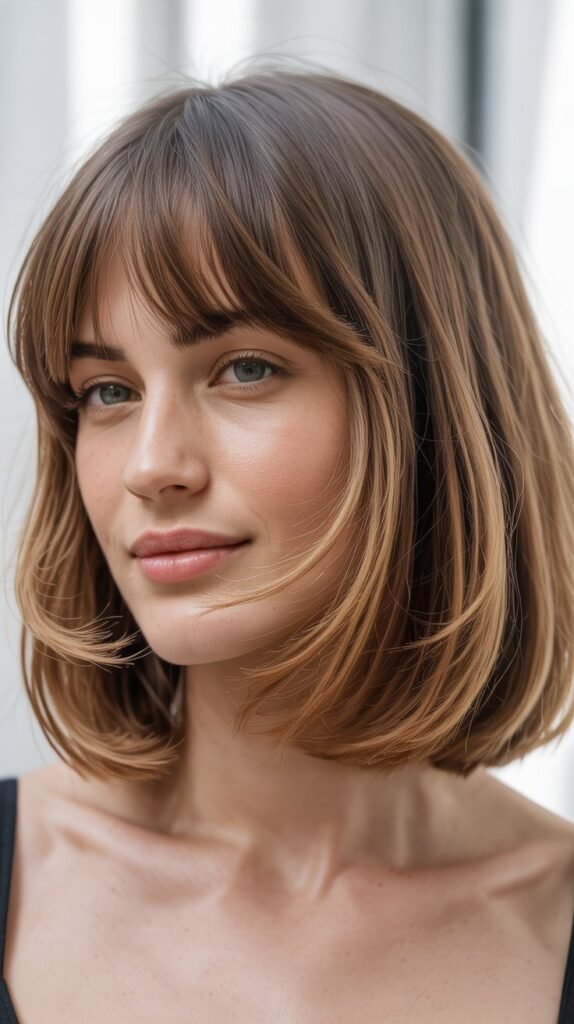
The long bob with piecey bangs combines the classic bob silhouette with textured, separated fringe that adds dimension, frames the face, and creates the illusion of fuller hair through strategic layering around the forehead and face.
Unlike blunt bangs that can look heavy on fine hair, piecey bangs are intentionally separated and textured for a modern, effortless appearance.
Characteristics:
- Piecey bangs are cut with point-cutting or notching techniques that create separation and prevent a solid, heavy line across the forehead.
- The individual strands or “pieces” of the bangs are visible and distinct rather than blended together into a uniform fringe.
- This textured approach prevents fine hair bangs from looking sparse or stringy, as the piece-y separation appears intentional rather than accidental.
- The bangs can vary in length from brow-skimming to just above the eyes, depending on preference and face shape.
- The piece-y texture creates movement and dimension that makes fine hair appear more abundant and styled.
Styling Piecey Bangs:
- Apply a small amount of texturizing paste or pomade to the fingertips and separate individual pieces of the bangs.
- Blow-dry bangs with your fingers rather than a brush, directing them in slightly different directions for a natural, piece-y effect.
- A flat iron can be used to create slight bends or texture in individual pieces for added dimension.
- Avoid over-washing bangs, as second-day texture often enhances the piece-y separation naturally.
- Use dry shampoo or texture spray to refresh and re-separate piecey bangs throughout the day.
27. Long Bob with Razored Ends
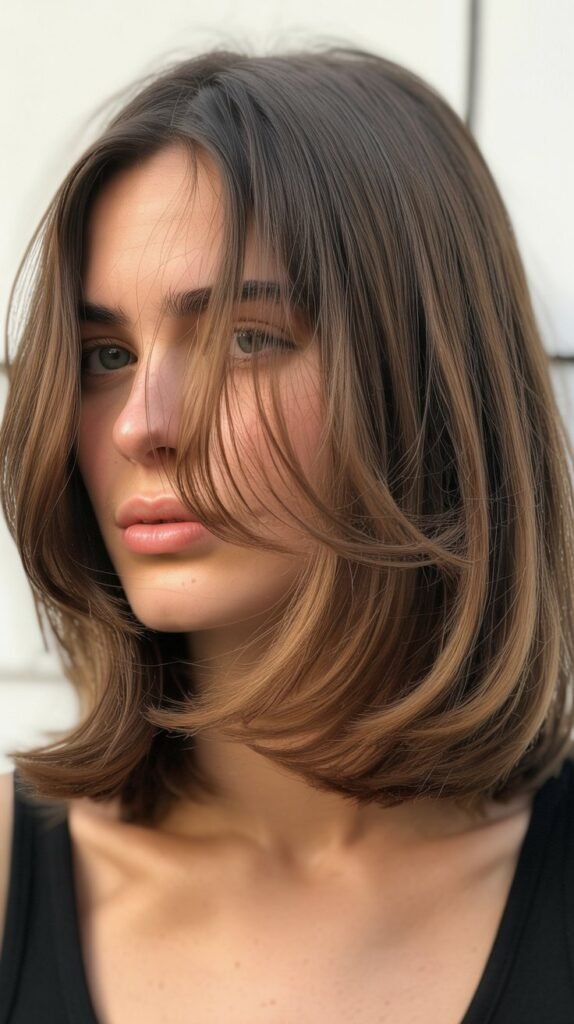
The long bob with razored ends utilizes a specific cutting technique where a razor blade rather than scissors creates the bottom line and layers, resulting in soft, feathered, textured ends that add movement and dimension to fine hair.
This cutting method creates a wispy, delicate finish that prevents the blunt heaviness that can weigh down fine strands.
Razor-Cutting Benefits:
- The razor creates a tapered, feathered effect on each strand rather than a blunt cut line, allowing hair to move more freely and naturally.
- This technique removes weight from the ends without creating the choppy, disconnected appearance of heavy point-cutting.
- Razored ends have a soft, feminine quality that blends beautifully and creates seamless transitions between layers.
- Fine hair benefits from the lightness and movement created by razor cutting, as it prevents ends from appearing too thick or heavy.
- The textured ends catch and reflect light differently than blunt ends, creating visual interest and dimension.
Maintenance Considerations:
- Razored ends require more frequent trims than blunt cuts, typically every 5-7 weeks, to prevent a straggly appearance.
- This cutting technique works best on hair that is in good condition, as damaged fine hair can appear even more fragile when razored.
- Deep conditioning treatments help maintain the health of razored ends and prevent excessive splitting or fraying.
- Styling with heat protectant is essential to prevent the delicate razored ends from becoming damaged.
28. Braided or Twisted Long Bob Accent
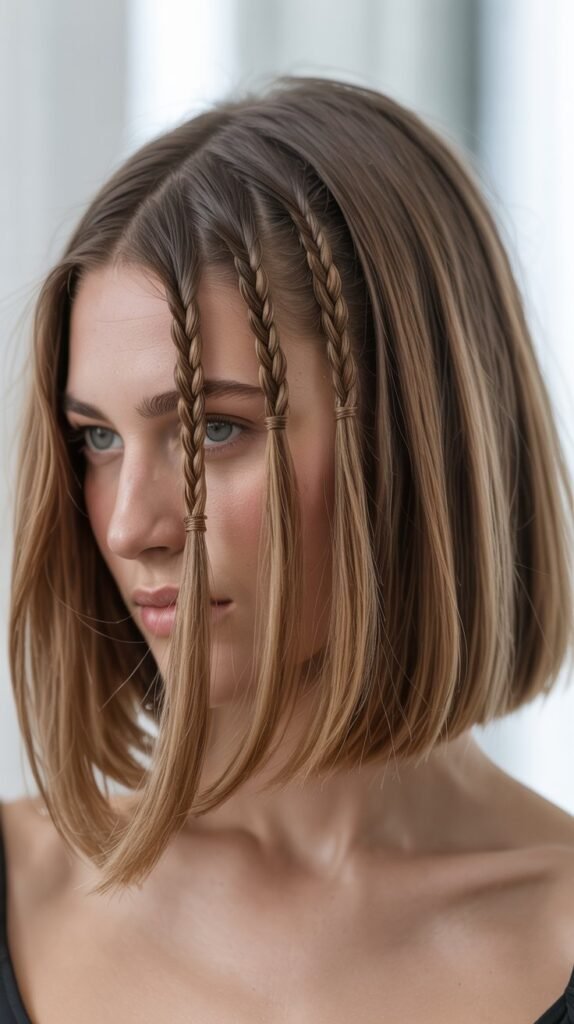
The braided or twisted long bob accent incorporates small braids, twists, or intricate details within the classic bob structure, adding visual interest, texture, and a bohemian or romantic touch that distracts from fine hair texture while creating the appearance of fullness through added dimension.
These accents can be subtle or statement-making depending on placement and styling.
Braid and Twist Options:
- Small accent braids can be placed along the side of the head, creating a headband effect that keeps hair off the face while adding detail.
- Dutch or French braids incorporated into the crown area create height and texture that makes fine hair appear fuller at the roots.
- Rope twists or simple two-strand twists can be woven into loose sections for a romantic, ethereal appearance.
- Multiple tiny braids scattered throughout the style add bohemian texture and prevent fine hair from appearing flat.
- Braided or twisted sections can incorporate ribbons, beads, or small accessories for additional visual interest.
Styling Applications:
- Braids and twists work particularly well on second or third-day hair when natural oils provide grip and texture.
- These accents can disguise roots that need touching up or areas where fine hair appears particularly thin.
- The three-dimensional quality of braids and twists creates shadows and depth that make overall hair appear thicker.
- This styling approach works beautifully for casual daytime looks or can be elevated for formal events with additional accessories.
- Braids and twists can be incorporated into updos or half-up styles while maintaining the bob length when hair is down.
Creating Lasting Braids:
- Start with textured hair that has some grip—apply dry shampoo or texture spray if hair is freshly washed and slippery.
- Keep braids and twists relatively loose to create volume and prevent fine hair from being pulled too tightly and looking sparse.
- Secure ends with small, clear elastic bands that won’t be visible or distract from the overall style.
- Set braids with a light mist of hairspray to help them maintain their shape throughout the day.
- Gently pull and loosen sections of braids for a fuller, more voluminous appearance.
Expert Tips for Maintaining Fine Hair with a Long Bob
Product Selection:
- Choose lightweight, volumizing formulas specifically designed for fine hair that won’t weigh down strands or cause buildup.
- Avoid heavy oils, thick creams, and silicone-rich products that can make fine hair appear greasy and flat.
- Invest in a quality dry shampoo to extend time between washes and add root volume without water.
- Use clarifying shampoo once every 2-3 weeks to remove product buildup that can make fine hair appear even thinner.
Washing and Care:
- Wash hair every 2-3 days rather than daily to prevent stripping natural oils that provide body and texture.
- Focus shampoo on the scalp and roots only, allowing the suds to cleanse the lengths as you rinse.
- Apply conditioner only to the mid-lengths and ends, avoiding the roots to prevent weighing down fine hair.
- Use cool or lukewarm water for the final rinse to seal the cuticle and enhance shine.
Heat Styling Protection:
- Always apply heat protectant before using any hot tools to prevent damage that makes fine hair appear even thinner.
- Use the lowest effective temperature on styling tools—fine hair requires less heat than thick hair.
- Allow hair to cool completely in its styled shape before touching it to set the style and maximize longevity.
Regular Maintenance:
- Schedule trims every 6-8 weeks to maintain the shape of your long bob and prevent thin, straggly ends.
- Communicate clearly with your stylist about your fine hair concerns and styling preferences.
- Consider professional treatments like protein treatments or glossing services that add strength and shine.
Common Mistakes to Avoid with Fine Hair and Long Bobs
Over-Layering:
- Adding too many layers throughout fine hair can create a thin, stringy appearance rather than volume.
- Layers should be strategic and minimal, focusing on areas where volume is needed most.
- Work with an experienced stylist who understands how to layer fine hair without creating transparency.
Wrong Product Choices:
- Heavy styling products weigh down fine hair and eliminate any volume created by your cut.
- Using too much product is worse than using too little with fine hair—start with small amounts.
- Products containing silicones can build up on fine hair and require frequent clarifying.
Neglecting the Cut:
- Allowing your long bob to grow too long between cuts causes the shape to deteriorate and volume to disappear.
- Split ends travel up the hair shaft faster in fine hair, making regular trims essential.
- The precision of a long bob requires maintenance to look its best.
Over-Processing:
- Excessive chemical treatments including coloring, bleaching, and chemical straightening weaken fine hair.
- Damaged fine hair appears even thinner and more sparse than healthy fine hair.
- Allow adequate time between chemical services and invest in professional treatments to maintain hair health.
Conclusion
The journey through these 28 Gorgeous Long Bob Haircuts for Fine Hair reveals that having fine hair doesn’t mean sacrificing style, volume, or confidence.
Each variation of the long bob offers unique benefits and solutions to the challenges that fine hair presents, from strategic layering that creates movement to blunt cuts that maximize the appearance of density.
The versatility of the long bob makes it the ideal canvas for fine hair transformations, whether you’re drawn to classic elegance, modern edge, or romantic softness.
By understanding the mechanics of how different cuts, colors, and styling techniques work with fine hair rather than against it, you can select the perfect long bob variation that suits your lifestyle, face shape, and personal aesthetic.
The key takeaway is that fine hair possesses its own unique beauty and advantages—it’s lightweight, easy to style, and responds beautifully to the right cutting and coloring techniques.
With proper maintenance, quality products, and the expert guidance provided throughout this exploration of 28 Gorgeous Long Bob Haircuts for Fine Hair, you can achieve a stunning, voluminous look that makes you feel confident and beautiful every single day.
Remember that the best haircut is one that makes you feel like your most authentic, empowered self, and the long bob in its many incarnations offers endless possibilities for fine hair to truly shine.