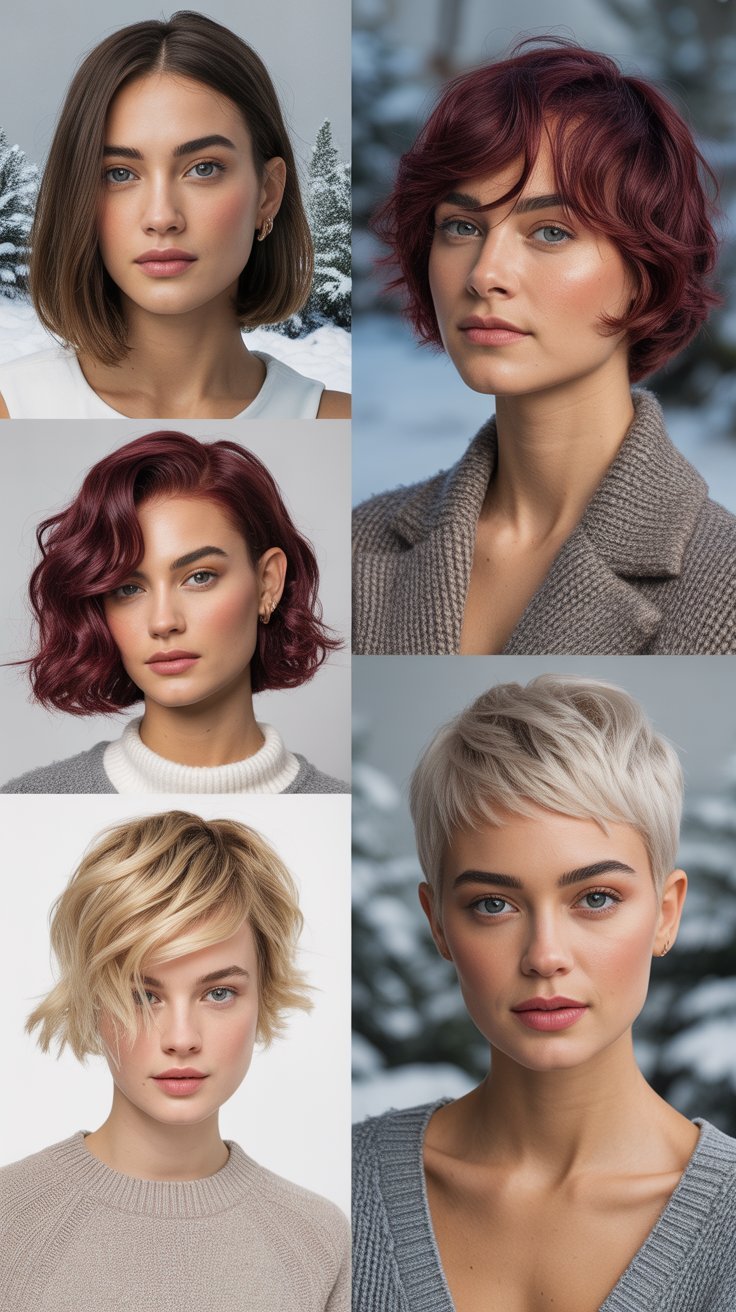
Winter is here, and your hair is ready for a transformation that matches the season’s magic.
As temperatures drop and festivities begin, your locks deserve trends that blend warmth, sophistication, and innovation.
Whether you’re dreaming of rich chocolate tones, embracing natural texture, or experimenting with bold cuts, 33 Winter Hair Trends You Need to Know Before Your Next Salon Visit will guide you through every style that’s dominating salons this season.
This comprehensive guide explores everything from color techniques and cutting-edge cuts to styling methods and maintenance tips that will keep your hair looking fresh throughout the coldest months.
Get ready to discover dimensional colors, protective styles, vintage-inspired waves, and modern takes on classic looks that celebrities and influencers are wearing right now.
1. Rich Chocolate Brown Tones
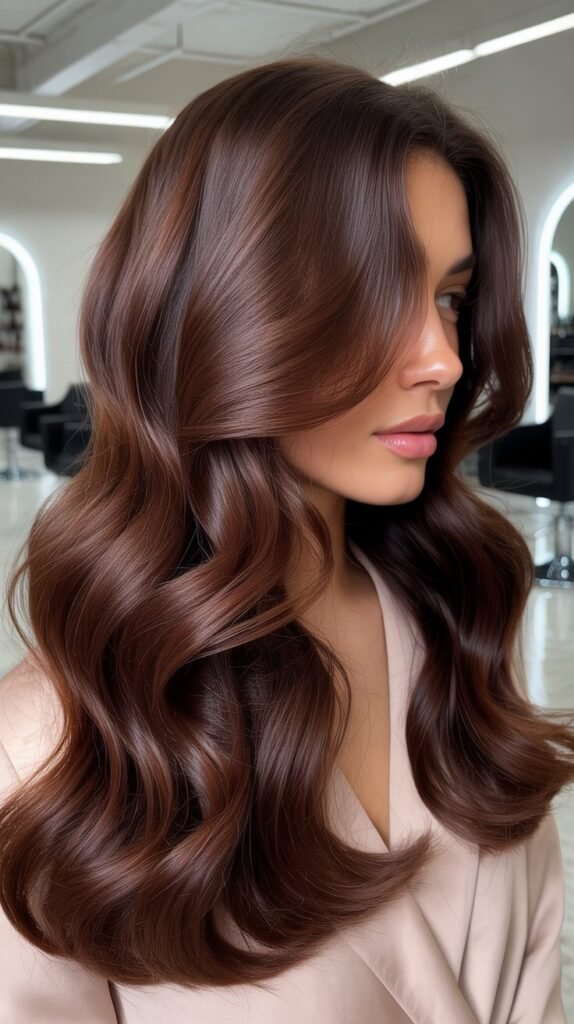
Deep chocolate brown shades are replacing basic brunettes this winter, offering warmth and dimension that complements the season perfectly.
These luxurious tones work beautifully on all skin tones and provide a sophisticated alternative to jet black hair.
- Chocolate brown shades add depth without the harshness of black hair, creating a softer overall appearance.
- This color works exceptionally well with lowlights in caramel or auburn to create natural-looking dimension.
- The richness of chocolate tones reflects light beautifully, making hair appear healthier and more vibrant.
- Maintenance requires color-safe shampoos and regular glossing treatments every six to eight weeks.
- This shade pairs wonderfully with winter wardrobes featuring neutral tones and jewel colors.
2. Espresso Hair Color
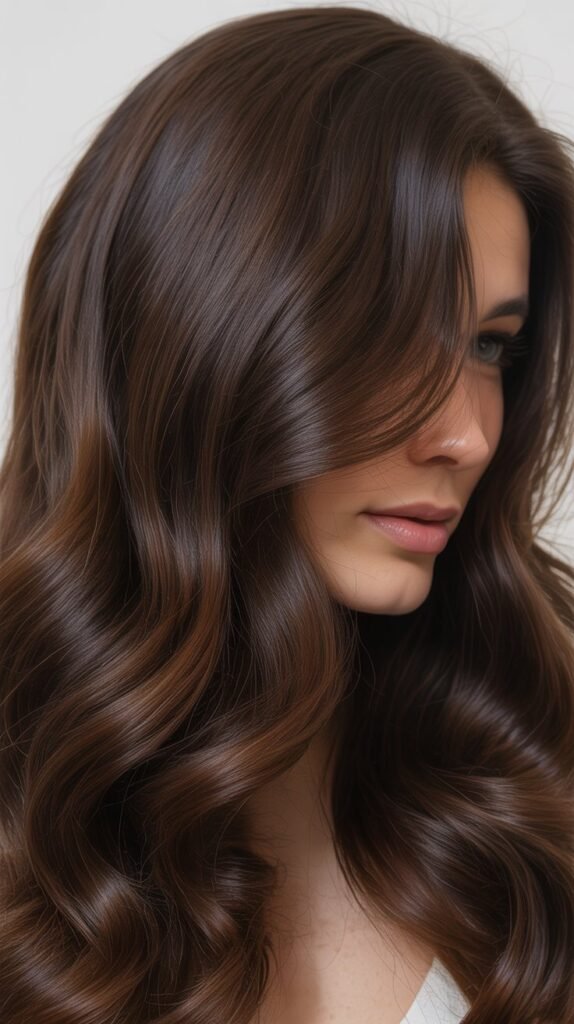
Espresso hair brings coffee-inspired richness to your locks with cool undertones that prevent brassiness throughout winter. This trend offers a modern twist on traditional dark hair colors.
- Espresso tones contain subtle cool undertones that prevent the orange or red tints common in dark hair.
- This color requires minimal upkeep compared to lighter shades, making it perfect for busy winter schedules.
- The depth of espresso works particularly well for adding contrast to fair skin tones.
- Professional colorists recommend purple-tinted shampoos to maintain the cool undertones between salon visits.
- This shade creates an excellent base for subtle highlighting techniques like babylights.
3. Cinnamon Spice Highlights
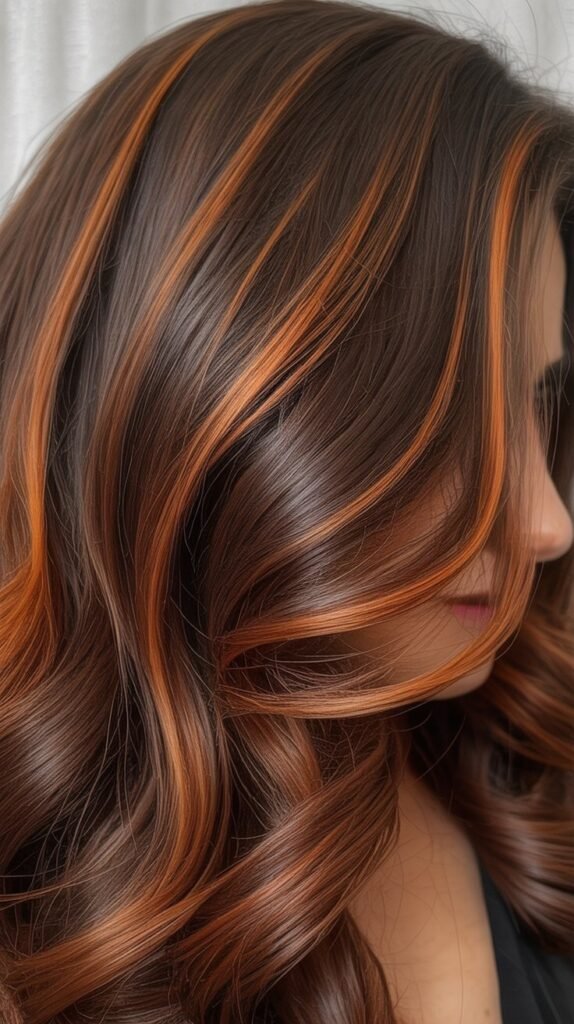
Warm cinnamon highlights are breathing life into winter hair by adding spicy, golden-red tones that catch winter light beautifully.
These highlights offer natural-looking warmth without commitment to full color transformation.
- Cinnamon highlights blend seamlessly with brown base colors, creating a sun-kissed effect even in winter.
- The technique involves hand-painted balayage for the most natural-looking placement.
- These warm tones complement olive and warm skin undertones particularly well.
- Spacing highlights strategically around the face brightens complexions dulled by winter weather.
- Maintenance involves using sulfate-free products and heat protectants to preserve the warm tones.
4. Burgundy and Wine Tones
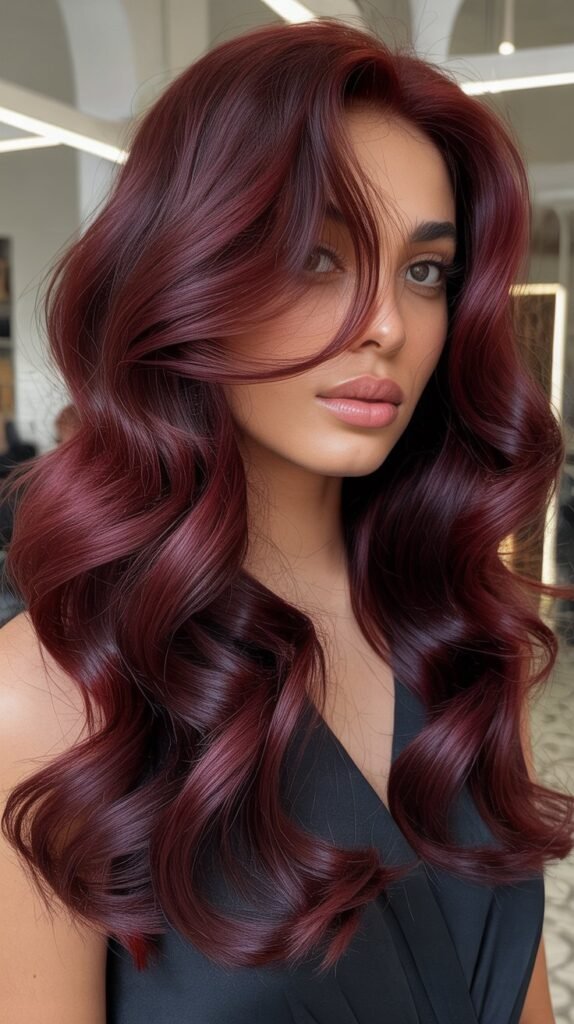
Deep burgundy and wine-colored hair captures winter’s rich, luxurious spirit with jewel-toned intensity.
These bold shades make powerful statements while remaining sophisticated enough for professional environments.
- Burgundy tones work best on medium to dark base colors to achieve the richest results.
- The color requires special red-depositing conditioners to prevent fading between appointments.
- Wine shades complement cool skin undertones and look stunning against winter’s neutral fashion palette.
- Professional application ensures even color distribution and prevents patchiness common with reds.
- This trend typically lasts six to eight weeks with proper maintenance before requiring refresh treatments.
5. Dimensional Brunette Techniques
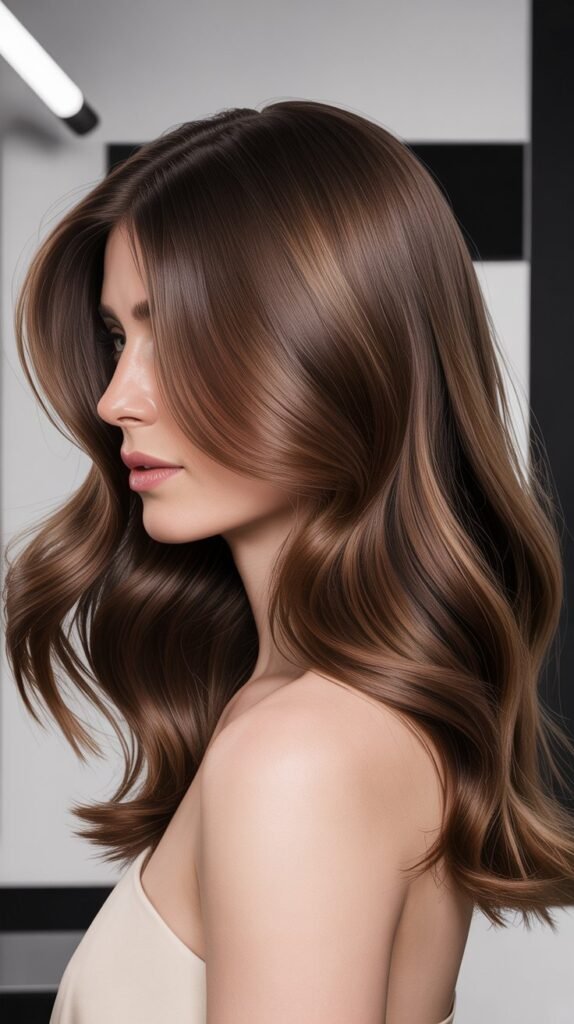
Multidimensional brunette coloring creates depth and movement through strategic placement of varying brown tones. This technique prevents flat, one-dimensional color that can look lifeless in winter light.
- Dimensional techniques involve using three to five different brown shades throughout the hair.
- Lighter pieces are concentrated around the face to brighten and frame facial features.
- The approach mimics how sun naturally lightens hair, creating authentic-looking results.
- This method reduces the need for frequent touch-ups since grow-out appears more natural.
- Stylists often combine balayage, foiling, and hand-painting for maximum dimension.
6. Buttery Blonde Tones
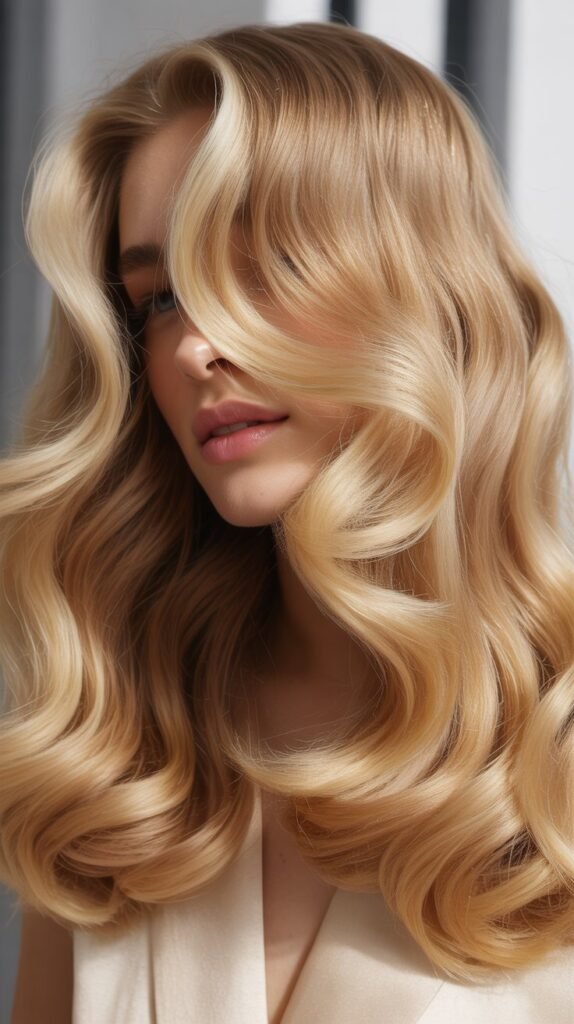
Soft, buttery blonde shades replace icy platinums this winter, offering warmth and richness that’s easier to maintain. These creamy tones complement winter’s cozy aesthetic perfectly.
- Buttery blondes contain golden undertones that prevent the harsh contrast of cooler blondes.
- This shade requires less frequent toning appointments compared to platinum or ash blondes.
- The warmth in buttery tones is universally flattering across various skin tones.
- Purple and blue shampoos used alternately maintain the perfect balance of warm and cool tones.
- This color works beautifully when transitioning from summer highlights to winter depth.
7. Face-Framing Highlights
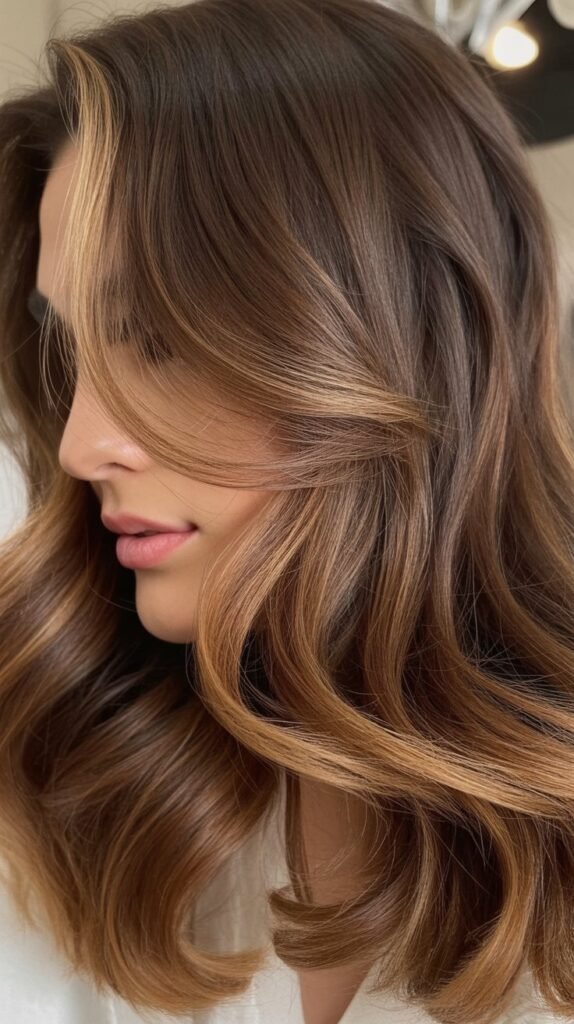
Strategic face-framing highlights brighten complexions and draw attention to facial features without requiring full head highlighting. This targeted approach saves time and reduces hair damage.
- Face-framing pieces are concentrated within two inches of the hairline for maximum brightening effect.
- The technique uses foils or balayage depending on desired contrast and blending.
- Lighter pieces should be no more than two to three shades lighter than base color for natural results.
- This approach works with any base color from black to blonde.
- Maintenance focuses only on the front sections, reducing overall color processing time.
8. Rooted Blonde Look
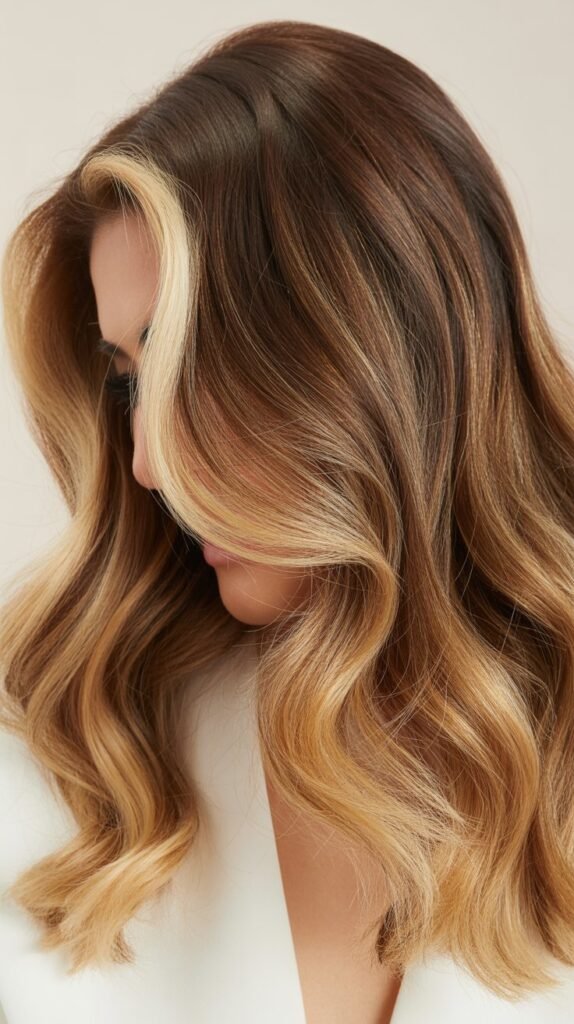
Intentionally darker roots on blonde hair create a low-maintenance, high-impact look that’s perfectly suited for winter. This technique allows for longer time between salon visits while looking intentionally styled.
- Shadow root techniques blend darker roots seamlessly into lighter lengths for a gradual transition.
- This method extends time between color appointments from six weeks to three to four months.
- The contrast adds depth and dimension that prevents blonde from looking flat or one-dimensional.
- Root stretching works with any blonde shade from honey to platinum.
- The technique is particularly beneficial for hair health since it reduces chemical processing frequency.
9. Curtain Bangs
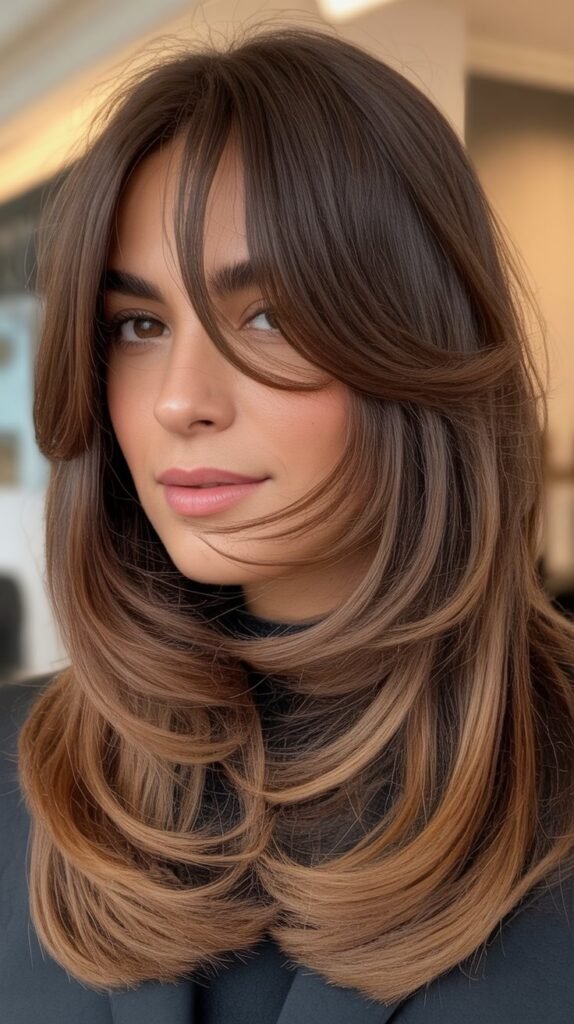
Curtain bangs continue dominating winter trends by framing faces beautifully while remaining versatile enough for various styling options. These face-framing layers work with virtually any hair length or texture.
- Curtain bangs are cut longer in the center and gradually shorter toward the temples.
- The style can be worn straight for sleek sophistication or wavy for bohemian appeal.
- These bangs grow out gracefully, blending into face-framing layers without awkward stages.
- The length typically falls between the cheekbones and jawline for optimal face-framing effect.
- Styling requires minimal effort with a round brush or simply tucking behind ears when desired.
10. Bottleneck Bangs
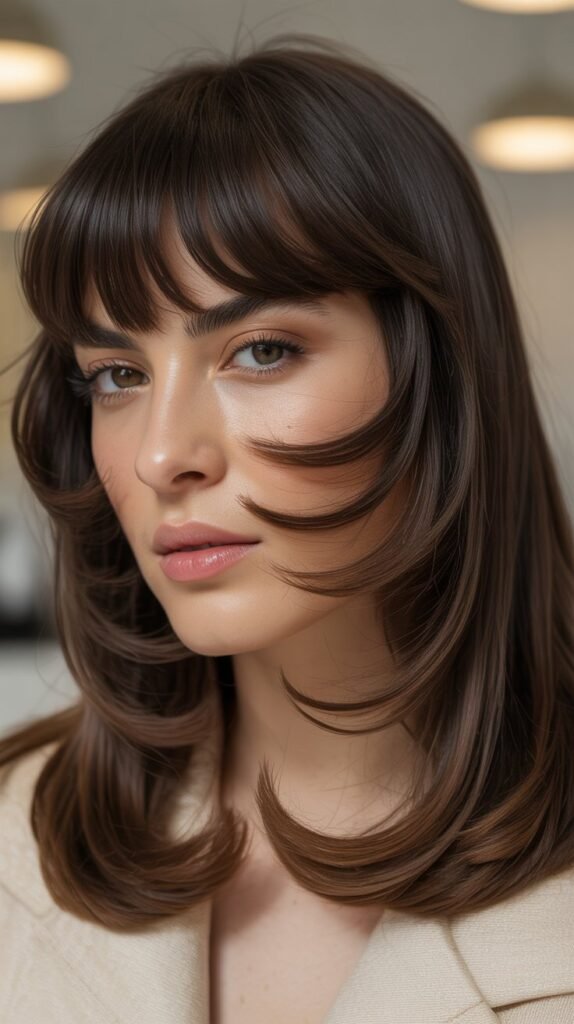
Bottleneck bangs create an hourglass shape around the face with shorter pieces at the forehead gradually lengthening toward the cheekbones.
This modern bang style flatters oval, round, and heart-shaped faces particularly well.
- The name comes from the bottle-like shape created when bangs fan out from forehead to cheeks.
- This style works beautifully with both straight and wavy hair textures.
- Bottleneck bangs provide the face-framing benefits of traditional bangs with easier maintenance.
- The longer length prevents the commitment anxiety many people feel about traditional blunt bangs.
- Styling involves blow-drying with a round brush to create the signature outward curve.
11. Blunt Cuts and Bobs
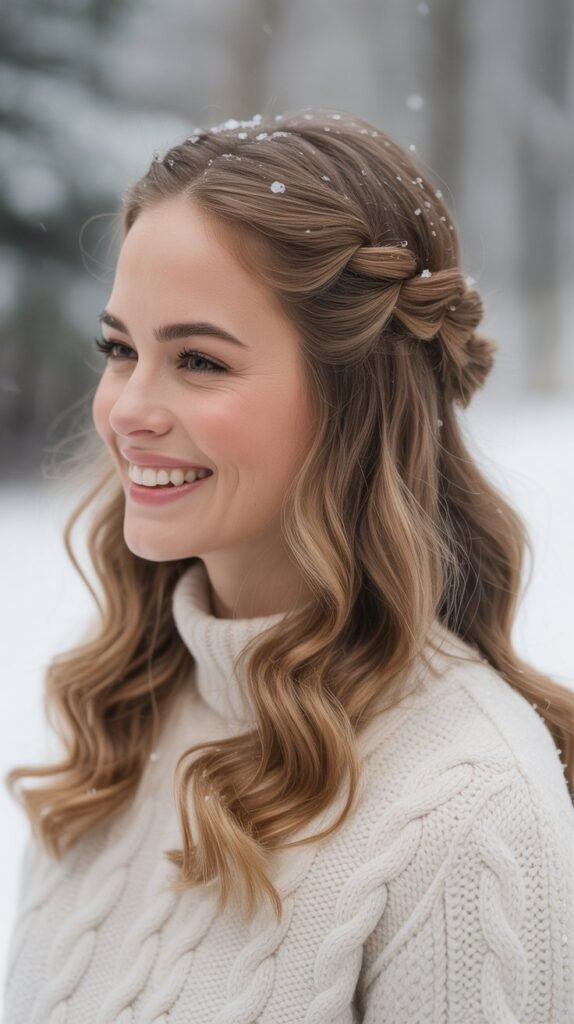
Sharp, blunt-cut bobs are making powerful comebacks this winter with clean lines that look polished and intentional. These precise cuts create the illusion of thicker, fuller hair.
- Blunt cuts work best on straight to slightly wavy hair textures for maintaining sharp lines.
- The lack of layering creates a fuller appearance at the ends, ideal for fine or thinning hair.
- Regular trims every six weeks maintain the precision that makes this cut striking.
- Blunt bobs can be customized to any length from chin to collarbone depending on preference.
- This style pairs beautifully with center or deep side parts for different aesthetic effects.
12. Shaggy Layers
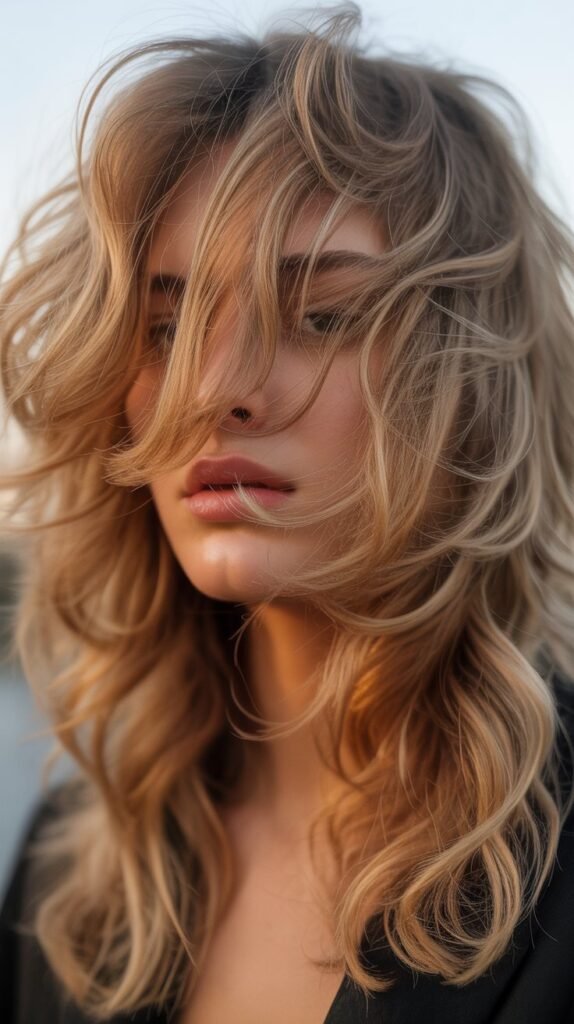
Textured, shaggy layers bring effortless cool-girl energy to winter hair with movement and dimension. This cut works across all hair lengths and textures, offering versatility and style.
- Shaggy cuts incorporate layers of varying lengths throughout for maximum texture and movement.
- The style naturally adds volume to fine hair while removing bulk from thick hair.
- Minimal styling is required since the cut itself creates the desired tousled effect.
- Layers are typically concentrated around the crown and face-framing areas for dimension.
- This cut grows out beautifully, maintaining its shape and texture between salon appointments.
13. Long Layers for Movement
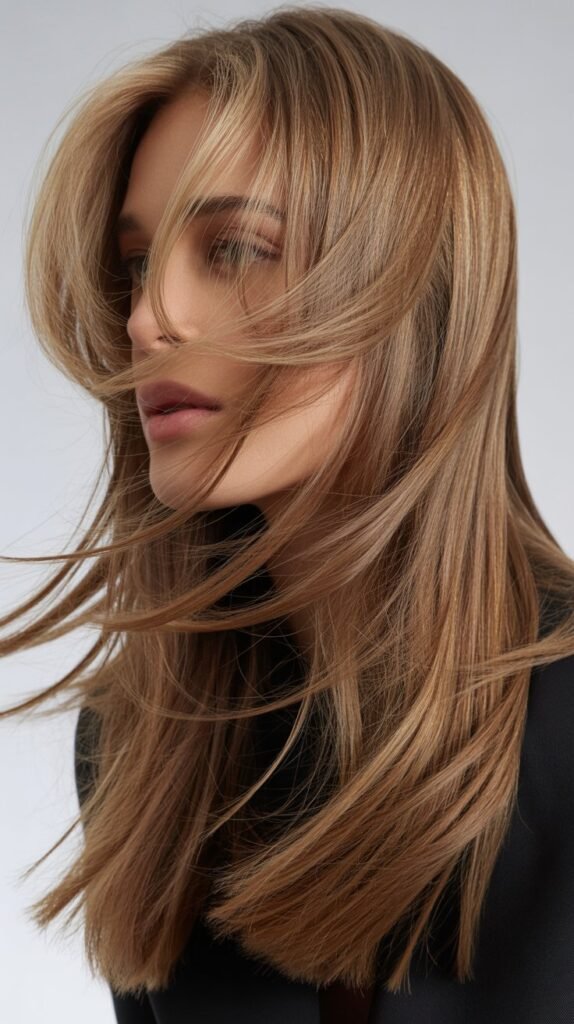
Long, flowing layers add movement and dimension to lengthy hair without sacrificing overall length. This approach prevents the weighted-down appearance that solid-length hair can have in winter.
- Long layers should begin at or below the collarbone to maintain length while adding shape.
- The technique removes weight from ends while creating internal layering for body.
- Face-framing layers work in conjunction with longer layers for a complete, cohesive look.
- This cut complements both straight styling and natural wave or curl patterns.
- Maintenance requires trims every eight to twelve weeks to prevent split ends while preserving length.
14. Wolf Cut
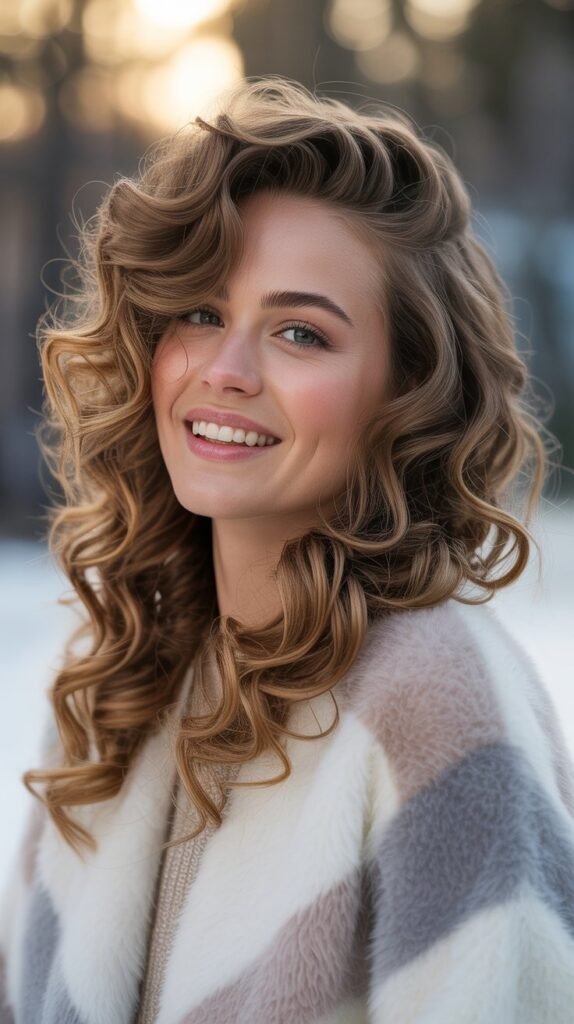
The wolf cut combines elements of shag and mullet styles with heavily layered tops and longer lengths below. This edgy, voluminous cut continues trending throughout winter for its bold statement.
- Wolf cuts create dramatic volume at the crown through short, choppy layers.
- The contrast between short top layers and longer bottom sections defines this distinctive style.
- This cut works particularly well with natural texture, enhancing waves and curls.
- Styling can range from tousled and messy to more polished depending on preference.
- The dramatic layering requires more frequent trims to maintain the intended shape and proportion.
15. Bixie Cut
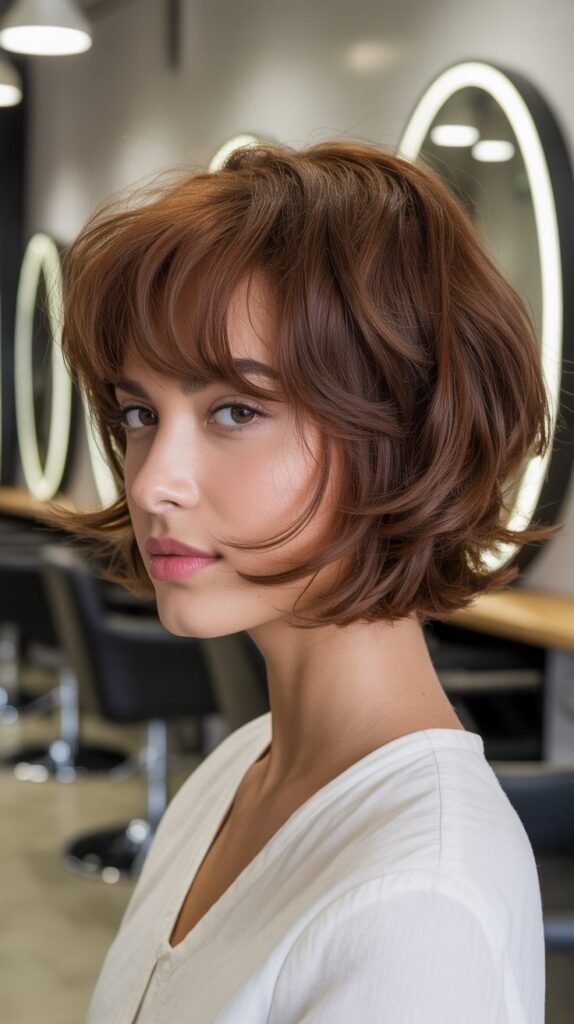
The bixie combines bob and pixie elements for a short, textured style that’s both practical and fashionable. This hybrid cut offers the ease of short hair with slightly more length and versatility.
- Bixie cuts typically fall between ear and chin length with heavy texturing throughout.
- The style requires minimal daily styling, making it perfect for busy winter mornings.
- Layers add volume and movement that prevent the flat appearance some short cuts can have.
- This cut works on various face shapes when customized properly by experienced stylists.
- Regular maintenance every four to six weeks keeps the shape looking fresh and intentional.
16. Grown-Out Pixie Styles
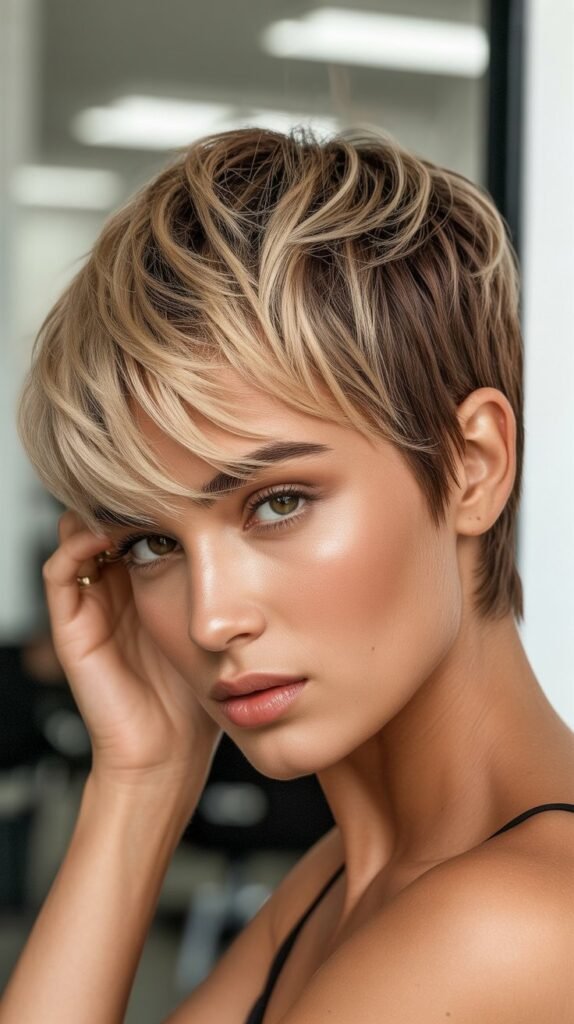
Embracing the grown-out pixie phase creates unique, textured looks that bridge the gap between very short and medium-length hair.
This transitional styling celebrates the in-between stages rather than fighting them.
- Strategic trimming during the growing-out process maintains shape while allowing length to develop.
- The awkward stages can be minimized with texturizing products and proper styling techniques.
- Headbands, clips, and accessories become valuable tools for managing growing sections.
- Different sections grow at different rates, creating natural layering and texture.
- This phase typically lasts three to six months before reaching a full bob or lob length.
17. Voluminous Blowouts
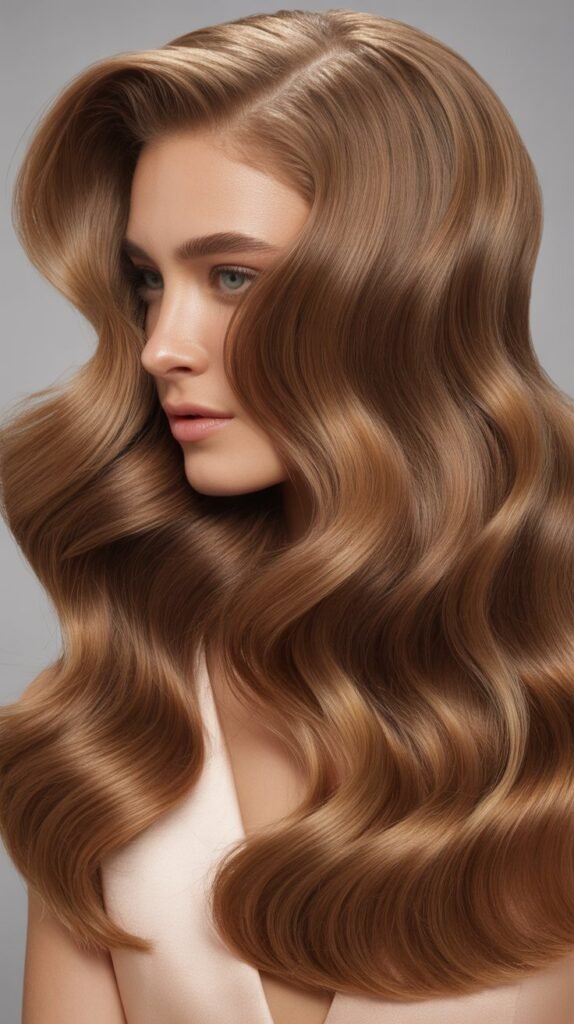
Big, bouncy blowouts bring glamour and sophistication to winter occasions with salon-quality volume and shine. This styling technique creates red-carpet-worthy results.
- Proper blowout technique involves sectioning hair and using round brushes for maximum lift.
- Products applied before drying include heat protectant, volumizing mousse, and root lifters.
- The tension created when wrapping hair around brushes is crucial for achieving smoothness.
- Blowouts typically last three to five days with proper nighttime maintenance using silk accessories.
- Setting the style with cool air after heat styling helps lock in volume and shine.
18. Sleek Straight Styles
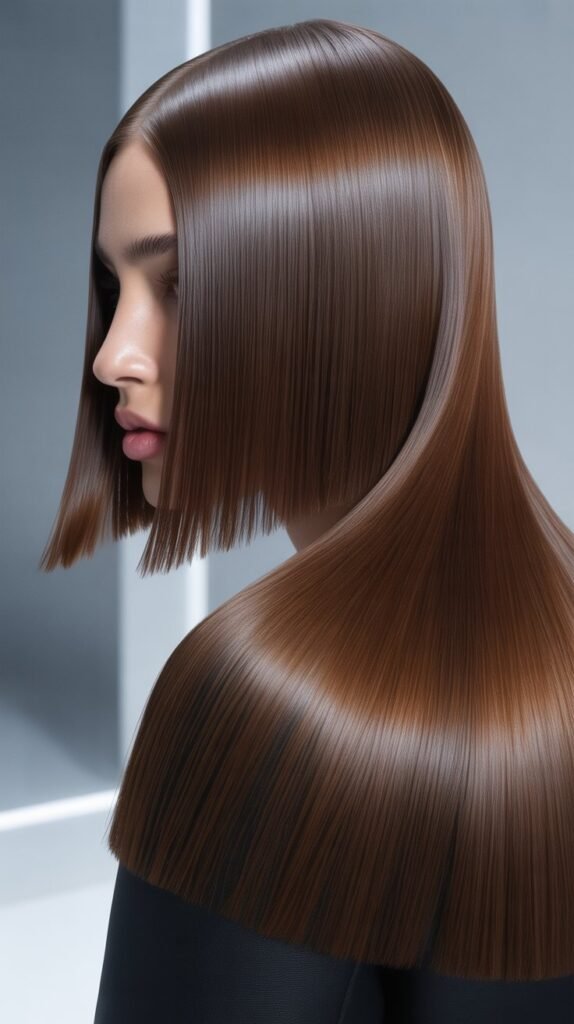
Glass-like sleek straight hair creates polished, professional looks perfect for winter business settings and formal events. This style showcases hair health and shine.
- Achieving sleek styles requires proper heat protectant application before any thermal tool use.
- Flat irons with ceramic or titanium plates work best for creating smooth results without damage.
- Anti-frizz serums applied after styling seal cuticles and add shine.
- This style works best on naturally straight or slightly wavy hair textures.
- Humidity control products help maintain sleekness in winter indoor heating environments.
19. Textured Beach Waves
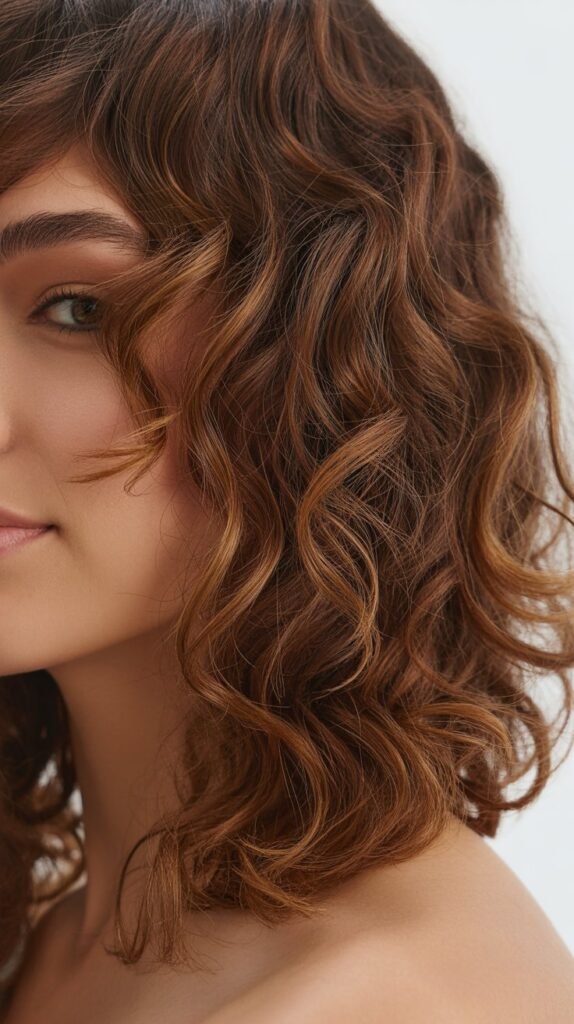
Effortless beach waves adapted for winter offer relaxed, touchable texture that looks natural and unforced. This styling approach creates casual elegance suitable for various occasions.
- Beach waves are created using curling wands, flat irons, or braiding techniques depending on preference.
- Sea salt sprays or texturizing products enhance natural wave patterns and add grip.
- The key to authentic beach waves is irregular curl patterns rather than uniform spirals.
- This style works beautifully on second or third-day hair when natural oils add texture.
- Finger-combing rather than brushing maintains the piece-y, undone aesthetic.
20. Old Hollywood Waves
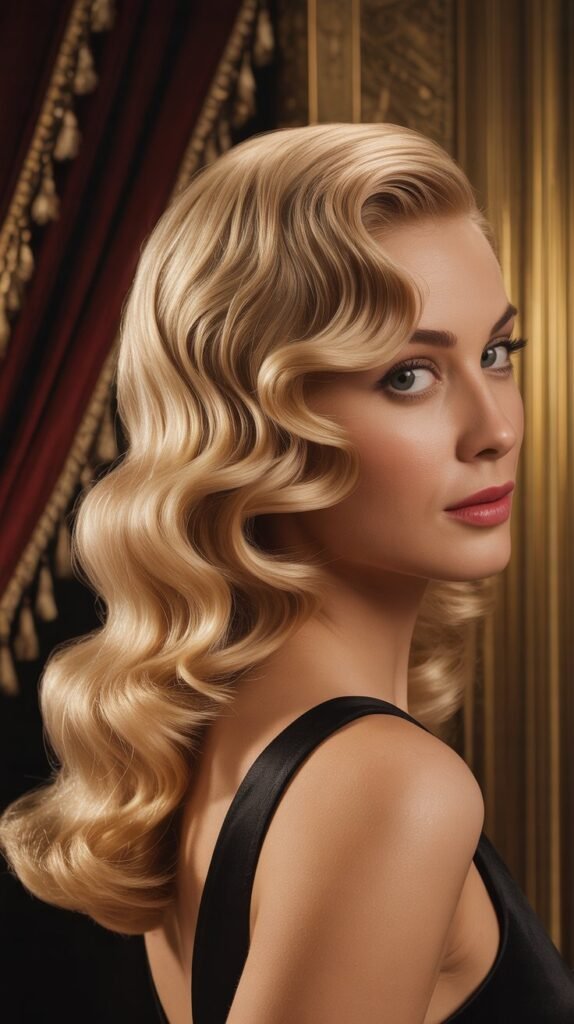
Glamorous vintage waves inspired by Old Hollywood bring timeless sophistication to winter events and celebrations. These structured waves create dramatic, elegant looks.
- Old Hollywood waves are created using large-barrel curling irons or hot rollers for uniform curl size.
- Each section is carefully set and pinned while cooling to create defined wave patterns.
- Brushing cooled curls with paddle brushes creates the signature S-shaped waves.
- Strong-hold hairspray and shine serum work together to maintain structure while adding glamour.
- This style requires more time investment but delivers show-stopping results for special occasions.
21. Braided Updos
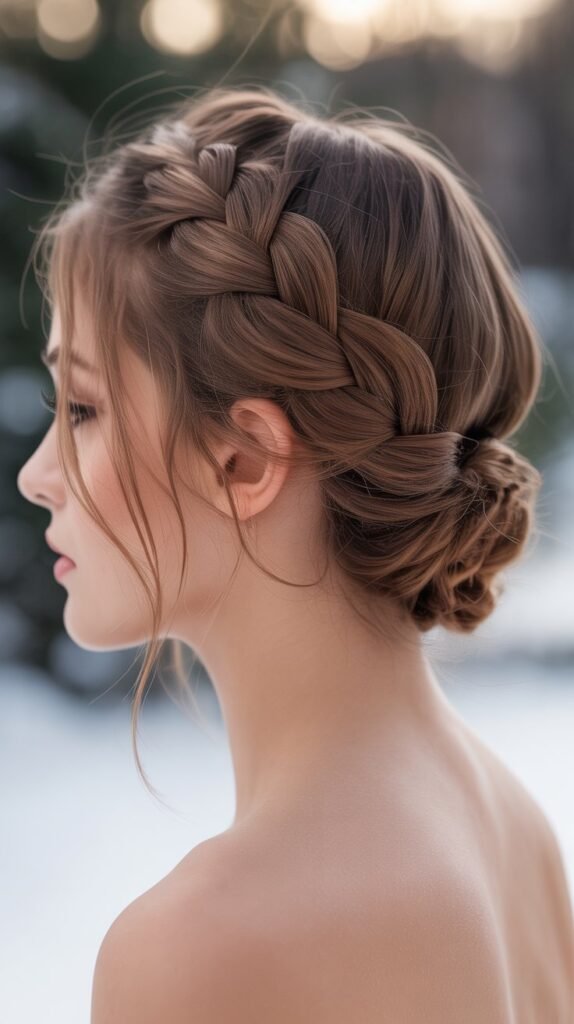
Intricate braided updos combine practicality with artistry for winter events where hair needs to stay perfectly in place. These styles protect hair from harsh winter elements while looking stunning.
- Braided updos can range from simple three-strand techniques to complex Dutch, French, or fishtail variations.
- Starting with slightly textured or second-day hair helps braids hold better and creates fuller appearance.
- Strategic placement of braids can create height, width, or elongation depending on desired effect.
- Bobby pins should match hair color exactly for invisible hold throughout the style.
- Light hairspray application after completion helps control flyaways without making hair crunchy.
22. Low Buns and Chignons
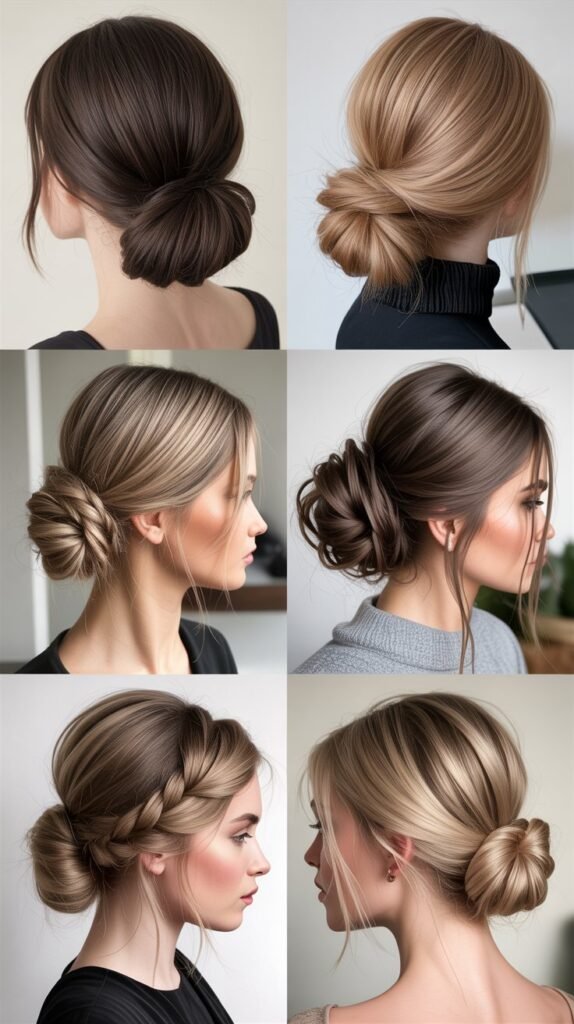
Sophisticated low buns and chignons offer elegant simplicity for professional and formal winter settings. These classic styles never go out of fashion and work with various hair textures.
- Low buns can be sleek and tight or soft and loosely gathered depending on the desired aesthetic.
- Proper preparation includes smoothing hair with gel or pomade before gathering.
- Doughnut-shaped foam forms create fuller buns for those with fine or thin hair.
- Strategic placement of the bun (center versus side) changes the overall look dramatically.
- This versatile style transitions easily from office to evening events with minor adjustments.
23. Half-Up Styles
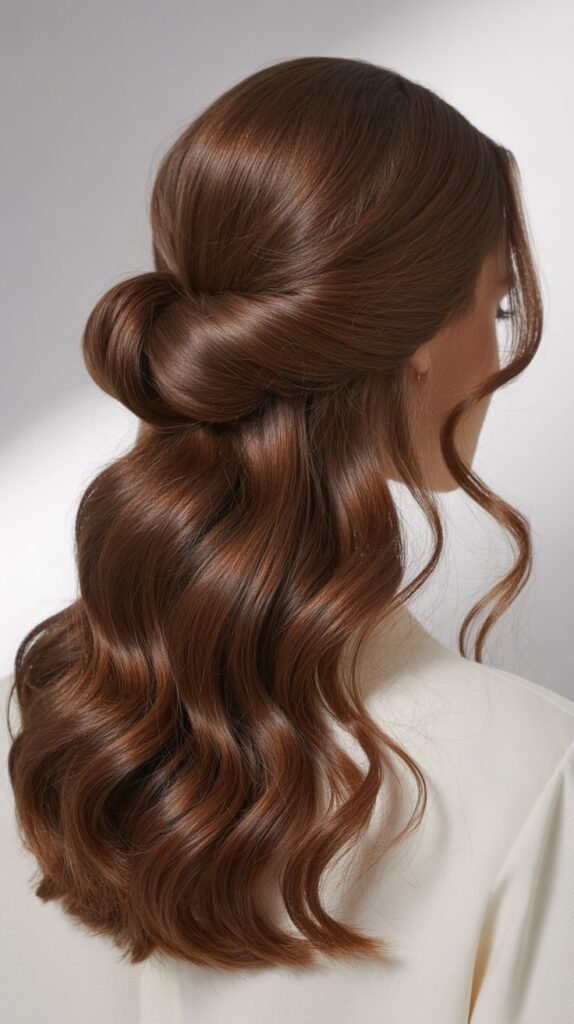
Half-up hairstyles balance the security of updos with the femininity of flowing hair. These versatile styles work for casual and formal occasions throughout winter.
- Half-up styles work by securing the top portion of hair while leaving the bottom section down.
- Variations include twisted sections, braided details, or simple ponytails at the crown.
- This style effectively manages face-framing pieces while showcasing hair length and texture.
- Teasing at the crown before securing creates additional volume and visual interest.
- Half-up styles prevent hair from falling into the face without the commitment of full updos.
24. Protective Styles for Natural Hair
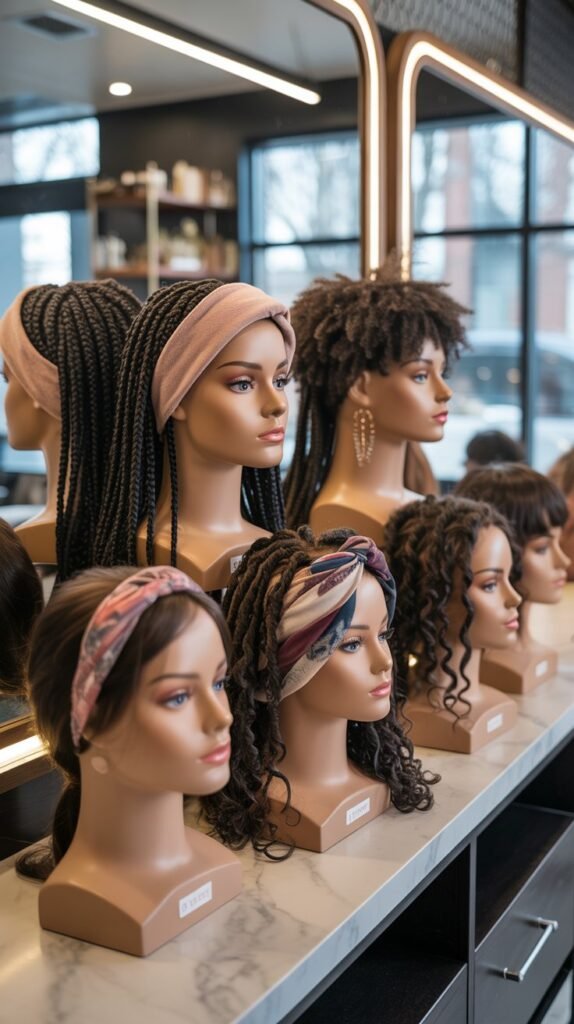
Winter protective styles shield natural hair from harsh weather while looking beautiful and allowing for low-maintenance routines. These styles promote hair health during challenging seasonal conditions.
- Protective styles include braids, twists, faux locs, and updos that minimize manipulation.
- Proper moisturizing before installation prevents dryness during the weeks the style is worn.
- Satin or silk scarves worn at night protect the style and retain moisture.
- Protective styles should never be too tight, as tension can cause breakage and hair loss.
- These styles typically last two to eight weeks depending on the specific technique used.
25. Box Braids and Knotless Braids
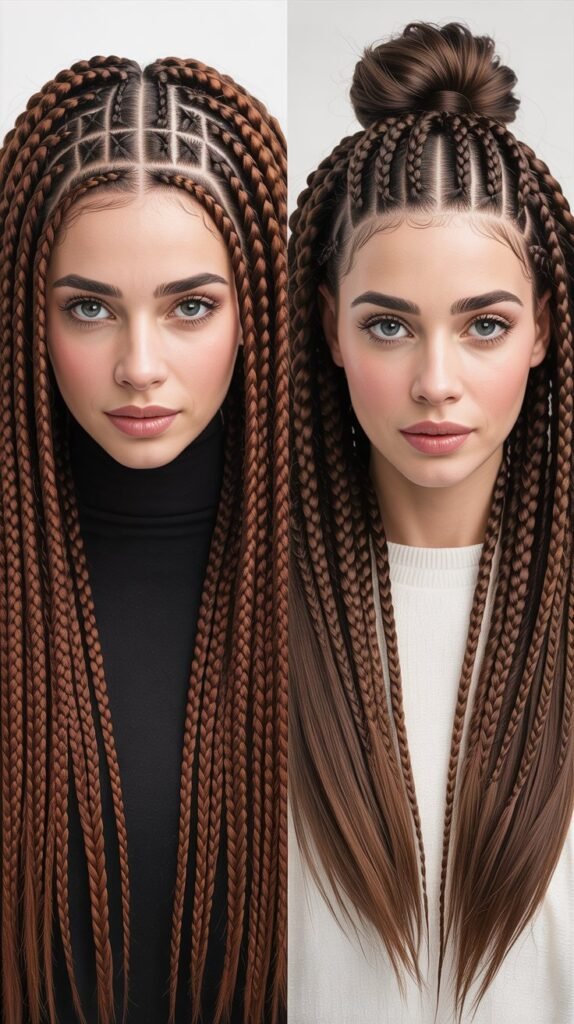
Box braids and their gentler alternative, knotless braids, provide stunning protective styling options that last for weeks. These styles offer endless versatility in length, thickness, and styling options.
- Box braids are sectioned into square or rectangular parts with extensions added for length.
- Knotless braids begin with natural hair and gradually feed in extensions for less tension.
- Both styles can be accessorized with beads, cuffs, or colorful thread wrapping.
- Proper scalp care during wear includes light oil application and gentle cleansing.
- These styles protect natural hair from winter weather for four to eight weeks.
26. Slicked-Back Ponytails
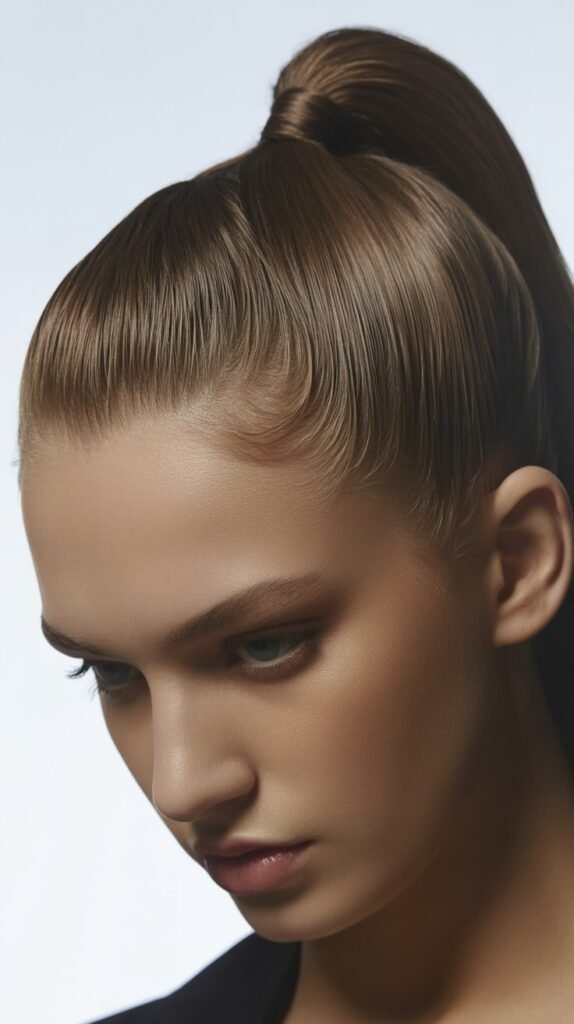
High-gloss slicked-back ponytails create sleek, polished looks that work for athletic activities and elegant events alike. This style showcases facial features while appearing effortlessly chic.
- Achieving sleekness requires gel or pomade applied to damp hair and combed smooth.
- The height of the ponytail placement affects the overall look from casual to formal.
- Edge control products help tame baby hairs and create clean hairlines.
- Extensions or ponytail wraps can add length and volume to natural ponytails.
- This style works particularly well when wanting to showcase statement earrings.
27. Accessorized Hairstyles
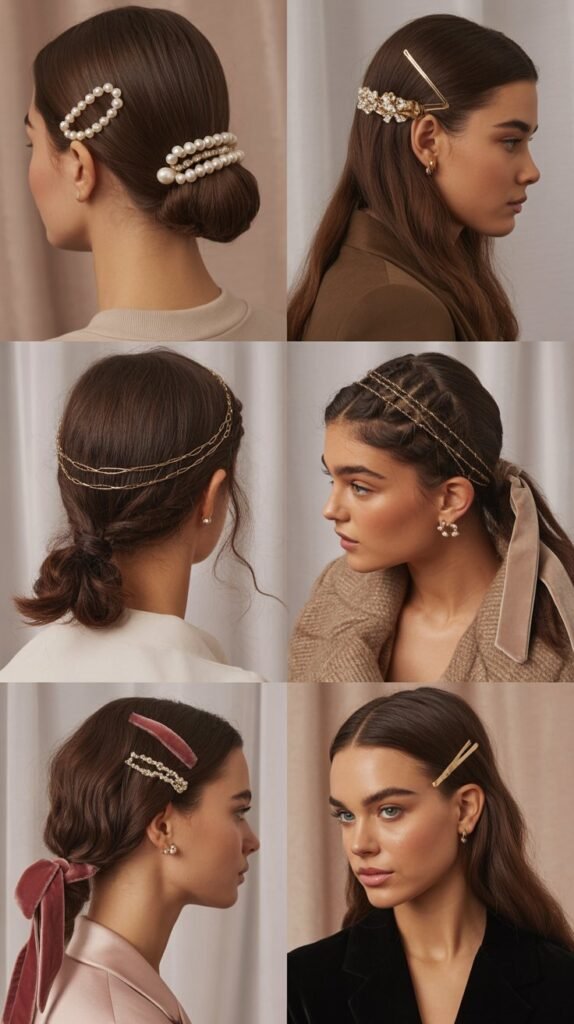
Hair accessories transform simple styles into statement looks throughout winter. From embellished clips to silk scarves, accessories add personality and seasonal flair.
- Pearl clips, velvet headbands, and metallic barrettes are particularly trending this winter.
- Accessories can be functional, holding hair in place, or purely decorative for visual interest.
- Strategic placement draws attention to specific areas like face-framing sections or updos.
- Mixing metals and textures creates eclectic, fashion-forward looks.
- Hair scarves worn as headbands or woven through braids add color and vintage charm.
28. Deep Conditioning Treatments
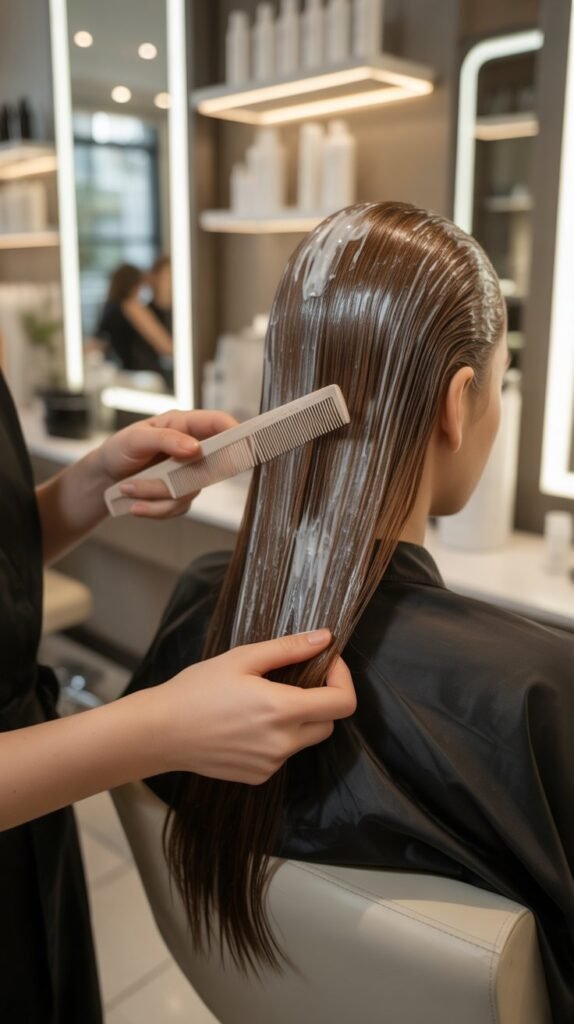
Winter’s harsh conditions make deep conditioning treatments essential rather than optional for maintaining healthy, vibrant hair. These intensive treatments repair damage and prevent moisture loss.
Winter Hair Care Comparison
- Deep conditioning should be done on clean, towel-dried hair for maximum absorption.
- Heat application through processing caps or warm towels enhances treatment penetration.
- Protein treatments should alternate with moisture treatments to maintain proper balance.
- Treatment selection depends on hair porosity, texture, and specific concerns.
- Consistency with deep conditioning creates cumulative benefits over time.
29. Scalp Care Routines
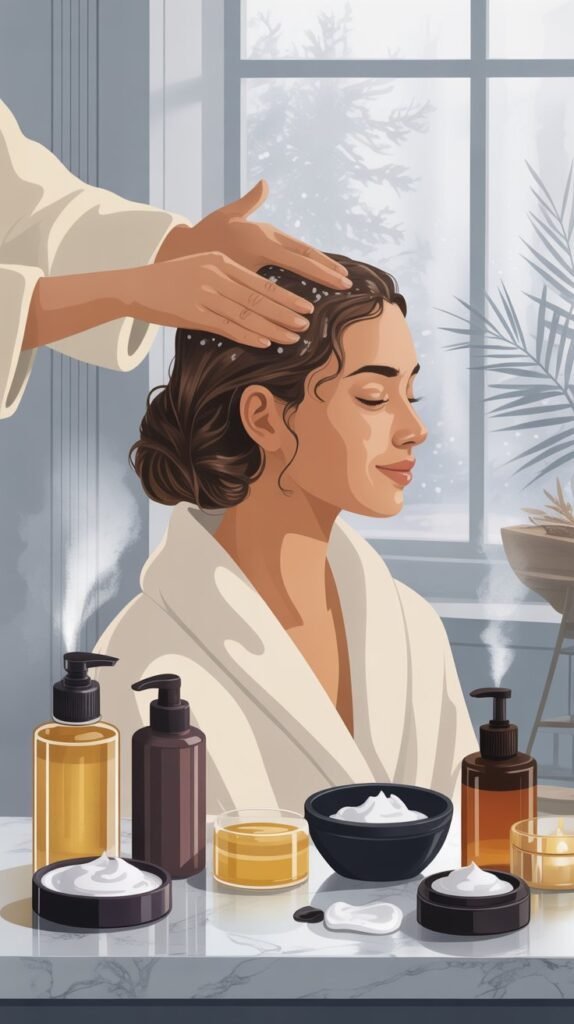
Healthy hair begins with a healthy scalp, making winter scalp care crucial for overall hair wellness. Dry indoor heating and cold outdoor air challenge scalp health throughout the season.
- Scalp exfoliation removes product buildup and dead skin cells that clog follicles.
- Scalp oils and serums provide targeted hydration directly where it’s needed most.
- Gentle massage during washing stimulates blood flow and promotes healthy growth.
- Avoiding excessively hot water prevents stripping natural oils from the scalp.
- Conditions like dandruff and dryness often worsen in winter, requiring specialized treatments.
30. Heat Protection Strategies
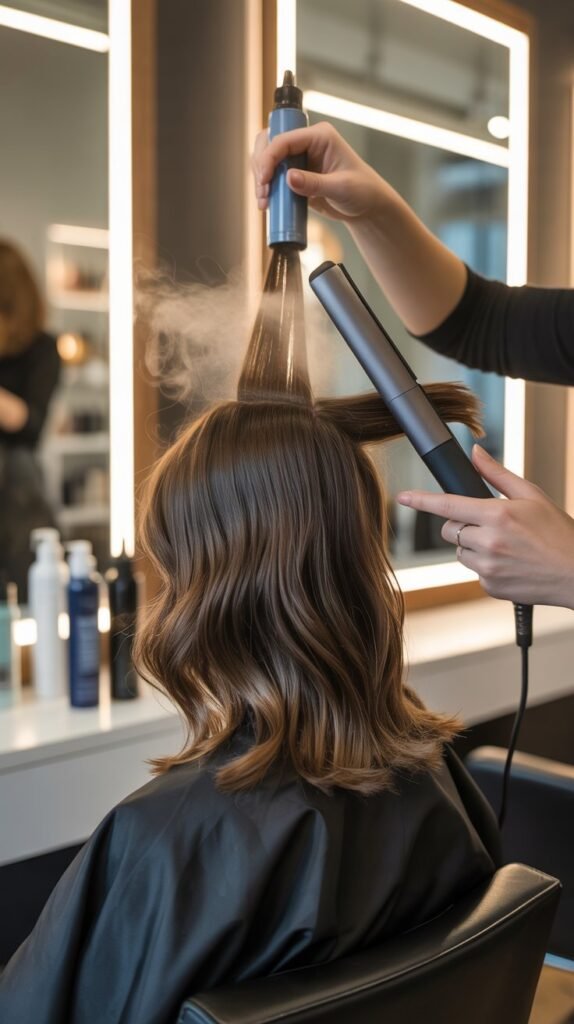
Protecting hair from heat damage becomes even more critical during winter when hair is already stressed by environmental factors. Proper heat protection preserves hair health and styling results.
- Heat protectant sprays should be applied to damp hair before any blow-drying.
- Products create barrier between hair and heat tools, reducing cuticle damage.
- Lower temperature settings achieve desired results with less damage when tools are high quality.
- Ceramic and titanium tools distribute heat more evenly than cheaper alternatives.
- Air-drying when possible gives hair breaks from thermal styling stress.
31. Overnight Hair Care
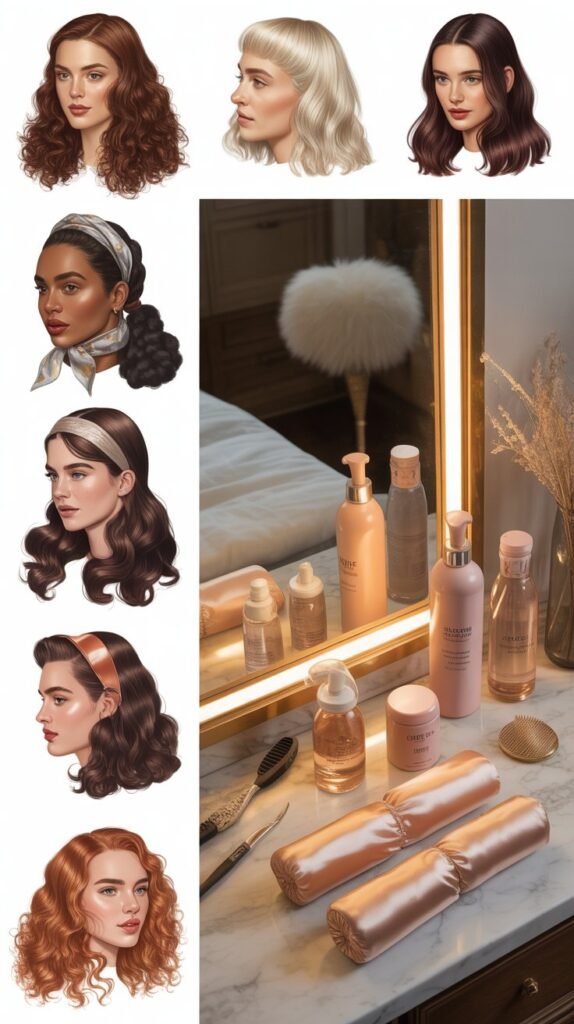
Strategic overnight hair care routines protect styles, maintain hair health, and reduce morning styling time. These practices are particularly valuable during busy winter mornings.
- Silk or satin pillowcases reduce friction that causes breakage and frizz during sleep.
- Loose braids or buns prevent tangling while maintaining some style for morning.
- Overnight deep conditioning treatments maximize hydration during sleep hours.
- Dry shampoo applied before bed absorbs oil overnight for fresher-looking morning hair.
- Hair wraps and bonnets protect hairstyles and reduce the need for daily restyling.
32. Color Maintenance Products
Specialized color maintenance products extend the life of your winter hair color investment. These products prevent fading and maintain vibrancy between salon appointments.
- Color-depositing shampoos add pigment with each wash to maintain vibrancy.
- Purple shampoos neutralize brassy tones in blonde and silver hair.
- Sulfate-free formulas clean hair without stripping color molecules.
- UV protection products prevent sun exposure from fading color even in winter.
- Weekly gloss treatments at home maintain shine between professional services.
33. Consultation Preparation
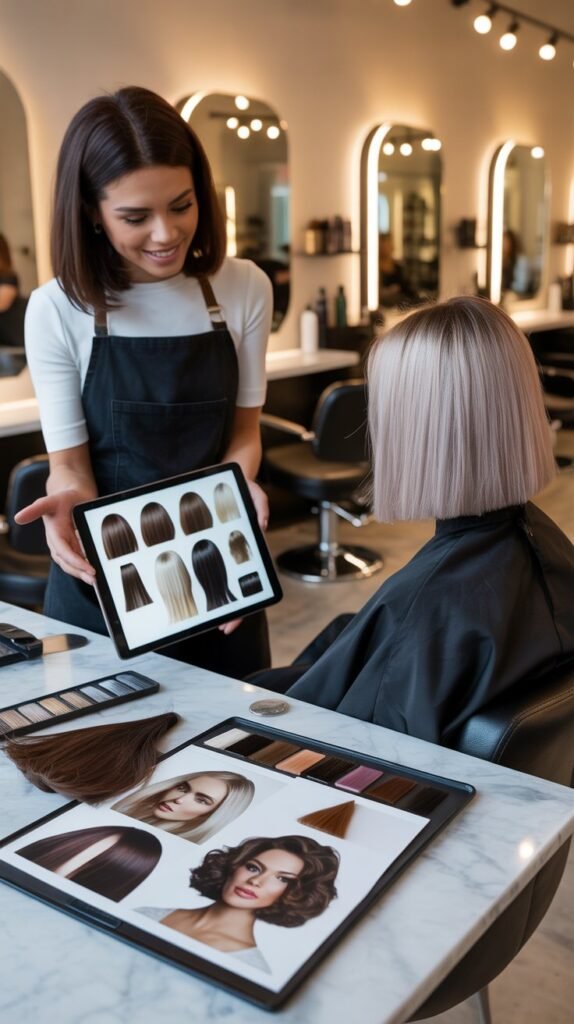
Properly preparing for salon consultations ensures you communicate effectively with stylists and achieve desired results. Bringing references and understanding your hair needs makes appointments more productive.
- Collecting inspiration photos showing multiple angles helps stylists understand your vision.
- Realistic expectations based on your hair’s current condition prevent disappointment.
- Discussing maintenance requirements ensures styles fit your lifestyle and commitment level.
- Understanding your hair’s history including previous treatments guides appropriate recommendations.
- Budget transparency allows stylists to suggest options within your financial parameters.
Conclusion
Winter is the perfect season to refresh your look and embrace hair trends that combine style with practical considerations for the colder months.
The 33 Winter Hair Trends You Need to Know Before Your Next Salon Visit encompass everything from rich, warming colors like chocolate browns and burgundy tones to versatile cuts including curtain bangs, wolf cuts, and sleek bobs.
These trends prioritize hair health through protective styling, proper conditioning, and strategic color placement that reduces damage while maximizing beauty.
Whether you’re drawn to glamorous Old Hollywood waves, modern textured beach waves, or sophisticated protective styles, this season offers options for every hair type, texture, and personal style preference.
Remember that successful trend adoption begins with thorough consultations with experienced stylists who can customize these looks to complement your unique features and lifestyle.
Armed with knowledge about the season’s hottest trends and proper maintenance techniques, your next salon visit will transform your hair into a winter masterpiece that turns heads and boosts confidence throughout the coldest months of the year.