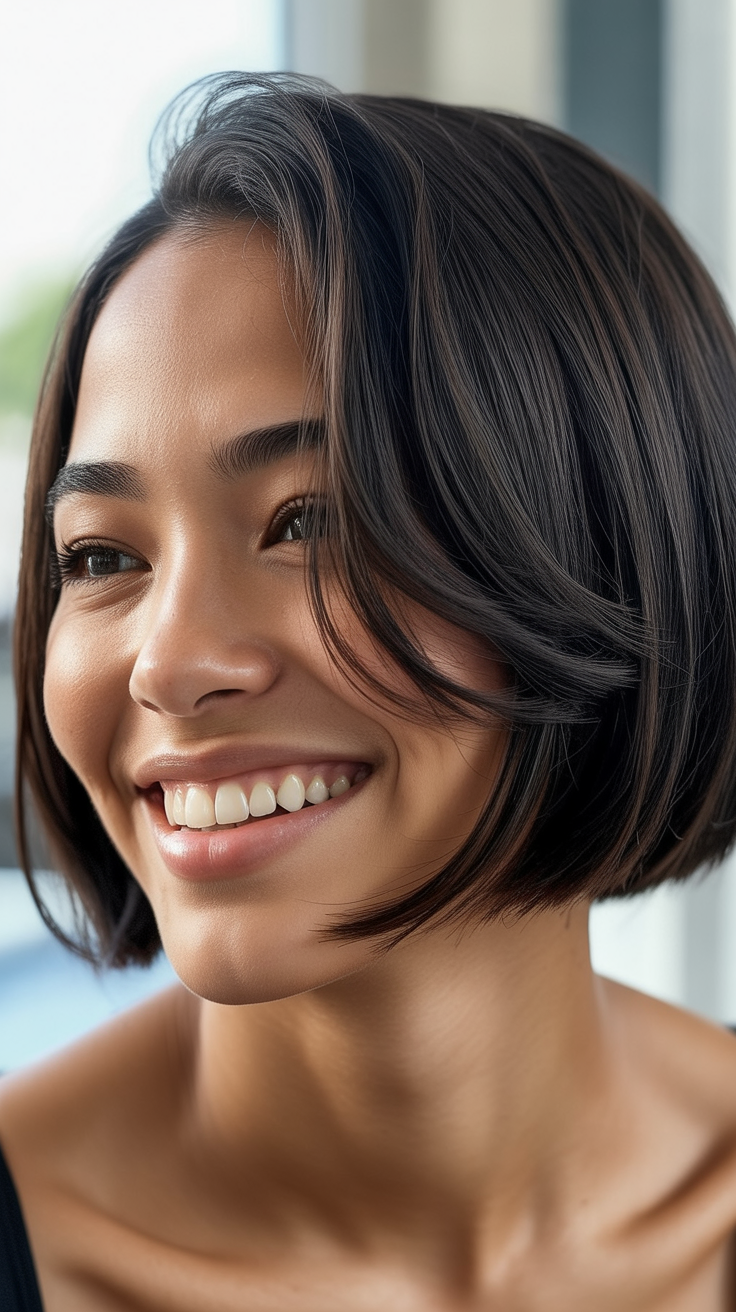
Short straight hairstyles for natural hair offer a refreshing blend of elegance, versatility, and effortless maintenance that modern women crave.
Whether you’re considering a dramatic chop or simply looking to refresh your current style, the world of short straight natural hairstyles presents endless possibilities that flatter every face shape and lifestyle.
This comprehensive guide explores 26 cute short straight hairstyles natural hair options that will inspire your next salon visit, complete with styling tips, maintenance advice, and expert insights to help you achieve salon-worthy results at home.
From sleek pixie cuts to textured bobs, each style has been carefully selected to showcase the natural beauty of straight hair while keeping maintenance simple and chic.
You’ll discover styling techniques, product recommendations, and professional secrets that transform ordinary hair days into extraordinary style statements.
1. The Classic Blunt Bob
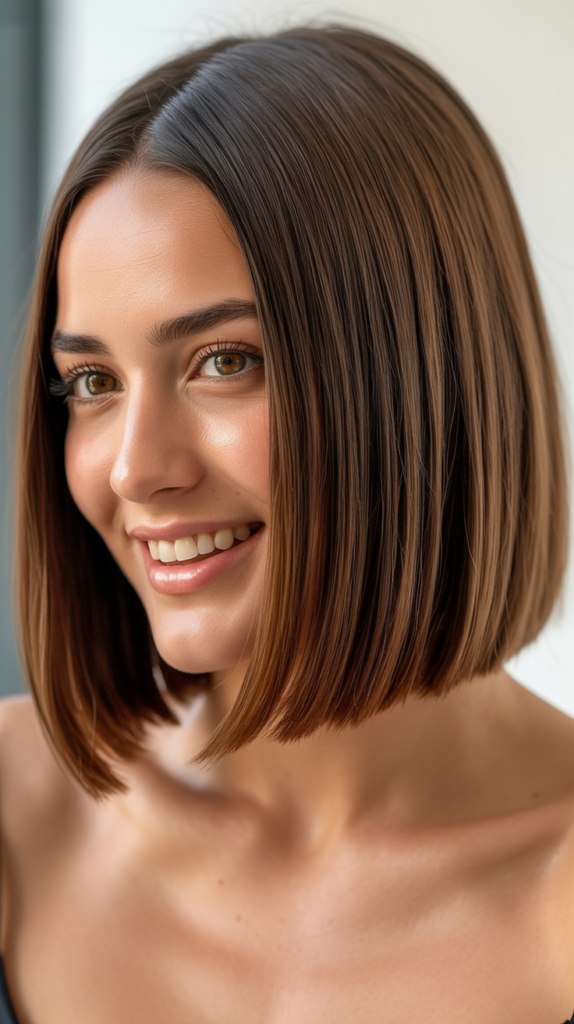
The blunt bob remains a timeless choice for those seeking a polished, sophisticated look with minimal styling effort.
This cut features hair cut straight across at one length, typically between chin and shoulder level, creating a clean, geometric silhouette that exudes confidence and modern elegance.
- The blunt bob works exceptionally well with naturally straight hair as it emphasizes the smooth texture without requiring extensive heat styling or chemical treatments.
- This style creates the illusion of thicker, fuller hair because all strands end at the same point, making it ideal for those with fine or medium hair density.
- Maintenance involves regular trims every 6-8 weeks to maintain the sharp, precise edges that define this iconic cut.
- Style with a flat iron and finishing serum for a sleek, professional appearance, or add subtle waves for a softer, more casual vibe.
- The blunt bob flatters oval, heart-shaped, and square face shapes by creating balance and drawing attention to the jawline and cheekbones.
2. The Textured Pixie Cut
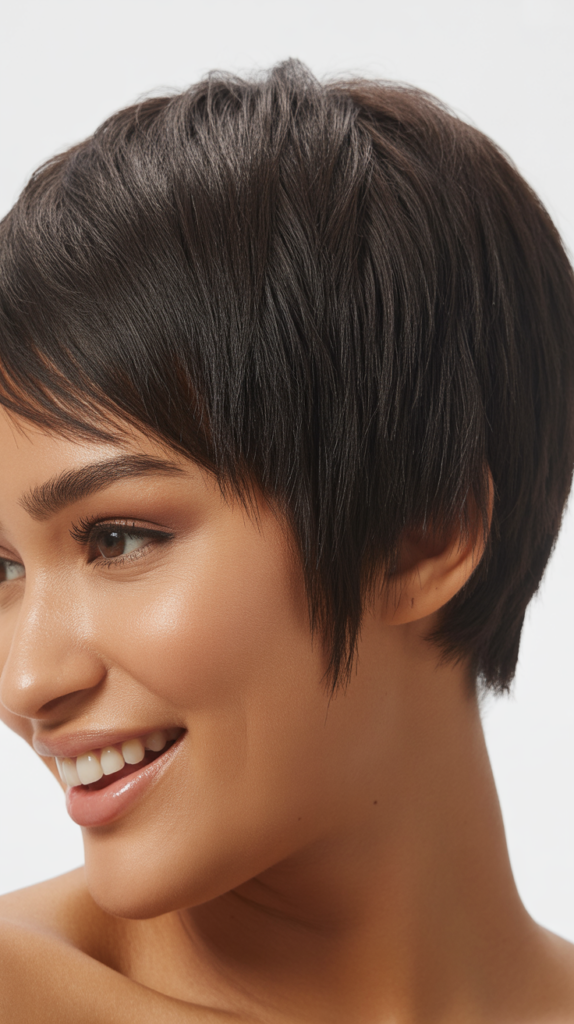
The textured pixie cut brings youthful energy and edgy sophistication to short straight hairstyles, featuring short sides and back with slightly longer, piece-y layers on top.
This style offers maximum versatility while requiring minimal daily maintenance, making it perfect for busy lifestyles.
- This cut typically ranges from 1-3 inches on top with tapered or faded sides, allowing for multiple styling options from sleek to tousled.
- Naturally straight hair holds the textured pixie shape beautifully without excessive product, though a small amount of texturizing paste enhances definition.
- The pixie cut draws attention to facial features, particularly the eyes and cheekbones, creating a striking, fashion-forward appearance.
- Styling takes less than five minutes with fingers and a small amount of pomade or wax to create separation and movement.
- Regular maintenance every 4-6 weeks keeps the shape fresh and prevents the style from growing out awkwardly.
- This style suits oval, heart-shaped, and diamond face shapes exceptionally well while adding height to round face shapes.
3. The Asymmetrical Bob
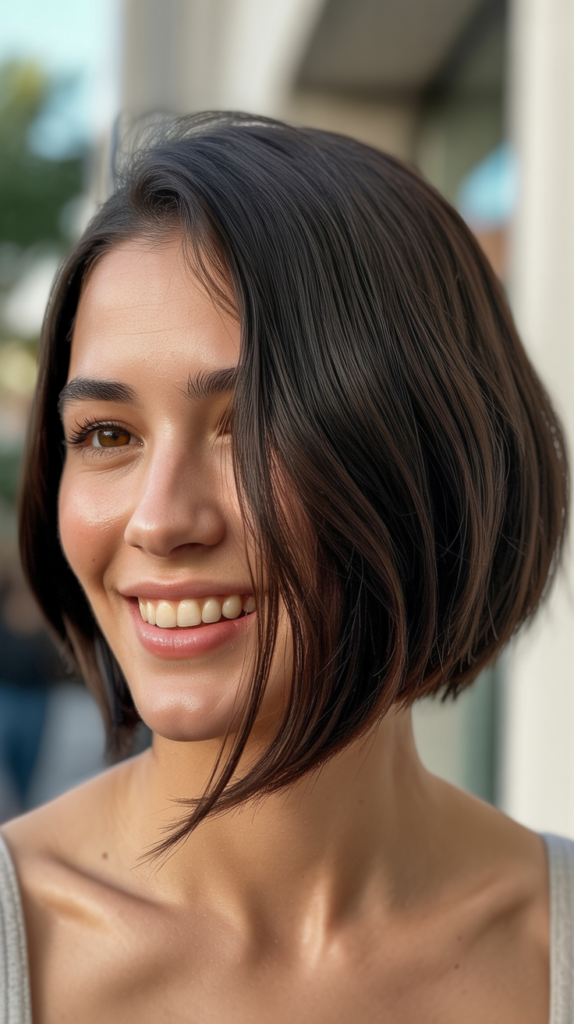
The asymmetrical bob features one side cut shorter than the other, creating dynamic visual interest and modern edge that sets it apart from traditional bob styles.
This daring cut combines sophistication with contemporary flair, making a bold statement while remaining office-appropriate.
- The length difference typically ranges from 1-3 inches, with the shorter side often tucked behind the ear to emphasize the asymmetry.
- This style works exceptionally well with straight hair as it showcases the precise cutting technique and clean lines that define the asymmetrical shape.
- Styling requires blow-drying with a round brush to add volume at the roots and a flat iron for sleek, polished ends.
- The asymmetrical bob flatters most face shapes by creating diagonal lines that elongate the face and add dimension.
- Maintenance involves trims every 6-8 weeks to preserve the intended shape and length difference between sides.
- This cut offers styling versatility, allowing you to wear it sleek and straight for professional settings or with loose waves for casual occasions.
4. The Sleek A-Line Bob
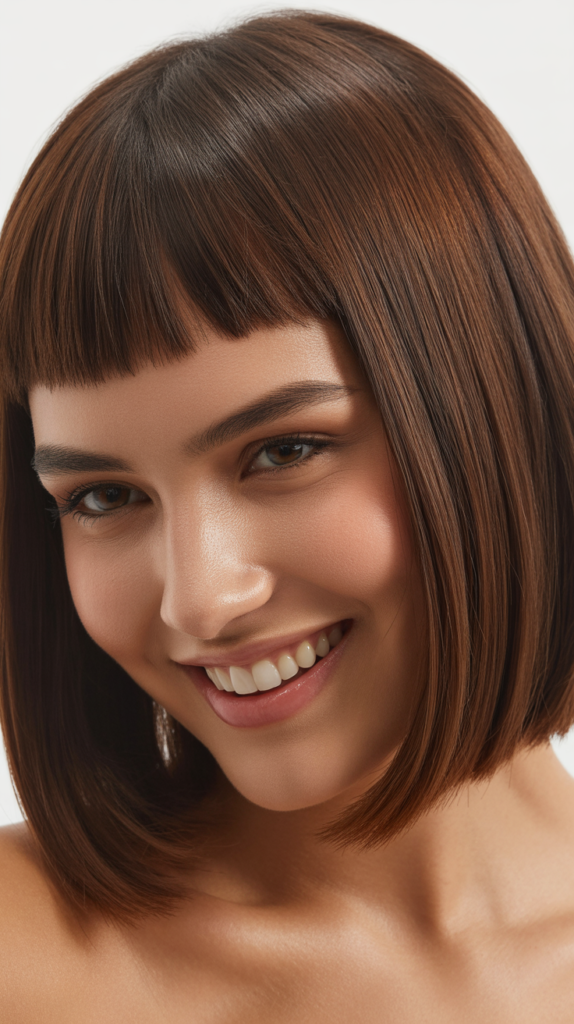
The A-line bob features hair that gradually becomes longer from the back to the front, creating an elegant angle that frames the face beautifully.
This sophisticated style combines classic elegance with modern cutting techniques, making it a perennial favorite among style-conscious individuals.
- The angle typically starts 1-2 inches shorter in the back and gradually extends to chin-length or slightly longer in the front.
- Naturally straight hair showcases the A-line shape perfectly, as the graduated angle becomes most apparent with smooth, sleek styling.
- This cut adds volume at the crown while the longer front pieces elongate the face, making it flattering for round and square face shapes.
- Styling involves blow-drying with a paddle brush, followed by flat ironing for maximum shine and smoothness.
- Use a shine-enhancing serum or oil on damp hair before styling to achieve the signature glossy finish associated with this cut.
- Regular trims every 6-8 weeks maintain the precise angle and prevent the style from losing its distinctive shape.
5. The Micro Fringe Bob
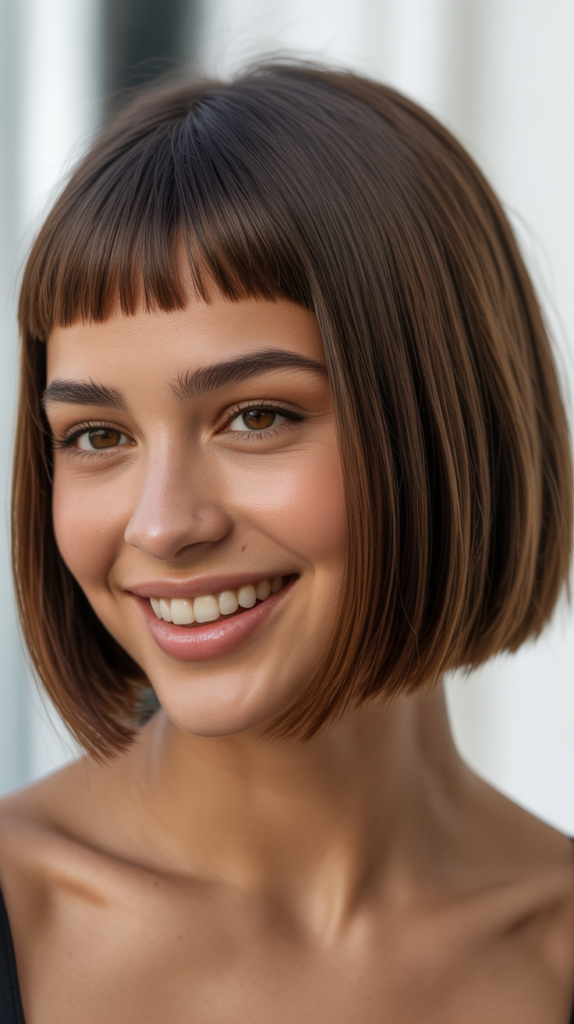
The micro fringe bob combines a classic bob haircut with ultra-short bangs cut high above the eyebrows, creating a fashion-forward look that exudes confidence and artistic sensibility.
This bold style makes a striking statement while highlighting facial features in an unexpected way.
- The micro fringe typically sits 1-2 inches above the eyebrows, creating a dramatic focal point that draws attention to the eyes.
- This style requires commitment as growing out micro bangs takes several months, so consultation with an experienced stylist is essential.
- Naturally straight hair maintains the sharp, precise line of micro bangs without requiring extensive styling or products.
- The bob portion can vary in length from jaw to shoulder, with styling options ranging from sleek and straight to slightly textured.
- This cut flatters oval and heart-shaped faces while adding visual interest to longer face shapes.
- Maintenance includes bang trims every 2-3 weeks to prevent them from growing into the eyes, though the bob itself requires less frequent trimming.
6. The Graduated Bob
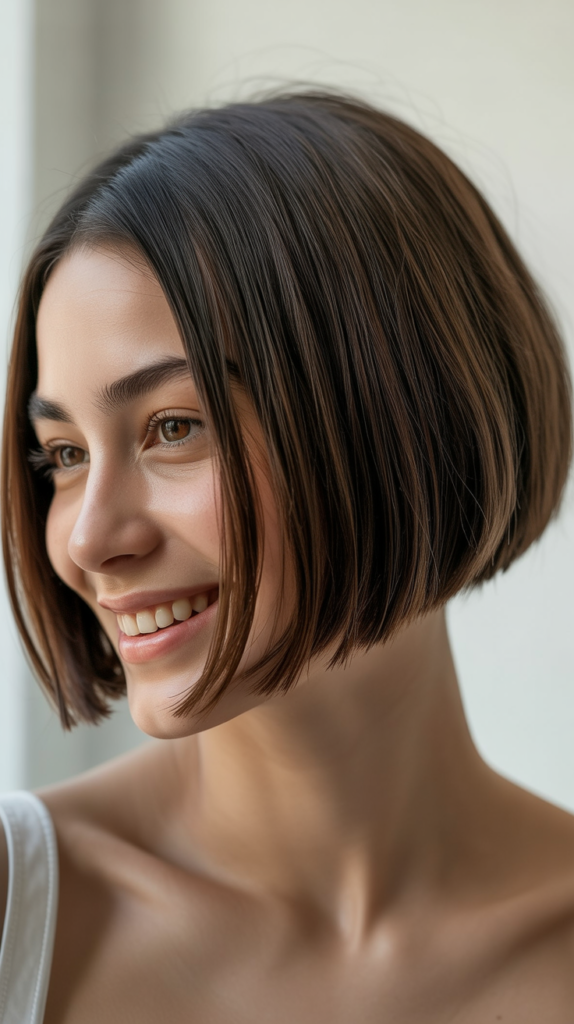
The graduated bob features stacked layers in the back that create volume and shape while maintaining longer lengths in the front for a dynamic, multi-dimensional appearance.
This technical cut provides body and movement while remaining easy to maintain and style.
- The stacking technique involves cutting shorter layers underneath longer ones, creating a rounded shape at the back of the head that adds height.
- This style works beautifully with straight hair as it emphasizes the geometric shape and clean lines created by the layering technique.
- The graduated bob flatters round and square face shapes by adding height at the crown and creating a slimming effect.
- Styling requires blow-drying with a round brush to lift the roots and enhance the volume created by the graduated layers.
- Use a volumizing mousse at the roots before blow-drying to maximize lift and hold throughout the day.
- Regular maintenance every 6-8 weeks preserves the stacked shape and prevents the back from becoming too heavy or losing definition.
7. The Ear-Length Crop
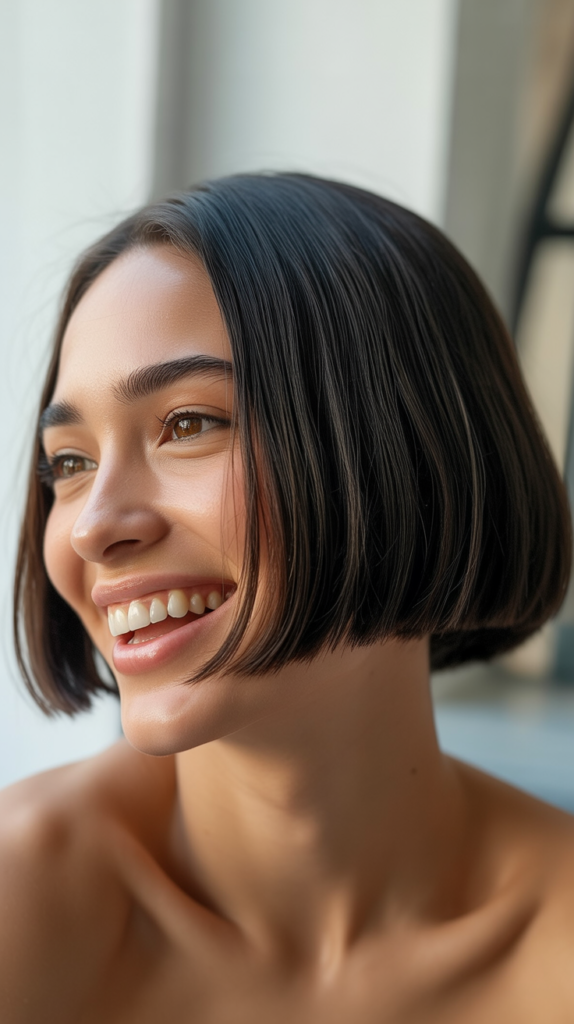
The ear-length crop offers a clean, minimalist aesthetic that sits right at ear level, creating a fresh, modern look that emphasizes facial structure.
This versatile cut provides the perfect balance between pixie and bob lengths while maintaining effortless style.
- This length typically ranges from covering the earlobes to sitting just above them, allowing for personal preference and face shape considerations.
- The ear-length crop requires minimal styling, often looking polished with just a quick blow-dry and smoothing serum.
- Naturally straight hair holds this shape exceptionally well, maintaining clean lines throughout the day without excessive product or heat styling.
- This cut flatters oval, heart-shaped, and square face shapes by creating balance and drawing attention to the eyes and cheekbones.
- Styling versatility allows for slicked-back looks, tucked behind ears for definition, or left loose for a softer appearance.
- Maintenance involves trims every 5-7 weeks to prevent the cut from growing into an awkward in-between length.
8. The Side-Swept Pixie
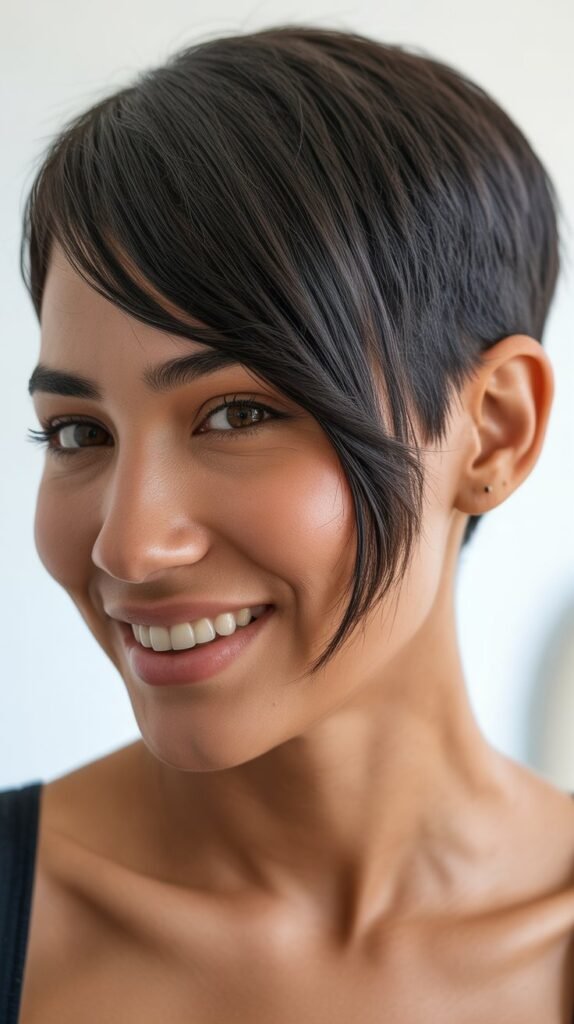
The side-swept pixie features longer hair on top that’s styled dramatically to one side, creating an asymmetrical look that combines edgy and feminine elements.
This style offers the low-maintenance benefits of a pixie cut with added visual interest from the directional styling.
- The top section typically measures 3-4 inches, allowing enough length to create the dramatic side sweep while keeping overall maintenance minimal.
- This style works excellently with naturally straight hair as it holds the swept direction without requiring excessive product or heat styling.
- Use a strong-hold gel or pomade to create and maintain the side-swept shape throughout the day.
- The side-swept pixie flatters oval, heart-shaped, and diamond face shapes while adding height to round faces.
- This cut draws attention to one side of the face, so consider which angle you prefer to showcase when choosing the direction of the sweep.
- Maintenance requires trims every 4-6 weeks to keep the sides short and the top length manageable for styling.
9. The Blunt Lob (Long Bob)
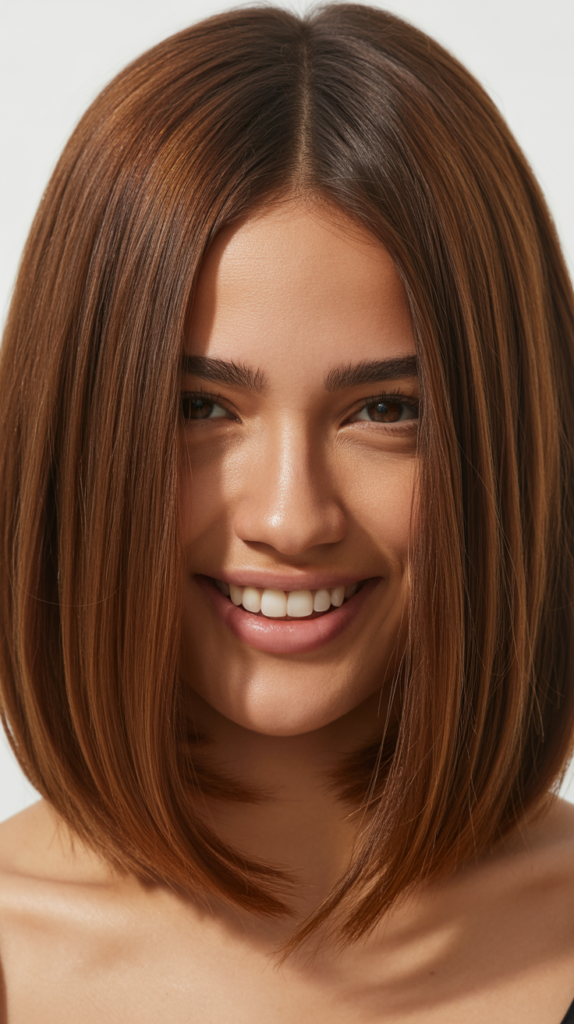
The blunt lob extends slightly longer than a traditional bob, typically falling between the chin and collarbone with a straight-across cut.
This versatile style offers more styling options than shorter bobs while maintaining the polished, modern aesthetic of blunt-cut ends.
- The lob length provides enough hair to create simple updos and ponytails while remaining short enough for easy daily maintenance.
- Naturally straight hair showcases the blunt cut beautifully, creating a thick, full appearance at the ends without layering.
- This style flatters virtually all face shapes as the length can be customized to hit at the most flattering point for individual features.
- Styling involves blow-drying smooth with a paddle brush and finishing with a flat iron for sleek, polished ends.
- The blunt lob transitions well as it grows out, making it an excellent choice for those growing out shorter styles or considering going even longer.
- Maintenance requires trims every 8-10 weeks to remove split ends and maintain the clean, blunt line.
10. The Undercut Bob
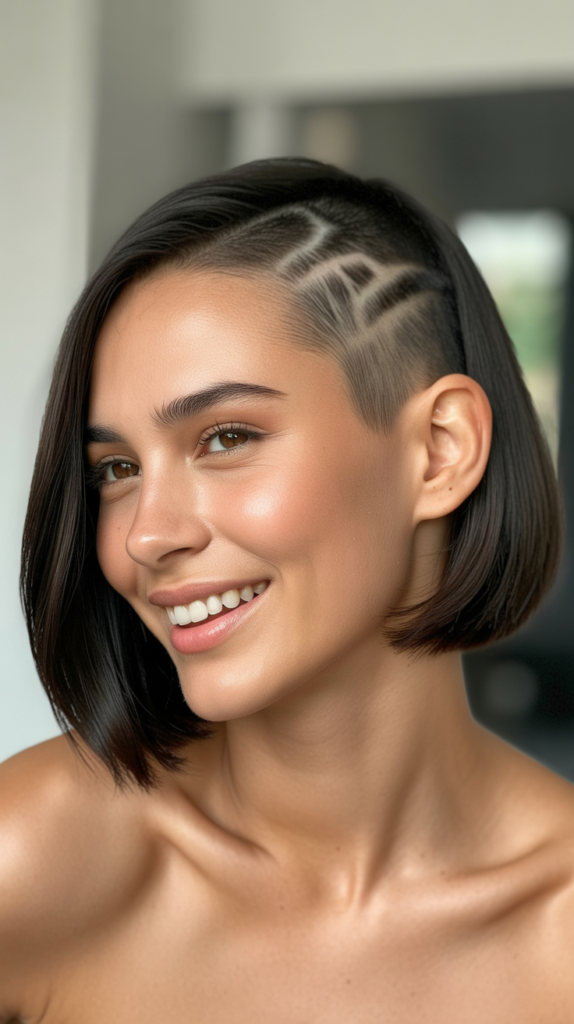
The undercut bob combines a classic bob silhouette with shaved or very short sections underneath, creating an edgy contrast between the visible longer hair and hidden shorter sections.
This bold style offers a rebellious edge while maintaining professional versatility when hair is worn down.
- The undercut section can be as subtle or dramatic as desired, ranging from small hidden sections to extensive shaving of the entire underside.
- This style provides natural cooling during warm weather while reducing overall hair volume for easier styling and maintenance.
- The undercut remains hidden when hair is worn down, making this an excellent option for those wanting edgy style with professional flexibility.
- Naturally straight hair displays the contrast between the long and short sections beautifully when styled in updos or half-up styles.
- The shaved sections require maintenance every 2-4 weeks to keep them clean and defined, while the longer hair can go 6-8 weeks between cuts.
- This cut flatters most face shapes and adds visual interest without requiring daily styling commitment.
11. The Choppy Pixie
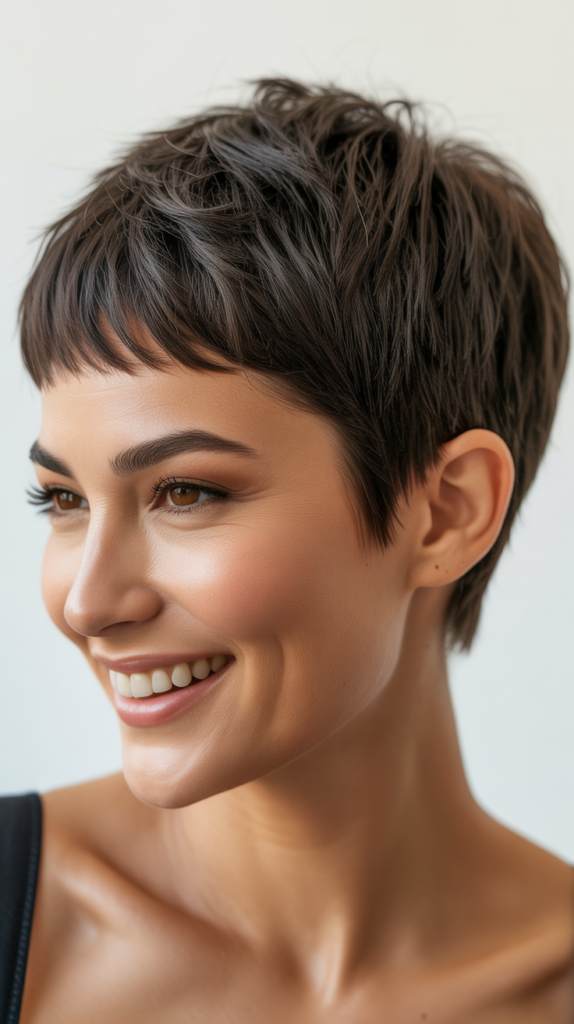
The choppy pixie features irregular, piece-y layers throughout that create texture and movement, offering a lived-in, effortlessly cool aesthetic.
This modern take on the classic pixie adds dimension and visual interest while maintaining the low-maintenance appeal of short hair.
- The chopped layers typically vary in length from 1-3 inches, creating deliberate unevenness that appears artfully tousled rather than messy.
- This style works beautifully with straight hair as the texture comes from the cut itself rather than requiring curling or extensive styling.
- Use a small amount of texturizing paste or clay to enhance separation and definition between the choppy pieces.
- The choppy pixie flatters oval, heart-shaped, and diamond face shapes while adding dimension to round faces.
- Styling takes minimal time, often requiring just fingers to tousle hair into place with a bit of product for hold.
- Maintenance involves trims every 4-6 weeks to preserve the choppy texture and prevent the cut from growing out too evenly.
12. The Sharp Angled Bob
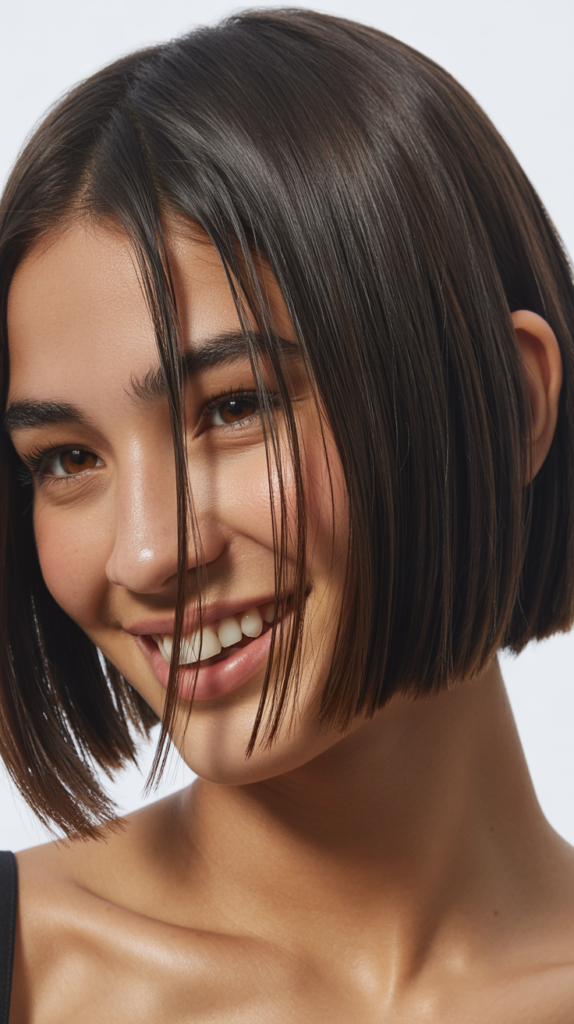
The sharp angled bob features a dramatic difference between the back and front lengths, creating a bold diagonal line that makes a strong style statement.
This geometric cut combines precision cutting with modern edge, resulting in a head-turning look that demands attention.
- The angle typically features back length at or above the nape, extending to chin-length or longer in the front, creating a striking 3-4 inch difference.
- Naturally straight hair emphasizes the precision and drama of the sharp angle without requiring extensive heat styling.
- This cut creates elongation for the face and neck, making it particularly flattering for round and square face shapes.
- Styling requires blow-drying smooth and flat ironing to maintain the sharp, clean lines that define this dramatic cut.
- The sharp angled bob makes a bold statement and works best for those confident in standing out with their hairstyle.
- Maintenance every 6-8 weeks preserves the dramatic angle and prevents the back from becoming too long and losing the distinctive shape.
13. The Wispy Pixie
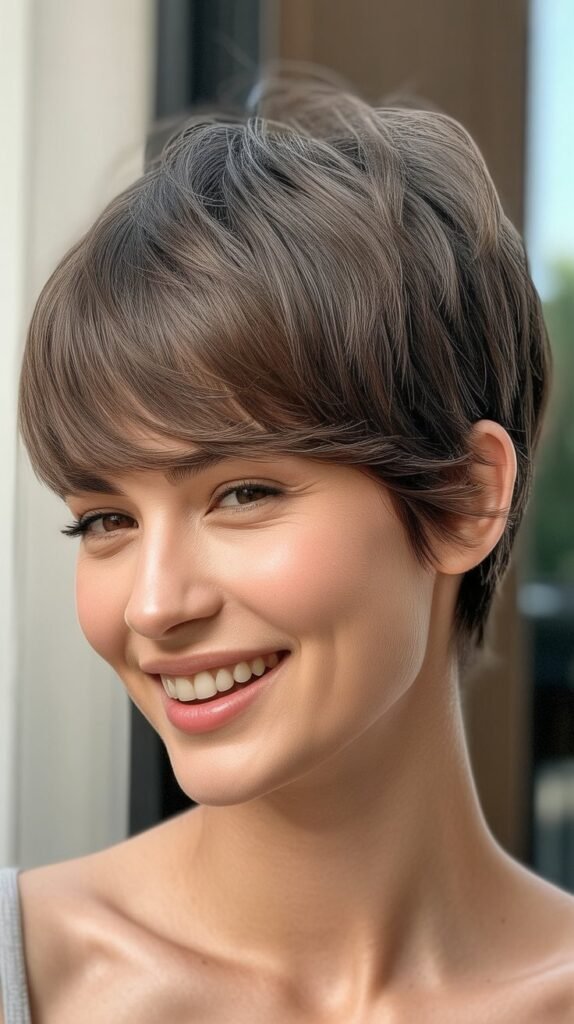
The wispy pixie combines short length with soft, feathered layers that create a delicate, feminine appearance despite the cropped length.
This gentle take on the pixie cut offers an ethereal quality while maintaining the practical benefits of short hair.
- The wispy texture comes from point-cutting and thinning techniques that create soft, feathered ends rather than blunt lines.
- This style works well with fine to medium straight hair, as thicker hair may require additional thinning to achieve the wispy effect.
- Use lightweight styling products like mousses or sprays rather than heavy pastes to maintain the airy, delicate quality.
- The wispy pixie flatters oval, heart-shaped, and diamond face shapes while softening angular features on square faces.
- Styling involves finger-styling while blow-drying to direct hair into place without creating too much structure or definition.
- Maintenance requires trims every 4-6 weeks to preserve the soft, feathered edges that characterize this gentle style.
14. The Sleek Pixie Bob
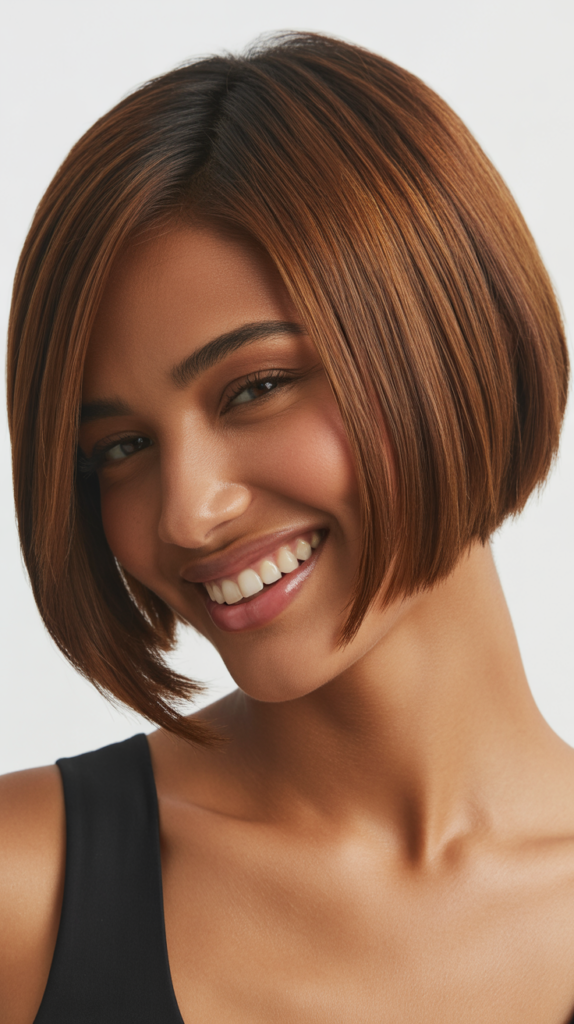
The sleek pixie bob bridges the gap between pixie and bob lengths, typically falling at ear level with smooth, polished styling.
This hybrid cut offers slightly more length than a traditional pixie while maintaining ease of styling and a modern aesthetic.
- This length typically ranges from covering the ears to just below, providing more versatility than a traditional pixie without the weight of a full bob.
- Naturally straight hair achieves the sleek finish easily with blow-drying and a flat iron, requiring minimal time and product.
- Use a smoothing cream or serum before heat styling to enhance shine and reduce any natural texture or flyaways.
- The sleek pixie bob flatters most face shapes and offers professional polish suitable for any workplace environment.
- This style can be tucked behind the ears for a different look or worn forward for more face-framing effect.
- Maintenance involves trims every 5-7 weeks to prevent the cut from losing its shape and growing into an awkward intermediate length.
15. The Layered Lob
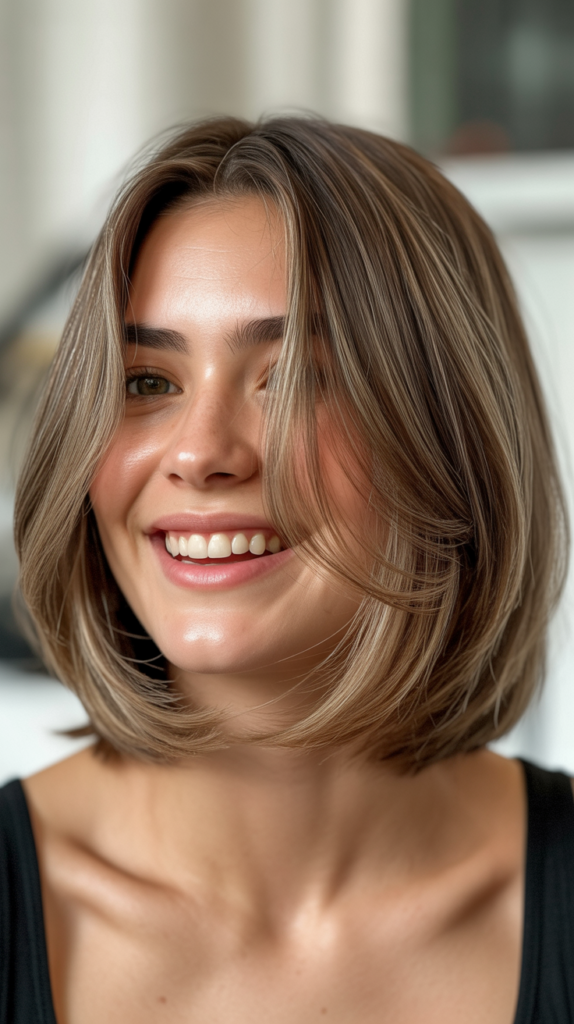
The layered lob incorporates subtle layers throughout the long bob length, adding movement and dimension while maintaining significant length.
This versatile cut provides body and flow without the stark bluntness of a one-length lob.
- The layers typically begin below the chin and increase toward the ends, creating movement without removing too much weight or length.
- This style works beautifully with straight hair as the layers create natural movement and prevent the hair from appearing flat or heavy.
- Blow-dry with a round brush to enhance the layered effect and add volume at the roots for a full, bouncy appearance.
- The layered lob flatters all face shapes as the layer placement can be customized to enhance individual features and proportions.
- This cut offers excellent styling versatility, looking great both straight and with added waves or curls for different occasions.
- Maintenance requires trims every 8-10 weeks to refresh the layers and prevent split ends while maintaining the desired length.
16. The French Bob
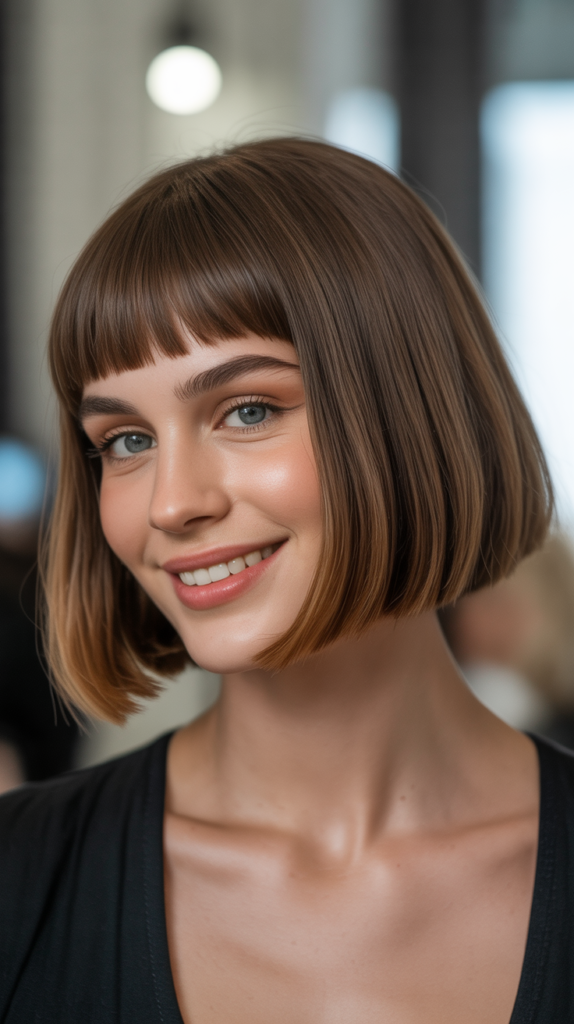
The French bob sits at jaw level with a slightly undone, effortlessly chic aesthetic that embodies Parisian style sensibility.
This classic cut features subtle layering and often includes eyebrow-grazing bangs that complete the quintessentially French look.
- The French bob typically includes bangs that graze the eyebrows and slightly shorter layers around the face for movement and softness.
- This style embraces a lived-in quality rather than overly polished perfection, making it ideal for those wanting sophisticated style without high maintenance.
- Naturally straight hair holds the French bob shape beautifully while allowing for the slightly tousled quality that characterizes this iconic cut.
- Air-drying or rough-drying with fingers creates the casual, undone texture that defines authentic French bob styling.
- This cut flatters oval, heart-shaped, and diamond face shapes while adding width to narrow or long face shapes.
- Maintenance involves trims every 6-8 weeks for the bob itself, with bang trims every 3-4 weeks to maintain the eyebrow-grazing length.
17. The Shaggy Pixie
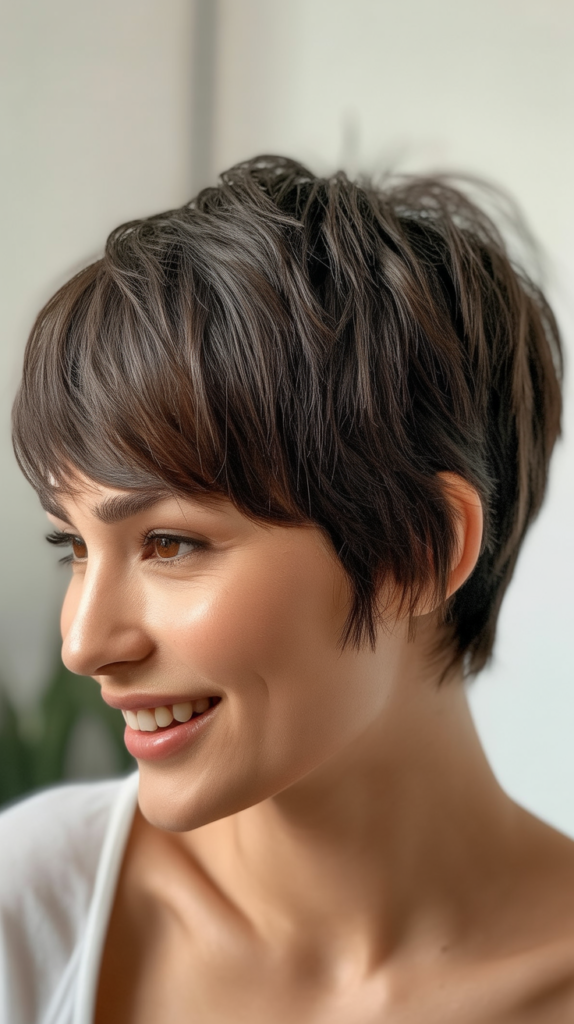
The shaggy pixie incorporates choppy layers throughout with longer, piece-y sections on top, creating a deliberately messy, rock-and-roll inspired aesthetic.
This edgy cut combines the practicality of short hair with the cool, undone vibe of shag styling.
- The shaggy texture comes from razor-cutting and point-cutting techniques that create irregular, separated pieces throughout the cut.
- This style works well with straight hair that has some natural body, as completely flat hair may struggle to hold the tousled shape.
- Use texturizing spray or dry shampoo to enhance the shaggy texture and create the piecey, separated look characteristic of this style.
- The shaggy pixie flatters oval, heart-shaped, and diamond face shapes while adding width and volume to narrow face shapes.
- Styling involves tousling hair with fingers and product rather than careful blow-drying, making this an excellent low-maintenance option.
- Maintenance requires trims every 4-6 weeks to preserve the shaggy texture and prevent the cut from becoming too grown-out or losing its deliberate messiness.
18. The Precision Bob
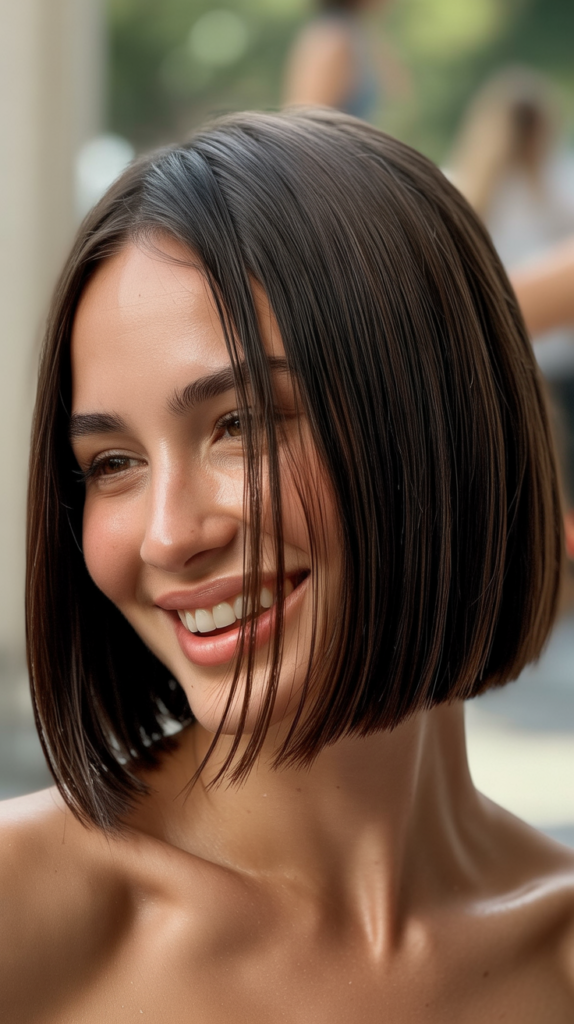
The precision bob features mathematically exact cutting techniques that create perfectly straight lines and symmetrical shapes, resulting in an architectural, high-fashion appearance.
This technical cut showcases cutting expertise while creating a bold, modern statement.
- The precision cut emphasizes exact measurements and perfectly level lines, creating a geometric quality that appears almost sculptural.
- Naturally straight hair is essential for showcasing the precision bob, as any wave or curl would disrupt the intentional geometric lines.
- This cut requires expert-level cutting skills, so choosing an experienced stylist familiar with precision cutting is crucial for achieving the desired result.
- Styling involves meticulous blow-drying and flat ironing to maintain the perfectly straight lines and smooth finish.
- The precision bob flatters oval and heart-shaped faces while creating structure and definition for round and square face shapes.
- Maintenance every 6-8 weeks is non-negotiable, as even slight growth can disrupt the precise lines and symmetry that define this architectural cut.
19. The Tapered Pixie
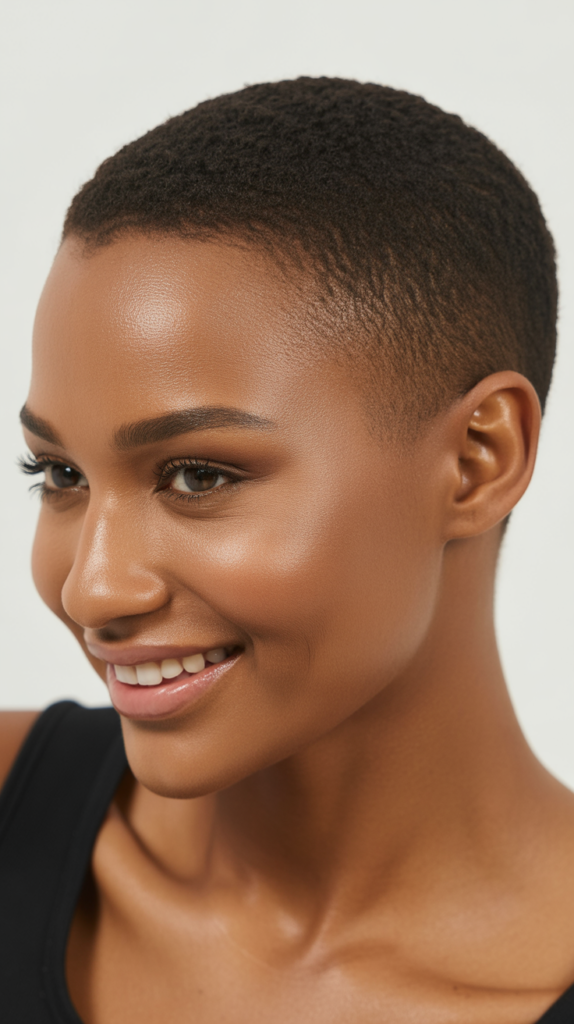
The tapered pixie features gradually shorter hair from top to bottom and front to back, creating a soft, blended transition that appears natural and polished.
This classic pixie variation offers timeless appeal with feminine shaping that flatters facial features.
- The tapering technique creates shorter hair at the nape and sides while maintaining length on top, typically ranging from 2-4 inches at the crown.
- This style works beautifully with straight hair as the tapered shape requires smooth texture to showcase the gradual length transition.
- The tapered pixie elongates the neck and draws attention to facial features, making it particularly flattering for those with delicate or refined features.
- Styling requires minimal effort, often just a small amount of product to add definition and hold the shape created by the cut.
- This cut flatters oval, heart-shaped, and diamond face shapes while adding length to round face shapes through the height at the crown.
- Maintenance involves trims every 4-6 weeks to preserve the tapered shape and prevent the sides and back from becoming too heavy.
20. The Rounded Bob
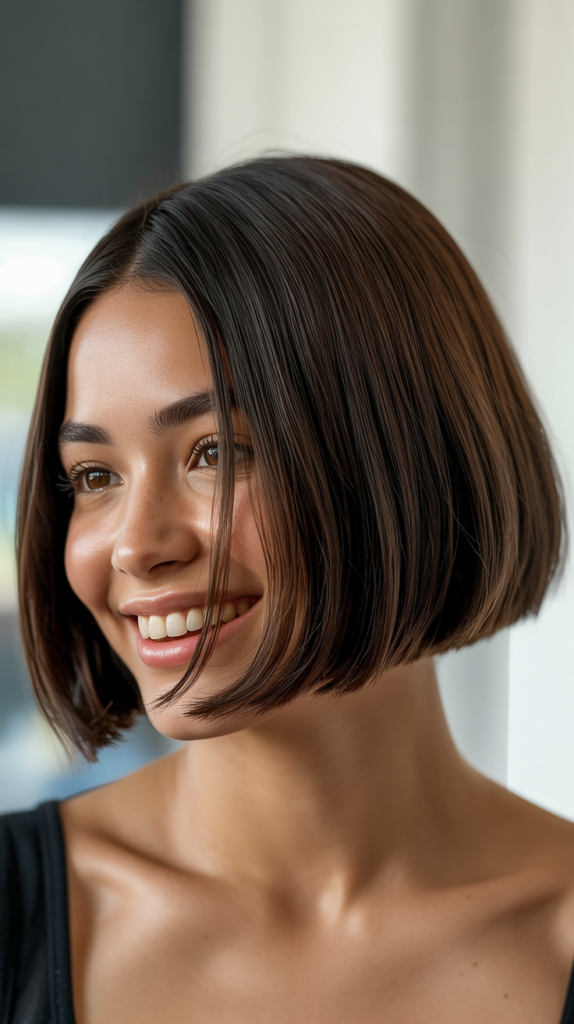
The rounded bob features a circular silhouette that curves around the head, creating soft, feminine shaping with volume at the crown and sides.
This classic cut offers timeless appeal with a gentle, approachable aesthetic that suits various style preferences.
- The rounded shape comes from internal layering that removes weight while maintaining a smooth, curved outer perimeter.
- This style works well with straight hair that has some natural body, as completely flat hair may require additional styling to achieve the rounded shape.
- Blow-drying with a round brush directs hair into the curved shape, with ends turned slightly under to enhance the circular silhouette.
- The rounded bob flatters oval, heart-shaped, and square face shapes while adding width to narrow or long face shapes.
- This cut offers a softer alternative to geometric bobs, making it ideal for those wanting modern style with traditional femininity.
- Maintenance requires trims every 6-8 weeks to preserve the rounded shape and prevent the cut from becoming too heavy or triangular.
21. The Disconnected Pixie
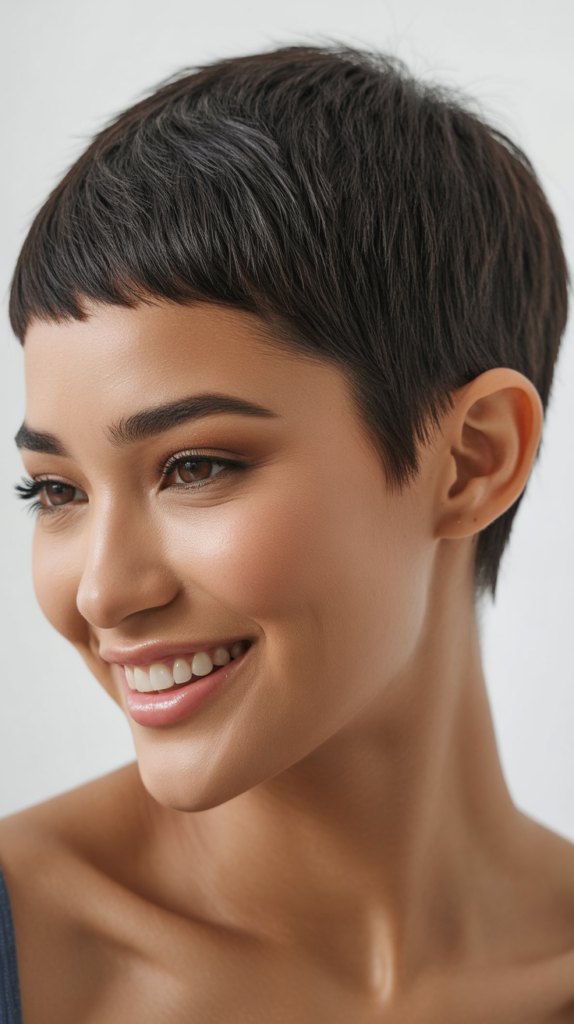
The disconnected pixie features distinct sections of different lengths without gradual blending, creating dramatic contrast and modern edge.
This avant-garde cut makes a bold statement through intentional, visible length differences that challenge traditional pixie styling.
- The disconnected technique creates distinct sections, often with very short sides and back contrasting sharply with longer top sections.
- This style requires confidence as the visible disconnection creates an intentionally unconventional appearance that stands out.
- Naturally straight hair emphasizes the disconnection by clearly showing the length differences without texture obscuring the dramatic transitions.
- Styling involves defining the separate sections with product, often using gel or pomade to emphasize the distinct areas and their different lengths.
- The disconnected pixie flatters oval, heart-shaped, and diamond face shapes while creating visual interest through geometric contrast.
- Maintenance every 4-6 weeks keeps the disconnected sections defined and prevents gradual blending that would diminish the intended dramatic effect.
22. The Baby Bangs Bob
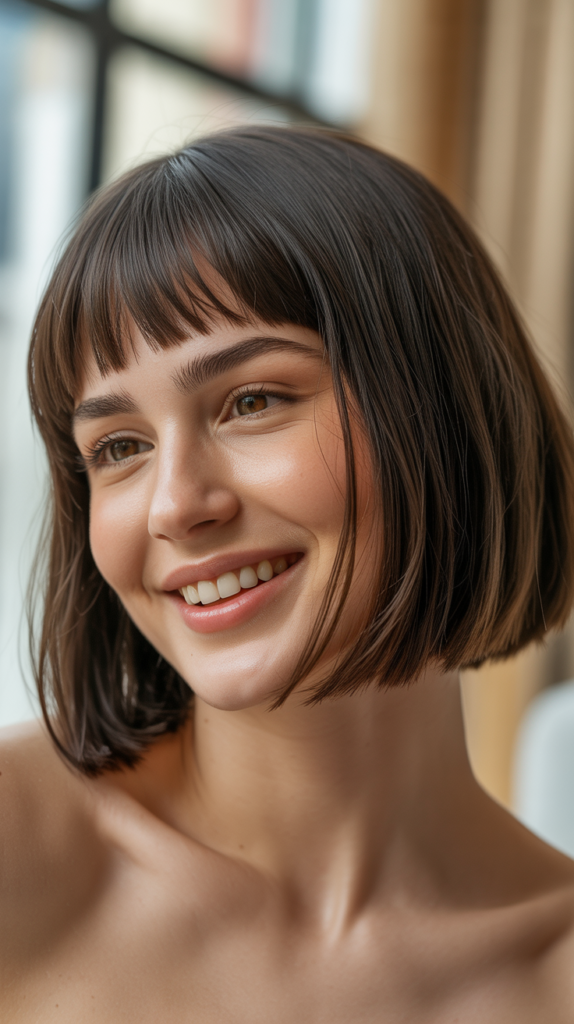
The baby bangs bob pairs a classic bob cut with ultra-short bangs that sit high on the forehead, creating a retro-inspired look with contemporary edge.
This distinctive style combines familiar and daring elements for a memorable, fashion-forward appearance.
- Baby bangs typically sit 2-3 inches above the eyebrows, creating a striking focal point that requires confidence to wear successfully.
- The bob portion can range from jaw to shoulder length, with the baby bangs creating interest regardless of the bob’s specific length or style.
- Naturally straight hair maintains the precise line of baby bangs without requiring straightening or extensive styling.
- This style works best for those with oval or heart-shaped faces, as the short bangs can visually shorten longer face shapes.
- Baby bangs require frequent trims every 2-3 weeks to maintain the intended length and prevent them from growing into regular bangs.
- The bob itself requires standard maintenance every 6-8 weeks, making this a higher-maintenance style due to the frequent bang trims needed.
23. The Stacked Pixie Bob
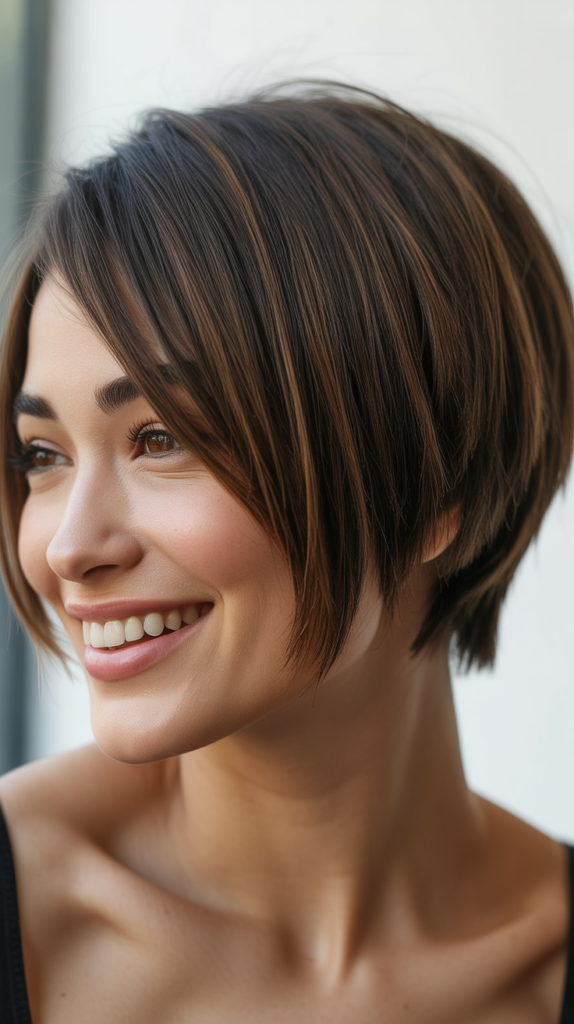
The stacked pixie bob combines the length of a pixie bob with graduated layers in the back that create volume and shape.
This hybrid cut offers the slightly longer length of a pixie bob with added dimension from stacked layering techniques.
- The stacking creates shorter layers underneath longer ones in the back, adding height at the crown while maintaining ear-length or slightly longer sides and front.
- This style provides more coverage than a traditional pixie while offering more volume and shape than a standard pixie bob.
- Naturally straight hair showcases the stacked shape clearly, with the graduated layers creating visible dimension and movement.
- Blow-drying with a round brush at the crown enhances the volume created by the stacked layers while smoothing the front and sides.
- The stacked pixie bob flatters most face shapes, with the added crown height particularly beneficial for round faces.
- Maintenance every 5-7 weeks preserves the stacked shape and prevents the back from losing definition or becoming too heavy.
24. The Side Part Bob
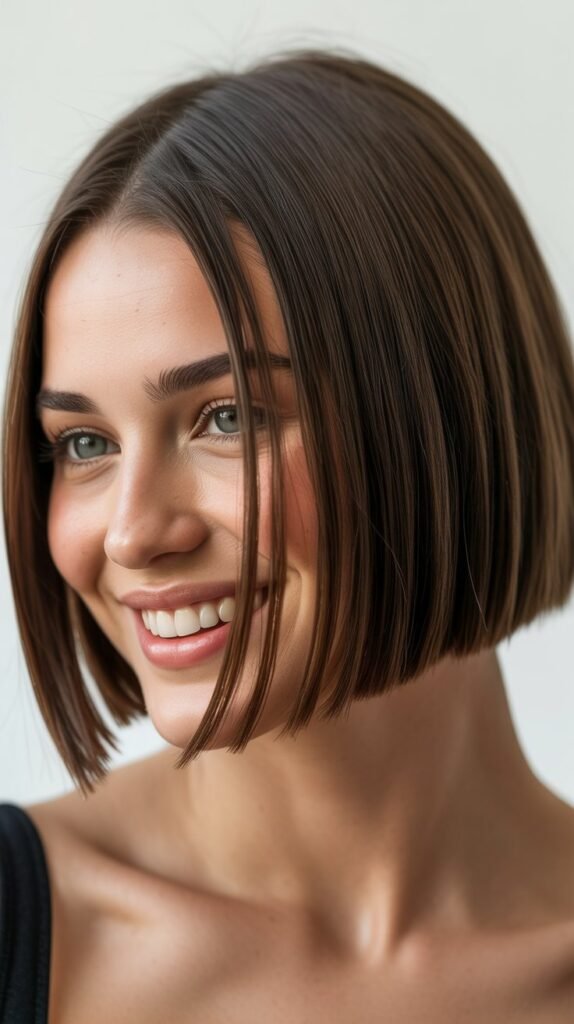
The side part bob features a dramatic off-center part that creates asymmetry and adds visual interest to a classic bob cut.
This simple styling variation transforms a basic bob into something more dynamic while requiring no additional cutting.
- The deep side part typically sits 2-3 inches from the center, creating uneven sections that can be styled differently for added dimension.
- This styling works exceptionally well with naturally straight hair, which falls smoothly on either side of the dramatic part.
- The heavier side can be swept forward to frame the face or tucked behind the ear to create completely different looks with the same cut.
- This styling technique flatters all face shapes as the placement of the part can be adjusted to complement individual features and proportions.
- Use a small amount of styling cream or serum to keep the part clean and defined throughout the day.
- This style requires no additional maintenance beyond the standard bob upkeep, making it an easy way to create variety without commitment.
25. The Sliced Bob
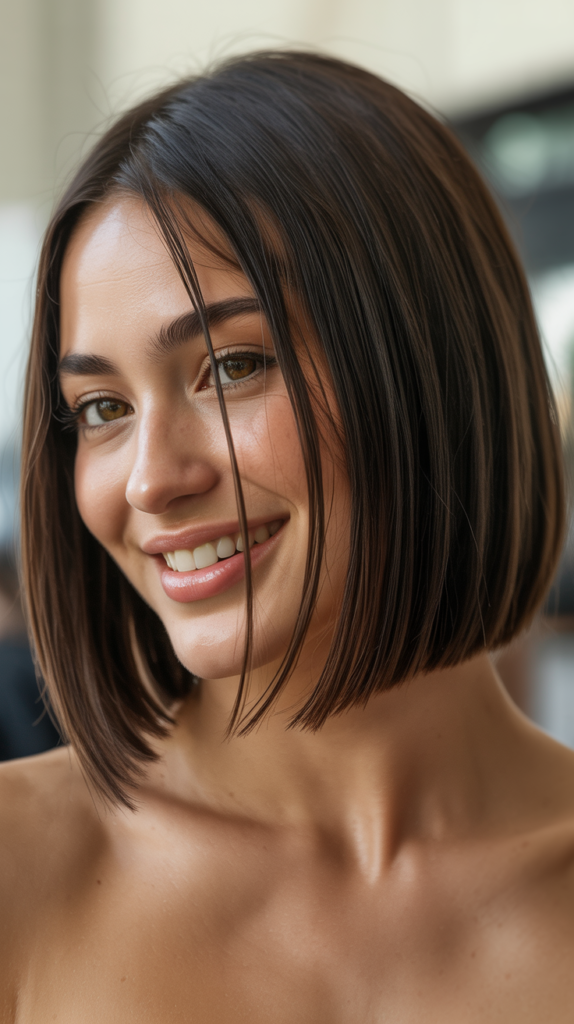
The sliced bob incorporates razor-cutting techniques that create thin, separated pieces throughout, resulting in a modern, textured finish.
This contemporary cutting method adds dimension and movement to straight hair without traditional layering.
- The slicing technique uses a razor to cut into the hair at various angles, creating irregular edges that separate naturally for textured movement.
- This method works beautifully with straight hair, as the sliced pieces display the cutting technique clearly and create visible dimension.
- The sliced bob requires less styling than blunt cuts as the texture comes from the cutting method itself rather than requiring heat styling or products.
- This cut flatters most face shapes and adds interest to fine or medium-density hair that might appear flat with blunt cutting.
- Use lightweight texturizing products to enhance the separated pieces without weighing down the sliced texture.
- Maintenance every 6-8 weeks refreshes the sliced texture and prevents the cut from growing out too evenly and losing its distinctive character.
26. The Cropped Lob
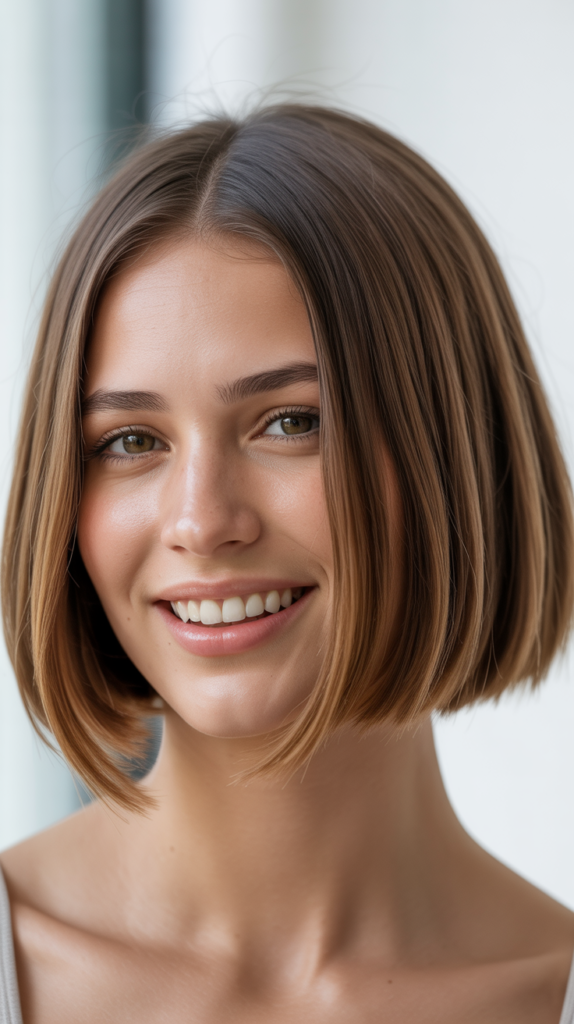
The cropped lob sits at the shortest end of lob territory, typically hitting right at the collarbone or slightly above, offering maximum versatility while maintaining true short hair status.
This length provides the styling options of longer hair while keeping maintenance relatively simple.
- This length allows for small ponytails, half-up styles, and simple updos while remaining short enough for quick wash-and-go styling.
- The cropped lob works excellently with naturally straight hair, looking polished with minimal styling effort or creating a perfect base for adding waves.
- This versatile length transitions well through growing-out phases, making it ideal for those uncertain about committing to very short styles.
- Blow-drying with a paddle brush creates smooth, sleek results, while adding a slight bend at the ends provides softer, more casual styling.
- The cropped lob flatters all face shapes as the length can be precisely customized to hit at each individual’s most flattering point.
- Maintenance every 8-10 weeks removes split ends and keeps the style fresh while allowing gradual length increase if desired.
Essential Styling Products for Short Straight Hair
For Sleek, Polished Styles:
- Heat protectant spray prevents damage from flat irons and blow dryers while creating a smooth base for styling.
- Smoothing serum or hair oil adds shine and eliminates flyaways for the glossy finish associated with sleek styles.
- Anti-humidity spray locks in smooth styling and prevents frizz in challenging weather conditions.
For Textured, Piece-y Styles:
- Texturizing paste or clay provides separation and definition without the stiff feel of traditional gels.
- Dry shampoo adds volume and texture while absorbing oils for refreshed styling between washes.
- Flexible-hold hairspray sets textured styles while allowing natural movement and touchable feel.
For Volume and Body:
- Volumizing mousse applied at roots creates lift and fullness when blow-drying straight hair.
- Root-lifting spray targets the crown area specifically for maximum height where needed most.
- Lightweight texturizing spray adds body throughout without weighing down fine straight hair.
Face Shape Considerations
Oval Face Shapes:
- Can wear virtually any of these 26 cute short straight hairstyles natural hair options successfully.
- Consider personal style preferences and lifestyle needs rather than face shape limitations.
- Experiment with different lengths and textures to find the most personally flattering options.
Round Face Shapes:
- Styles with height at the crown, like the graduated bob, stacked pixie bob, and tapered pixie, create elongating effects.
- Asymmetrical cuts and side-swept styles add angles that complement rounded facial features.
- Avoid blunt, one-length cuts that end at the fullest part of the face, instead opting for graduated or angled versions.
Square Face Shapes:
- Softening styles like the wispy pixie, rounded bob, and French bob balance angular jawlines.
- Side parts and asymmetrical cuts create diagonal lines that soften strong horizontal jawlines.
- Avoid severe, geometric cuts that emphasize angularity unless specifically seeking a bold, edgy aesthetic.
- Most pixie cuts and shorter bobs balance wider foreheads with narrower chins beautifully.
- Styles with volume at the jawline, like the rounded bob or French bob, create proportion by adding width at the chin.
- Avoid excessive volume at the crown, which can emphasize the already wider upper face.
Diamond Face Shapes:
- Cuts with width at the temples and jawline, such as the ear-length crop and sleek pixie bob, complement narrow foreheads and chins.
- Side-swept styles and asymmetrical cuts draw attention to beautiful cheekbones characteristic of diamond shapes.
- Texturized styles add softness that balances the angular quality of prominent cheekbones.
Long or Rectangular Face Shapes:
- Blunt cuts with horizontal lines, like the classic blunt bob and blunt lob, create width that balances length.
- Styles with bangs shorten the face visually while adding interest and framing features.
- Avoid excessive height at the crown, which elongates already long face shapes further.
Professional Tips for Maintaining Short Straight Hair
Between Salon Visits:
- Trim your own bangs carefully with professional hair-cutting scissors if comfortable, or schedule separate bang appointments every 2-3 weeks.
- Use a boar bristle brush daily to distribute natural oils from roots to ends, maintaining shine and health.
- Sleep on silk or satin pillowcases to reduce friction that causes bedhead and requires excessive morning styling.
- Apply leave-in conditioner to ends regularly to prevent dryness and split ends that make short hair look unkempt.
Washing and Conditioning:
- Shampoo every 2-3 days rather than daily to preserve natural oils that keep straight hair shiny and healthy.
- Use lightweight conditioners that don’t weigh down short hair or make it appear greasy.
- Rinse with cool water as the final step to seal the hair cuticle and maximize shine.
- Apply conditioning treatments weekly to maintain softness and manageability.
Heat Styling Protection:
- Always use heat protectant products before blow-drying, flat ironing, or using any heated styling tools.
- Keep flat irons at 300-350°F for fine hair and 350-400°F for medium to thick hair to prevent damage.
- Use the cool shot button on your blow dryer as the final step to set the style and add shine.
- Limit heat styling to every other day when possible, allowing hair to air-dry on alternate days.
Color Maintenance for Dyed Hair:
- Use color-safe shampoos and conditioners specifically formulated to prevent fading and maintain vibrancy.
- Apply purple or blue-toned shampoos weekly if you have blonde or gray hair to neutralize brassy tones.
- Schedule color touch-ups every 4-6 weeks for permanent color or 6-8 weeks for semi-permanent options.
- Protect colored hair from sun exposure with UV-protectant sprays or hats during extended outdoor activities.
Styling Techniques for Different Occasions
Professional Office Settings:
- Style hair sleek and smooth with minimal texture for polished, business-appropriate appearances using the classic blunt bob, sleek A-line bob, or precision bob.
- Keep products subtle with light hold and natural shine rather than obvious stiffness or excessive shine.
- Maintain clean, defined parts and smooth any flyaways with a small amount of smoothing serum on a brush.
- Consider tucking shorter styles behind ears for an extra-neat appearance during important meetings or presentations.
Casual Weekend Looks:
- Embrace natural texture and air-drying with styles like the French bob, shaggy pixie, or choppy pixie for effortless weekend vibes.
- Use dry shampoo at roots for volume and texture without the commitment of washing and restyling.
- Create piece-y, separated texture with small amounts of texturizing paste applied with fingers for relaxed styling.
- Allow hair to dry naturally while running errands, achieving lived-in texture without heat styling damage.
Evening Events and Special Occasions:
- Add sophisticated shine with smoothing serums and oils for red-carpet-worthy gloss on any short straight style.
- Create subtle waves with a small-barrel curling iron or flat iron for softness that elevates the blunt lob or layered lob.
- Use strong-hold products to create dramatic side-swept looks or slicked-back styles for fashion-forward evening appearances.
- Add decorative accessories like jeweled clips, headbands, or hair jewelry to elevate even the simplest short cuts.
Active Lifestyle and Sports:
- Choose ultra-short styles like the textured pixie, tapered pixie, or ear-length crop that require zero styling after workouts.
- Use sweat-resistant products that maintain hold during exercise without becoming sticky or uncomfortable.
- Keep hair secured with small clips or headbands during intense activities, then simply finger-style after cooling down.
- Opt for cuts that look intentionally tousled so post-workout bedhead becomes part of the style rather than a problem.
Common Mistakes to Avoid
Choosing the Wrong Length:
- Avoid cutting too short initially if you’re uncertain about short hair commitment; start with a lob or longer bob and gradually go shorter.
- Don’t assume any short style will work for your face shape without consultation; seek professional advice for your first dramatic cut.
- Resist cutting your own hair at home for precision styles like the micro fringe bob or precision bob that require expert technique.
Over-Styling:
- Avoid using excessive heat daily, which damages hair and actually makes styling more difficult over time.
- Don’t apply too much product, which weighs down short straight hair and makes it appear greasy or stiff.
- Resist over-washing, which strips natural oils and creates a cycle of dryness requiring more products and styling.
Neglecting Maintenance:
- Don’t skip regular trims thinking you’re saving length; split ends travel up the hair shaft and cause more damage.
- Avoid letting styles grow out too long before trimming, which creates awkward in-between stages difficult to style.
- Don’t ignore your specific style’s maintenance needs; pixies require more frequent trims than bobs to maintain their shape.
Product Selection Errors:
- Avoid heavy products designed for thick or curly hair, which overwhelm straight hair’s natural movement.
- Don’t use products with alcohol as the first ingredient, which dry out hair and cause damage over time.
- Resist purchasing products without considering your hair’s specific needs, density, and texture characteristics.
Transitioning Between Styles
Growing Out a Pixie:
- Schedule trims that gradually reshape the pixie into an ear-length crop, then pixie bob, and eventually a full bob as it grows.
- Use headbands, clips, and styling products to manage awkward lengths during the transition period.
- Consider temporary length solutions like extensions if you need immediate length for a special occasion during the growing-out process.
- Embrace each intermediate stage as its own style rather than viewing the entire period as an awkward phase.
Going Shorter from Medium Length:
- Book a consultation appointment before the actual cut to discuss options, view photos, and ensure realistic expectations.
- Consider cutting in stages if nervous about a dramatic change, moving from shoulder length to lob to bob to pixie over several appointments.
- Bring multiple reference photos showing the desired style from different angles to ensure clear communication with your stylist.
- Be prepared for the emotional adjustment period that often accompanies major hair transformations, even positive ones.
Switching Between Bob Styles:
- Ask your stylist to gradually transition from one bob style to another during regular maintenance appointments.
- Experiment with styling techniques on your current bob before committing to a cut; sometimes different styling achieves the desired look.
- Use the growing-out phase to transition from shorter to longer bob variations naturally without feeling like you’re waiting for length.
- Consider temporary changes like clip-in bangs or extensions to preview longer versions before committing to growing out.
Addressing Common Concerns
“Will short hair make me look masculine?”
- Short hair emphasizes facial features, bone structure, and femininity in ways long hair can obscure.
- Styles like the French bob, wispy pixie, and rounded bob specifically offer ultra-feminine takes on short hair.
- Femininity comes from confidence and personal style rather than hair length alone.
- Many women report feeling more feminine after cutting their hair short because it draws attention to eyes, cheekbones, and facial features.
“What if I don’t like it?”
- Hair grows approximately half an inch per month, so even dramatic pixie cuts reach bob length within 6-8 months.
- Extensions, wigs, and hairpieces offer temporary length solutions if you absolutely cannot wait for natural growth.
- Most women who regret cutting their hair short simply chose the wrong style for their face shape, lifestyle, or maintenance willingness rather than regretting short hair itself.
- Consider the cut carefully and work with an experienced stylist to minimize the chance of regret.
“Can I still look professional with very short hair?”
- Many corporate executives, lawyers, doctors, and professionals in conservative fields wear pixie cuts and short bobs successfully.
- The key to professional appearance lies in neat, polished styling rather than hair length.
- Styles like the sleek pixie bob, precision bob, and classic blunt bob offer particularly office-appropriate aesthetics.
- Short hair often appears more polished and put-together than longer hair that requires extensive styling to look professional.
“Will short hair work with my thin/fine hair?”
- Short hair often makes fine hair appear thicker because all strands end at similar points, creating the illusion of density.
- Blunt cuts like the classic blunt bob and blunt lob maximize the appearance of thickness for fine straight hair.
- Avoiding excessive layering prevents the thinned-out, wispy appearance that can plague fine hair in long lengths.
- Many women with fine hair report that short cuts make their hair look fuller and healthier than when worn long.
Budget Considerations
Salon Costs:
- Short hair precision cuts typically cost $50-150 depending on location, salon prestige, and stylist experience.
- More frequent maintenance for short styles increases annual hair care costs compared to longer, less frequently trimmed hair.
- Factor in bang trims every 2-3 weeks for styles with bangs, which some salons offer complimentary between regular appointments.
- Research salons carefully, as expertise in short hair cutting varies widely and affects both cost and results.
At-Home Maintenance:
- Invest in quality styling tools including a professional blow dryer ($100-300) and flat iron ($100-200) for best results.
- Purchase salon-quality products that last longer and perform better than drugstore alternatives, typically $20-40 per product.
- Consider the time savings of quick-styling short hair as a financial benefit in terms of getting ready efficiency.
- Factor in reduced product usage since short hair requires less shampoo, conditioner, and styling products per application.
Cost Comparison to Long Hair:
- While trimming frequency increases with short hair, the cost per trim often equals or exceeds long hair maintenance needs.
- Short hair typically requires fewer products overall despite needing more frequent applications of styling products.
- Time saved on daily styling, blow-drying, and detangling has real economic value in terms of productivity and convenience.
- Consider the total cost of ownership including products, tools, salon visits, and time investment when evaluating different lengths.
Celebrity Inspiration
Classic Bob Icons:
- Charlize Theron has showcased various bob lengths throughout her career, demonstrating the sophistication and versatility of well-executed bob cuts.
- Anna Wintour’s signature blunt bob with bangs has become synonymous with fashion authority and timeless style.
- Victoria Beckham’s evolution through various bob styles popularized many modern interpretations including asymmetrical and graduated versions.
Pixie Cut Pioneers:
- Audrey Hepburn’s iconic pixie in Roman Holiday set the standard for feminine short hair that remains influential decades later.
- Halle Berry has worn numerous pixie variations throughout her career, proving short hair’s compatibility with glamour and sophistication.
- Charlize Theron transformed her look with a buzz cut for Mad Max, demonstrating extreme short styles’ dramatic impact.
Contemporary Short Hair Influencers:
- Zendaya has experimented with various short straight styles, showing how younger generations embrace short hair confidently.
- Kristen Stewart’s textured short cuts demonstrate how modern styling creates edgy, fashion-forward interpretations of classic short styles.
- Emma Watson’s pixie transformation inspired countless women to embrace shorter lengths with confidence.
Seasonal Styling Adjustments
Summer Adaptations:
- Embrace ultra-short styles like pixies and crops that provide maximum cooling during hot weather months.
- Use lighter styling products that won’t melt or become sticky in heat and humidity.
- Protect hair from chlorine and salt water with leave-in conditioners before swimming.
- Apply UV-protectant sprays to prevent sun damage and color fading during extended outdoor exposure.
Winter Considerations:
- Combat static electricity with anti-static sprays and leaving in a small amount of conditioner.
- Protect hair from harsh winds and cold temperatures with stylish hats that complement your short cut.
- Use richer, more moisturizing products to combat dryness from indoor heating.
- Address hat hair by keeping a travel-size styling product and small brush in your bag for quick touch-ups.
Spring and Fall Transitions:
- Adjust product weights as humidity levels change, using lighter formulas as weather becomes more humid.
- Consider seasonal color changes that complement your short cut and the changing seasons.
- Take advantage of moderate temperatures to air-dry more frequently, giving hair a break from heat styling.
- Use these transitional seasons to try new styles or grow out cuts as weather makes styling experimentation easier.
Conclusion
Exploring 26 cute short straight hairstyles natural hair reveals the extraordinary versatility, style, and practical benefits that short hair offers modern women.
From the architectural precision of geometric bobs to the carefree ease of textured pixies, short straight hairstyles provide options for every personality, lifestyle, and aesthetic preference while celebrating the natural beauty of straight hair texture.
The journey to finding your ideal short style involves considering your face shape, understanding maintenance requirements, choosing appropriate products, and working with skilled stylists who understand the technical demands of precision short cutting.
Short hair offers liberation from lengthy styling routines, emphasizes natural facial features, and makes a confident style statement that long hair simply cannot match.
Whether you choose the classic sophistication of a blunt bob, the edgy appeal of an undercut pixie, or the French-girl charm of an undone lob, short straight hair empowers you to express your unique style while enjoying the practical benefits of reduced maintenance and styling time.
The 26 cute short straight hairstyles natural hair presented in this comprehensive guide serve as inspiration and starting points for your own short hair journey, demonstrating that beautiful, stylish hair exists at every length and that sometimes less truly is more when it comes to creating memorable, head-turning style.