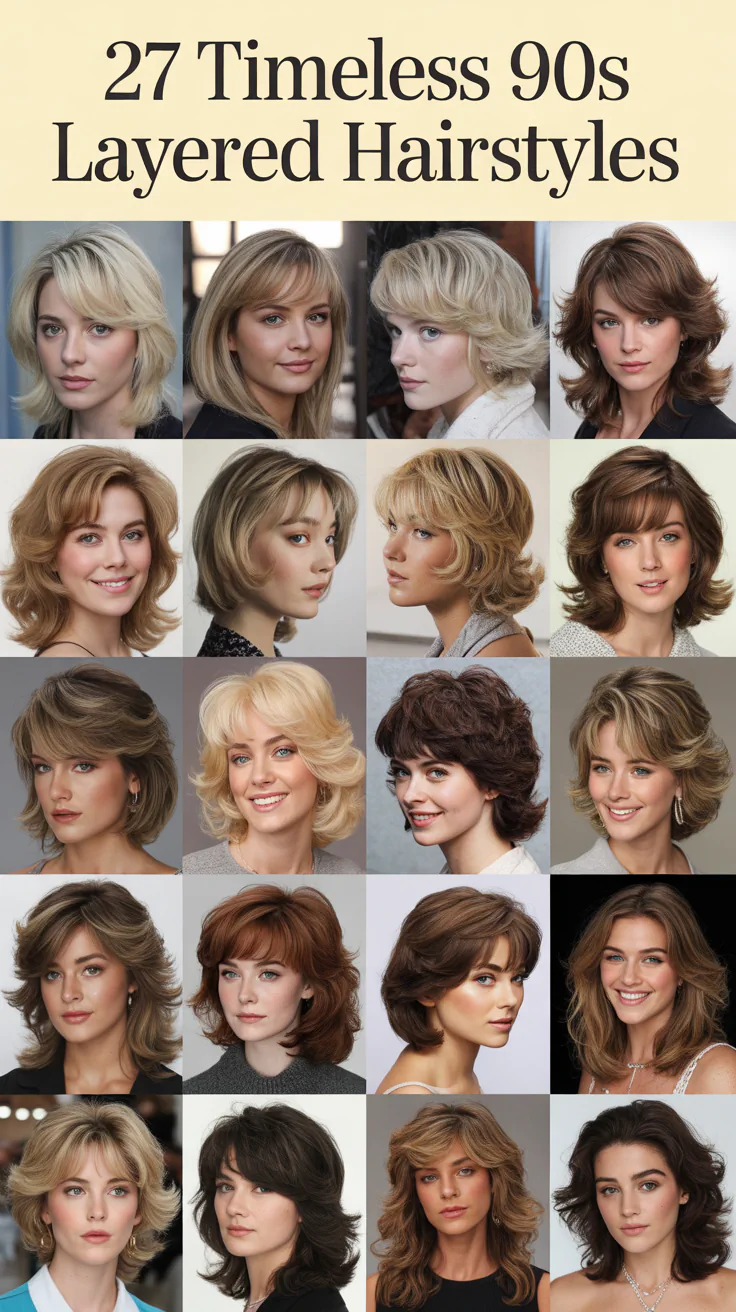
The 1990s revolutionized hair fashion with an unforgettable era of texture, volume, and effortless cool that continues to inspire modern styling.
If you’re searching for hairstyle inspiration that combines nostalgia with timeless appeal, 27 Timeless 90s Layered Hairstyles offers the perfect guide to recreating these iconic looks.
From the choppy layers that defined grunge culture to the face-framing cuts that graced magazine covers, layered hairstyles of the 90s brought dimension and movement to hair in ways that flatly styled hair simply couldn’t match.
This comprehensive article explores 27 distinct layered hairstyles that dominated the decade, providing detailed insights into how each style was created, who made it famous, and how you can adapt these looks for contemporary wear.
Whether you have short, medium, or long hair, straight or curly textures, you’ll discover multiple options that showcase the versatility and enduring appeal of 90s layering techniques.
These styles transcended simple trends to become cultural statements that represented freedom, individuality, and a rejection of overly polished perfection.
Get ready to dive into curtain bangs, shag cuts, razor-sharp layers, and so much more as we break down each style with practical styling tips and modern adaptations.
1. The Rachel Cut
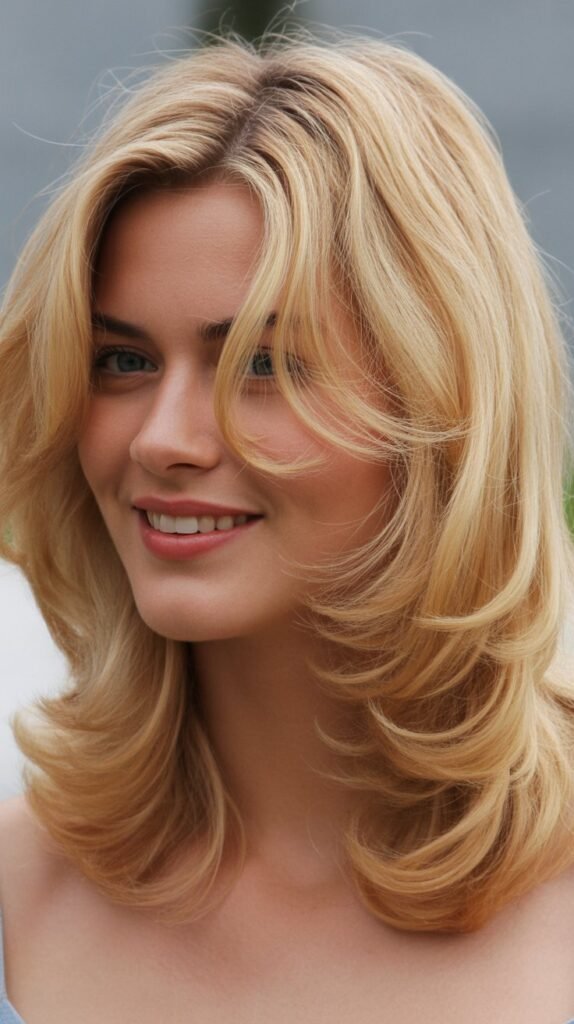
The Rachel cut became the most requested hairstyle of the 1990s, creating a cultural phenomenon that sent millions of people to salons worldwide.
This iconic style featured heavily layered, shoulder-length hair with flipped-out ends that created volume and movement.
- The haircut was named after Jennifer Aniston’s character Rachel Green on the television show Friends, which premiered in 1994.
- Hairstylist Chris McMillan created this look using a razor-cutting technique that produced soft, feathered layers throughout the hair.
- The style typically fell between chin and shoulder length with the shortest layers starting around the cheekbones.
- Volume was achieved through layers that gradually increased in length from the crown to the ends.
- The flipped-out ends were created using a round brush while blow-drying, rolling the hair away from the face.
- This cut worked best on straight to slightly wavy hair textures that could hold the signature flip.
- The style required significant maintenance with regular trims every 6-8 weeks to maintain the shape and prevent the layers from looking disconnected.
- Modern adaptations of the Rachel cut include softer, less heavily layered versions that are easier to maintain.
- Styling products like volumizing mousse and light-hold hairspray help recreate the bouncy, flipped texture.
- The cut flatters oval, heart, and diamond face shapes by adding width at the jawline.
2. Choppy Shag Layers
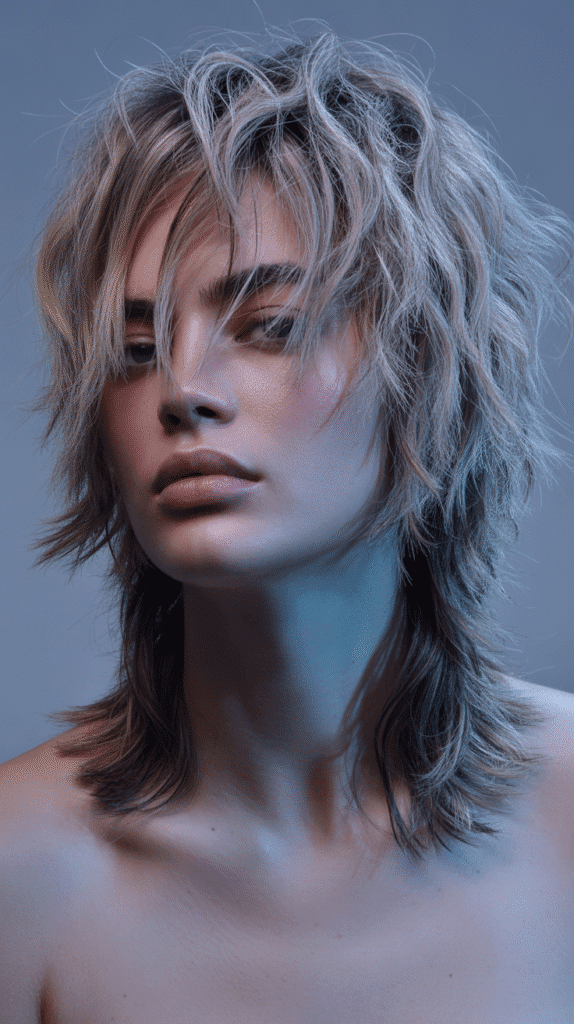
The choppy shag brought an edgy, rock-and-roll aesthetic to 90s layered hairstyles with its deliberately uneven, textured appearance.
This rebellious cut embodied the grunge movement’s anti-establishment attitude.
- The shag featured multiple layers of varying lengths cut throughout the hair, creating a purposely messy, lived-in look.
- Razor cutting techniques were essential for achieving the wispy, feathered ends characteristic of this style.
- Layers typically started at the crown and continued down to the ends, with significant variation in length between layers.
- The choppy shag worked beautifully on all hair textures, from straight to curly, adapting to natural hair patterns.
- Celebrities like Meg Ryan and Joan Jett popularized different versions of the shag throughout the decade.
- This low-maintenance cut required minimal styling, often looking best when air-dried with texturizing products.
- The unstructured nature of the shag made it perfect for those wanting a carefree, wash-and-go hairstyle.
- Modern shags incorporate more strategic layering while maintaining that signature choppy texture.
- Styling involves scrunching sea salt spray or texturizing cream into damp hair for enhanced definition.
- The versatility of the shag allows for both polished and deliberately disheveled styling options.
3. Face-Framing Layers
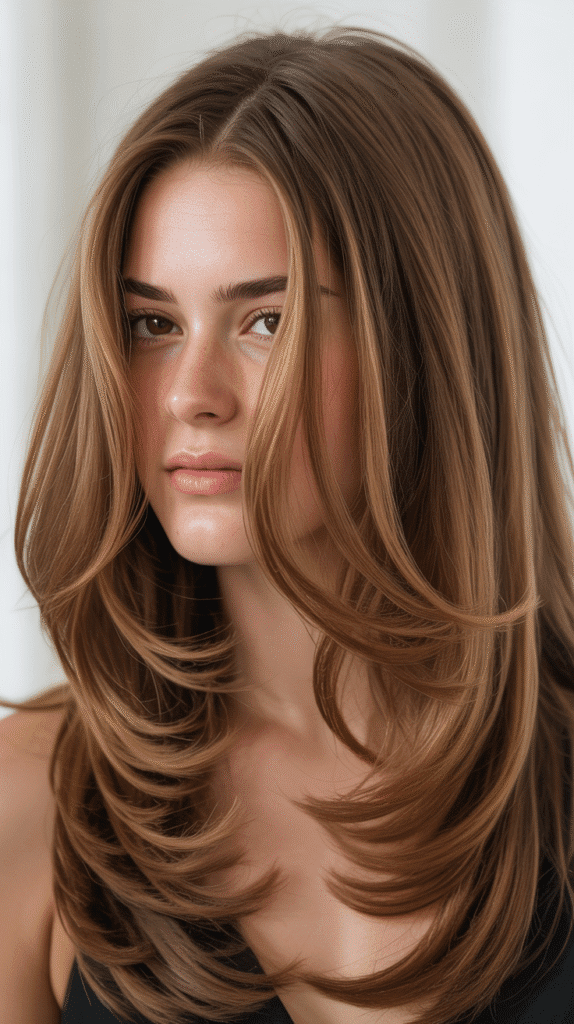
Face-framing layers became a staple technique in 90s hairstyling, creating a flattering, dimensional look that drew attention to facial features.
These strategically placed layers softened harsh lines and added movement around the face.
- The technique involved cutting shorter layers that started around the cheekbones or jawline and gradually blended into longer lengths.
- Face-framing layers created a natural contouring effect that complemented various face shapes.
- This layering style worked particularly well for those wanting to maintain length while adding dimension.
- The layers were typically cut at an angle, creating a soft, flowing frame rather than blunt lines.
- Point-cutting and slide-cutting techniques helped achieve the soft, feathered edges popular in this era.
- Celebrities like Cindy Crawford and Claudia Schiffer showcased glamorous versions of face-framing layers.
- These layers enhanced natural hair movement and made hair appear fuller and more dynamic.
- Styling involved blow-drying the layers away from or toward the face depending on the desired effect.
- The versatility of this technique allowed it to complement both casual and formal hairstyles.
- Modern adaptations include more subtle, blended face-framing that appears even more natural.
4. The Butterfly Cut
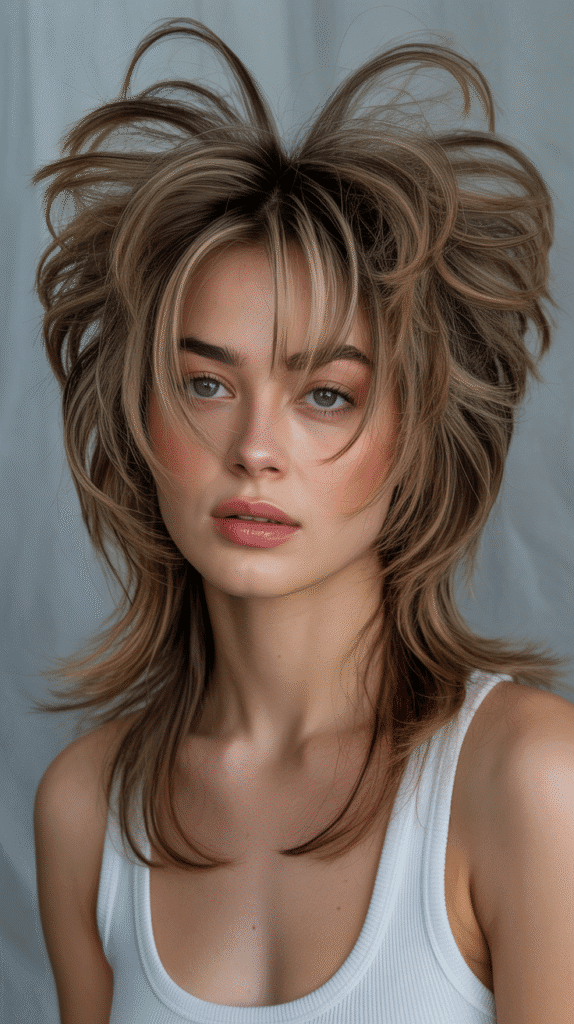
The butterfly cut emerged as a distinctive 90s layered style featuring dramatic, wing-like layers that created maximum volume and movement.
This bold cut made a statement with its exaggerated layering throughout.
- The butterfly cut got its name from the wing-shaped silhouette created when the hair was styled and viewed from the front.
- Short layers at the crown created height and volume while longer layers below added fullness at the sides.
- This cut typically featured layers that were significantly shorter on top, gradually increasing in length toward the bottom.
- The dramatic contrast between layer lengths created a voluminous, almost architectural shape.
- Styling required blow-drying with a round brush to emphasize the lifted crown and flipped ends.
- The butterfly cut worked particularly well on thick, medium to long hair that could support the volume.
- This style complemented round and square face shapes by adding vertical dimension.
- Hair was often styled with maximum volume at the crown, tapering down to create the butterfly wing effect.
- Texturizing sprays and volumizing products were essential for maintaining the lifted, separated layer appearance.
- Contemporary versions feature softer, more wearable interpretations while maintaining the signature volume.
Image Prompt: “90s butterfly haircut with dramatic layered wings, voluminous crown, medium brown hair, styled with movement and height, retro beauty photography”
5. Long Layers with Curtain Bangs
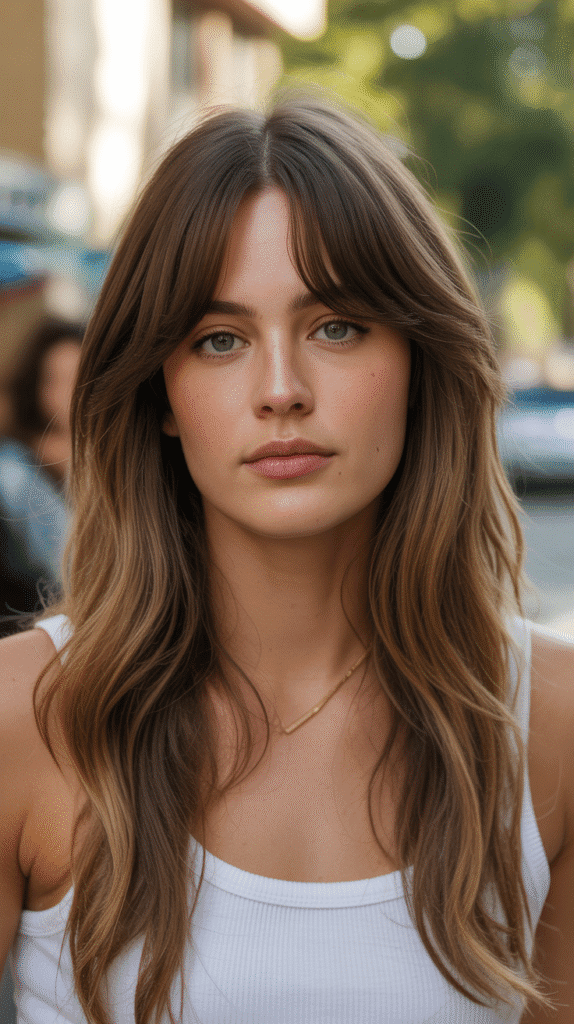
Long layers combined with curtain bangs created one of the most romantic and versatile looks of the 90s.
This pairing offered softness and femininity while maintaining an effortlessly cool vibe.
- Curtain bangs parted down the middle and swept to either side of the face, framing features beautifully.
- Long layers started below the shoulders and were cut to create subtle movement without sacrificing length.
- The combination created a bohemian, carefree aesthetic that appealed to those wanting low-maintenance style.
- This look worked exceptionally well on straight to wavy hair textures that could naturally fall into place.
- The curtain bangs were typically cut to cheekbone or chin length, gradually blending into the longer layers.
- Styling involved minimal effort, often just blow-drying with fingers or allowing hair to air-dry naturally.
- The parted bangs created a face-slimming effect that flattered various face shapes, particularly oval and heart-shaped faces.
- Long layers prevented hair from looking heavy or flat by removing weight while maintaining overall length.
- This style experienced a major resurgence in recent years, proving its timeless appeal.
- Modern versions incorporate more texturizing and piecey separation for an updated, lived-in look.
6. Razor-Cut Layers
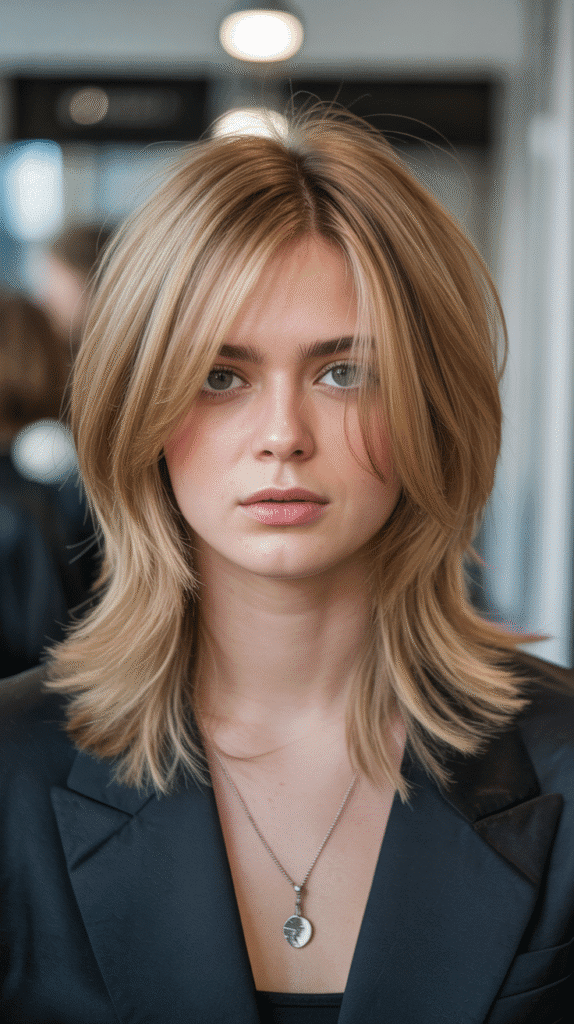
Razor-cut layers defined much of 90s hairstyling with their distinctively soft, feathered edges and effortless texture.
This cutting technique created a lighter, more mobile quality compared to scissor-cut styles.
- The razor-cutting technique involved using a straight razor instead of scissors to slice through hair at an angle.
- This method created softer, more textured ends rather than the blunt lines produced by scissor cutting.
- Razor cuts removed bulk and weight, making them ideal for thick or heavy hair types.
- The resulting layers had a wispy, feathered appearance that moved naturally and caught light beautifully.
- This technique worked particularly well for creating piecey, separated strands that enhanced texture.
- Razor-cut layers required skilled execution to avoid creating frizz or removing too much density.
- The soft edges created by razor cutting blended seamlessly, eliminating harsh demarcation lines between layers.
- Styling was simplified because the natural texture created by razor cutting required minimal product or effort.
- Air-drying often produced excellent results, with hair falling into its natural pattern with enhanced definition.
- Modern stylists continue to use razor-cutting techniques for creating soft, contemporary layered looks.
7. The Punk Pixie with Long Layers
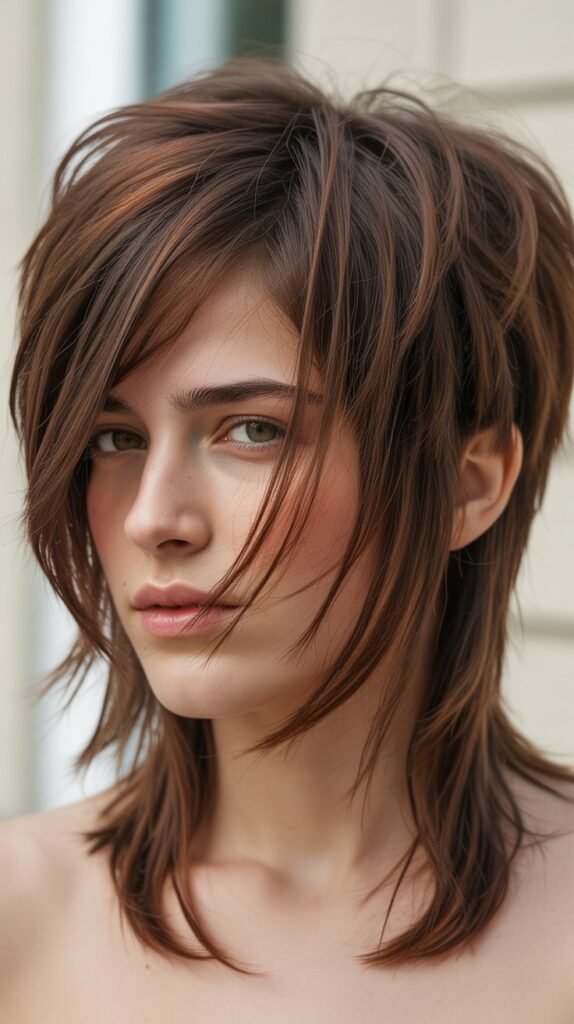
The punk pixie with long layers represented the edgier side of 90s fashion, combining short cropped sections with strategically longer pieces.
This rebellious cut challenged conventional beauty standards.
- The style featured very short hair at the back and sides with longer, choppy layers on top and sometimes at the front.
- This dramatic contrast created a spiky, textured silhouette that embodied punk rock attitude.
- Styling involved using strong-hold gel or wax to create separation and texture in the longer layers.
- The longer pieces could be styled forward, upward, or in multiple directions for varied looks.
- This cut required confidence and regular maintenance to keep the short sections cropped and the shape intact.
- The punk pixie flattered angular face shapes and those with strong facial features.
- Color was often incorporated, with bleached blonde, vibrant colors, or chunky highlights adding to the edgy aesthetic.
- The versatility allowed for both extremely textured, spiked styling and softer, more tousled looks.
- This style influenced later decade’s variations of the pixie cut with disconnected lengths.
- Modern interpretations feature more refined cutting techniques while maintaining the signature length contrast.
8. Bouncy Layered Bob
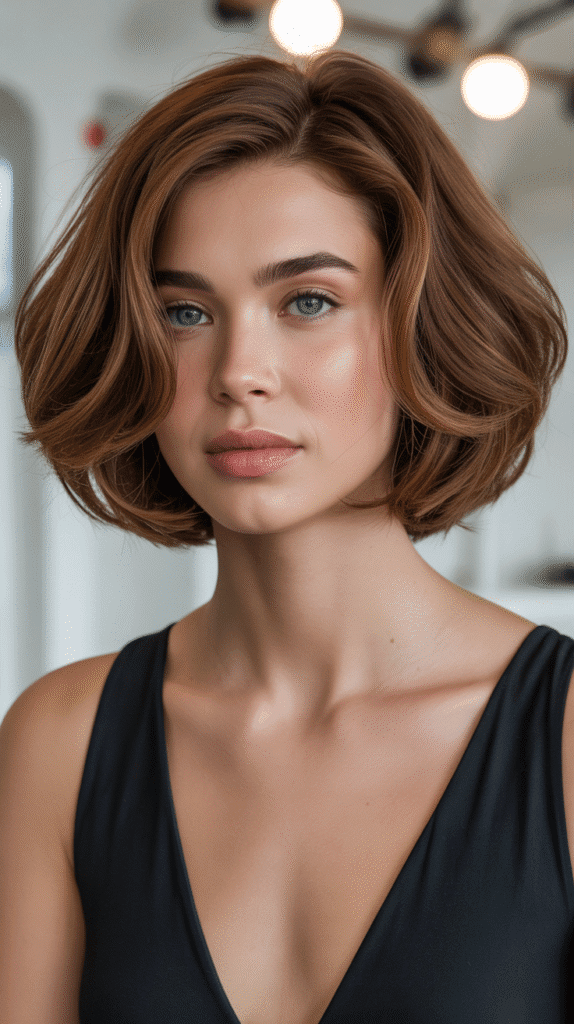
The bouncy layered bob combined classic bob structure with 90s layering techniques to create a sophisticated yet playful style.
This cut offered polish with personality.
- The bob length typically fell between chin and shoulder length with layers cut throughout for movement.
- Internal layering removed weight while maintaining the bob’s perimeter shape and density.
- The style was characterized by its rounded, voluminous silhouette that bounced with movement.
- Blow-drying with a round brush created the signature lift and curve at the ends.
- This cut worked particularly well on straight to slightly wavy hair that could hold the styled shape.
- The layered bob flattered most face shapes, with the length and styling adjusted to suit individual features.
- Styling required more effort than wash-and-go cuts but delivered a polished, professional appearance.
- The internal layers prevented the bob from looking too heavy or triangular in shape.
- Celebrities like Katie Holmes and Victoria Beckham later popularized sleeker variations of the layered bob.
- Contemporary versions incorporate more texture and less rigid structure for easier maintenance.
9. Graduated Layers
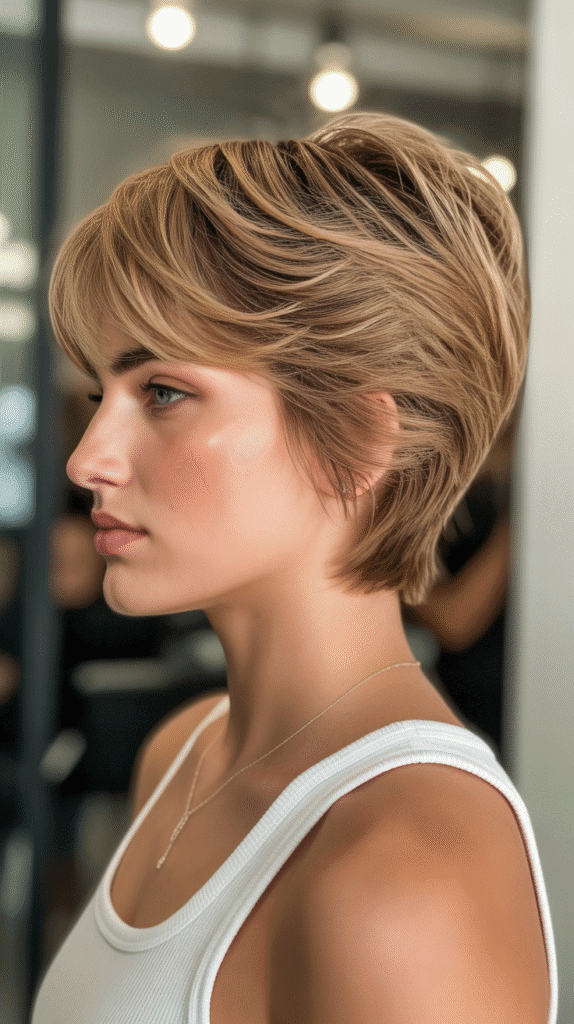
Graduated layers created a stacked, dimensional effect with shorter layers at the back gradually lengthening toward the front.
This technique added drama and architectural interest to hairstyles.
- The graduation technique involved cutting hair at an angle, creating distinct layers that stacked upon each other.
- Back sections were cut shorter, with each subsequent layer increasing in length as it moved forward.
- This created a wedge-like or triangular silhouette when viewed from the side.
- Graduated layers added significant volume at the crown and back while maintaining length at the front.
- The style worked exceptionally well for fine hair, as the layering created the illusion of thickness and fullness.
- Dorothy Hamill’s famous wedge cut from the 1970s influenced 90s interpretations of graduated layering.
- Styling involved blow-drying to emphasize the stacked layers and create separation between sections.
- The dramatic shape required regular maintenance to prevent growing out into an unbalanced silhouette.
- This technique complemented sleek, polished styling as well as textured, tousled looks.
- Modern graduated cuts feature softer transitions between layers for a less severe appearance.
10. Feathered Layers
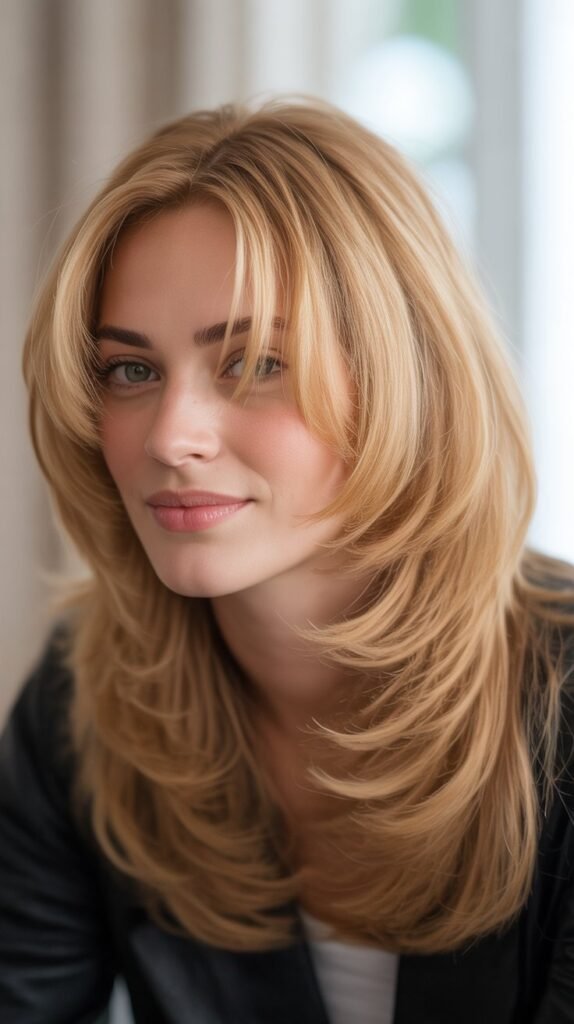
Feathered layers brought a soft, romantic quality to 90s hairstyles with their delicate, wing-like appearance.
This technique created flowing movement that was both feminine and flattering.
- Feathering involved cutting hair at an angle and using point-cutting techniques to create soft, tapered ends.
- The layers were cut to flip outward or curve inward, creating a feather-like pattern.
- This style was most effective on straight to slightly wavy hair that could be easily shaped with heat styling.
- Blow-drying with a round brush while rolling the hair away from the face created the signature feathered flip.
- Feathered layers added softness around the face and created a face-framing effect.
- The technique removed weight and bulk while maintaining a cohesive, flowing appearance.
- Farrah Fawcett’s iconic 1970s feathered style continued to influence 90s interpretations.
- Styling products like mousse and hairspray helped maintain the shape and prevent the feathers from falling flat.
- This look complemented various face shapes by directing volume and movement strategically.
- Contemporary takes on feathered layers feature more subtle, natural-looking versions with less pronounced flipping.
11. The Mullet with Soft Layers
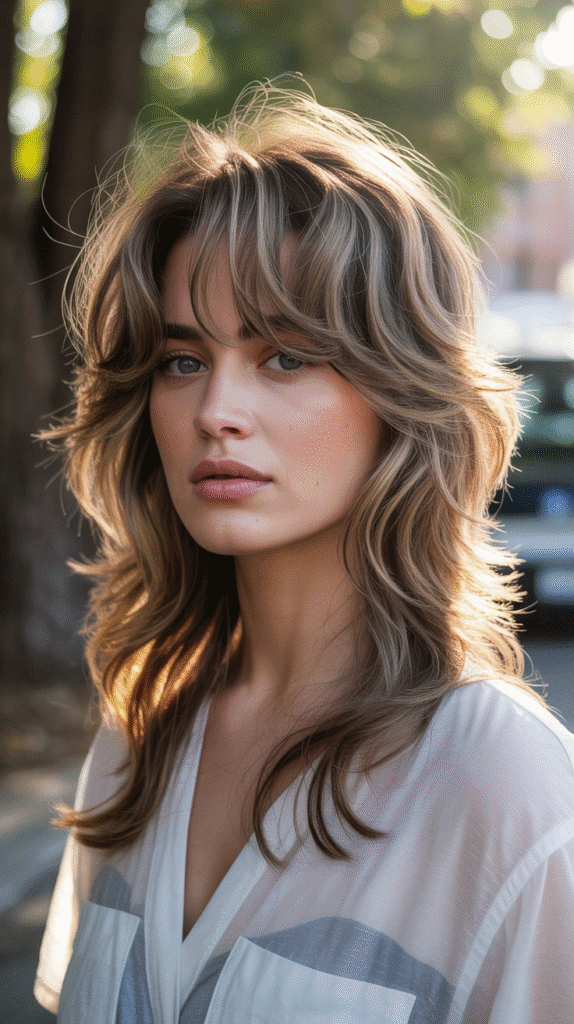
The 90s mullet evolved from its 80s predecessor with softer, more feminine layering that made it surprisingly wearable.
This controversial style maintained its business-in-the-front, party-in-the-back philosophy.
- The 90s mullet featured shorter, layered sections around the face and crown with significantly longer hair at the back.
- Unlike the harsh, abrupt transitions of 80s mullets, 90s versions incorporated gradual layering for better blending.
- The front layers were often cut to create movement and texture rather than the severe, teased look of the previous decade.
- This style appeared across various subcultures, from country music to alternative rock scenes.
- Styling options ranged from sleek and straight to curly and voluminous, depending on personal preference.
- The mullet challenged gender norms and became a statement of individuality and non-conformity.
- Modern mullet revivals feature even more exaggerated layering and deliberate styling for a fashion-forward appearance.
- The cut required confidence and commitment, as it created a distinctive, unmistakable silhouette.
- Maintenance involved keeping the shorter front sections trimmed while allowing back sections to grow.
- This polarizing style has experienced surprising resurgences in fashion-forward circles.
12. Layered Lob (Long Bob)
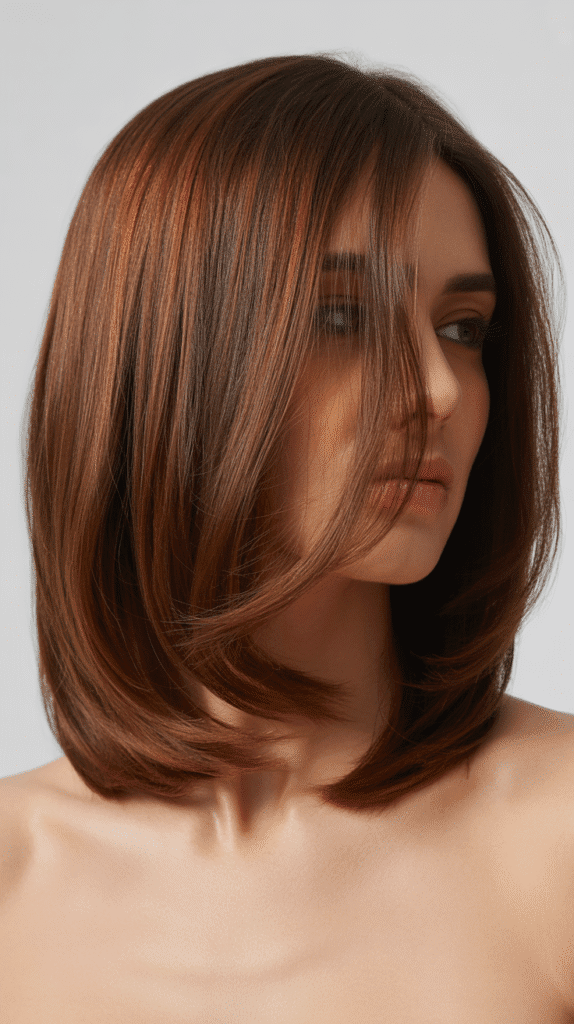
The layered lob emerged as a sophisticated compromise between long hair and bob cuts, offering versatility and modern elegance.
This length proved universally flattering across ages and face shapes.
- The lob length typically fell between the collarbone and shoulders, creating an elongated yet manageable silhouette.
- Internal layering throughout the cut prevented the style from looking heavy or blocky.
- Subtle face-framing layers added dimension while maintaining a relatively uniform perimeter.
- This cut worked beautifully on all hair textures, adapting to natural wave patterns or styled straight.
- The length allowed for various styling options including updos, half-up styles, and full down looks.
- Blow-drying with a paddle brush created sleek, polished results while diffusing enhanced natural texture.
- The layered lob became popular among those wanting to transition from long to shorter hair gradually.
- This style required less maintenance than shorter bobs while offering more styling versatility than very long hair.
- Face-framing highlights or balayage enhanced the dimensional appearance created by layering.
- The lob’s enduring popularity demonstrates its status as a genuinely timeless style.
13. Chunky Highlighted Layers
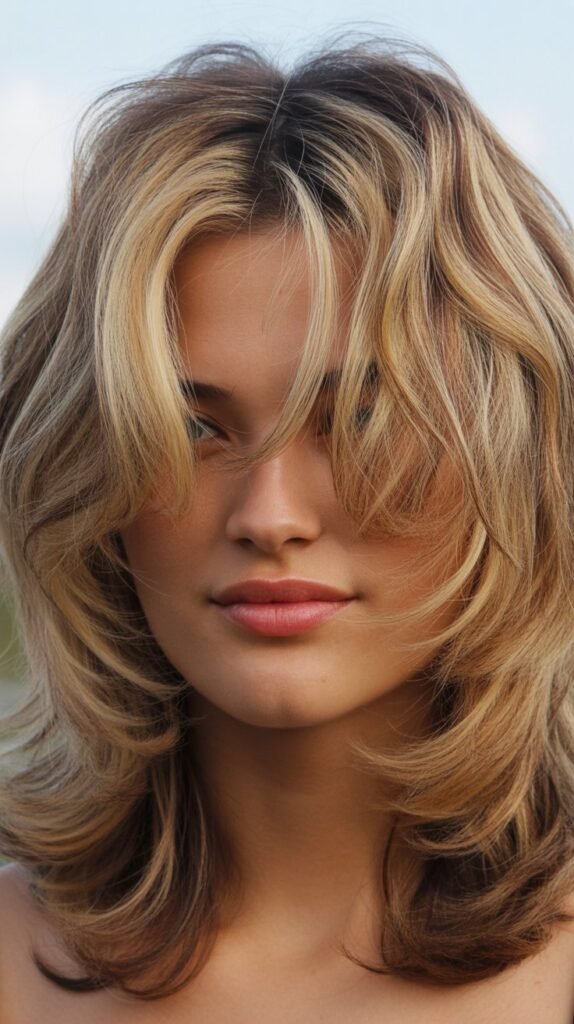
Chunky highlighted layers combined color and cutting techniques to create bold, dimensional looks characteristic of 90s excess.
This style made no apologies for its dramatic, high-contrast appearance.
- Thick sections of hair were highlighted in colors significantly lighter than the base, creating obvious contrast.
- The layering enhanced the visibility of the chunky highlights by separating hair and preventing colors from blending.
- Popular color combinations included dark brown with platinum blonde, or light brown with caramel.
- The obvious, almost striped appearance was intentional, contrasting sharply with today’s blended balayage techniques.
- Celebrities like Christina Aguilera and Gwen Stefani popularized extreme versions of chunky highlights.
- The combination of layers and highlights created maximum dimension and visual interest.
- Styling involved enhancing texture to showcase the different colors throughout the layers.
- This look required significant upkeep with regular toning and root touch-ups to maintain the stark contrast.
- The chunky highlight trend represented the decade’s embrace of bold, unapologetic aesthetic choices.
- Modern interpretations feature more subtle, money-piece highlights that reference 90s chunky streaks.
14. Wispy Layered Bangs
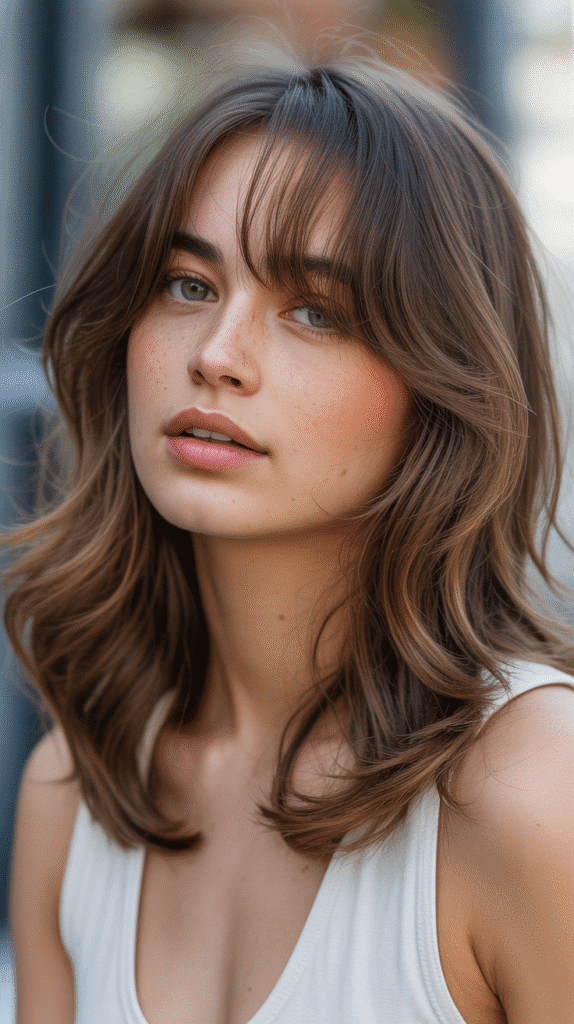
Wispy layered bangs added softness and romance to any hairstyle, creating an effortless, girl-next-door appeal.
These delicate, textured bangs complemented longer layered styles beautifully.
- Wispy bangs featured thin, separated strands cut to various lengths for a soft, airy appearance.
- Point-cutting and razor techniques created the feathery, non-uniform edges characteristic of this style.
- The bangs were typically cut to fall between the eyebrows and eyelashes, though length varied.
- This style worked particularly well for those hesitant about full, heavy bangs.
- The wispy texture allowed for easy growing out without an awkward in-between phase.
- Styling involved minimal effort, often just blow-drying with fingers or allowing bangs to air-dry naturally.
- The light, airy quality prevented wispy bangs from overwhelming delicate facial features.
- These bangs complemented all face shapes by adding softness without creating harsh lines.
- The low-maintenance nature made them appealing to those wanting bangs without significant styling commitment.
- Modern wispy bangs incorporate similar techniques with even more textured, piecey separation.
15. Heavily Layered Shag
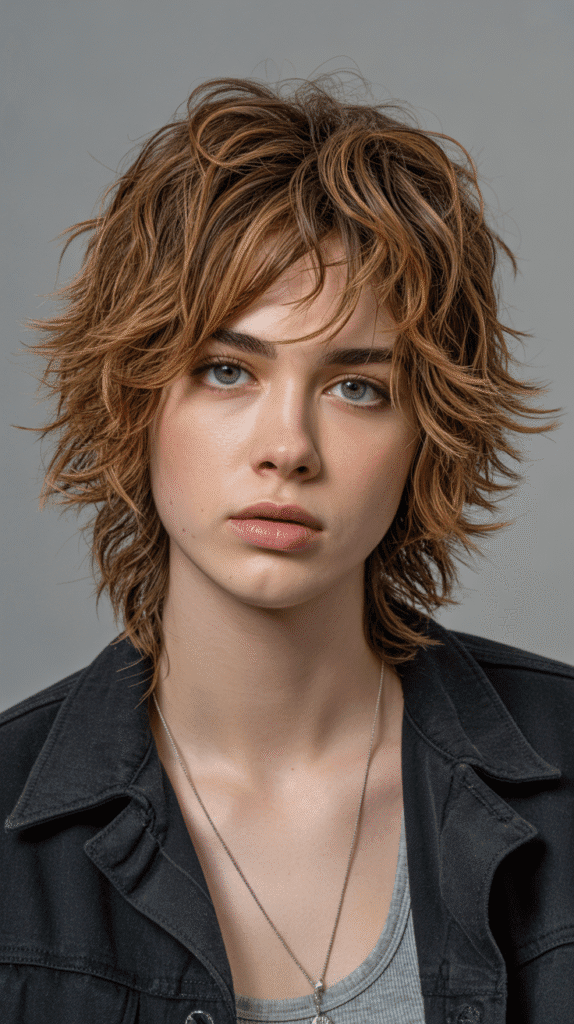
The heavily layered shag took the classic shag concept to extremes with extensive layering throughout the entire head.
This voluminous style created maximum texture and movement.
- Layers began at the crown and continued throughout the length, with significant variation in layer length.
- The abundant layering removed weight and created a deliberately tousled, voluminous appearance.
- This cut worked beautifully on thick hair, reducing bulk while maintaining impressive fullness.
- The heavily layered approach created almost a rounded, spherical silhouette around the head.
- Styling involved scrunching in texturizing products and allowing hair to air-dry for natural, lived-in texture.
- This low-maintenance cut looked intentionally messy and was perfect for wash-and-go styling.
- The excessive layering provided natural volume without requiring teasing or backcombing.
- This style complemented the grunge aesthetic with its deliberately unkempt appearance.
- Regular trims every 6-8 weeks maintained the shape and prevented layers from becoming disconnected.
- Contemporary shags still draw inspiration from these heavily layered 90s versions.
16. Side-Swept Layered Style
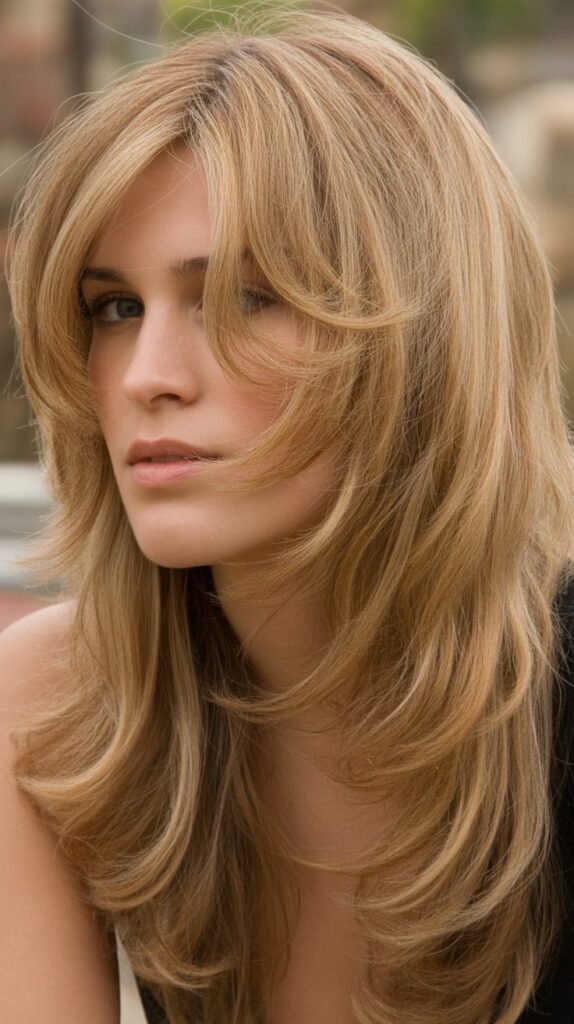
Side-swept layered styles created asymmetry and drama by directing volume and movement to one side.
This technique added sophistication and visual interest to standard layered cuts.
- Hair was cut with layers throughout but styled dramatically to one side, creating an off-center focal point.
- Longer layers on one side created a cascading effect while the other side was tucked behind the ear or styled flat.
- This styling worked particularly well with face-framing layers that enhanced the asymmetrical appearance.
- The side-swept look elongated the face and created a slimming, glamorous effect.
- Deep side parts were essential for achieving the dramatic sweep and volume on one side.
- Styling involved blow-drying hair to one side while using a round brush to create curve and movement.
- This versatile technique could be applied to various lengths from bobs to long hair.
- The asymmetrical styling complemented formal events while remaining casual enough for everyday wear.
- Products like smoothing serums and light-hold hairspray maintained the swept direction without stiffness.
- Modern red carpet styles frequently reference this 90s asymmetrical approach.
17. The Wolf Cut
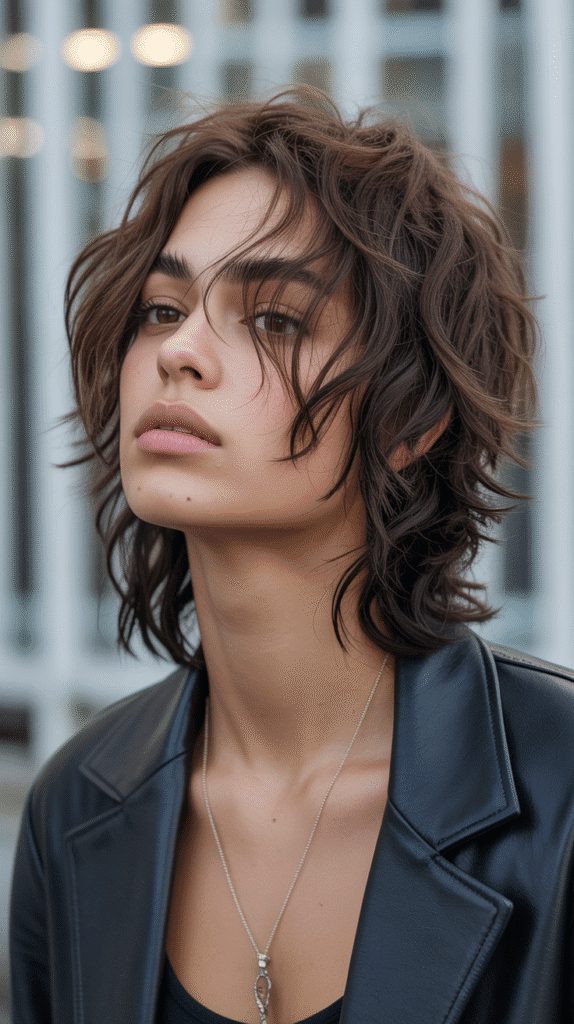
The wolf cut combined elements of shags and mullets with distinctive layering that created a wild, untamed appearance.
This hybrid style offered edgy versatility.
- The wolf cut featured short, choppy layers on top creating volume at the crown, with longer lengths at the back.
- Face-framing layers were cut shorter, creating a wispy, fringe-like effect around the face.
- The combination of short top layers and longer back sections created a silhouette reminiscent of both shags and mullets.
- This cut worked exceptionally well on wavy and curly hair, enhancing natural texture dramatically.
- Styling was intentionally low-maintenance, with the cut designed to look best with natural air-drying.
- The wolf cut’s resurgence in recent years stems from its 90s origins and adaptability to various hair types.
- Texturizing products enhanced the piecey, separated appearance of the layers.
- This style complemented bold, alternative fashion aesthetics and those seeking non-traditional cuts.
- The dramatic layering created natural volume without requiring heat styling or products.
- Regular maintenance kept the distinctive shape intact and prevented overgrowth from obscuring the wolf cut silhouette.
18. Layered Ponytail Style
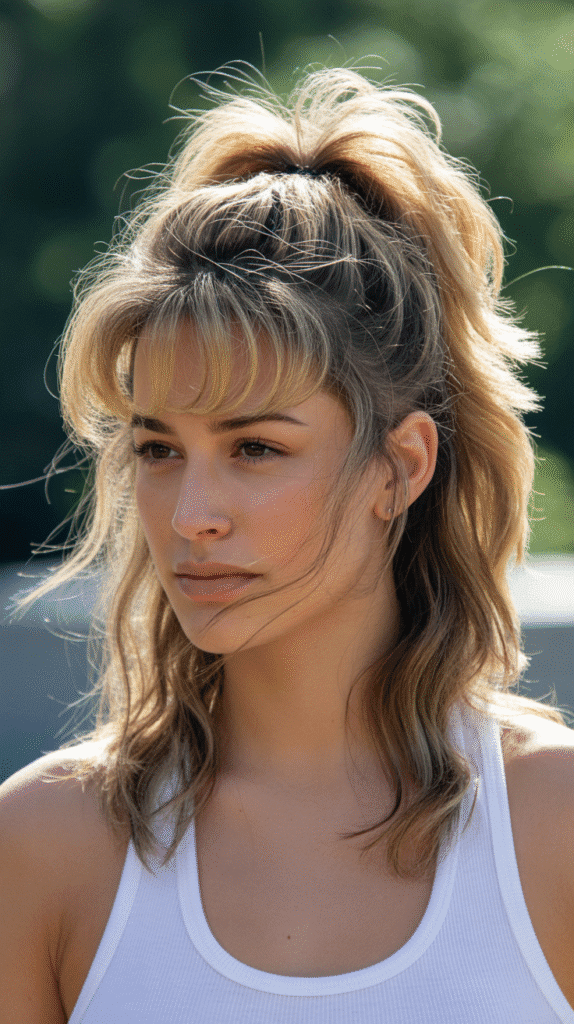
The layered ponytail transformed a simple updo into a voluminous, textured statement through strategic cutting and styling.
Internal layers created fullness and movement even when hair was pulled back.
- Layers cut throughout the hair created pieces that fell at different lengths when gathered into a ponytail.
- The shorter layers around the face and crown created a softer, more romantic framing effect.
- This approach prevented ponytails from appearing flat or limp by creating natural volume and texture.
- The layering allowed pieces to naturally escape and frame the face in an intentionally casual way.
- High ponytails showcased the layering more dramatically, with shorter pieces creating a fuller crown appearance.
- This style worked particularly well for those who frequently wore their hair up for athletic or practical reasons.
- Styling involved gathering hair loosely to allow layers to fall naturally rather than pulling everything tightly.
- The deliberately imperfect, textured ponytail aligned with 90s preferences for effortless, undone styling.
- Accessories like scrunchies or simple elastics complemented the casual aesthetic.
- Modern athletic and street style continues to embrace this approach to layered, textured ponytails.
19. Blunt Cut with Subtle Layers
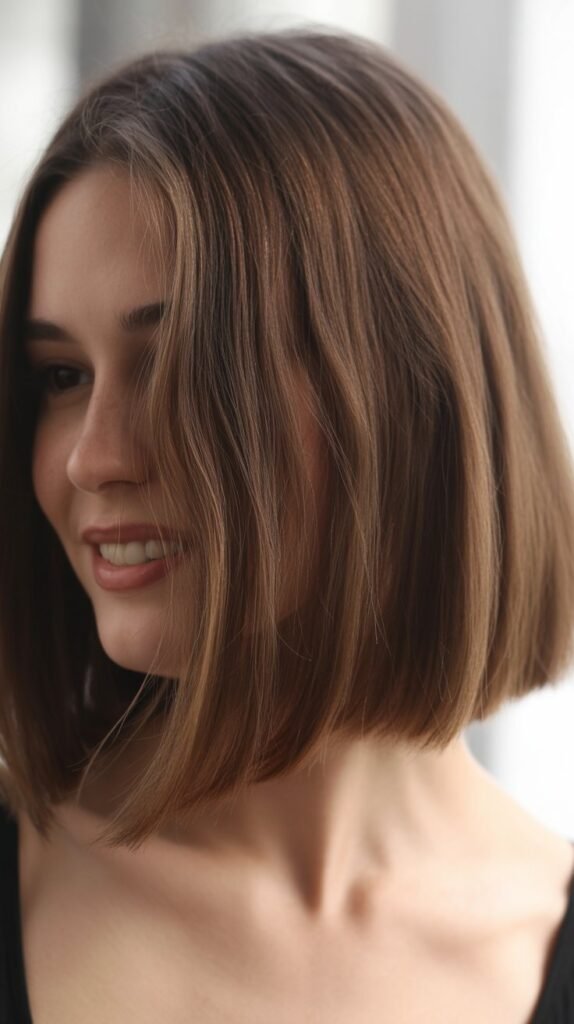
The blunt cut with subtle layers created a sophisticated, polished look that maintained clean lines while incorporating gentle movement.
This refined style offered understated elegance.
- The perimeter was cut bluntly across to create a strong, uniform length line.
- Subtle internal layers were added to remove weight and prevent the hair from looking too heavy or flat.
- These minimal layers were strategically placed to enhance natural movement without disrupting the blunt perimeter.
- The combination created a sleek, modern appearance that looked intentional and well-maintained.
- This style worked best on straight to slightly wavy hair that could showcase the clean lines.
- The blunt perimeter created the illusion of thicker, denser hair by maintaining maximum weight at the ends.
- Styling involved blow-drying smooth with a paddle brush or flat-ironing for ultra-sleek results.
- The subtle layering prevented the style from looking too severe or one-dimensional.
- This refined approach appealed to those wanting a polished, professional appearance.
- Modern versions continue to balance clean lines with strategic internal layering for movement.
20. Layered Flip
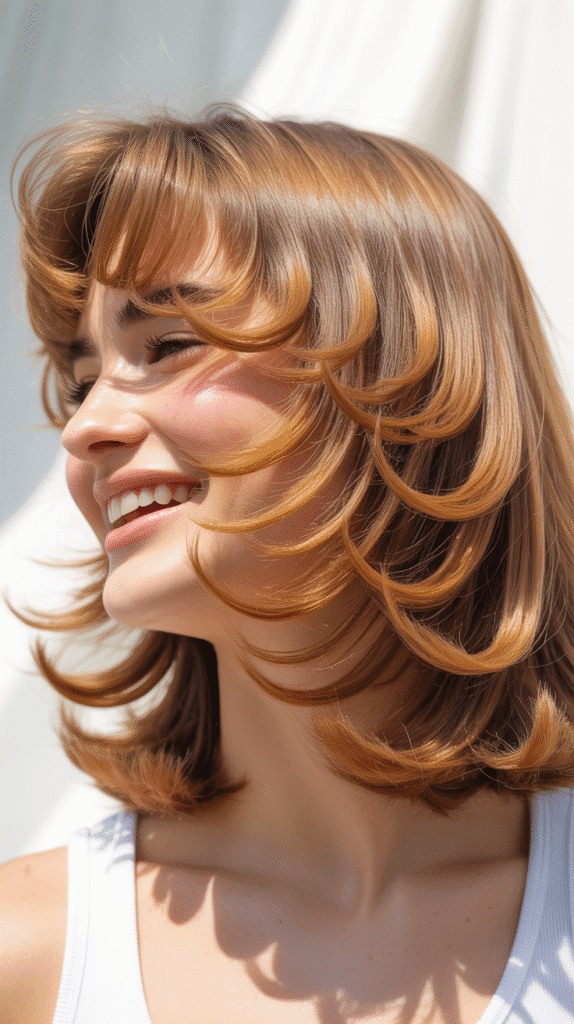
The layered flip created a retro-inspired, playful look with ends styled to curl outward in a uniform direction.
This perky style embodied 90s optimism and fun.
- Layers were cut specifically to support ends that would flip outward when styled with a round brush.
- The uniform flip direction created a cohesive, bouncy appearance reminiscent of 1960s styles with a 90s twist.
- This style typically fell between chin and shoulder length for optimal flipping potential.
- Blow-drying involved rolling hair away from the head with a round brush to create the outward curve.
- The flip added volume and width, particularly flattering for long or narrow face shapes.
- Styling required patience and practice to achieve uniform flipping throughout the entire head.
- Products like volumizing mousse and medium-hold hairspray maintained the flipped shape throughout the day.
- This cheerful, upbeat style complemented preppy and classic fashion aesthetics.
- The layering prevented the flip from looking too stiff or wiglike by creating movement between sections.
- Modern interpretations feature more relaxed, varied flipping for a less uniform appearance.
21. Textured Crown Layers
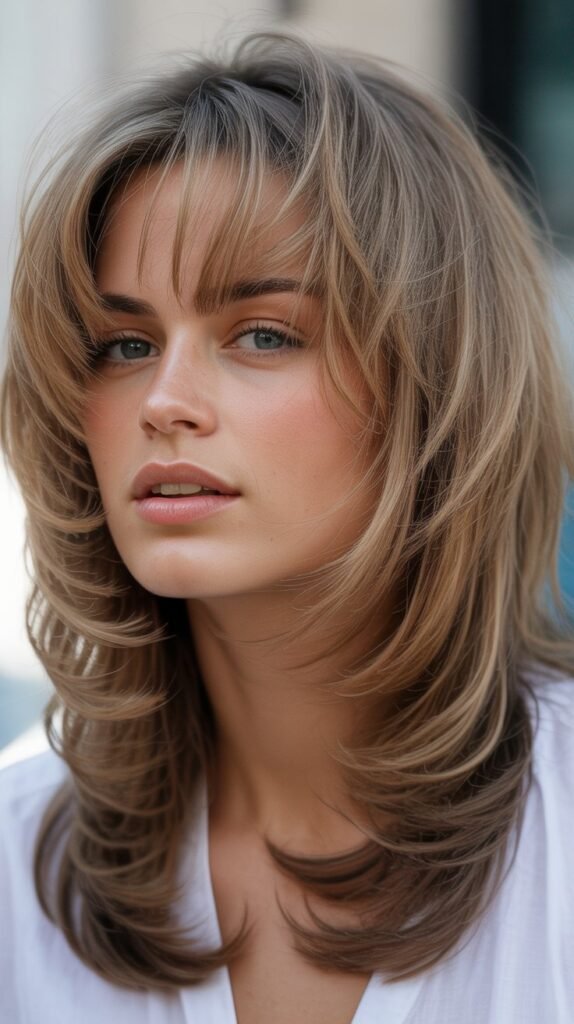
Textured crown layers focused volume and interest at the top of the head while maintaining length below.
This technique created height and dimension where hair naturally tends to fall flat.
- Short layers were concentrated at the crown area, gradually blending into longer lengths below.
- This strategic layering created lift and volume at the root area without sacrificing overall length.
- The crown layers were often styled with maximum volume, sometimes teased or blow-dried with a round brush.
- This technique worked particularly well for fine or flat hair types needing height.
- The concentrated layering at the crown prevented the style from looking bottom-heavy.
- Styling involved directing focus to the crown area while allowing longer layers to fall naturally.
- Root-lifting products and volumizing sprays enhanced the crown height created by the layering.
- This approach complemented both straight and curly hair by working with natural growth patterns.
- The textured crown created visual interest and prevented hairstyles from appearing flat or lifeless.
- Contemporary styles continue to use crown layering for creating volume and dimension.
22. Asymmetrical Layered Bob
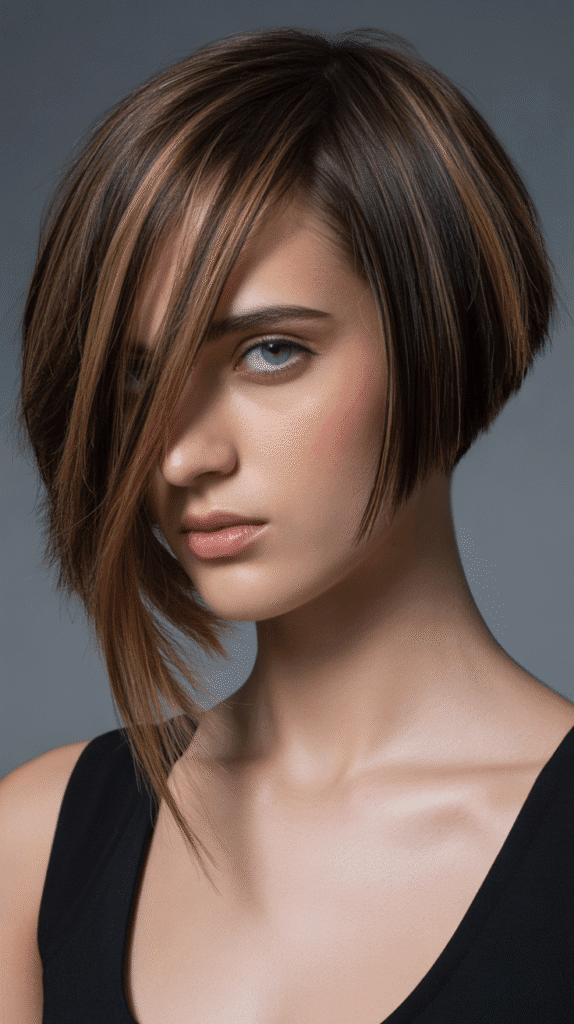
The asymmetrical layered bob challenged conventional symmetry with deliberately uneven lengths and dramatic angles.
This bold cut made a strong fashion statement.
- One side of the bob was cut significantly longer than the other, creating striking asymmetry.
- Layers throughout added texture and movement while emphasizing the asymmetrical shape.
- The longer side typically fell anywhere from chin to shoulder length, while the shorter side ranged from ear-length to above.
- This dramatic cut required confidence and worked best for those wanting a distinctive, fashion-forward look.
- Styling involved emphasizing the asymmetry by styling hair sleek and straight to showcase the angles.
- The cut complemented angular face shapes and strong facial features.
- Regular maintenance was essential to keep the asymmetry precise and prevent unintentional evening out as hair grew.
- This style influenced later decade’s embrace of asymmetrical and undercut designs.
- The bold nature of the cut made it popular in alternative, punk, and high-fashion circles.
- Modern asymmetrical bobs continue to reference these 90s angular, layered versions.
23. Layered Curls
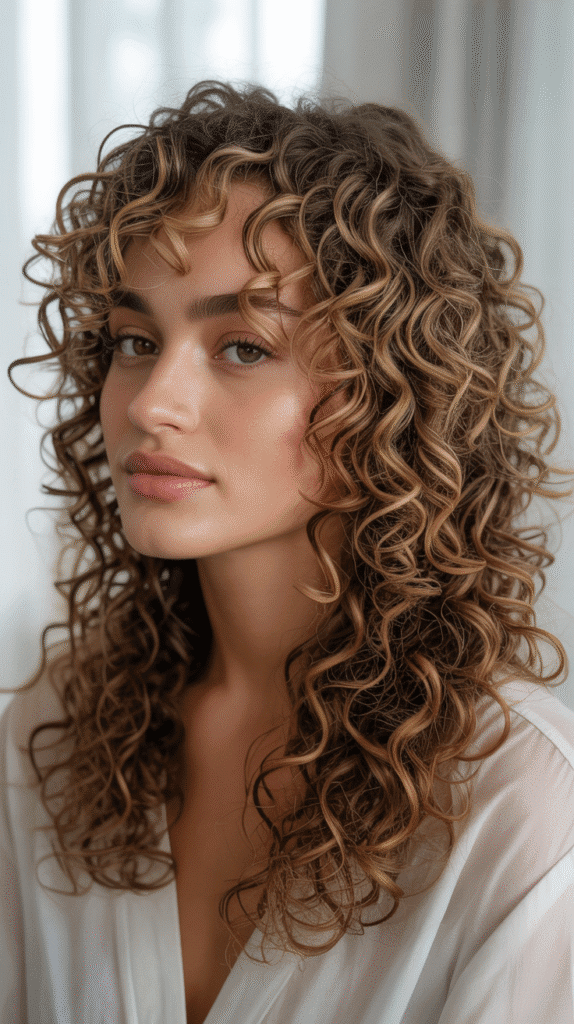
Layered curls combined careful cutting techniques with natural texture to create dimension and shape in curly hair.
This approach prevented curly styles from appearing triangular or bulky.
- Layers were cut specifically to enhance and define natural curl patterns rather than fighting against them.
- Strategic layering removed weight and allowed curls to spring up rather than being pulled down.
- The layers created varying curl lengths that prevented the uniform, triangular shape often associated with unlayered curly hair.
- Cutting curly hair in its natural state ensured layers fell correctly once hair was styled.
- This technique worked on all curl types, from loose waves to tight coils.
- The layering enhanced natural volume while maintaining curl definition and preventing frizz.
- Styling involved using curl-enhancing products and techniques like scrunching or diffusing.
- Longer layers maintained length while shorter layers around the face created framing and movement.
- The 90s marked a growing appreciation for natural curl patterns rather than constantly straightening.
- Modern curly cutting techniques build upon these foundational 90s layering principles.
24. Micro Layers
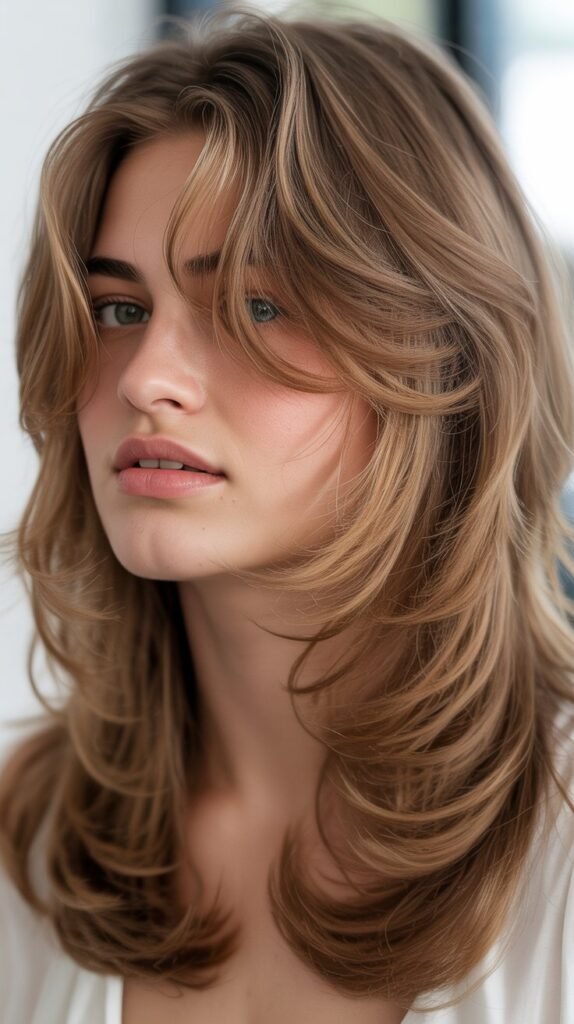
Micro layers incorporated extremely subtle, minimal layering that created barely perceptible transitions between lengths.
This sophisticated technique offered dimension without obvious layering.
- Very small amounts of hair were layered with minimal length variation between sections.
- The subtle approach maintained significant weight and density while adding just enough movement.
- Micro layers prevented blunt cuts from looking too heavy without creating obviously choppy texture.
- This technique worked beautifully for those wanting to maintain maximum length and thickness.
- The imperceptible layering created internal movement that became apparent when hair was in motion.
- Styling options remained versatile, as the minimal layering didn’t dictate specific styling approaches.
- This refined technique required skilled cutting to create effective layers without over-texturizing.
- The subtle nature appealed to those preferring understated, classic hair rather than trendy cuts.
- Micro layers enhanced shine and light reflection by creating slight variations in how hair laid.
- Modern precision cutting techniques continue to utilize these minimal layering principles.
25. The Rocker Shag
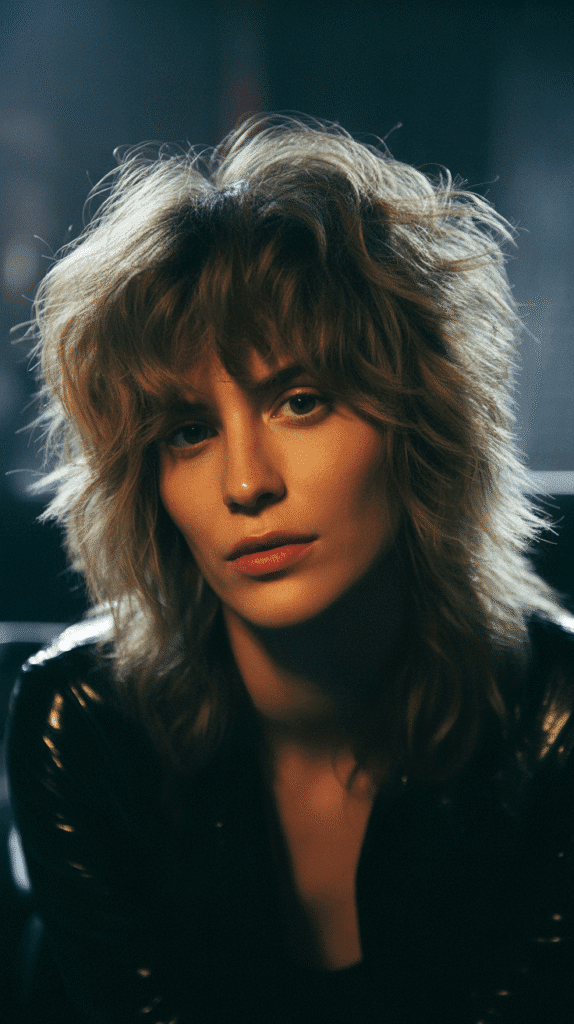
The rocker shag embodied rebellious, music-inspired style with extensive layering, deliberate mess, and rock-and-roll attitude.
This was the ultimate expression of 90s alternative hair.
- Heavy layering throughout created significant texture and volume with an intentionally unkempt appearance.
- The cut often featured shorter, choppy layers on top with slightly longer, more dramatic pieces throughout.
- This style was designed to look effortlessly messy, as though the wearer just rolled out of bed.
- Styling involved minimal effort, often just scrunching in texturizing products and air-drying.
- The rocker shag complemented leather jackets, band t-shirts, and alternative fashion aesthetics.
- This cut worked on various hair textures but looked particularly striking on straight to wavy hair.
- The deliberate lack of polish aligned with grunge and alternative rock movements of the era.
- Color was often incorporated, with dark colors, highlights, or even unconventional shades like red or purple.
- This low-maintenance cut required infrequent trimming, as growing out actually enhanced the messy aesthetic.
- Modern rock-inspired styles still reference this deliberately undone, heavily layered approach.
26. Layered Waves
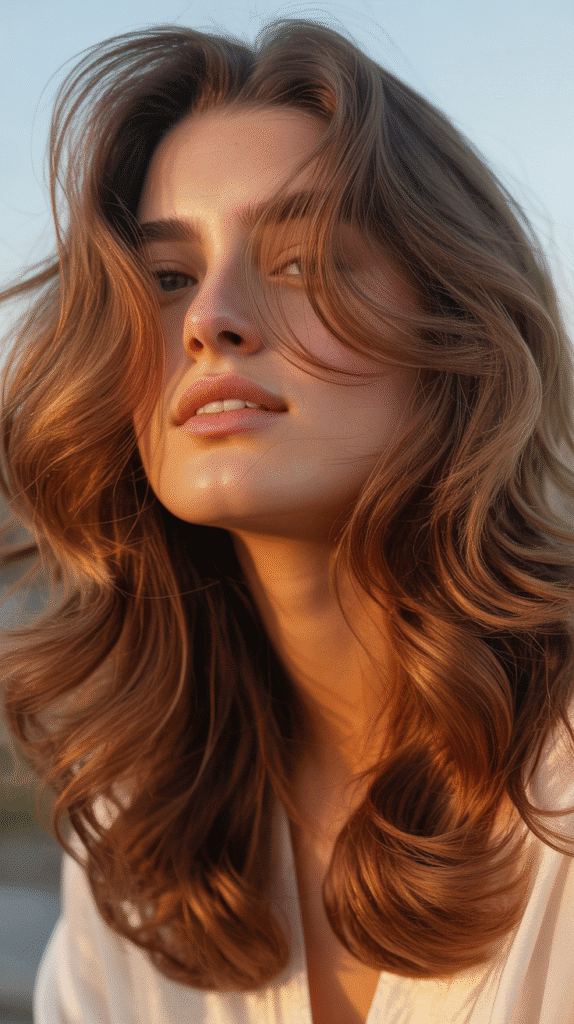
Layered waves combined strategic cutting with styling techniques to create soft, romantic movement throughout the hair.
This feminine style offered timeless elegance with 90s sensibility.
- Layers were cut to enhance and support natural or styled wave patterns throughout the hair.
- The layering prevented waves from looking flat or limp by removing weight and encouraging curl formation.
- Different layer lengths created varying wave sizes and patterns for dimensional, textured appearance.
- This style worked beautifully on naturally wavy hair as well as straight hair styled with hot tools.
- Face-framing layers emphasized the soft, romantic quality of the waves around the face.
- Styling involved using large-barrel curling irons or hot rollers to create loose, flowing waves.
- The combination of layers and waves created movement in multiple directions for dynamic, living hair.
- Products like light mousse and sea salt spray enhanced wave definition without weighing hair down.
- This versatile style transitioned easily from casual daytime to elegant evening looks.
- The soft, approachable quality made layered waves universally flattering across ages and face shapes.
- Beach wave aesthetics of later decades drew inspiration from these 90s layered wave styles.
27. Disconnected Layers
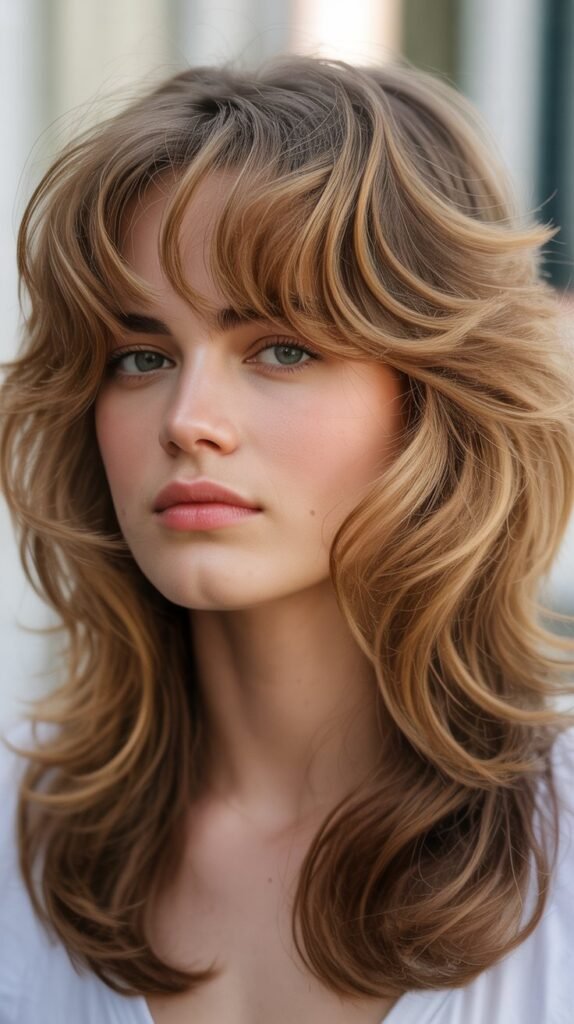
Disconnected layers created intentional separation between length sections with no gradual blending between layers.
This avant-garde technique produced striking, architectural results.
- Rather than smoothly transitioning between layers, disconnected cutting left obvious gaps in length.
- This created a choppy, almost geometric appearance with distinct sections of different lengths.
- The technique was most dramatic on straight hair where the disconnection was clearly visible.
- Disconnected layers added an edgy, fashion-forward element to otherwise conventional cuts.
- This approach worked particularly well in combination with bold colors or highlights to emphasize the separation.
- Styling could emphasize the disconnection with sleek, straight styling or soften it with texture and waves.
- The intentional lack of blending created a modern, almost futuristic aesthetic.
- This technique required skilled execution to create intentional-looking disconnection rather than poorly cut hair.
- The bold nature of disconnected layers appealed to those wanting unconventional, statement-making hair.
- High-fashion editorial work frequently featured extreme versions of disconnected layering.
- Contemporary fashion-forward cuts continue to utilize disconnected techniques for avant-garde styling.
Styling Tips for 90s Layered Hairstyles
Achieving authentic 90s layered looks requires understanding both cutting techniques and styling approaches that defined the era.
- Volume was essential to most 90s styles, with blow-drying using round brushes being the primary method for creating lift and body.
- Root-lifting sprays and volumizing mousses were applied to damp hair before styling to enhance fullness.
- Straightening technology was less advanced than today, so styled straight looks required skilled blow-drying rather than flat-ironing.
- Velcro rollers were commonly used to create volume at the crown or add curl at the ends.
- Texturizing products like pomades, waxes, and later sea salt sprays helped create the piecey, separated look popular in grunge-inspired styles.
- Hairspray was applied liberally to maintain styles throughout the day, though the preference shifted toward lighter-hold formulas as the decade progressed.
- Air-drying became increasingly popular, especially for casual and alternative styles that embraced natural texture.
- Hot tools like curling irons were used with larger barrels (1.5 to 2 inches) to create loose waves and curls.
- Scrunch-drying techniques enhanced natural wave patterns by encouraging curl formation while drying.
- Color treatments like highlights and lowlights were often incorporated to enhance the dimensional appearance of layers.
Adapting 90s Layers for Modern Wear
The enduring appeal of 90s layered hairstyles means many can be successfully adapted for contemporary styling with subtle modifications.
- Soften extreme contrasts between layer lengths for more wearable, less dated interpretations of dramatic 90s cuts.
- Modern cutting techniques allow for better blending and more customized layering that suits individual face shapes and hair textures.
- Reduce excessive volume that characterized many 90s styles in favor of more natural-looking fullness and movement.
- Incorporate current color techniques like balayage and lived-in color rather than chunky highlights for updated dimension.
- Embrace natural texture more fully than 90s styling typically allowed, using modern products designed for specific curl and wave patterns.
- Update face-framing layers with softer, more subtle versions that complement rather than overwhelm facial features.
- Simplify styling routines by choosing cuts that work with natural hair texture rather than requiring extensive heat styling.
- Consider hybrid approaches that combine 90s layering principles with current trends like curtain bangs or shag-inspired texture.
- Maintain the spirit of 90s layers—movement, dimension, and personality—while adapting execution to current aesthetic preferences.
- Work with a skilled stylist who understands both vintage techniques and contemporary adaptations for best results.
Essential Products for 90s-Inspired Layered Styles
Achieving and maintaining 90s layered hairstyles requires specific products that enhance texture, volume, and hold.
- Volumizing mousse remains essential for creating lift and body, applied to damp hair before blow-drying for maximum effect.
- Round brushes in various sizes (small for short layers, large for longer sections) are necessary tools for styled, voluminous looks.
- Texturizing spray or paste helps create the piecey, separated appearance characteristic of shag and choppy layered styles.
- Lightweight hairspray provides hold without the stiff, crunchy texture associated with stronger formulas.
- Heat protectant sprays are crucial when using blow dryers, curling irons, or other hot tools on layered hair.
- Shine serums or light oils add polish and reduce frizz on razor-cut or heavily textured layers.
- Root-lifting spray applied at the crown area enhances volume where layering creates natural lift.
- Sea salt spray creates beachy, textured waves that complement relaxed, casual layered styles.
- Paddle brushes work well for smoothing longer layers and creating sleek, polished finishes on styles like layered lobs.
- Dry shampoo extends time between washes while adding texture and volume to layered styles.
Celebrity Icons and Their Signature Layered Looks
The 90s featured numerous celebrities whose layered hairstyles became cultural phenomena and continue to inspire today.
- Jennifer Aniston’s Rachel cut became the most requested hairstyle of the decade, influencing millions worldwide with its heavily layered, flipped style.
- Meg Ryan’s tousled, choppy shag embodied rom-com charm and approachable beauty that defined her on-screen persona.
- Winona Ryder showcased various layered styles from pixies to longer shags that complemented her alternative, indie film aesthetic.
- Courtney Love’s grunge-inspired, heavily layered blonde hair represented the raw, unpolished beauty of the alternative music scene.
- Drew Barrymore experimented with multiple layered looks throughout the decade, from soft face-framing layers to choppy, textured styles.
- Gwyneth Paltrow’s sleek, minimally layered long hair represented the polished, sophisticated side of 90s beauty.
- The Spice Girls each sported distinctive layered styles, from Posh’s graduated bob to Baby’s tousled shag.
- Kate Moss’s undone, layered waves defined the supermodel off-duty aesthetic that influenced casual styling.
- Liv Tyler wore romantic, layered long hair with soft waves that exemplified bohemian elegance.
- Sarah Michelle Gellar’s various layered cuts on “Buffy the Vampire Slayer” showcased how versatile layering could be throughout a character’s evolution.
Conclusion
The enduring influence of 27 Timeless 90s Layered Hairstyles demonstrates how this decade revolutionized hair cutting and styling in ways that continue to resonate today.
From the cultural phenomenon of the Rachel cut to the rebellious attitude of choppy shags, these layered styles offered something for every personality, hair type, and aesthetic preference.
The 90s marked a shift toward more natural, textured approaches that celebrated individual expression rather than rigid, one-size-fits-all beauty standards.
Whether you’re drawn to the polished sophistication of face-framing layers, the effortless cool of feathered cuts, or the bold statement of asymmetrical styles, these iconic looks prove that great hair transcends time.
The techniques developed during this era—razor cutting, strategic layering, and texture-enhancing methods—remain fundamental to modern hairstyling, adapted and refined but never truly replaced.
As fashion continues its cyclical nature, we see these 90s layered hairstyles experiencing well-deserved revivals, reminding us that true style never really goes out of fashion.
By understanding the principles behind these timeless cuts and adapting them to contemporary sensibilities, you can embrace the best of 90s hair while maintaining a fresh, current appearance that honors the past while looking confidently toward the future.