
The 1990s was a golden era for braided hairstyles that defined an entire generation’s aesthetic.
From music videos to sitcoms, these intricate and creative braids became cultural statements that transcended mere fashion.
25 Stylish 90s Braided Hairstyles celebrates the iconic looks that made this decade unforgettable, offering you a comprehensive guide to recreating these timeless styles.
Whether you remember rocking these braids yourself or you’re discovering them for the first time, this article takes you through each distinctive style with detailed descriptions, styling tips, and modern adaptations.
The 90s braiding revolution brought us everything from delicate cornrows to chunky box braids, and each style tells its own story of creativity and self-expression.
Get ready to explore the hairstyles that made the 90s the most influential decade for braided hair, and discover how these classic looks continue to inspire contemporary trends.
1. Classic Box Braids
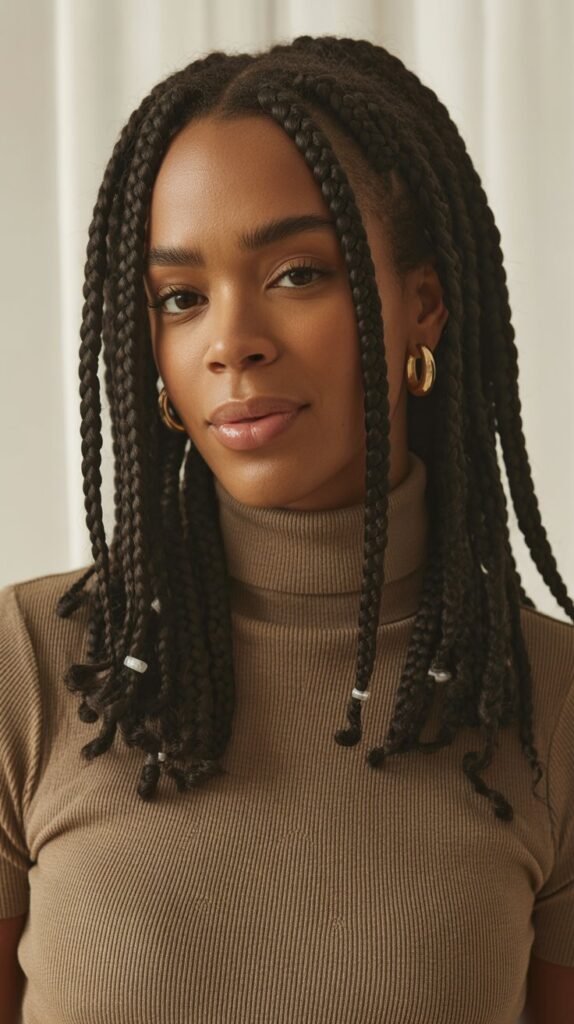
Box braids dominated the 90s hair scene and became synonymous with the decade’s bold aesthetic.
These individual plaits sectioned in square patterns offered versatility, protection, and undeniable style that appealed to women across all backgrounds.
Key Features:
- Box braids are created by dividing hair into small square or rectangular sections before braiding
- Each braid extends from the scalp to the ends, typically incorporating synthetic hair for added length and volume
- The style can last 6-8 weeks with proper maintenance and care
- Celebrities like Brandy Norwood made this style iconic throughout the decade
Styling Variations:
- Waist-length box braids created dramatic, flowing looks perfect for any occasion
- Shoulder-length versions offered a more manageable everyday style
- Jumbo box braids provided a bolder, chunkier aesthetic that reduced installation time
- Colored extensions in burgundy, blonde, or auburn added personality and flair
Modern Adaptation:
- Today’s box braids incorporate protective styling techniques that prioritize hair health
- Triangle box braids offer a contemporary twist on the classic square pattern
- Ombre and multi-colored extensions create dimension impossible in the 90s
2. Micro Braids
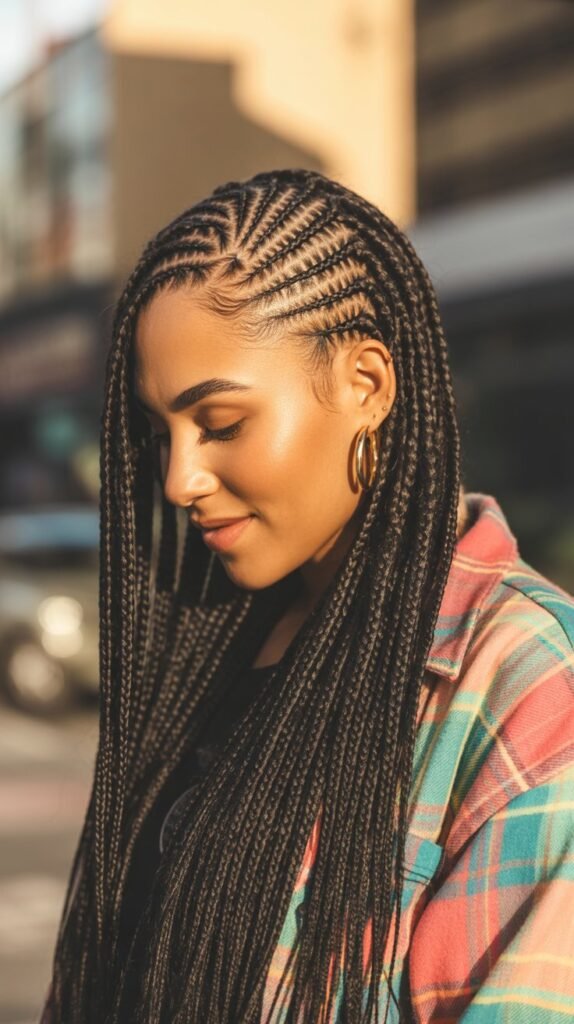
Micro braids represented the pinnacle of patience and precision in 90s hairstyling.
These ultra-thin braids required hours of installation but delivered a sleek, sophisticated look that lasted for months.
Installation Details:
- Each micro braid measures approximately 1/8 inch in diameter or smaller
- Professional installation typically takes 8-12 hours depending on hair density and desired length
- The technique involves braiding tiny sections of natural hair with lightweight synthetic extensions
- Proper sectioning ensures even distribution and prevents scalp tension
Maintenance Requirements:
- Weekly moisturizing keeps both natural hair and scalp healthy beneath the braids
- Silk or satin bonnets prevent frizzing and preserve the sleek appearance
- Edge control products maintain neat hairlines throughout the style’s lifespan
- Professional removal after 8-10 weeks prevents matting and breakage
Styling Options:
- High ponytails showcased the braids’ length and created elegant silhouettes
- Half-up, half-down styles offered casual versatility for everyday wear
- Braided updos transformed the look for formal occasions and special events
3. Cornrows with Designs

Cornrows evolved from traditional protective styling into artistic masterpieces during the 90s.
Creative patterns and geometric designs transformed scalps into canvases that showcased individual personality and cultural pride.
Pattern Variations:
- Straight-back cornrows created clean, classic lines from hairline to nape
- Curved patterns added fluid, organic movement to the overall design
- Zigzag cornrows introduced playful geometric elements to traditional styles
- Circular and spiral designs centered attention on the crown area
Artistic Elements:
- Parting designs incorporated hearts, stars, lightning bolts, and tribal patterns
- Contrasting braid sizes created visual texture and dimensional interest
- Strategic placement highlighted facial features and head shape
- Cultural significance connected wearers to African heritage and tradition
Popular Combinations:
- Cornrows leading into a ponytail merged structure with free-flowing movement
- Side cornrows paired with loose hair created asymmetrical, edgy looks
- Feed-in cornrows gradually added extension hair for natural-looking volume
- Beaded ends added color, sound, and decorative flair to each row
4. Poetic Justice Braids
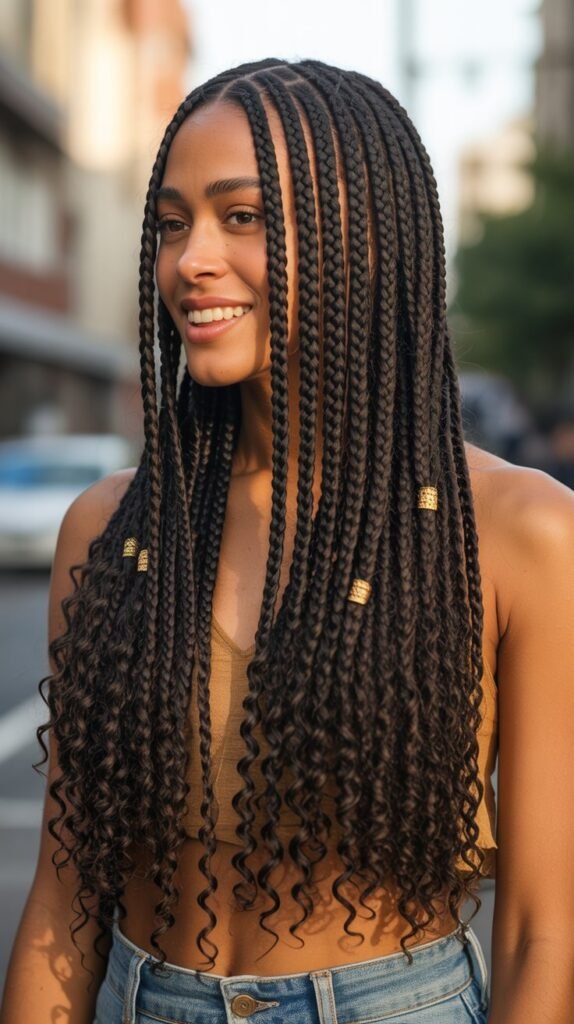
Named after Janet Jackson’s iconic 1993 film role, Poetic Justice braids became the most recognizable braided hairstyle of the decade.
These thick, waist-length box braids represented empowerment, beauty, and cultural authenticity.
Defining Characteristics:
- Extremely long length extending past the waist or to the hips
- Medium to large-sized individual braids creating substantial volume
- Deep side part or middle part defining the face-framing sections
- Dark brown or black synthetic hair maintaining a natural appearance
Cultural Impact:
- The style transcended hair fashion to become a symbol of Black excellence
- Janet Jackson’s portrayal made the braids aspirational for young women worldwide
- The look merged street style with Hollywood glamour in unprecedented ways
- Fashion magazines and music videos featured the style extensively throughout the mid-90s
Styling Techniques:
- Layering braids created dimension and prevented a blunt, heavy appearance
- Baby hairs were carefully laid to soften the hairline and add femininity
- Hair jewelry, rings, and cuffs decorated individual braids for added personality
- High buns and ponytails showcased the braids’ impressive length
5. Goddess Braids
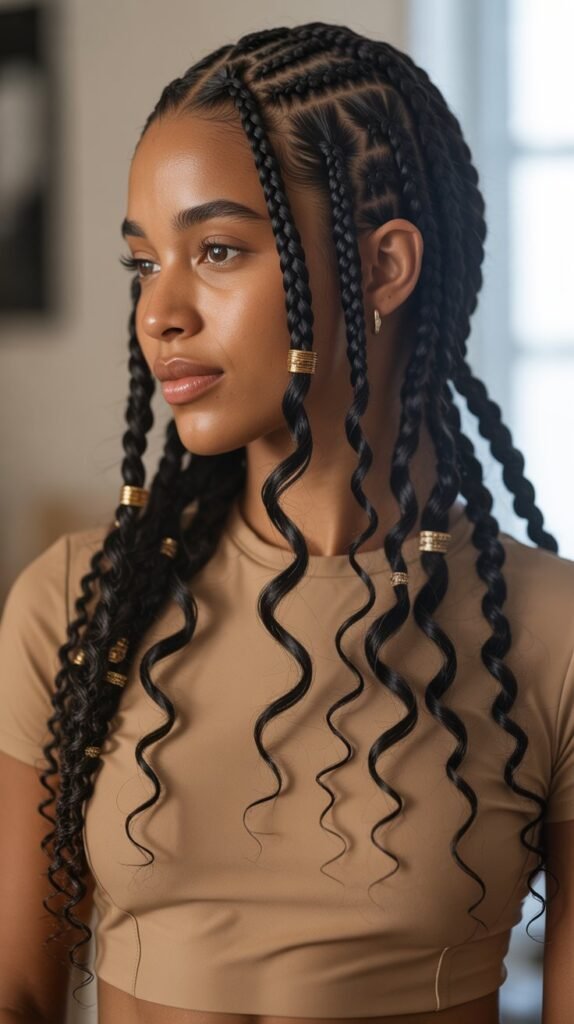
Goddess braids elevated traditional cornrows into thicker, more dramatic statements.
These oversized braids offered a regal appearance that required less installation time while delivering maximum visual impact.
Technical Specifications:
- Each braid measures 1-2 inches in width, significantly larger than standard cornrows
- The technique involves braiding close to the scalp with substantial amounts of extension hair
- Typically 4-8 braids cover the entire head depending on desired fullness
- Installation time ranges from 2-4 hours, making them more accessible than micro styles
Popular Patterns:
- Two large braids framing the face created a simple yet stunning look
- Four braids in a geometric pattern offered balanced symmetry
- Crown braids circling the head delivered romantic, ethereal vibes
- Curved goddess braids following the head’s natural contours enhanced facial features
Versatility Factors:
- The style transitioned easily from casual daywear to elegant evening looks
- Braids could be styled into buns, ponytails, or left flowing freely
- Duration of 2-3 weeks made them ideal for vacations and busy schedules
- Less tension on the scalp compared to tighter braiding techniques
6. Fulani Braids
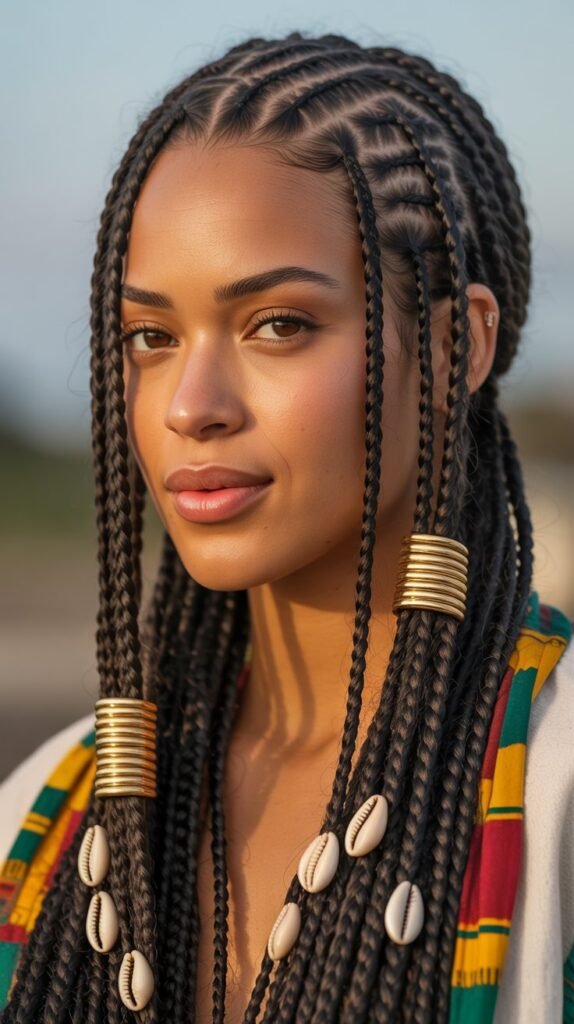
Fulani braids brought West African tradition to mainstream 90s fashion.
This distinctive style featured cornrows braiding toward the center with a signature braid down the middle, adorned with beads and accessories.
Traditional Elements:
- A central cornrow or braid running from hairline to nape served as the focal point
- Side cornrows curved toward the center, creating symmetrical framing patterns
- Front braids often featured loops or wrapped sections near the hairline
- Fulani cultural heritage influenced the authentic styling approach
Decorative Additions:
- Gold or silver beads threaded onto braids reflected light and added movement
- Cowrie shells connected the style to African ancestry and spiritual symbolism
- Hair cuffs and rings in metallic finishes elevated the overall aesthetic
- Colorful thread wrapped around sections introduced vibrant accent colors
Modern Recognition:
- Alicia Keys popularized the style in the late 90s and early 2000s
- The look bridged cultural appreciation with mainstream fashion acceptance
- Contemporary versions incorporate various braid sizes and pattern combinations
- Social media has sparked renewed interest in traditional Fulani techniques
7. Lemonade Braids

Though officially named later, this side-swept cornrow style dominated the late 90s.
The asymmetrical pattern created elegant, flowing lines that emphasized movement and sophistication.
Design Structure:
- All cornrows sweep dramatically to one side of the head
- Braids typically start small at the hairline and gradually increase in size
- The style creates a cascading waterfall effect over one shoulder
- Natural hair or extensions can achieve the look depending on length preferences
Visual Appeal:
- Asymmetry draws attention and creates striking profile views
- The swept design elongates the neck and highlights shoulder lines
- Different braid thicknesses add dimensional texture to the overall look
- Face-framing front sections soften the dramatic side sweep
Styling Flexibility:
- Braids can be worn loose over one shoulder for maximum drama
- Low side ponytails gather the braids while maintaining the swept aesthetic
- Half-up styles pin back some braids while leaving others flowing
- The look works equally well for casual outings and formal events
8. Tribal Braids

Tribal braids encompassed various traditional African braiding patterns that gained popularity in the 90s.
These styles celebrated cultural roots while creating intricate, eye-catching designs.
Pattern Diversity:
- Geometric shapes created structured, architectural appearances on the scalp
- Curved lines mimicked natural forms and organic movements
- Mixed braid sizes introduced visual rhythm and textural variation
- Sectioning patterns ranged from simple to extraordinarily complex
Cultural Significance:
- Different patterns represented various African tribes and their unique traditions
- The styles served as wearable art that honored ancestral heritage
- 90s hip-hop culture embraced tribal braids as symbols of authenticity
- The looks challenged Eurocentric beauty standards and celebrated Black hair texture
Installation Artistry:
- Skilled braiders spent hours perfecting intricate parting designs
- Precision sectioning ensured even braid sizes and balanced patterns
- Creativity flourished as braiders developed signature techniques and styles
- Client collaboration resulted in personalized looks reflecting individual identity
9. Feed-in Braids

Feed-in braids revolutionized cornrow installation by creating natural-looking hairlines.
This technique gradually added extension hair, eliminating the bulky, obviously fake appearance of traditional methods.
Technical Innovation:
- Small amounts of extension hair are continuously added as each braid progresses
- The technique starts with natural hair only at the hairline for seamless integration
- Gradual thickness increase creates natural dimension and realistic appearance
- Less tension at the roots promotes healthier hair and scalp conditions
Advantages Over Traditional Methods:
- Lighter weight reduces strain on edges and prevents traction alopecia
- Natural-looking hairlines avoid the telltale signs of extensions
- Customizable thickness throughout each braid creates personalized styles
- Enhanced comfort during wear due to reduced pulling and tension
Popular Styles:
- Straight-back feed-ins created sleek, sophisticated looks for professional settings
- Curved patterns added artistic flair while maintaining the natural appearance
- Side-swept designs combined elegance with the seamless feed-in technique
- Combination styles merged feed-in cornrows with other braiding methods
10. Jumbo Braids
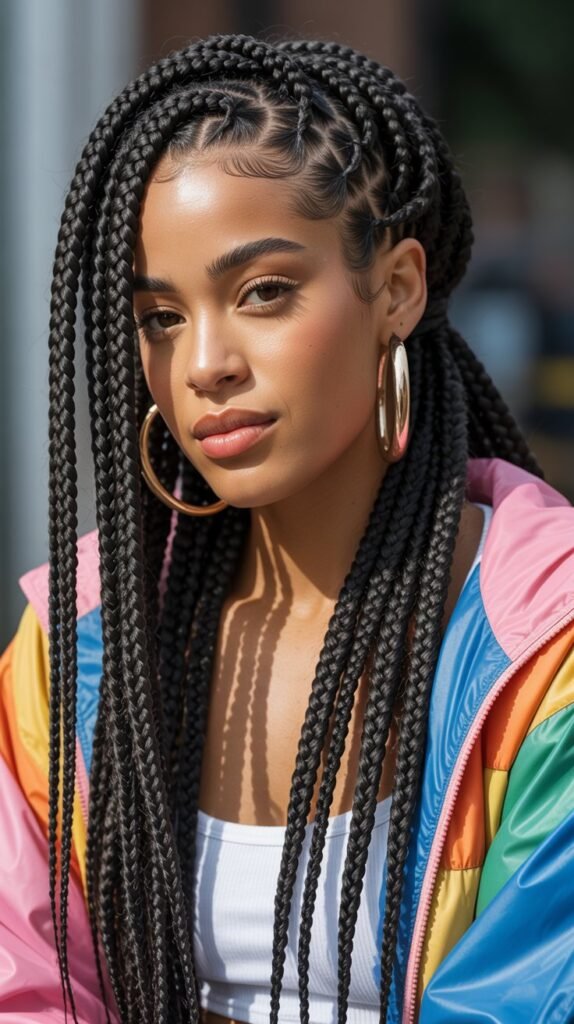
Jumbo braids delivered bold, statement-making looks with significantly reduced installation time.
These oversized plaits defined 90s street style and offered maximum impact with minimum maintenance.
Size and Structure:
- Individual braids range from 1 to 3 inches in diameter
- Entire heads typically require only 6-12 braids depending on desired coverage
- Installation time averages 2-4 hours compared to 8+ hours for smaller braids
- The chunky appearance created intentionally dramatic, eye-catching aesthetics
Styling Options:
- High ponytails gathered the thick braids into statement-making updos
- Space buns utilized two sections for playful, youthful appearances
- Single braids down the back showcased length and braid thickness
- Half-up styles combined structure with free-flowing movement
Color Experimentation:
- The 90s saw bold color choices in purple, red, blue, and green
- Ombre effects transitioning from dark roots to bright ends gained popularity
- Multi-colored extensions within single braids created rainbow effects
- Metallic and platinum blonde shades pushed fashion boundaries
11. Havana Twists
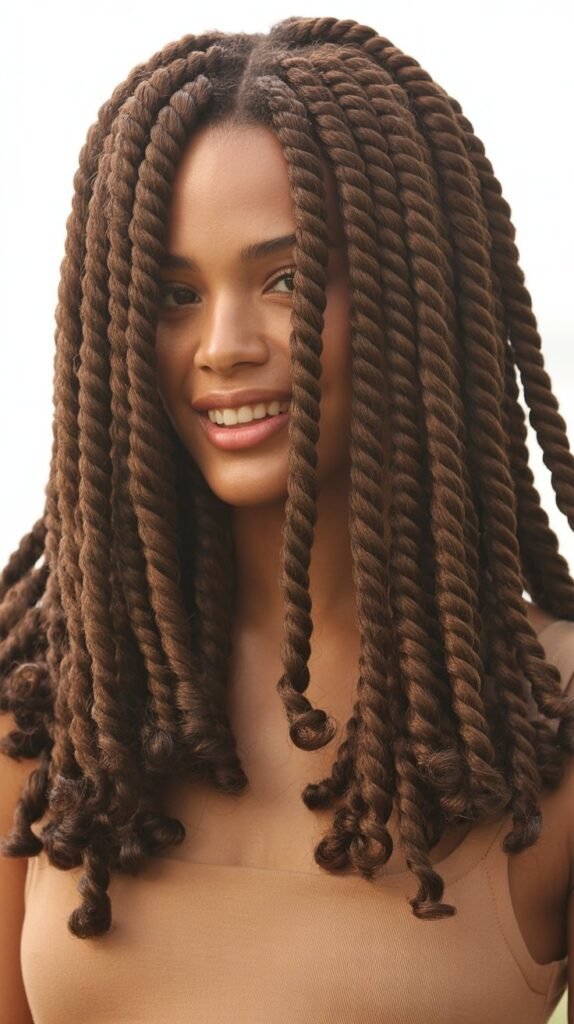
Havana twists brought a softer, more textured alternative to traditional braids.
These chunky two-strand twists used specialized hair that mimicked natural texture, creating effortlessly chic 90s looks.
Material and Technique:
- Havana twist hair features a kinky, textured appearance unlike smooth braiding hair
- Two-strand twisting technique creates rope-like sections throughout the head
- Each twist measures approximately 1-2 inches in diameter for substantial volume
- The installation process proves faster than traditional braiding methods
Texture Benefits:
- The kinky texture blends seamlessly with natural hair for authentic appearances
- Less sheen compared to synthetic braiding hair creates more natural-looking results
- Lightweight material reduces stress on the scalp and hairline
- The textured surface holds styles better and resists slipping
Maintenance and Longevity:
- Twists typically last 4-6 weeks with proper nighttime protection
- Daily moisturizing maintains the textured appearance and prevents dryness
- Edge control keeps hairlines neat throughout the style’s duration
- Simple unraveling process causes less manipulation than braid removal
12. Senegalese Twists

Senegalese twists offered sleek, rope-like elegance that contrasted sharply with chunkier 90s styles.
These smooth two-strand twists created refined, polished looks suitable for any occasion.
Distinguishing Features:
- Kanekalon or synthetic hair creates glossy, smooth surfaces on each twist
- Tighter twisting technique results in more defined rope-like appearances
- Each twist measures smaller in diameter compared to Havana twists
- The sleek finish reflects light beautifully and photographs exceptionally well
Installation Process:
- Two sections of hair are consistently twisted around each other from root to tip
- Even tension throughout ensures uniform twist size and appearance
- Installation time ranges from 4-6 hours depending on desired length and quantity
- Sealed ends prevent unraveling and maintain the polished aesthetic
Styling Versatility:
- The smooth texture allows twists to glide past each other for easy manipulation
- High buns and ponytails showcase the elegant rope-like texture
- Side-swept styles create romantic, sophisticated silhouettes
- Individual twists can be curled with hot water for added texture
13. Bantu Knots with Braids

Bantu knots merged traditional African styling with 90s creativity.
When combined with braids, these wrapped coils created dimensional, textured looks that celebrated cultural heritage.
Combination Techniques:
- Cornrows leading to Bantu knots structured the style’s foundation
- Individual braids ended in knots for distributed, all-over texture
- Half cornrows, half knots created contrasting sections with visual interest
- Sizes varied from tiny knots to large, statement-making coils
Cultural Connection:
- Bantu knots originated from the Zulu people of South Africa
- The style gained mainstream attention through 90s music videos and fashion
- Wearing Bantu knots celebrated African heritage and natural hair texture
- The look challenged conventional beauty standards with bold authenticity
Knot-Out Styling:
- Unraveling Bantu knots after 24 hours created defined curl patterns
- The resulting waves and curls offered versatile second-day styling options
- Knot-outs lasted several days with proper maintenance and protection
- The technique provided heat-free curl definition on braided hair
14. Zigzag Part Braids

Zigzag parts transformed ordinary braided styles into playful, geometric statements.
These creative parting patterns added visual interest to any braiding technique throughout the 90s.
Parting Techniques:
- Rattail combs created precise, angular zigzag patterns along the scalp
- Lightning bolt designs added dramatic flair to traditional straight parts
- Wave patterns softened the look with flowing, organic lines
- Asymmetrical zigzags created intentionally unbalanced, edgy aesthetics
Application Across Styles:
- Box braids with zigzag parts combined classic technique with creative flair
- Cornrows following zigzag lines created dimensional, architectural patterns
- Twist styles incorporated zigzag sections for added visual complexity
- The parting itself became a focal point regardless of braiding method
Creative Expression:
- Zigzag parts allowed personal style expression through unique patterns
- The designs changed the entire look without altering the braiding technique
- Colorful hair gel or edge control highlighted the parting patterns
- Geometric precision reflected the 90s love of bold, graphic aesthetics
15. Side-Swept Cornrows

Side-swept cornrows dominated red carpets and music videos throughout the 90s.
This asymmetrical style created elegant, flowing lines that emphasized femininity and sophistication.
Design Elements:
- All cornrows angle diagonally from one side of the head to the opposite side
- Braids typically start smaller at the hairline and increase gradually in size
- The swept pattern creates movement and directs visual flow
- Face-framing sections left loose softened the overall structured appearance
Visual Impact:
- Asymmetry created striking, memorable looks that photographed beautifully
- The style elongated the neck and emphasized shoulder lines gracefully
- Profile views showcased the cornrows’ direction and created dimensional interest
- The look balanced structure with softness through strategic design
Celebrity Influence:
- R&B artists popularized side-swept cornrows in music videos throughout the decade
- Red carpet appearances featured increasingly elaborate side-swept designs
- The style bridged street fashion with high-fashion runway aesthetics
- Magazine editorials showcased side-swept cornrows as sophisticated alternatives to traditional styles
16. Braided Mohawk

Braided mohawks epitomized 90s edginess and rebellious spirit.
These bold styles featured shaved or closely cut sides with dramatic braided centers that commanded attention.
Construction Methods:
- Sides tapered or shaved close to the scalp created the foundation for contrast
- Center section braided in various patterns from front hairline to nape
- Cornrows, goddess braids, or individual braids formed the mohawk structure
- Height varied from flat against the scalp to dramatically elevated styles
Pattern Variations:
- Straight-back cornrows created sleek, streamlined mohawk silhouettes
- Curved patterns added artistic flair and organic movement to the center section
- Crisscross designs introduced geometric complexity to the mohawk structure
- Combination techniques merged multiple braiding styles within the center strip
Styling Drama:
- High mohawks with extended braids created towering, gravity-defying looks
- Colored extensions in bold hues amplified the punk-inspired aesthetic
- Hair jewelry, beads, and cuffs decorated the braided section for added impact
- The style worked equally well for casual wear and concert performances
17. Crown Braid with Extensions
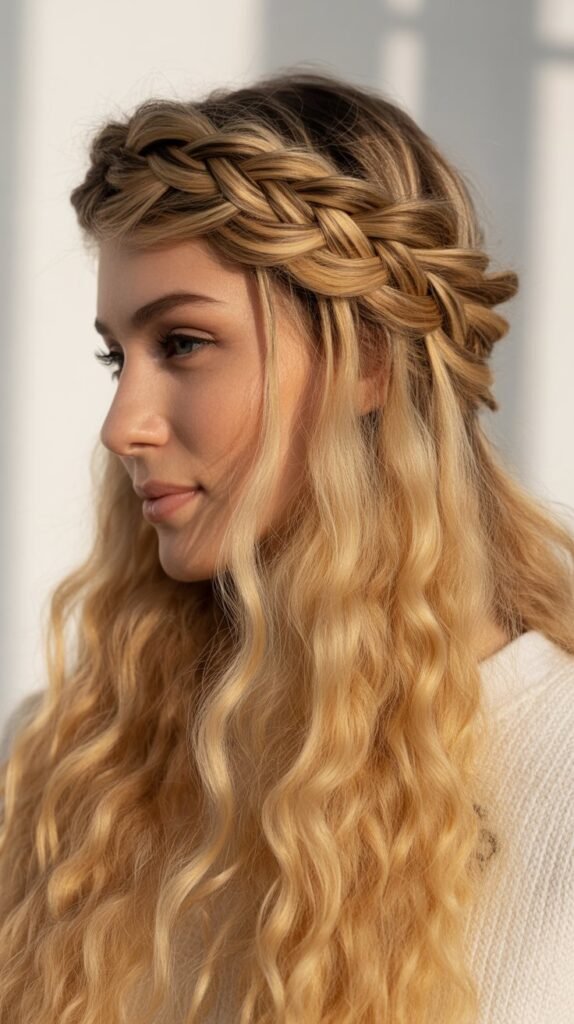
Crown braids transformed wearers into ethereal, romantic figures throughout the 90s.
These halo-style braids circled the head like crowns, creating regal, feminine aesthetics.
Braiding Technique:
- A single braid wraps around the head’s circumference following the hairline
- Extensions add length and volume to natural hair for complete crown coverage
- The braid can sit at the hairline or slightly back for varied appearances
- Braiding direction affects the crown’s positioning and overall look
Romantic Styling:
- Loose face-framing pieces softened the structured crown appearance
- Baby hairs were delicately laid to create gentle, feminine hairlines
- Flowers, ribbons, or jeweled accessories nestled into the crown for special occasions
- The style paired beautifully with flowing, romantic 90s fashion aesthetics
Versatility:
- Crown braids worked for casual daywear and formal evening events equally well
- The protective style kept hair secure while maintaining an elegant appearance
- Second-day styling remained intact with minimal touch-up requirements
- The look transitioned seamlessly across seasons and fashion trends
18. Knotless Box Braids

Knotless box braids emerged in the late 90s, revolutionizing traditional braiding by eliminating the painful knots at the base.
This gentler technique created seamless, natural-looking results.
Technical Advancement:
- The braiding process starts with natural hair only, adding extensions gradually
- No knot forms at the base, eliminating the bumpy, bulky starting point
- Less tension on the scalp reduces pain during installation and prevents damage
- The gradual addition of hair creates natural-looking tapers from root to end
Comfort Benefits:
- Significantly reduced installation pain compared to traditional knotted methods
- Less pulling on edges protects the hairline from traction alopecia
- Lighter weight overall reduces neck strain and headaches during wear
- Natural movement and bounce impossible with heavier, knotted styles
Aesthetic Advantages:
- Seamless hairline integration eliminates obvious extension starting points
- Natural taper creates realistic dimension throughout each braid
- The style lasts 6-8 weeks while maintaining a fresh, recently-installed appearance
- Easier manipulation for styling due to lighter weight and flexibility
19. Individuals (Singles)
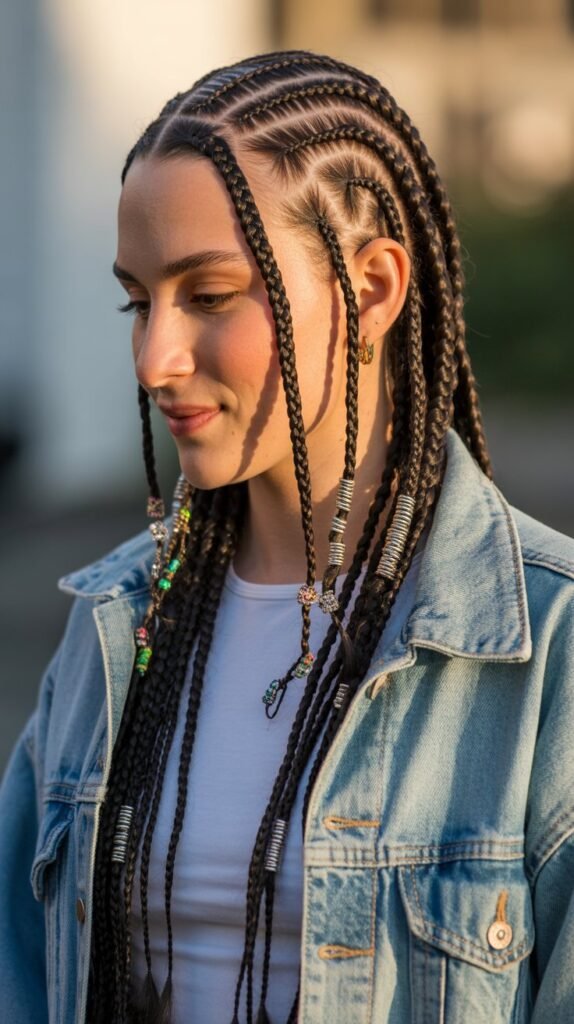
Individual braids, commonly called “singles,” offered maximum versatility in the 90s braiding world.
These single-plait braids allowed endless styling possibilities while providing long-lasting protective benefits.
Installation Characteristics:
- Each section of hair is divided and braided individually from root to end
- Braid size ranges from thin to medium, typically smaller than box braids
- Installation time varies from 6-10 hours depending on braid quantity and size
- Even distribution across the scalp ensures balanced weight and natural appearance
Styling Freedom:
- Individual braids move independently, allowing fluid, natural movement
- Ponytails, buns, half-up styles, and loose flowing looks all work seamlessly
- Braids can be curled, waved, or wrapped for additional texture variation
- The style adapts to changing preferences throughout its 8-week lifespan
Maintenance Schedule:
- Weekly washing keeps the scalp clean without disturbing braid integrity
- Edge control and moisturizer maintain neat appearances between salon visits
- Satin bonnets or pillowcases prevent frizzing during sleep
- Professional removal ensures natural hair health after style completion
20. Beaded Braids
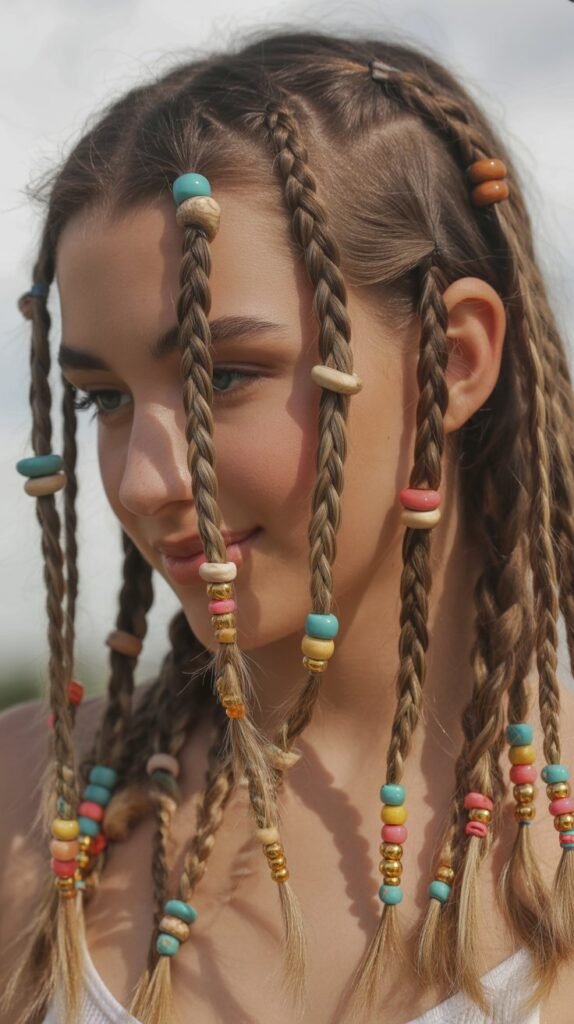
Beads transformed simple braids into musical, colorful statements throughout the 90s.
These decorative additions created sounds with movement and added personality to any braided style.
Bead Varieties:
- Plastic pony beads in rainbow colors offered affordable, lightweight options
- Wooden beads provided natural, earthy aesthetics with substantial weight
- Metal beads and cuffs added glamorous, high-fashion elements to styles
- Glass beads caught light beautifully and created elegant, sophisticated looks
Placement Strategies:
- Beads clustered at braid ends created focal points and added weight for movement
- Random placement throughout lengths created playful, scattered color effects
- Graduated sizes from root to end added visual interest and dimension
- Color patterns told stories or represented personal significance
Cultural Significance:
- Beaded braids connected wearers to African and African American hair traditions
- Specific bead colors and patterns held cultural and personal meanings
- The clicking sound of beads became synonymous with 90s childhood memories
- The practice celebrated natural hair texture and protective styling methods
21. Ghana Braids

Ghana braids, also known as banana cornrows, featured stunning thickness that gradually increased from hairline to end.
These dramatic cornrows created bold, sculptural looks throughout the 90s.
Defining Technique:
- Braids start small at the hairline with only natural hair
- Extensions are continuously added as the braid progresses backward
- Each braid increases dramatically in size from front to back
- The technique creates natural-looking hairlines despite using substantial extensions
Visual Drama:
- The graduated thickness creates striking dimensional effects on the scalp
- Profile views showcase the dramatic size increase throughout each braid
- The substantial thickness at the back adds volume and presence
- The style balances delicate fronts with bold, statement-making backs
Pattern Options:
- Straight-back Ghana braids created clean, powerful lines
- Curved patterns added artistic movement to the dramatic thickness
- Feed-in techniques enhanced the natural appearance at hairlines
- Combination sizes created additional textural interest across the scalp
22. Rope Braids
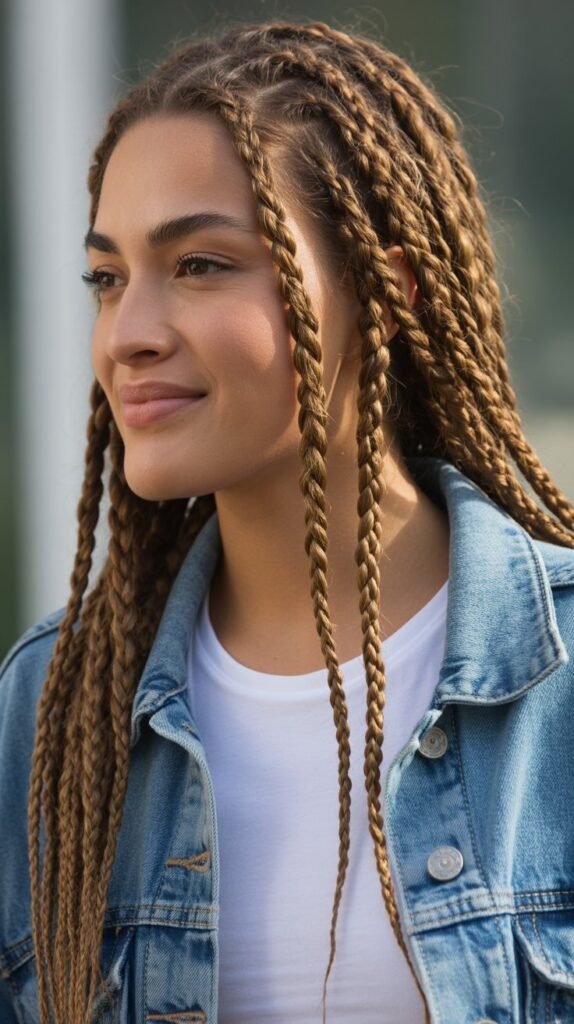
Rope braids twisted two sections around each other to create dynamic, spiral effects.
These deceptively simple braids delivered unique texture that stood out among traditional three-strand techniques.
Construction Method:
- Two equal sections of hair are twisted individually in the same direction
- The twisted sections then wrap around each other in the opposite direction
- Tension must remain consistent to maintain even, rope-like appearance throughout
- The technique works with natural hair alone or with extensions for added length
Unique Characteristics:
- The spiral texture catches light differently than flat, traditional braids
- Rope braids appear thicker and more substantial than comparable three-strand braids
- The twisted structure holds firmly and resists unraveling better than standard braids
- Movement creates dynamic, eye-catching effects as the spirals shift and reflect light
Styling Applications:
- Single rope braids down the back created simple yet striking statements
- Multiple rope braids across the head offered dimensional, textured appearances
- Rope braid updos delivered unique texture for special occasion styling
- The technique combined well with other braiding methods for mixed-texture looks
23. Crochet Braids

Crochet braids revolutionized protective styling in the late 90s by drastically reducing installation time.
This innovative technique attached pre-made braids to cornrowed bases, creating instant, damage-free styles.
Installation Innovation:
- Natural hair is cornrowed flat against the scalp in a foundational pattern
- A latch hook pulls pre-braided or twisted extensions through the cornrow base
- The process takes 2-4 hours compared to 8+ hours for traditional braiding
- Minimal manipulation of natural hair provides superior protection
Extension Variety:
- Box braid extensions offered traditional braided appearances without lengthy installation
- Twist extensions created softer, more textured looks with the same time savings
- Curly hair extensions merged protective benefits with free-flowing curl patterns
- Straight hair options provided sleek, flowing looks over the cornrow base
Maintenance Advantages:
- Easy removal causes minimal stress to natural hair underneath
- The cornrow base can be moisturized and maintained throughout wear duration
- Styles typically last 4-6 weeks before requiring reinstallation
- Lower cost compared to traditional braiding due to reduced labor time
24. Stitch Braids

Stitch braids introduced perfectly horizontal lines across braided cornrows, creating the appearance of stitches sewn into the scalp.
This meticulous technique defined late 90s precision styling.
Technical Precision:
- Hair is parted in thin, horizontal lines before braiding each cornrow
- The parting pattern creates visible “stitches” across the braided sections
- Precise sectioning requires skill, patience, and attention to geometric detail
- The result combines traditional cornrows with modern, graphic aesthetics
Visual Impact:
- The stitch pattern creates striking geometric designs visible between braids
- Horizontal lines contrast beautifully with the vertical direction of cornrows
- The precise nature of the style showcases braiding skill and artistry
- Different stitch spacing creates varied effects from subtle to dramatic
Contemporary Relevance:
- Stitch braids bridge 90s innovation with current social media hair trends
- The technique works with any cornrow pattern from straight to curved
- Color-contrasted edges highlight the stitch pattern for maximum visibility
- The style represents the evolution of traditional techniques into modern art forms
25. Bob-Length Box Braids

Bob-length box braids offered a manageable, sophisticated alternative to waist-length styles.
These chin-to-shoulder-length braids defined late 90s professional aesthetics while maintaining protective benefits.
Length Advantages:
- Shorter length reduces installation time to 4-6 hours
- Lighter weight eliminates neck strain and headaches common with longer styles
- Professional appearance makes the style workplace-appropriate
- Easier maintenance and styling compared to longer braid lengths
Styling Versatility:
- Blunt bobs created sharp, geometric silhouettes with modern edge
- Angled bobs featured longer front sections for face-framing effects
- Layered approaches added movement and dimension to the structured length
- The length allowed easy updos while still providing styling flexibility when worn down
Modern Appeal:
- Bob-length braids bridge classic protective styling with contemporary fashion
- The length works across age groups from teenagers to mature women
- Lower maintenance requirements appeal to busy professionals and students
- The style provides protection benefits without the commitment of extreme length
Care and Maintenance Tips for 90s Braided Styles
Scalp Care:
- Apply lightweight oils directly to the scalp using an applicator bottle with a nozzle tip
- Diluted tea tree oil soothes itching and maintains scalp health throughout wear
- Avoid heavy products that create buildup between braids and on the scalp
- Gentle scalp massages stimulate blood flow and promote healthy hair growth beneath braids
Nighttime Protection:
- Satin or silk bonnets prevent friction that causes frizzing and maintain braid integrity
- Satin pillowcases offer alternative protection for those who dislike wearing bonnets
- Long braids benefit from loose ponytails or braiding before covering for the night
- Consistent nighttime routines extend style longevity by several weeks
Washing Techniques:
- Dilute shampoo with water in an applicator bottle for easy scalp access
- Focus cleansing on the scalp rather than the braid lengths to prevent unraveling
- Rinse thoroughly to remove all product residue between braids
- Air dry completely or use a hooded dryer on cool settings to prevent mildew
Edge Preservation:
- Avoid excessive tension on hairlines during installation to prevent traction alopecia
- Apply edge control sparingly to maintain neat appearances without buildup
- Give edges periodic breaks between styles to allow recovery and regrowth
- Massage edges nightly with growth-promoting oils like castor or rosemary oil
Styling Products Essential for 90s Braids
Holding Products:
- Edge control gels kept baby hairs sleek and flyaways controlled throughout the day
- Loc and braid gels provided hold without flaking or creating white residue
- Mousse added volume and definition to braid-out styles and loose sections
- Beeswax-based products offered strong hold but required moderation to prevent buildup
Moisturizing Products:
- Braid sprays formulated specifically for synthetic hair maintained moisture balance
- Rose water and glycerin mixtures provided natural, affordable moisturizing solutions
- Leave-in conditioners kept natural hair underneath hydrated and healthy
- Natural oils like jojoba and sweet almond absorbed easily without heavy residue
Shine Enhancers:
- Lightweight hair sheens added gloss to braids for polished, finished appearances
- Oil-based shine sprays created natural-looking luster without greasiness
- Argan oil smoothed flyaways while adding subtle, healthy-looking shine
- Silicone-based products provided maximum shine but required thorough cleansing during removal
Celebrity Icons Who Rocked 90s Braids
Janet Jackson:
- Defined the decade with her iconic Poetic Justice braids in 1993
- Popularized waist-length box braids as symbols of Black beauty and strength
- Her influence extended beyond music into fashion and cultural movements
- Made protective styling aspirational for mainstream audiences worldwide
Brandy Norwood:
- Television’s Moesha showcased various braided styles throughout its run from 1996-2001
- Box braids became synonymous with the actress and singer’s signature look
- Her styles influenced millions of young Black girls embracing natural hair protection
- Demonstrated the versatility of braids from casual to red carpet elegance
Alicia Keys:
- Brought cornrows and Fulani braids to mainstream R&B in the late 90s
- Her natural beauty aesthetic challenged industry standards for female artists
- Combined traditional African braiding with contemporary fashion sensibilities
- Advocated for natural hair acceptance throughout her early career
Lauryn Hill:
- The Fugees and her solo career featured constantly evolving braided masterpieces
- Micro braids, box braids, and twisted styles showcased her artistic versatility
- Her “Miseducation” era defined late 90s natural hair aesthetics
- Merged bohemian style with hip-hop culture through innovative braiding choices
Modern Adaptations of 90s Braided Styles
Contemporary Techniques:
- Knotless methods have largely replaced traditional knotted installations for reduced tension
- Invisible root techniques create even more seamless transitions than 90s feed-in braids
- Hot water sealing replaced lighter flames for safer, more controlled braid finishing
- Pre-stretched braiding hair eliminates the time-consuming stretching process from the 90s
Color Evolution:
- Pastel shades in pink, lavender, and mint offer softer alternatives to bold 90s primaries
- Ombre and balayage techniques create sophisticated color transitions throughout braids
- Money piece highlights frame faces with subtle, modern color placement
- Neon and glow-in-the-dark extensions push boundaries beyond 90s experimentation
Social Media Influence:
- Instagram and TikTok have revived interest in 90s braiding techniques among Gen Z
- Tutorial videos make complex styles accessible to DIY enthusiasts worldwide
- Hashtags connect braiding communities and showcase innovative pattern combinations
- Viral trends cycle through 90s-inspired looks with contemporary modifications
Protective Styling Awareness:
- Modern understanding of hair health prioritizes scalp care and edge preservation
- Dermatologists and trichologists educate on safe braiding practices to prevent damage
- The natural hair movement emphasizes protection over aesthetic at any cost
- Balanced approaches honor 90s creativity while incorporating current health knowledge
DIY Tips for Recreating 90s Braided Looks
Essential Tools:
- Rattail combs with long, thin handles create precise parts and sections
- Duck bill clips hold separated sections during the braiding process
- Edge brushes with soft bristles smooth baby hairs without breakage
- Spray bottles keep hair damp and manageable throughout installation
Beginner-Friendly Styles:
- Two large goddess braids offer impressive results with minimal skill requirements
- Simple straight-back cornrows teach fundamental braiding techniques before advancing
- Jumbo box braids reduce frustration with faster completion times for beginners
- Twist styles prove more forgiving than braids for those still developing technique
Practice Strategies:
- Start with small sections on friends or mannequin heads before attempting full installations
- Watch multiple tutorial videos to understand various teaching approaches and techniques
- Practice consistent tension to create uniform braids throughout the head
- Accept imperfection initially while building muscle memory and skill over time
Common Mistakes to Avoid:
- Excessive tension causes immediate pain and long-term hair damage
- Skipping edge moisturizing leads to breakage in the most visible areas
- Rushing through installation results in uneven sections and unprofessional appearances
- Neglecting to seal braid ends causes unraveling and shortened style duration
Cultural Significance and Respect
Historical Context:
- African braiding traditions date back thousands of years before the 90s popularization
- Specific patterns historically indicated tribal affiliation, age, marital status, and social standing
- The transatlantic slave trade disrupted but never eliminated these cultural hair practices
- The 90s represented a reclamation and celebration of African hair heritage
Cultural Appreciation vs. Appropriation:
- Understanding the history and significance behind styles demonstrates respect
- Credit should acknowledge African and African American origins of these techniques
- Non-Black individuals wearing these styles should recognize their cultural weight
- The conversation around cultural appropriation in hair continues to evolve
The Natural Hair Movement:
- The 90s laid groundwork for the 2000s natural hair revolution
- Protective braiding helped many transition from chemical relaxers to natural textures
- Workplace discrimination against natural hairstyles sparked legislative action
- The CROWN Act addresses bias against natural and protective hairstyles in multiple states
Community and Connection:
- Braiding sessions created bonding opportunities between mothers and daughters
- Salon visits built community spaces for Black women to connect and share
- The craft passed down through generations preserves cultural knowledge and artistry
- Social media now connects global braiding communities across continents
Cost Considerations for 90s Braided Styles
Professional Installation Pricing:
- Box braids typically range from $150-$300 depending on length and location
- Micro braids command premium prices of $300-$600 due to extensive time requirements
- Simple cornrow styles start around $50-$100 for basic patterns
- Intricate designs with elaborate patterns increase costs by $50-$150
DIY Cost Savings:
- Synthetic braiding hair costs $5-$15 per pack with most styles requiring 5-8 packs
- Initial tool investment of $20-$40 covers combs, clips, and edge control supplies
- Time investment replaces financial cost, with installations taking significantly longer
- Skills improve with practice, eventually matching or exceeding salon results
Long-Term Value:
- Protective styles reduce daily manipulation and heat damage to natural hair
- Monthly hair product costs decrease during the 6-8 week style duration
- Time savings from simplified morning routines add value beyond monetary cost
- Hair growth retention from protection justifies upfront style investment
Budget-Friendly Options:
- Beauty schools offer discounted services from students under professional supervision
- At-home braiding parties split costs when friends braid each other’s hair
- Shorter lengths and larger braid sizes reduce both time and material costs
- Basic patterns without elaborate designs decrease professional installation fees
Seasonal Considerations for Braided Styles
Summer Braiding:
- Protective braids shield natural hair from chlorine damage during swimming season
- Updos and ponytails keep braids off the neck during hot weather
- Lighter colors in blonde or caramel reflect heat better than dark shades
- Shorter lengths reduce heat retention and neck discomfort in high temperatures
Winter Protection:
- Braids protect hair from drying winter winds and low humidity conditions
- Hats and scarves fit more comfortably over braided styles than loose natural hair
- Extra moisturizing combats winter dryness affecting both scalp and braids
- Darker colors in burgundy and brown complement winter fashion palettes
Rainy Season Care:
- Waterproof edge control maintains neat hairlines despite humidity and rain
- Tied-up styles prevent braids from becoming waterlogged and heavy
- Quick-drying techniques prevent mildew formation in damp braids
- Protective coverings shield styles during unexpected downpours
Year-Round Versatility:
- Quality installation withstands seasonal changes throughout its duration
- Adaptation through styling keeps the same braids fresh across months
- Proper maintenance matters more than seasonal timing for style longevity
- Climate-specific products address regional weather challenges effectively
Troubleshooting Common Braiding Issues
Scalp Tension and Pain:
- Excessive tightness at the roots indicates improper installation technique
- Take anti-inflammatory medication and apply cool compresses for immediate relief
- Gently massage painful areas with oil to increase blood flow
- Remove braids immediately if pain persists beyond 48 hours to prevent damage
Frizzing and Unraveling:
- Mousse applied to braids and dried under a hooded dryer tames frizz temporarily
- Hot water dipping seals synthetic braids and smooths fuzzy textures
- Edge control smooths flyaways along partings and at braid bases
- Nighttime protection prevents friction that accelerates frizzing
Itchy Scalp:
- Diluted apple cider vinegar applied with a spray bottle balances scalp pH
- Witch hazel on a cotton ball soothes itching without disturbing braids
- Avoid scratching directly; instead, press firmly on itchy spots
- Persistent itching may indicate product allergies or scalp conditions requiring removal
Product Buildup:
- Clarifying shampoo removes accumulated products from scalp and braid bases
- Reduce product usage if buildup occurs within the first two weeks
- Baking soda mixed with shampoo provides deep cleansing for stubborn buildup
- Prevention through minimal product application proves easier than correction
Conclusion
25 Stylish 90s Braided Hairstyles represents more than a nostalgic look back at a defining decade—it celebrates enduring beauty techniques that continue influencing contemporary hair culture.
The 1990s gifted us with braiding innovations that balanced cultural authenticity, creative expression, and protective hair care in unprecedented ways.
From the iconic Poetic Justice braids that symbolized Black excellence to the intricate stitch braids that showcased artistic precision, each style tells a story of identity, resilience, and beauty.
These looks transcended mere fashion trends to become cultural touchstones that empowered wearers and challenged conventional beauty standards.
Today’s natural hair movement owes tremendous debt to the 90s braiding revolution that normalized and celebrated textured hair in mainstream spaces.
Whether you’re recreating these styles for nostalgic reasons, discovering them for the first time, or simply appreciating their historical significance, the 25 hairstyles explored here demonstrate that true style never fades—it simply evolves.
The techniques, creativity, and cultural pride embedded in these braided masterpieces ensure that 25 Stylish 90s Braided Hairstyles will continue inspiring future generations of beauty enthusiasts, hairstylists, and anyone who appreciates the artistry of Black hair culture.