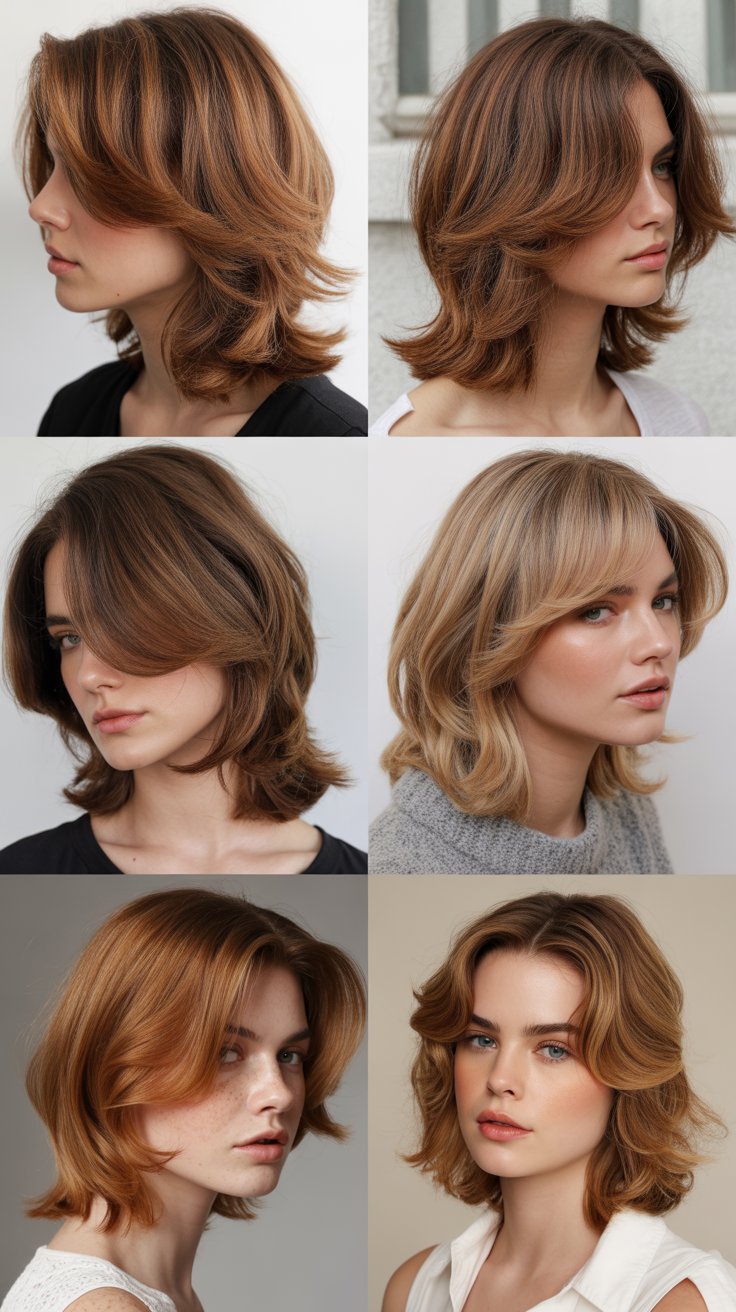
Thick hair is a blessing, but finding the perfect haircut that manages volume while enhancing your natural texture can feel overwhelming.
If you’re searching for a style that combines manageability with effortless beauty, shoulder-length layered haircuts are your ultimate solution.
The 41 Most Beautiful Shoulder-Length Haircuts With Layers for Thick Hair featured in this article will transform how you approach styling, offering options that reduce bulk, add movement, and create stunning dimension.
Whether you prefer soft, face-framing layers or bold, choppy textures, this comprehensive guide covers every style imaginable—from classic cuts to modern trends.
You’ll discover techniques that work specifically for thick hair, styling tips that save time, and expert insights into choosing the perfect layered cut for your face shape and lifestyle.
Get ready to find your signature look among these gorgeous, practical, and flattering shoulder-length styles.
1. Classic Long Layers for Volume Control
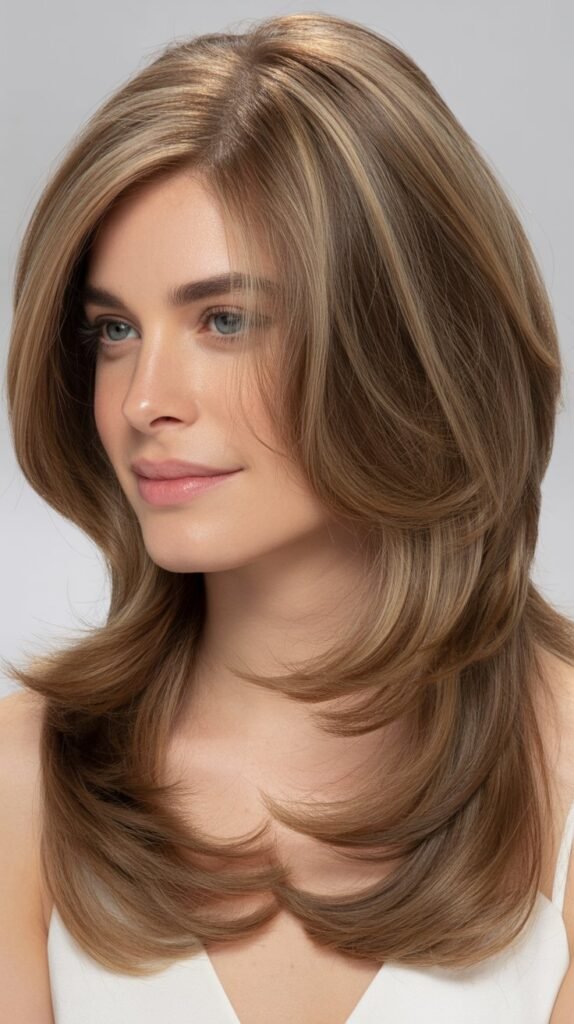
Long layers are the foundation of thick hair management, creating movement without sacrificing length.
This timeless technique removes weight from the bottom while maintaining fullness at the crown, making it ideal for those who want to keep their hair’s natural thickness under control.
Key Benefits:
- Reduces bulk throughout the hair shaft while preserving overall length
- Creates natural movement that prevents the triangular shape thick hair often develops
- Works beautifully with both straight and wavy textures
- Requires minimal daily styling, making it perfect for busy lifestyles
- Can be customized with face-framing pieces for added dimension
2. Choppy Layers for Edgy Texture
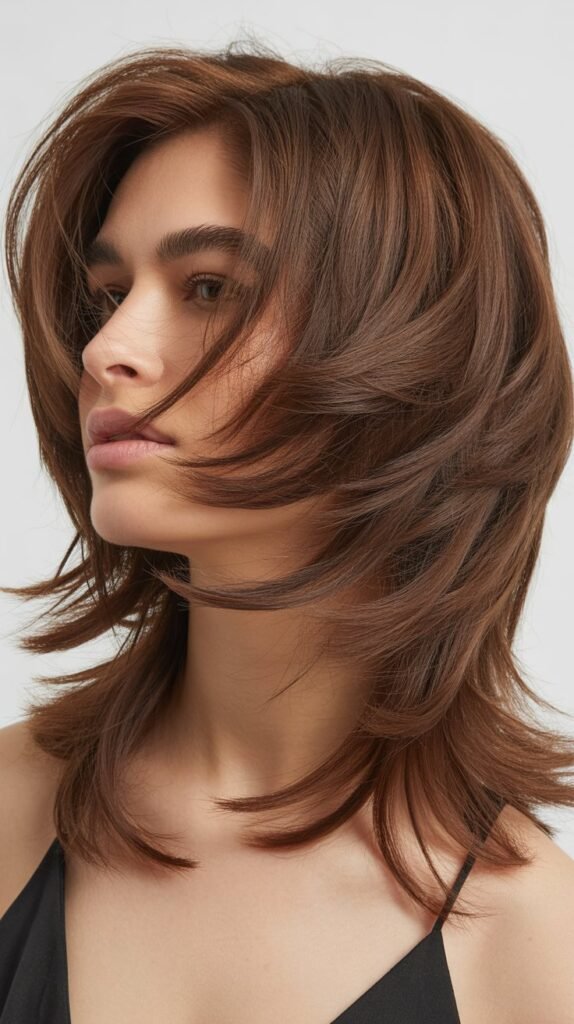
Choppy layers introduce a contemporary edge to shoulder-length thick hair by creating deliberate, textured ends.
This cutting technique involves varying the length of layers dramatically, producing a purposefully undone look that’s both modern and effortlessly cool.
Styling Characteristics:
- Creates a piece-y, separated texture that adds visual interest
- Removes significant weight, making thick hair feel lighter
- Works exceptionally well with air-drying for a casual, tousled finish
- Pairs perfectly with highlights or balayage to emphasize dimension
- Ideal for oval, square, and heart-shaped faces
3. Face-Framing Layers for Flattering Definition
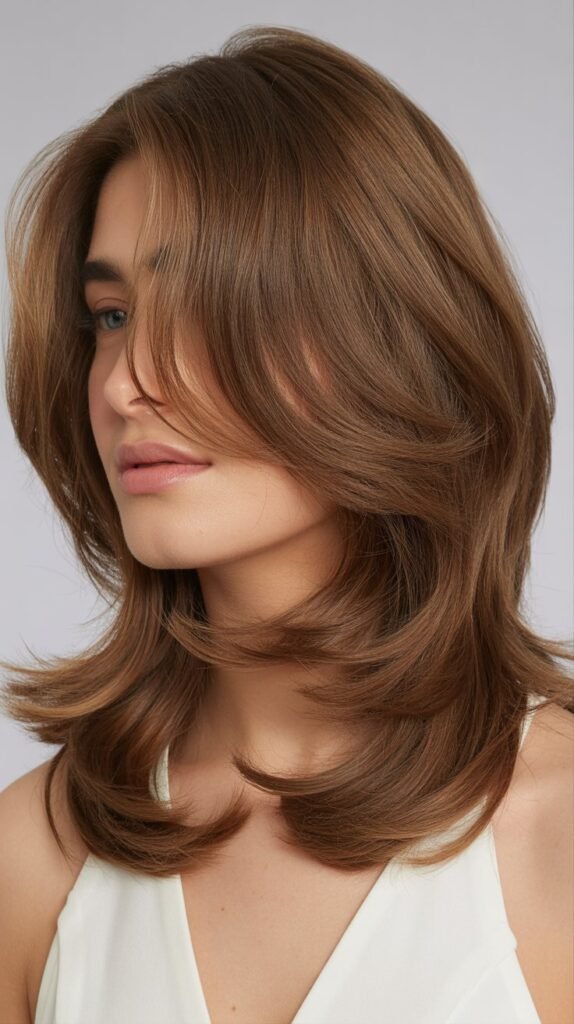
Face-framing layers strategically place shorter pieces around the face to enhance your features and create a slimming effect.
This technique is particularly effective for thick hair because it draws attention to your face while managing volume.
Strategic Placement:
- Begins at the cheekbone or chin level to accentuate facial structure
- Gradually blends into longer lengths for seamless integration
- Softens angular features while defining rounder face shapes
- Can be customized to highlight eyes, cheekbones, or jawline
- Requires regular trims every 6-8 weeks to maintain shape
4. V-Cut Layers for Tapered Ends
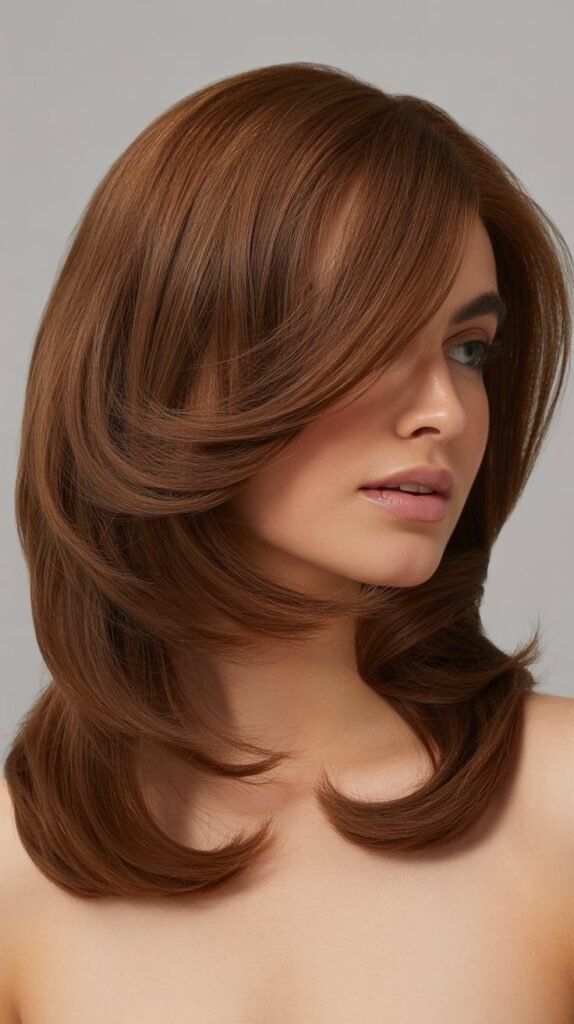
The V-cut creates a distinctive shape where hair forms a “V” at the back, with layers gradually increasing in length toward the center.
This technique is excellent for thick hair because it removes bulk while creating a beautiful, flowing silhouette.
Structural Benefits:
- Concentrates length at the back for a dramatic, eye-catching shape
- Removes weight from the sides to prevent the boxy appearance
- Creates natural movement that enhances thick hair’s texture
- Works beautifully for both straight and slightly wavy hair types
- Adds a unique architectural element to standard shoulder-length cuts
5. Feathered Layers for Soft Movement

Feathered layers involve cutting hair at an angle to create soft, wispy ends that blend seamlessly together.
This classic technique is perfect for thick hair because it reduces density while creating a light, airy appearance.
Texturizing Benefits:
- Uses point-cutting or razor techniques to create feather-like ends
- Reduces bulk without creating harsh lines or visible weight removal
- Produces a soft, romantic look that flatters most face shapes
- Moves beautifully with natural body and doesn’t require extensive styling
- Works particularly well for those transitioning from long to medium length
6. Shaggy Layers for Retro Cool
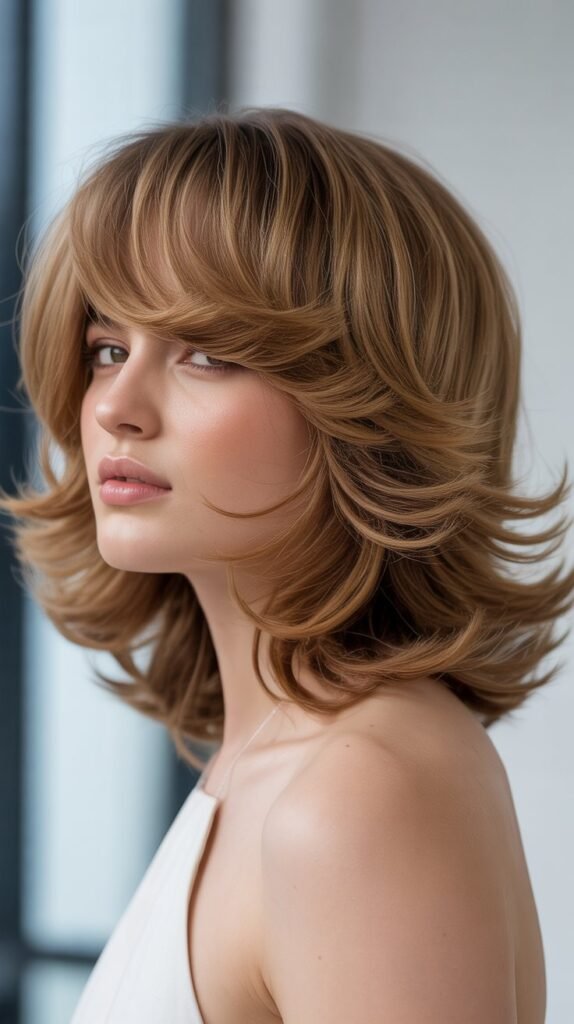
The modern shag brings 70s-inspired layers into contemporary styling, featuring multiple layers throughout the hair for maximum texture and volume.
This cut is ideal for thick hair because it strategically removes weight while creating an intentionally tousled look.
Style Elements:
- Incorporates layers starting from the crown and continuing throughout
- Creates a deliberately messy, lived-in aesthetic
- Requires texturizing products like sea salt spray or dry shampoo
- Works beautifully with natural texture, including waves and curls
- Suits those who prefer low-maintenance, effortlessly cool styles
7. Curtain Bangs With Layered Lengths
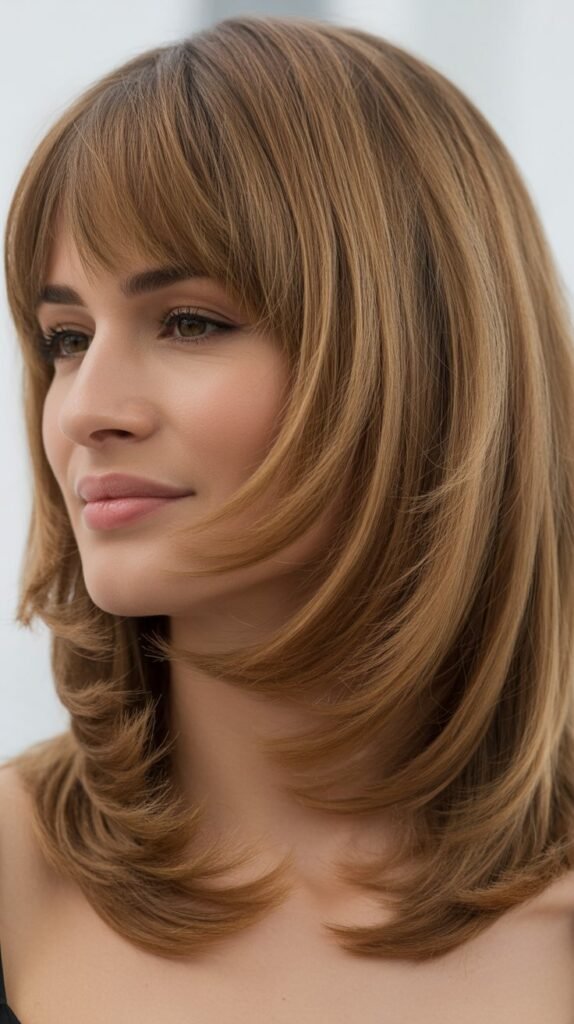
Curtain bangs paired with shoulder-length layers create a perfectly balanced look that’s both trendy and flattering.
The bangs part naturally in the middle and sweep to the sides, while layers throughout add dimension and control bulk.
Combination Features:
- Curtain bangs typically start at the eyebrows and gradually lengthen toward the temples
- Seamlessly blend into face-framing layers for cohesive styling
- Elongate the face while softening harsh features
- Can be styled straight, wavy, or with a slight bend for versatility
- Requires styling with a round brush to achieve the signature swooping effect
8. Blunt Cut With Internal Layers
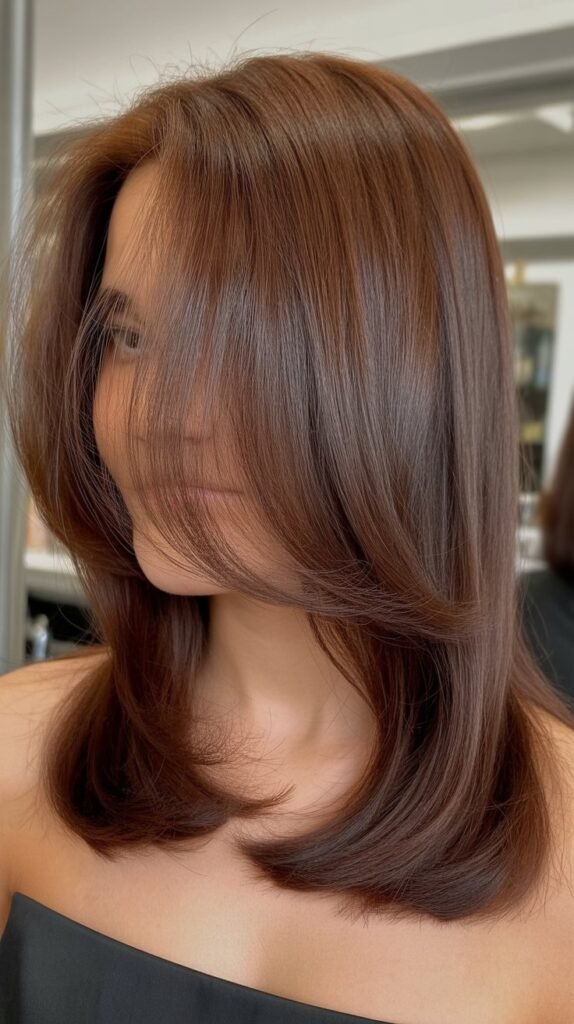
This technique maintains a blunt, solid perimeter while adding hidden layers underneath to remove bulk.
It’s perfect for thick hair when you want to keep a polished, uniform appearance while managing density.
Technical Approach:
- Creates internal layers that aren’t visible from the outside
- Maintains a strong, geometric outline while reducing weight
- Produces a sleek, sophisticated look ideal for professional settings
- Allows for both straight, polished styling and textured, wavy looks
- Prevents the mushroom effect that solid cuts can create on thick hair
9. Razored Layers for Ultimate Lightness
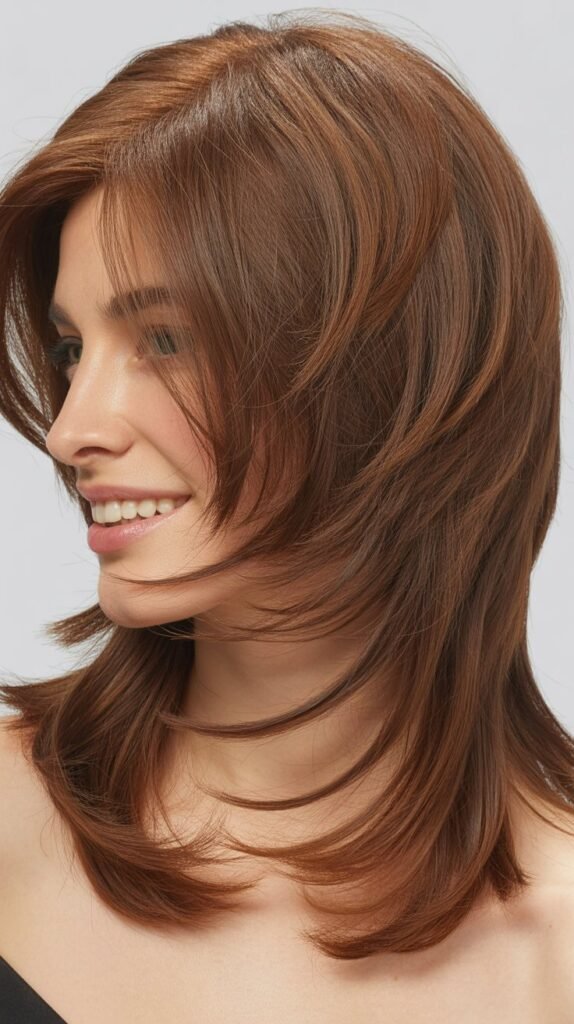
Razor cutting creates extremely soft, feathered ends that dramatically reduce the weight of thick hair.
This technique uses a razor blade instead of scissors to create layers with incredible texture and movement.
Cutting Method Benefits:
- Produces ultra-fine, tapered ends that feel significantly lighter
- Creates maximum movement and prevents thick hair from looking heavy
- Generates a soft, feminine aesthetic with seamless blending
- Works best on straight to slightly wavy hair textures
- May require more frequent trims as ends can become delicate
10. Asymmetrical Layers for Modern Edge
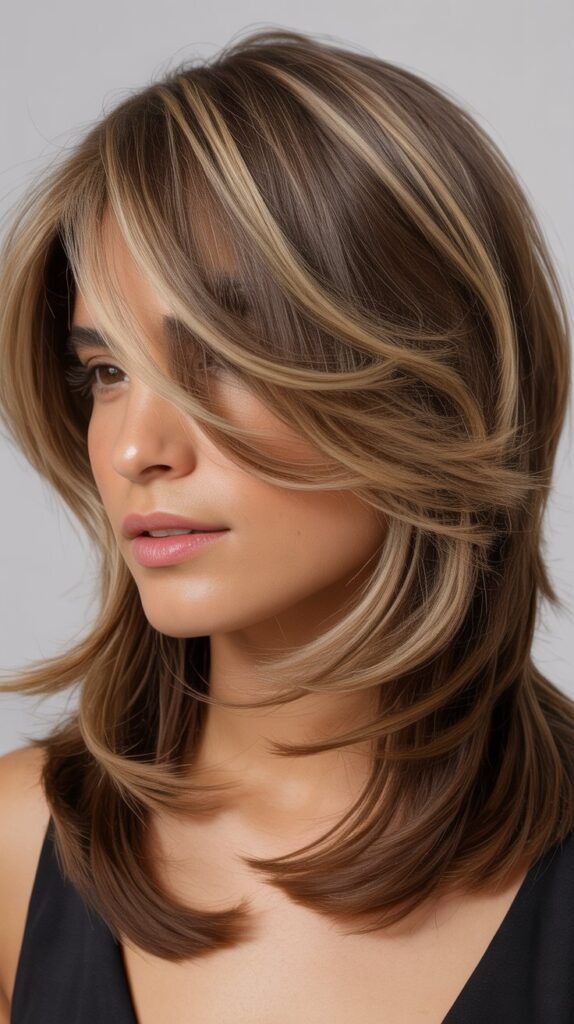
Asymmetrical layering creates intentional unevenness, with one side longer or more layered than the other.
This bold approach is perfect for thick hair because it adds visual interest while strategically removing bulk.
Design Elements:
- Can feature a longer side that grazes the shoulder while the other hits mid-neck
- Creates dynamic movement and a fashion-forward appearance
- Requires careful styling to emphasize the asymmetrical design
- Works particularly well for those with edgy personal styles
- May need more frequent salon visits to maintain the specific shape
11. Graduated Layers for Structured Volume

Graduated layers are cut at increasing angles, creating stacked volume at the back while maintaining length at the front.
This technique is excellent for thick hair because it removes weight where it tends to accumulate most.
Structural Design:
- Creates shorter layers at the nape that gradually lengthen toward the front
- Produces natural lift at the crown without teasing or excessive styling
- Maintains face-framing length while reducing bulk at the back
- Works beautifully for those who want polished, put-together looks
- Can be blow-dried smooth or styled with waves for different effects
12. Disconnected Layers for Bold Contrast
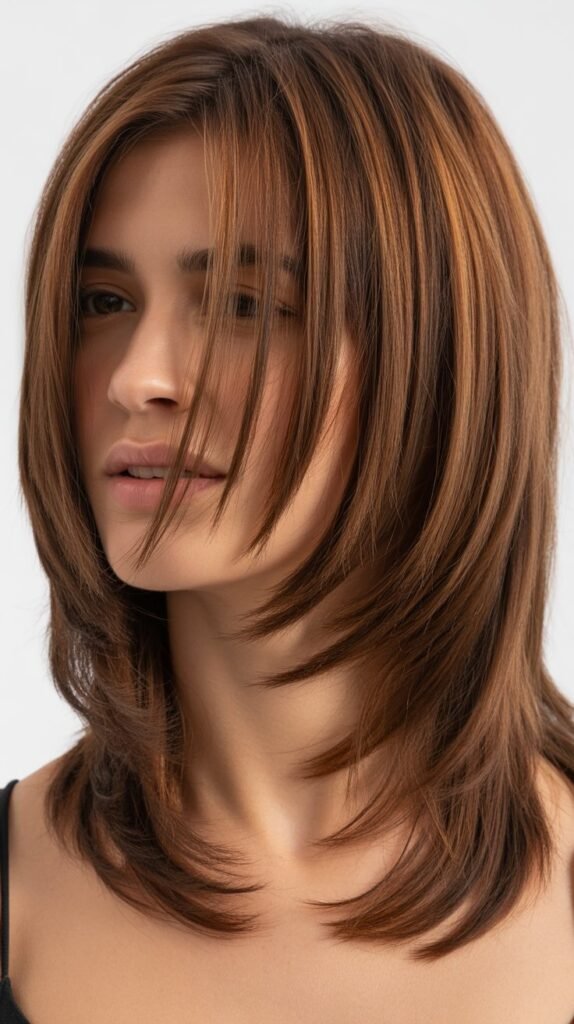
Disconnected layers feature dramatic differences between layer lengths, creating visible separation and bold texture.
This cutting-edge technique is ideal for thick hair when you want maximum impact and weight removal.
Contrast Features:
- Creates obvious gaps between layer lengths for striking visual effect
- Removes substantial bulk by creating distinct sections of different lengths
- Produces a modern, fashion-forward aesthetic
- Requires confident styling and works best with texturizing products
- Suits those who prefer statement-making, unconventional hairstyles
13. Soft Cascading Layers for Romantic Flow
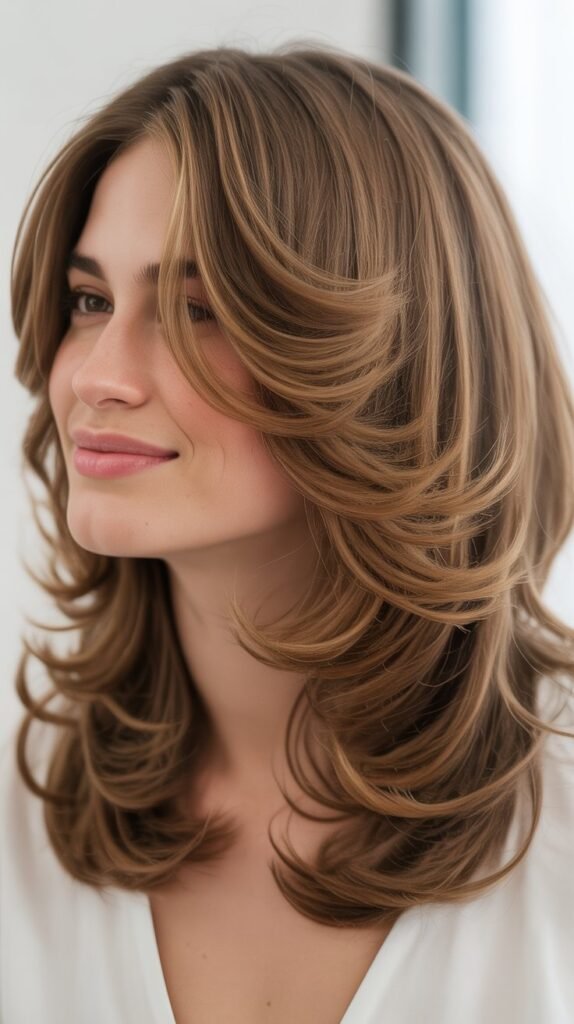
Cascading layers create a waterfall effect where each layer gently flows into the next.
This romantic technique is perfect for thick hair because it maintains fullness while creating beautiful, flowing movement.
Flowing Characteristics:
- Features layers that blend seamlessly with minimal visible demarcation
- Creates gentle, sweeping movement ideal for feminine styles
- Works exceptionally well with loose waves or curls
- Produces a soft, approachable look suitable for all occasions
- Can be enhanced with highlights to emphasize the cascading effect
14. Piece-y Layers With Texture
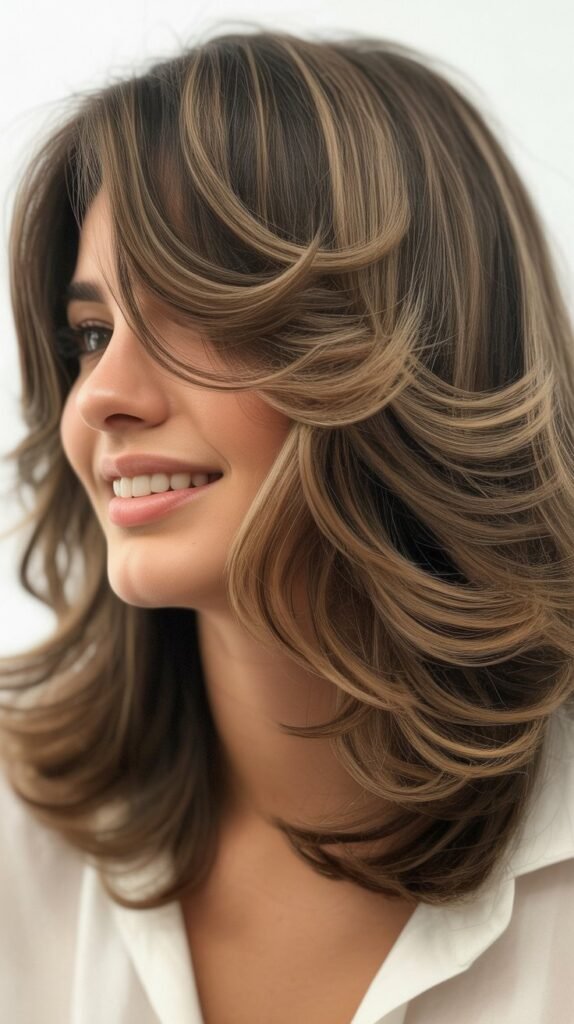
Piece-y layers create separated, individual sections that move independently, adding dimension and reducing the solid appearance of thick hair.
This technique uses point-cutting and texturizing to achieve a lived-in look.
Textural Benefits:
- Creates individual pieces that catch light differently for added dimension
- Prevents thick hair from appearing as one heavy mass
- Works beautifully with minimal styling for effortless appeal
- Can be enhanced with sea salt spray or texturizing paste
- Ideal for casual, bohemian, or beach-inspired aesthetics
15. Long Layers With Curtain Fringe
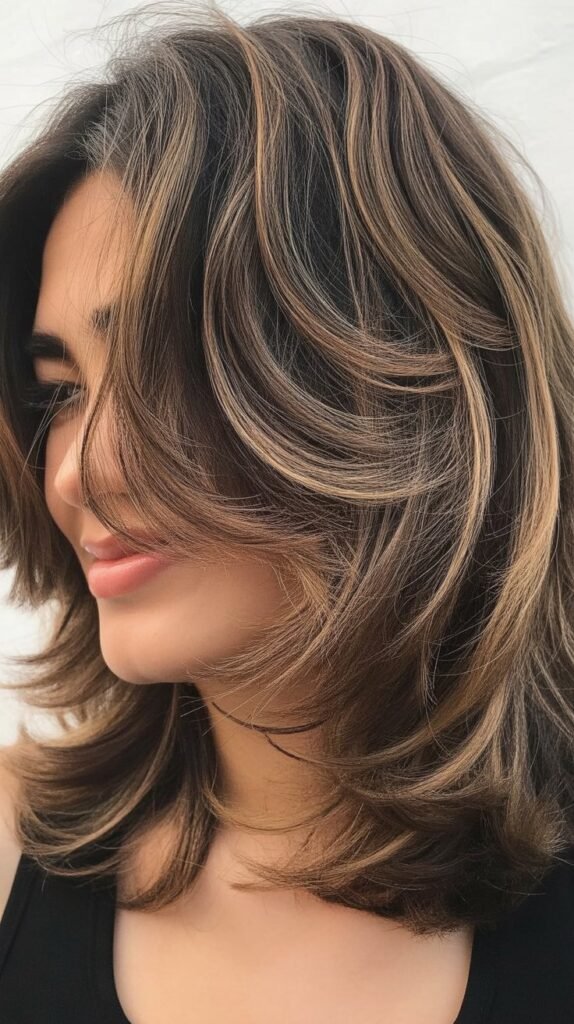
Combining long, flowing layers with a curtain fringe creates a balanced, flattering look that manages thick hair’s volume while framing the face beautifully.
This versatile style works across multiple hair textures and face shapes.
Combined Elements:
- Long layers reduce bulk throughout while maintaining substantial length
- Curtain fringe parts at the center and sweeps gracefully to the sides
- Creates vertical lines that elongate round or square face shapes
- Can be styled sleek and straight or with loose, effortless waves
- Requires minimal daily maintenance once the initial style is set
16. Wispy Layers for Delicate Texture
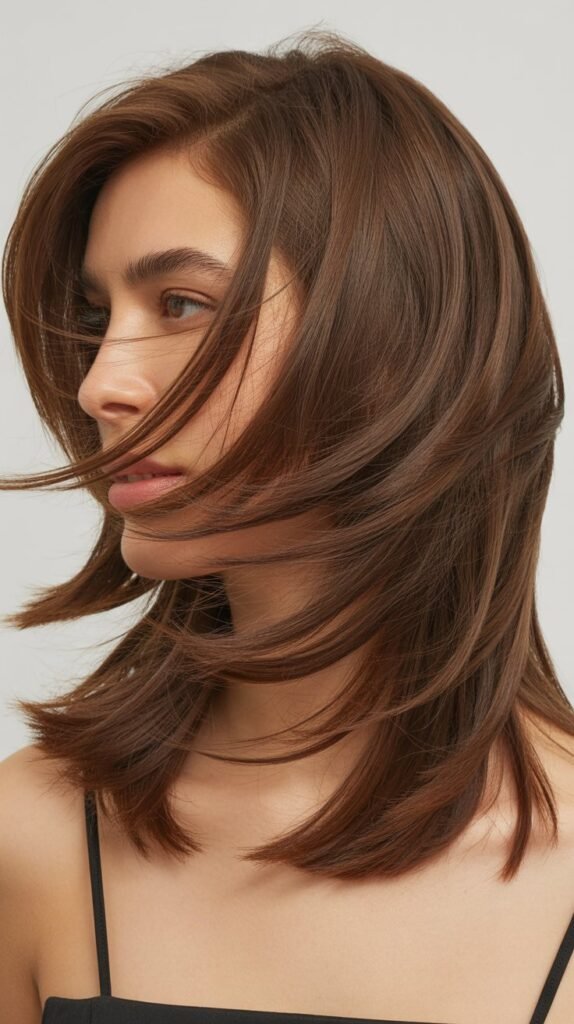
Wispy layers create fine, delicate ends that give thick hair a lighter, airier appearance.
This technique is achieved through careful point-cutting and thinning to produce soft, feather-like texture.
Delicate Features:
- Uses precise cutting techniques to create ultra-fine ends
- Dramatically reduces the visual weight of thick hair
- Produces a soft, feminine aesthetic ideal for romantic styles
- Moves beautifully with minimal effort, requiring little styling
- Best maintained with regular trims to prevent ends from becoming too fine
17. Angled Layers for Dynamic Shape
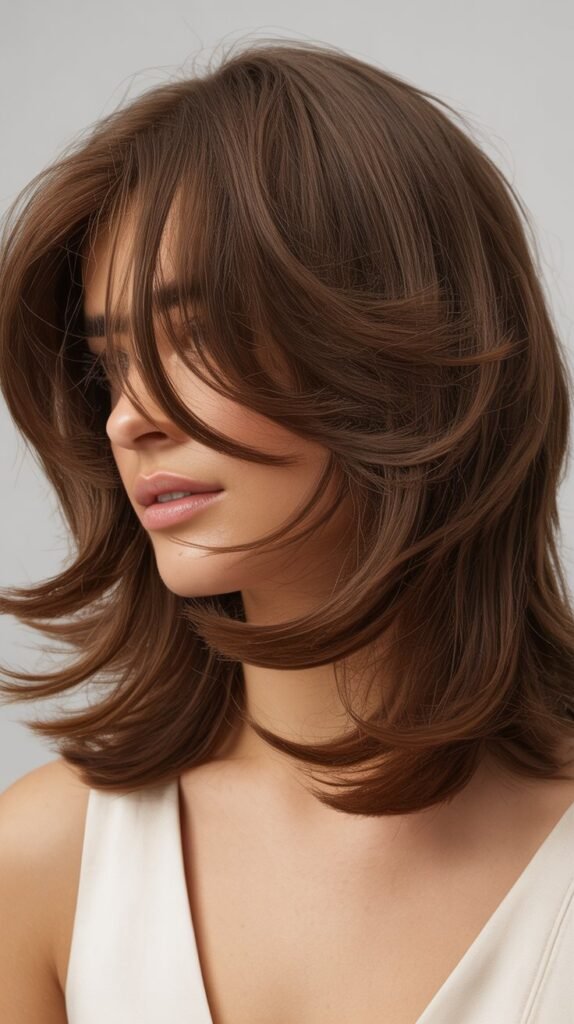
Angled layers are cut at varying degrees to create intentional lines and structure within shoulder-length thick hair.
This technique adds architectural interest while strategically removing bulk.
Angular Elements:
- Creates visible diagonal lines that add movement and direction
- Can be angled forward to frame the face or backward for volume
- Produces a polished, intentional look rather than soft blending
- Works particularly well for geometric or modern hairstyle preferences
- Requires precise cutting for clean, defined angles
18. Shoulder-Grazing Layers With Volume

This style features layers that end precisely at shoulder level, creating movement while maintaining a specific length.
It’s ideal for thick hair because the layers prevent bulk from accumulating at one point.
Length-Specific Benefits:
- Maintains a consistent shoulder-length perimeter while adding internal movement
- Creates natural bounce and body at the ends
- Versatile enough for both professional and casual settings
- Can be tucked behind ears or worn loose for different looks
- Works beautifully with one-length collarbone-skimming cuts
19. Layered Lob With Texture
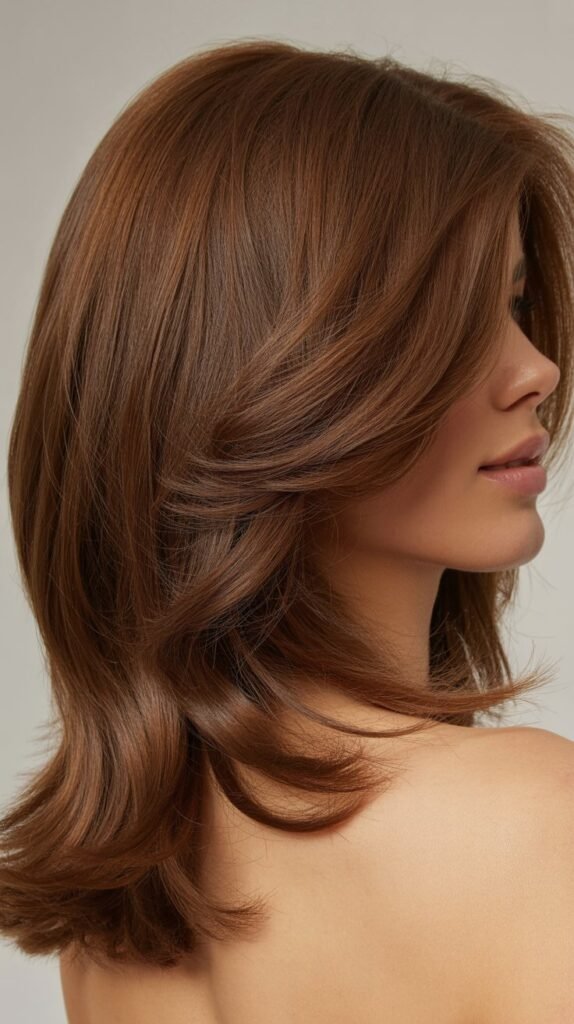
The layered lob (long bob) sits between the chin and shoulders, featuring layers that add movement and reduce bulk.
This modern classic is perfect for thick hair because it’s both stylish and manageable.
Lob Characteristics:
- Typically falls between the collarbone and shoulders for maximum versatility
- Incorporates layers throughout to prevent the heavy, triangular shape
- Can be styled straight for sophistication or wavy for casual appeal
- Works across all face shapes when customized appropriately
- Requires moderate maintenance with trims every 6-8 weeks
20. Side-Swept Layers for Asymmetry

Side-swept layers create a dramatic side part with layers that fall gracefully across one side of the face.
This technique is excellent for thick hair because it adds visual interest while managing volume.
Sweeping Features:
- Creates a deep side part that enhances the asymmetrical effect
- Layers fall across the face on one side while the other remains tucked
- Adds drama and sophistication to shoulder-length cuts
- Can be styled with a round brush for maximum volume and sweep
- Flatters most face shapes by creating diagonal lines
21. Thinned-Out Layers for Lightness

Thinning shears create internal texture that significantly reduces the density of thick hair without altering the overall shape.
This technique is essential for making thick hair more manageable while maintaining length.
Thinning Benefits:
- Uses specialized scissors to remove bulk from within the hair shaft
- Maintains the exterior shape while creating lightness inside
- Prevents the heavy, weighed-down feeling thick hair often has
- Can be combined with any layering technique for enhanced results
- Requires professional execution to avoid creating holes or patches
22. Layered Waves for Natural Texture
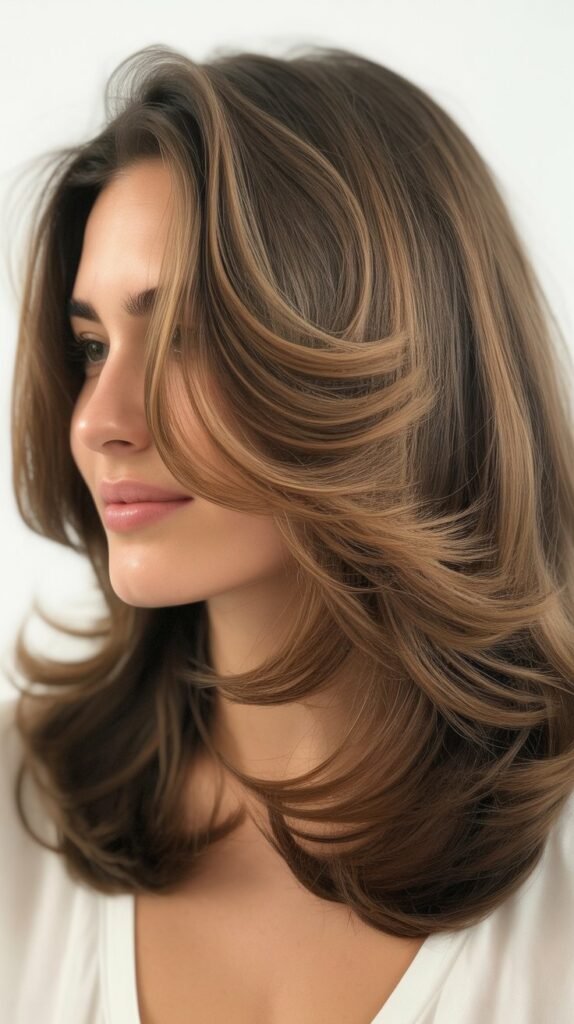
Layered cuts specifically designed to enhance natural waves create beautiful, flowing texture in thick hair.
This approach works with your hair’s natural pattern rather than against it.
Wave-Enhancing Features:
- Places layers at strategic points where waves naturally form
- Removes weight that pulls waves down, allowing them to spring up
- Creates definition and separation between wave patterns
- Works beautifully with products like curl creams or mousses
- Ideal for those embracing their natural texture
23. Sleek Layers With Blowout Finish
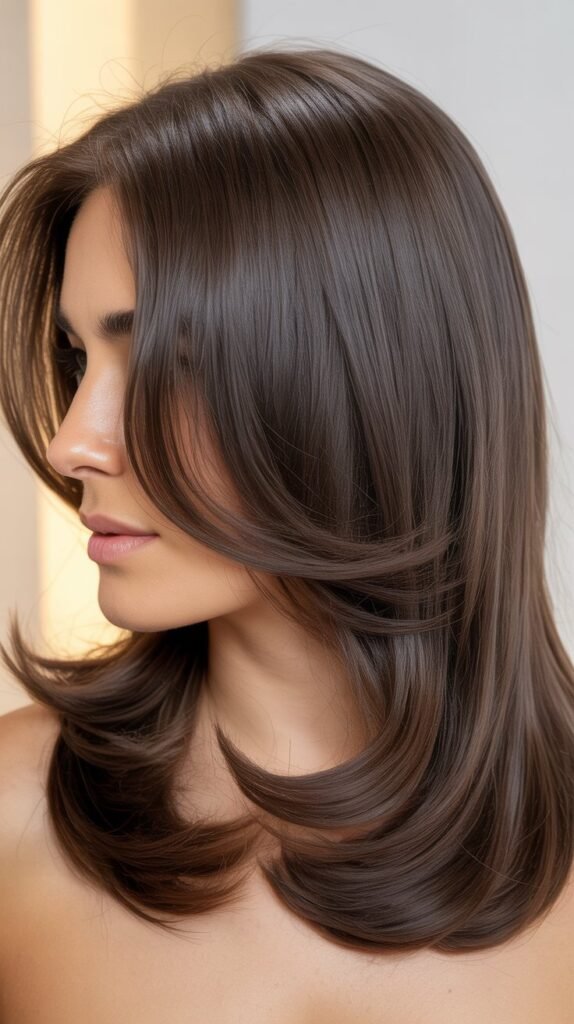
This style features layers cut to create maximum smoothness when blow-dried straight.
It’s perfect for thick hair that tends to frizz, as the layers help hair lie flat and sleek.
Smooth Styling Elements:
- Layers are cut at angles that naturally fall flat when straightened
- Reduces bulk at the ends for a polished, refined appearance
- Works best when styled with a paddle brush and smoothing products
- Creates a sophisticated, professional look ideal for formal settings
- May require heat protectant and finishing serums for optimal shine
24. Heavily Layered for Maximum Movement
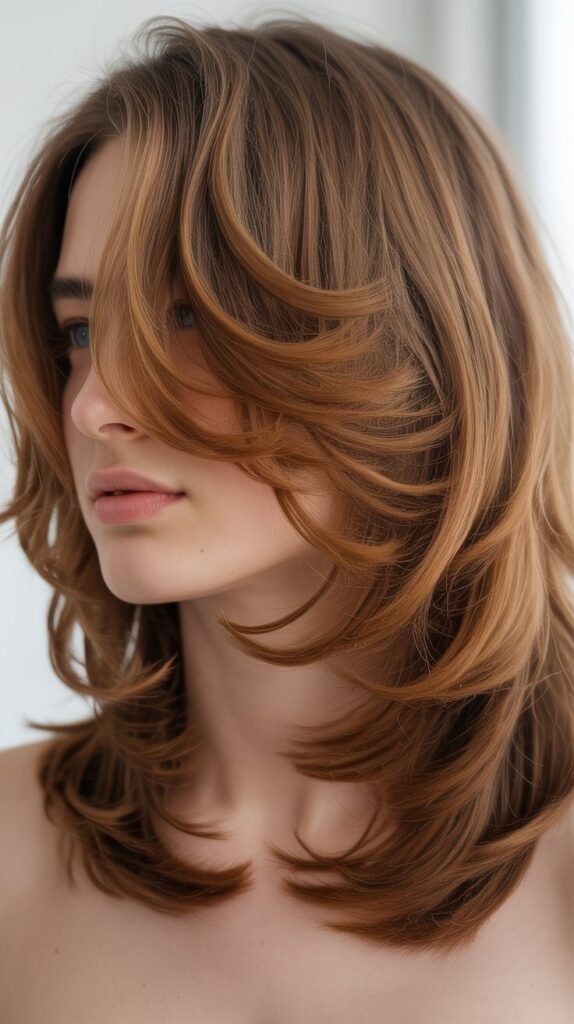
Multiple layers throughout the hair create extensive movement and dramatically reduce the weight of thick hair.
This bold approach is perfect for those who want maximum texture and minimal bulk.
Extensive Layering:
- Features numerous layers from crown to ends for all-over texture
- Creates exceptional movement that responds to every head turn
- Removes significant bulk, making thick hair feel much lighter
- Requires texturizing products to define and separate layers
- Best suited for casual, low-maintenance styling preferences
25. Layered With Balayage Highlights
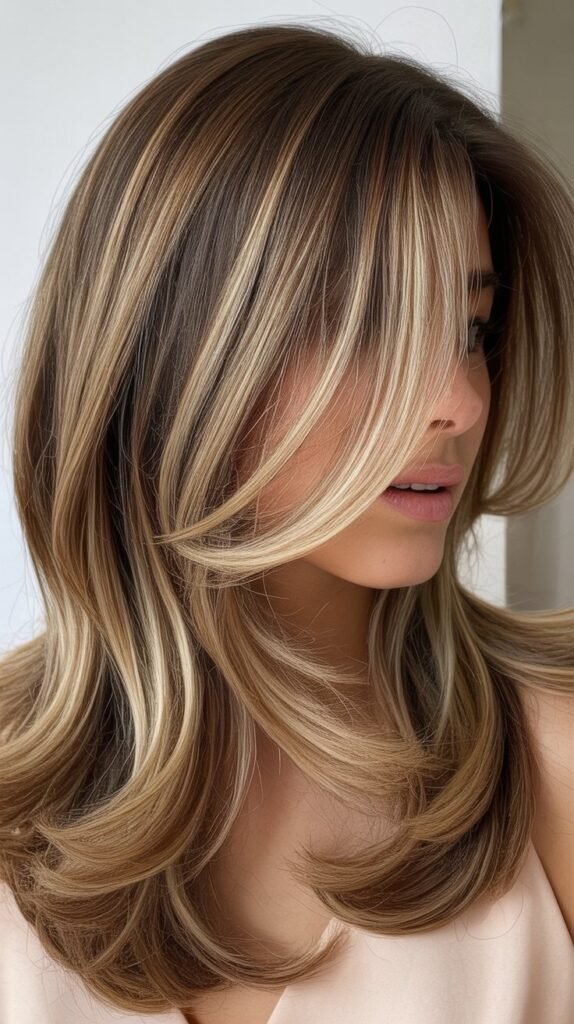
Combining layers with balayage highlighting creates dimensional color that emphasizes the cut’s movement.
This technique is particularly effective for thick hair as it adds visual lightness.
Color and Cut Synergy:
- Balayage highlights are hand-painted to follow the layer placement
- Creates depth and dimension that makes layers more visible
- Lighter pieces around the face brighten complexion
- Can transition from darker roots to lighter ends naturally
- Requires coordination between cutting and coloring for best results
26. Textured Layers With Beach Waves
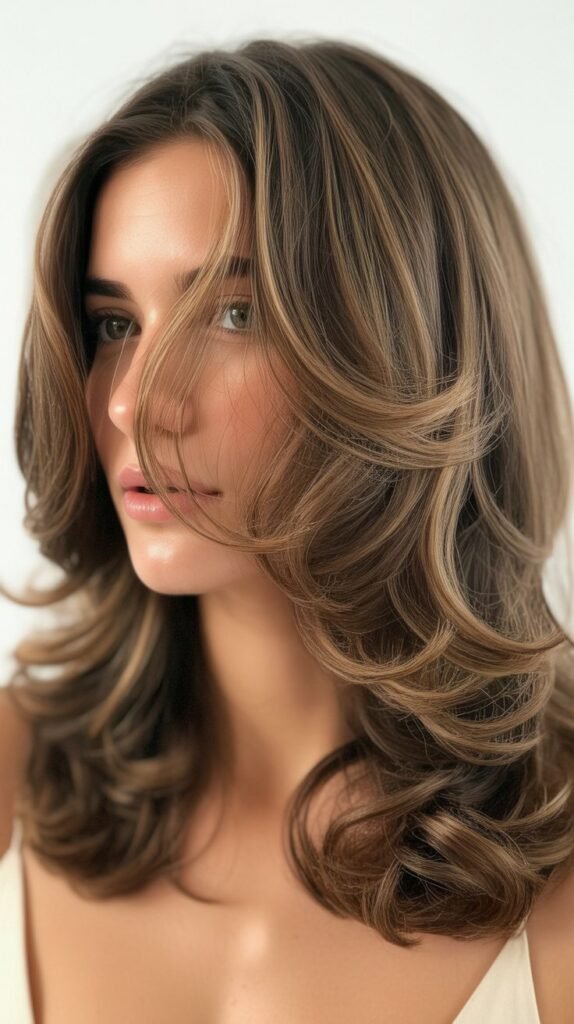
This effortlessly cool style combines textured layers with tousled, beach-inspired waves.
It’s ideal for thick hair because both the cut and style work together to manage volume.
Beach-Inspired Elements:
- Layers are cut to enhance natural wave patterns when styled
- Creates a relaxed, vacation-ready aesthetic year-round
- Can be achieved with sea salt spray and air-drying or with a curling wand
- Looks intentionally undone while remaining polished enough for most settings
- Works beautifully for casual, bohemian personal styles
27. Layered Bob Transition Cut

This transitional style helps those growing out a bob into shoulder-length hair, using layers to manage awkward lengths.
It’s particularly useful for thick hair that can become bulky during the growing-out phase.
Transitional Features:
- Strategically places layers to prevent the “in-between” length from looking unkempt
- Removes bulk that accumulates as hair grows longer
- Creates shape and style during what’s typically an awkward growth period
- Can be updated with additional layers as hair continues to lengthen
- Maintains style integrity throughout the growing-out process
28. Layered With Face-Framing Highlights

Combining layers with strategically placed highlights around the face creates a brightening, lifting effect.
This technique is excellent for thick hair as it adds lightness both through cut and color.
Brightening Combination:
- Highlights are concentrated around face-framing layers for maximum impact
- Creates the illusion of light reflecting off the face
- Can be subtle with natural-looking tones or bold with contrasting colors
- Works to soften features and draw attention to eyes
- Requires maintenance every 8-12 weeks to keep highlights fresh
29. Choppy Layers With Undercut
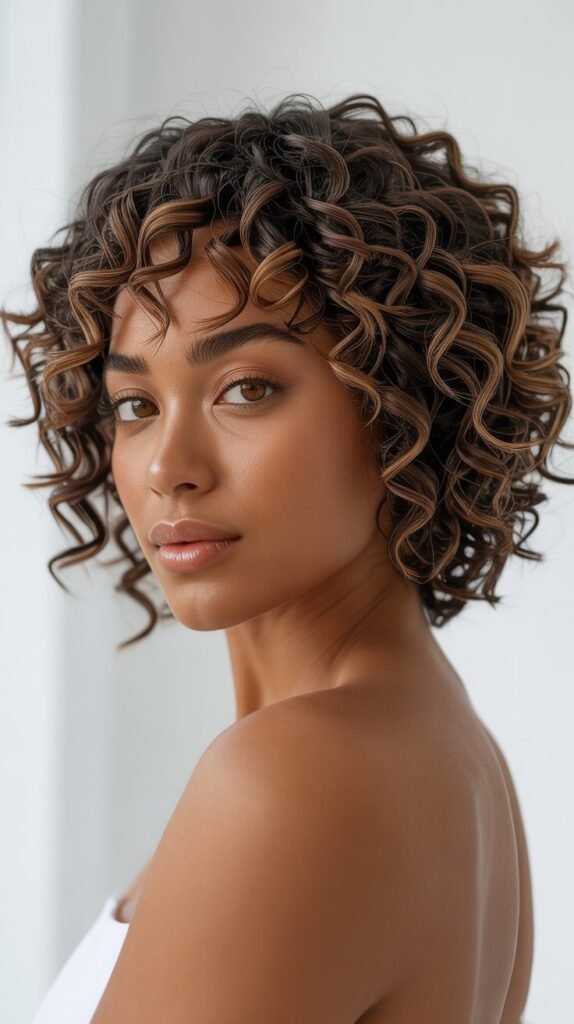
An undercut hidden beneath the top layers dramatically reduces bulk in thick hair while maintaining length on top.
This edgy combination creates a modern, bold look.
Undercut Integration:
- Shorter hair underneath removes weight from the densest areas
- Top layers maintain length and coverage over the undercut
- Creates significant volume reduction without sacrificing style
- Can be revealed or hidden depending on styling preferences
- Ideal for those wanting a dramatic change that’s somewhat reversible
30. Soft Layers With Middle Part
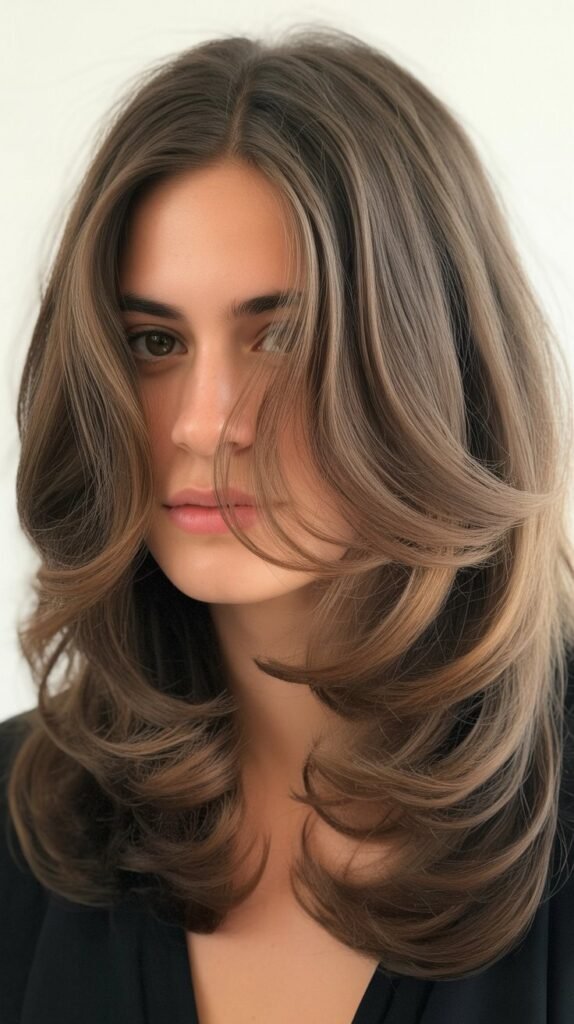
A classic middle part paired with soft layers creates a balanced, symmetrical look that flatters most face shapes.
This timeless combination is perfect for thick hair management.
Centered Styling:
- Middle part creates balance and symmetry in the overall look
- Soft layers frame both sides of the face equally
- Works particularly well for oval and heart-shaped faces
- Can be styled sleek and straight or with gentle waves
- Requires minimal daily styling once the part is established
31. Layered Shag With Bangs

The full shag treatment includes bangs along with layers throughout, creating a retro-inspired look that’s perfect for managing thick hair’s volume.
This comprehensive approach offers maximum texture and style.
Complete Shag Elements:
- Incorporates bangs (fringe) that blend into the layered structure
- Features layers starting from the crown for all-over texture
- Creates a deliberately messy, rock-and-roll aesthetic
- Works beautifully with natural texture and minimal styling
- Requires regular trims to maintain the shaggy shape
32. Long Layers With Straight Styling
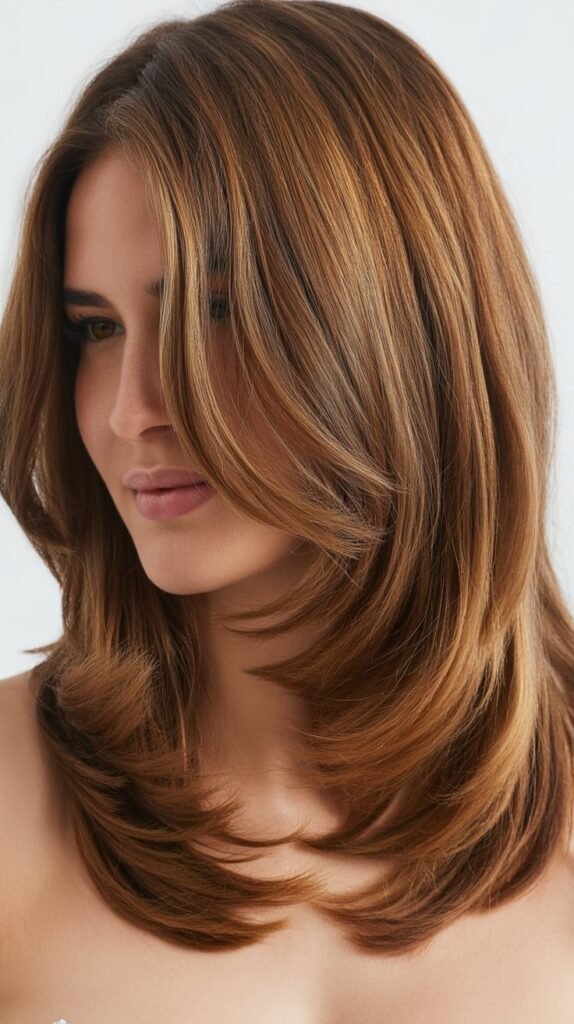
Long layers cut into thick hair and styled completely straight create a sleek, sophisticated look.
This combination reduces bulk while maintaining a polished appearance.
Straight-Styled Features:
- Long layers prevent bulk accumulation at the bottom
- Straight styling emphasizes the clean lines of the cut
- Creates a professional, refined aesthetic suitable for formal settings
- Requires blow-drying with a paddle brush and possible flat ironing
- Best finished with smoothing serums for shine and frizz control
33. Layered With Subtle Ombre
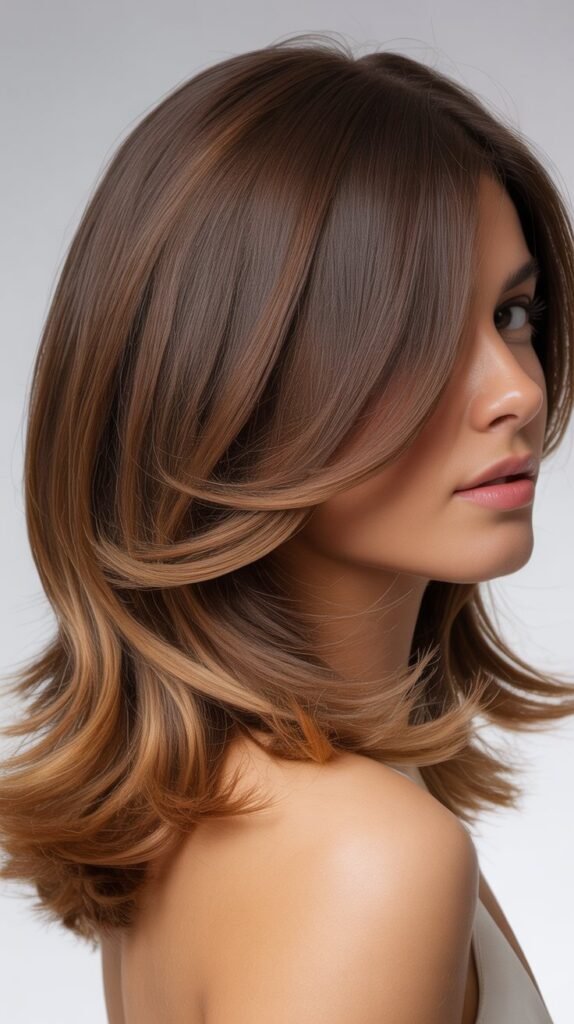
Combining layers with subtle ombre coloring creates a dimensional look where color gradually transitions from roots to ends.
This technique enhances the layered cut’s movement.
Ombre Enhancement:
- Color gradually lightens from roots to ends for natural-looking dimension
- Lighter ends make layers more visible and emphasize movement
- Can be subtle with only 1-2 shades difference or more dramatic
- Works to visually lighten the appearance of thick hair
- Requires less maintenance than traditional highlights
34. Razored Ends With Volume Layers
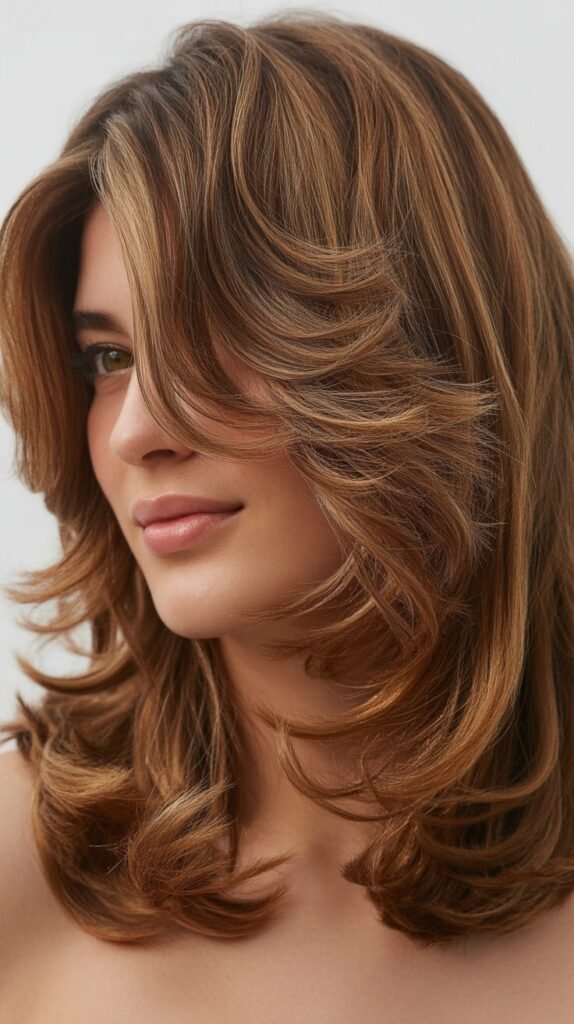
This combination uses razor-cutting for ultra-light ends while incorporating volume-building layers throughout.
It’s ideal for thick hair that needs both weight removal and shape.
Dual-Technique Benefits:
- Razored ends create feather-light tips that move freely
- Volume layers through the mid-lengths add bounce and body
- Prevents the bottom-heavy look thick hair often develops
- Creates a soft, feminine silhouette with modern appeal
- May require more frequent trims due to delicate razor-cut ends
35. Layered With Side Bangs
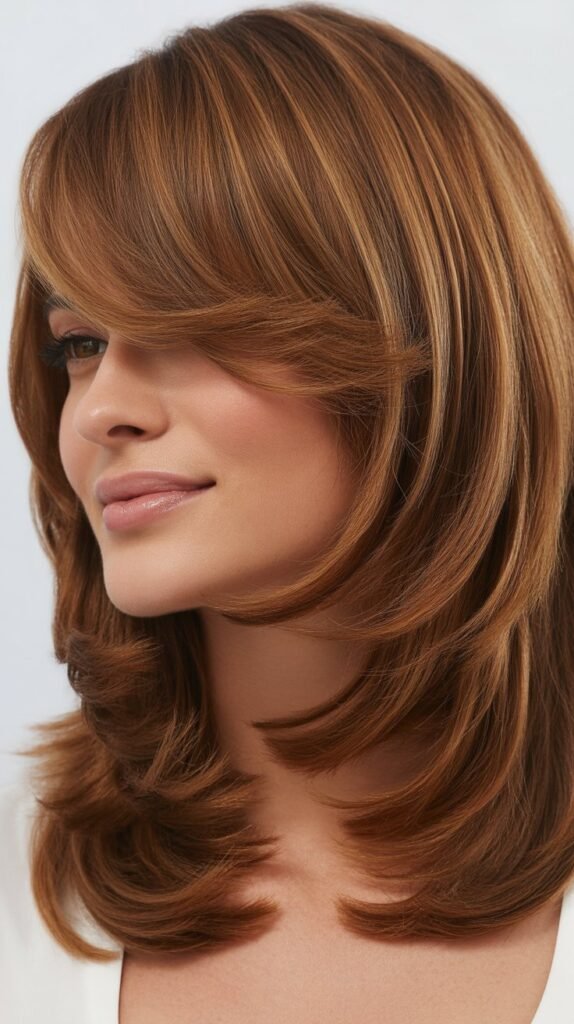
Side-swept bangs paired with shoulder-length layers create an asymmetrical, flattering look. This combination is excellent for thick hair as it adds interest while managing bulk.
Side Bang Features:
- Bangs sweep across the forehead to one side for soft asymmetry
- Blend seamlessly into the layered structure
- Can be styled with face-framing layers for cohesive look
- Softens angular features and adds movement to the face area
- Works particularly well for those wanting to try bangs without full commitment
36. Graduated Bob With Layers

A graduated bob features shorter hair at the back that angles forward to longer pieces at the front, enhanced with layers throughout.
This structured style is perfect for thick hair management.
Graduated Structure:
- Creates a dramatic angle from short back to longer front
- Layers prevent bulk accumulation in the longer front sections
- Produces a polished, fashion-forward appearance
- Can be styled sleek for sophistication or textured for casual looks
- Requires precise cutting for clean, defined angles
37. Layered With Natural Curls
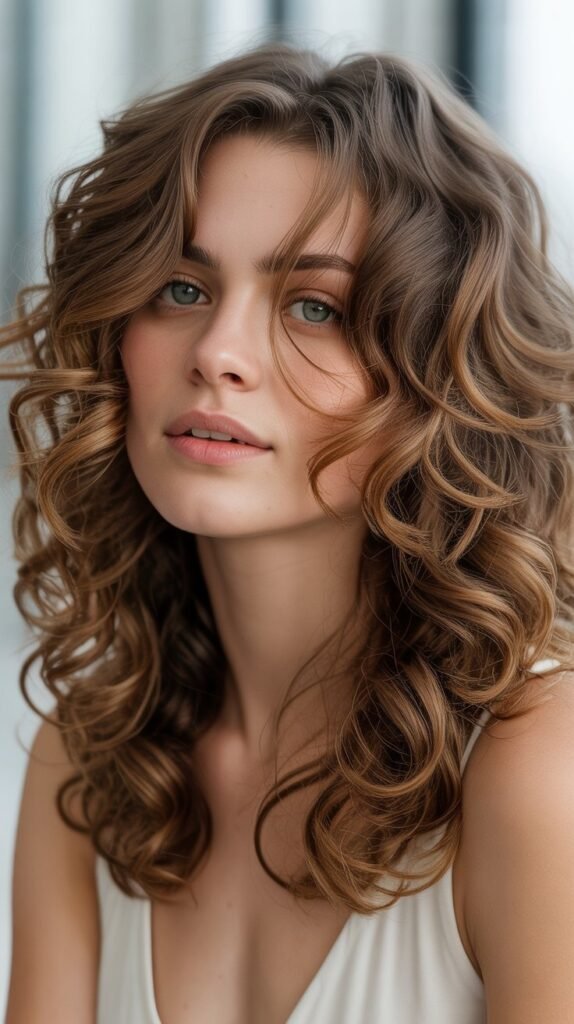
Layers specifically cut to enhance natural curls work beautifully for thick, curly hair. This technique removes bulk while allowing curls to form their natural spiral patterns.
Curl-Enhancing Layers:
- Cuts layers while hair is dry to see true curl pattern
- Removes weight that pulls curls down and elongates them
- Creates spring and bounce by allowing curls to coil naturally
- Works best with curl-specific cutting techniques like DevaCut
- Requires curl-friendly products and styling methods
38. Layered With Dimensional Color

Multidimensional coloring incorporating various tones throughout layered thick hair creates depth and visual interest.
This technique makes layers more apparent and adds lightness.
Dimensional Coloring:
- Incorporates multiple shades within a color family for depth
- Creates shadows and highlights that emphasize layer placement
- Adds visual texture beyond what the cut alone provides
- Can include lowlights, highlights, and midtones
- Requires professional color blending for natural results
39. Textured Layers With Dry Styling
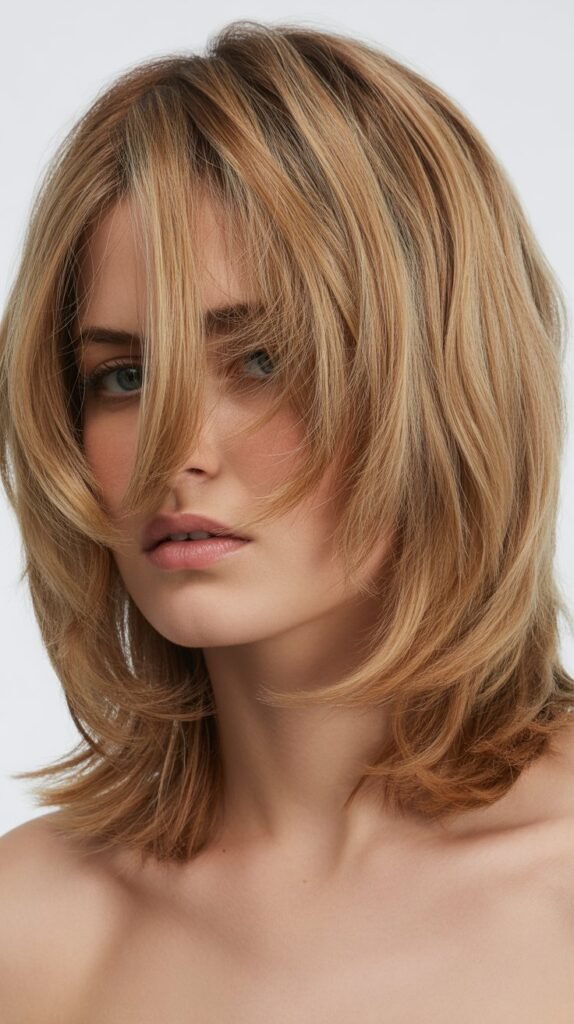
This low-maintenance approach features layers cut to look great when air-dried with minimal product.
It’s ideal for thick hair when you want style without extensive daily effort.
Air-Dry Optimization:
- Layers are placed to work with natural texture and drying patterns
- Creates intentional shape without blow-drying or heat styling
- Requires only texturizing products like mousse or sea salt spray
- Produces an effortlessly cool, lived-in aesthetic
- Perfect for busy lifestyles or those avoiding heat damage
40. Layered With Peekaboo Highlights
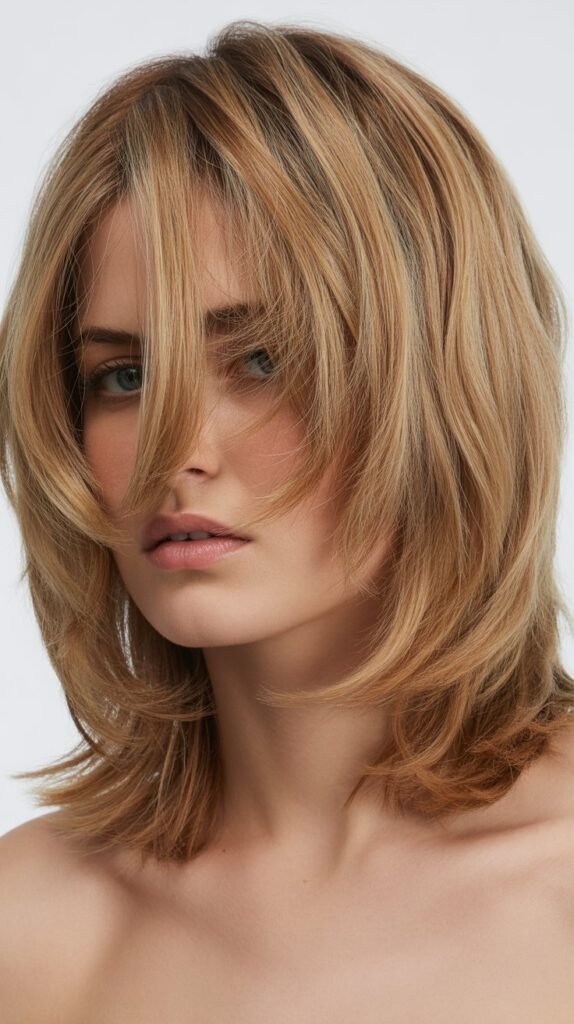
Hidden highlights placed underneath visible layers create surprise pops of color that show when hair moves.
This playful technique adds excitement to thick, layered hair.
Hidden Color Features:
- Highlights are placed in lower layers, hidden by top sections
- Reveals color when hair moves, is styled up, or wind catches it
- Can be bold, vibrant colors or subtle, natural tones
- Adds personality without overwhelming the overall look
- Allows for creative color expression in professional settings
41. Soft Layers With Round Brush Styling
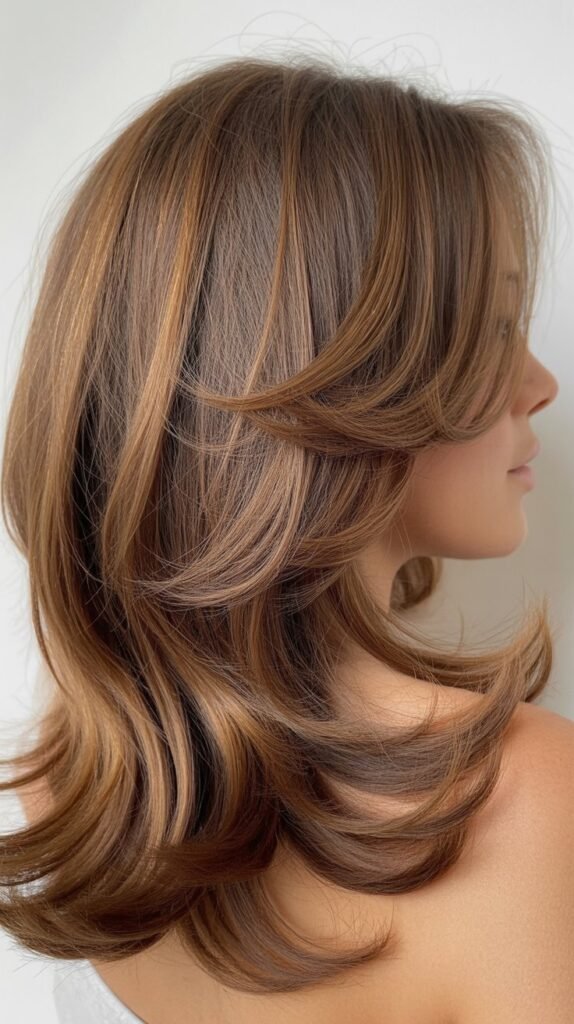
Layers specifically designed to be styled with a round brush create volume, bounce, and movement.
This classic approach is perfect for thick hair that needs shaping and lift.
Round Brush Benefits:
- Layers are cut at lengths that work with various round brush sizes
- Creates inward-turning ends or outward-flipping styles
- Adds volume at the roots while smoothing the mid-lengths
- Produces a polished, salon-quality finish at home
- Works best with medium to large barrel brushes for shoulder length
Styling Tips for Thick Layered Hair
Product Recommendations:
- Use lightweight, volumizing mousses to enhance layers without adding weight
- Apply smoothing serums to ends to control frizz and add shine
- Texturizing sprays help separate layers and create piece-y definition
- Heat protectants are essential when using blow dryers or flat irons
- Dry shampoo extends time between washes while adding volume
Heat Styling Techniques:
- Blow-dry with a round brush to create volume and smooth texture
- Use a flat iron on low heat to emphasize sleek layers
- Curl with a 1.25-inch barrel wand for loose, beachy waves
- Always direct heat down the hair shaft to seal cuticles and prevent frizz
- Allow hair to cool completely before touching to set the style
Maintenance Schedule:
- Trim every 6-8 weeks to maintain layer shape and prevent split ends
- Deep condition weekly to keep thick hair healthy and manageable
- Consider professional thinning every 3-4 months if bulk returns
- Adjust cutting schedule based on how quickly your hair grows
- Communicate with your stylist about which areas tend to get bulky fastest
Face Shape Matching Guide
Oval Face:
- Nearly all layered styles work beautifully with oval faces
- Can handle bold, dramatic layers or soft, subtle variations
- Consider curtain bangs or face-framing pieces for added dimension
- Avoid extremely heavy layers that hide the balanced facial structure
- Experiment with different parting styles to change the look
Round Face:
- Choose layers that start below the chin to create length
- Incorporate side-swept bangs or deep side parts for elongation
- Avoid layers that end at the widest part of the face
- Consider angled or asymmetrical layers for vertical lines
- Face-framing layers should be longer to avoid emphasizing roundness
Square Face:
- Soft, feathered layers work best to soften angular features
- Face-framing layers starting at the jaw help balance strong jawlines
- Avoid blunt, geometric cuts that emphasize squareness
- Side-swept styles create diagonal lines that soften angles
- Wispy, textured ends are more flattering than blunt ends
Heart-Shaped Face:
- Layers that add width at the jawline balance a wider forehead
- Chin-length layers work particularly well
- Avoid excessive volume at the crown which emphasizes the wider top
- Side bangs or curtain bangs help balance proportions
- Outward-flipping ends at shoulder length create balance
Oblong/Long Face:
- Horizontal layers create width and shorten the face visually
- Avoid layers that are too long or vertical-focused
- Bangs or fringe help shorten the face
- Volume at the sides rather than crown works best
- Shoulder-length is ideal as it doesn’t elongate further
Hair Texture Considerations
Straight Thick Hair:
- Benefits most from weight removal through layering
- Can handle dramatic, choppy layers without losing shape
- Internal layering works well to reduce bulk while maintaining sleekness
- Requires smoothing products to prevent static and flyaways
- Regular thinning helps prevent the triangular shape
Wavy Thick Hair:
- Layers should be cut to enhance natural wave patterns
- Avoid over-thinning which can create frizz and separate waves
- Cut while dry or damp to see true wave formation
- Works beautifully with feathered, cascading layers
- Needs curl-enhancing products to define waves
Curly Thick Hair:
- Requires curl-specific cutting techniques for best results
- Layers should be cut conservatively to maintain curl weight
- Too many layers can create excessive volume and pyramid shape
- Needs moisture-rich products to control frizz
- Should be cut when dry to see natural curl pattern
Coarse Thick Hair:
- Benefits from razor cutting and heavy texturizing
- Needs significant layering to become manageable
- Works well with shaggy, heavily layered styles
- Requires smoothing treatments or products for sleekness
- May need professional thinning with each cut
Seasonal Styling Variations
Spring/Summer Styling:
- Embrace air-dried, textured layers for effortless warm-weather looks
- Use sea salt spray for beachy, tousled waves
- Pull back in loose, messy buns showcasing face-framing layers
- Try half-up styles that show off layered dimension
- Lighter colors can be added to emphasize layers
Fall/Winter Styling:
- Blow-dry smooth for sleek, polished cold-weather sophistication
- Add volume with round brush styling for glamorous looks
- Deep conditioning treatments maintain health in dry weather
- Rich, dimensional colors enhance layered structure
- Sleek ponytails showcase the shape of layers
Common Mistakes to Avoid
Over-Layering:
- Too many layers can make thick hair look thin and straggly
- Creates excessive volume that’s difficult to manage
- Can result in pyramid-shaped hair that’s wider at top than bottom
- Solution: Start with conservative layering and add more if needed
Wrong Layer Placement:
- Layers starting too high can create unwanted volume at crown
- Layers ending at wrong points can emphasize unflattering facial features
- Solution: Consult with stylist about optimal placement for your face shape
Neglecting Maintenance:
- Layers grow out quickly and lose shape without regular trims
- Ends become damaged and split, ruining the layered effect
- Solution: Schedule cuts every 6-8 weeks consistently
Using Heavy Products:
- Thick products weigh down layers and eliminate movement
- Can make hair look greasy and flat
- Solution: Choose lightweight, layer-specific styling products
Inconsistent Styling:
- Layers need some styling effort to look their best
- Neglecting to style defeats the purpose of the cut
- Solution: Develop a simple routine that works with your lifestyle
Professional vs. At-Home Maintenance
What Requires a Professional:
- Initial layered cut should always be done by experienced stylist
- Significant changes to layer length or placement
- Thinning and texturizing with professional shears
- Combining layers with color services
- Correcting previous cutting mistakes
What You Can Maintain at Home:
- Daily styling with blow dryer, flat iron, or curling tools
- Product application to enhance layers
- Simple trims of face-framing pieces between salon visits (with caution)
- Deep conditioning treatments
- Managing frizz and flyaways with appropriate products
Red Flags to See a Professional:
- Layers have grown out significantly and lost shape
- Hair feels too bulky despite having layers
- Ends are splitting or damaged
- Style no longer flatters your face shape
- You’re unhappy with how layers are falling
Budget-Friendly Maintenance Tips
Extend Time Between Cuts:
- Use quality scissors to trim face-framing pieces yourself
- Focus styling attention on the most visible front sections
- Deep condition regularly to keep ends healthy longer
- Rotate between updos and down styles to mask growth
DIY Styling Techniques:
- Learn to blow-dry with a round brush for salon-quality results
- Practice basic braiding and updos that work with layers
- Watch tutorial videos specific to layered, thick hair
- Invest in one quality heat tool rather than multiple cheap ones
Product Alternatives:
- Use lightweight conditioner as a leave-in treatment
- Create DIY sea salt spray with water, salt, and gel
- Use dry shampoo to add texture and volume between washes
- Mix small amounts of hair oil with regular products to add shine
Transitioning Between Styles
Growing Out Layers:
- Have stylist gradually reduce layer intensity over several cuts
- Focus on blending shorter layers into longer lengths
- Use styling techniques to disguise awkward growth phases
- Be patient as full growth can take 6-12 months
Adding More Layers:
- Start conservatively and add more with each appointment
- Test how your hair responds before committing to dramatic layers
- Consider adding layers in sections rather than all at once
- Observe how layers affect your styling routine before proceeding
Changing Layer Type:
- Discuss goals thoroughly with stylist before making changes
- Bring reference photos of desired layer style
- Understand that some transitions require growing out first
- Be prepared for adjustment period with new styling requirements
Expert Tips From Professional Stylists
Consultation Essentials:
- Bring multiple photos showing layers from different angles
- Discuss your daily styling routine honestly
- Mention any hair concerns like frizz, volume, or manageability
- Ask about maintenance requirements before committing
- Inquire about products specifically for your hair type
Communication Strategies:
- Use clear terminology when describing desired layers
- Explain what you dislike about current style specifically
- Discuss lifestyle factors that affect styling time available
- Ask stylist to show you layer placement before cutting
- Request styling demonstration after cut is complete
Finding the Right Stylist:
- Look for stylists experienced with thick hair specifically
- Read reviews mentioning layered cuts and thick hair
- Ask for recommendations from others with similar hair type
- Schedule consultation before booking actual cut
- Don’t hesitate to seek second opinions
Health and Care for Layered Thick Hair
Essential Hair Health Practices:
- Trim regularly to prevent split ends from traveling up layers
- Use heat protectant every time you apply heat styling
- Deep condition weekly, focusing on ends where layers are thinnest
- Avoid over-washing which strips natural oils
- Sleep on silk pillowcases to reduce friction and breakage
Nutrition for Hair Health:
- Ensure adequate protein intake for strong hair structure
- Stay hydrated to maintain moisture in thick hair
- Consider biotin supplements after consulting healthcare provider
- Eat omega-3 rich foods for scalp health
- Include iron-rich foods to prevent hair thinning
Damage Prevention:
- Limit heat styling frequency when possible
- Use lowest effective heat setting on tools
- Apply leave-in treatments before heat styling
- Avoid tight hairstyles that stress layered sections
- Protect hair from sun damage with UV-protecting products
Accessorizing Layered Styles
Headbands and Clips:
- Use headbands to push back front layers while showcasing back length
- Clip back one side to create asymmetrical interest
- Barrettes can hold back face-framing layers for different look
- Choose accessories that complement layer volume
Hair Ties and Scrunchies:
- Loose, low ponytails showcase layered dimension
- Half-up styles display both layers and length
- Scrunchies prevent breakage in thick, layered hair
- Avoid tight elastics that damage layered ends
Scarves and Wraps:
- Wrap scarves around low ponytails for bohemian flair
- Use as headbands to control volume while showing layers
- Create retro looks that complement shaggy layers
- Choose colors that enhance your hair color
Addressing Common Concerns
“My layers look too bulky”:
- Request additional thinning or texturizing from stylist
- Use lightweight products that don’t add weight
- Consider internal layers to remove bulk invisibly
- May need more dramatic layering for very thick hair
“My layers won’t hold style”:
- Use stronger hold styling products
- Apply products to damp hair before styling
- Consider texture-enhancing treatments
- May need adjustment to layer placement
“My layers create frizz”:
- Ensure layers are cut with sharp scissors, not dull blades
- Use smoothing serums on layered ends
- Avoid over-thinning which exposes inner cuticles
- Deep condition regularly to seal cuticle layer
“My layers make hair look thin”:
- You may have too many layers for your hair density
- Request stylist to add weight back through strategic cutting
- Use volumizing products at roots only
- Consider less dramatic layering
Conclusion
The 41 Most Beautiful Shoulder-Length Haircuts With Layers for Thick Hair presented in this comprehensive guide offer solutions for every style preference, face shape, and lifestyle need.
From classic long layers that provide timeless elegance to bold, choppy textures that make modern statements, these cuts prove that thick hair can be both manageable and stunning.
The key to success lies in choosing layers that complement your natural texture, face shape, and daily routine while working with a skilled stylist who understands the unique needs of thick hair.
Whether you prefer soft, romantic cascading layers, edgy disconnected styles, or anything in between, the right layered shoulder-length cut will transform your thick hair from a daily challenge into your most beautiful asset.
Remember that regular maintenance, proper products, and appropriate styling techniques are essential to keeping your layers looking fresh and fabulous.
Take these ideas to your next salon appointment, communicate your vision clearly, and prepare to fall in love with your thick hair all over again.