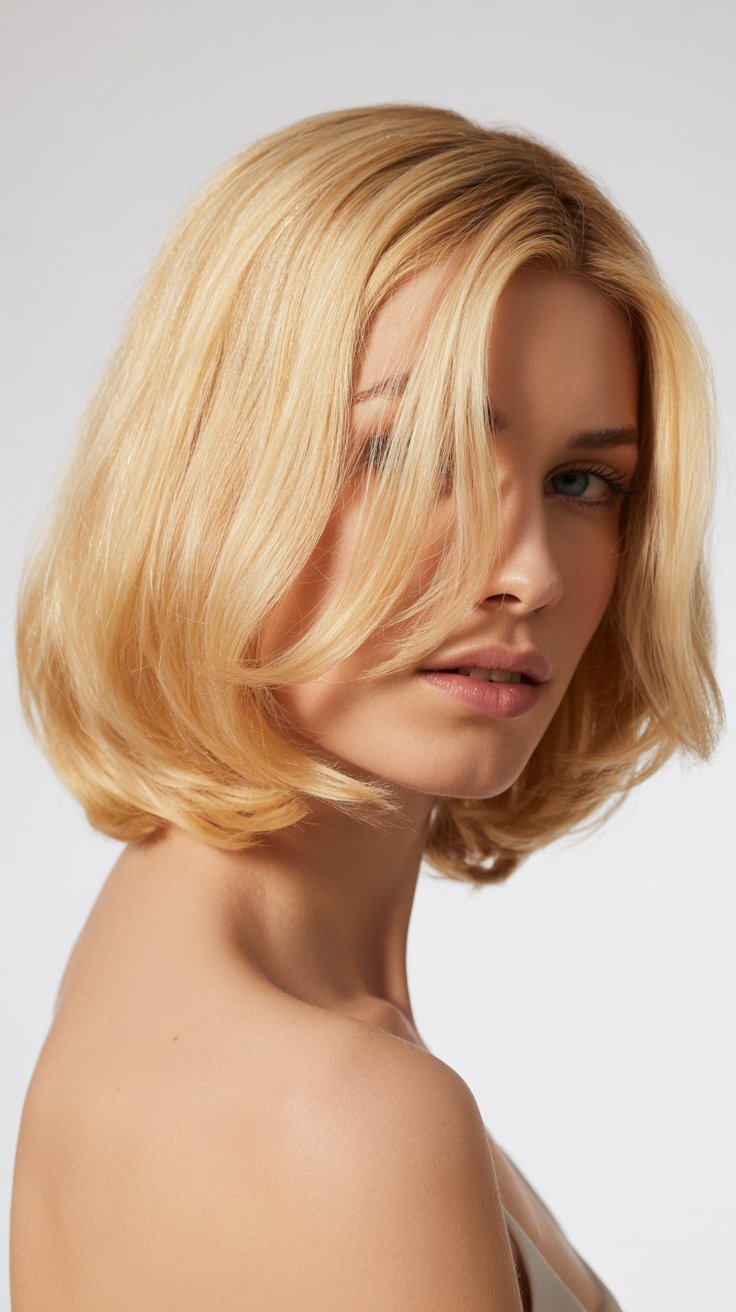
If you’ve been struggling to find hairstyles that give your thin, fine hair the volume and movement it deserves, you’re about to discover a game-changing solution.
The long bob, affectionately known as the “lob,” has emerged as the ultimate style for adding body, dimension, and versatility to fine hair textures.
This comprehensive guide explores 30 flattering long bob hairstyles for thin, fine hair that will transform your look from flat and lifeless to full and fabulous.
Whether you’re seeking subtle texture, dramatic layers, or modern edge, these carefully curated styles offer practical solutions that work with your hair’s natural characteristics rather than against them.
From strategic cutting techniques to styling tricks that create the illusion of thickness, you’ll find expert-approved options that prove thin hair doesn’t mean limited styling possibilities.
Get ready to bookmark your favorites and take them straight to your next salon appointment, because these long bob variations will revolutionize the way you think about fine hair styling.
1. Classic Blunt Long Bob

The blunt long bob creates a strong, horizontal line that makes thin hair appear fuller and denser.
This timeless cut features hair that’s cut straight across at the ends without layers, typically falling between the collarbone and shoulders. The blunt perimeter creates the optical illusion of thicker hair by maintaining maximum weight at the bottom.
Why It Works for Fine Hair:
- The blunt edge prevents the tapered, wispy appearance that often plagues thin hair with graduated cuts.
- All hair strands end at the same point, creating a denser-looking perimeter that suggests fullness.
- The weight distribution keeps hair from looking stringy or separated at the ends.
- This cut requires minimal styling, making it perfect for fine hair that can’t handle excessive heat or product.
Styling Tips:
- Use a round brush while blow-drying to create slight movement at the ends.
- Apply a lightweight volumizing mousse to damp hair before styling.
- A flat iron can enhance the sleek, polished look while adding shine that makes hair appear healthier and thicker.
- Avoid heavy oils or serums that can weigh down fine hair and make it look flat.
2. Textured Long Bob with Razored Ends
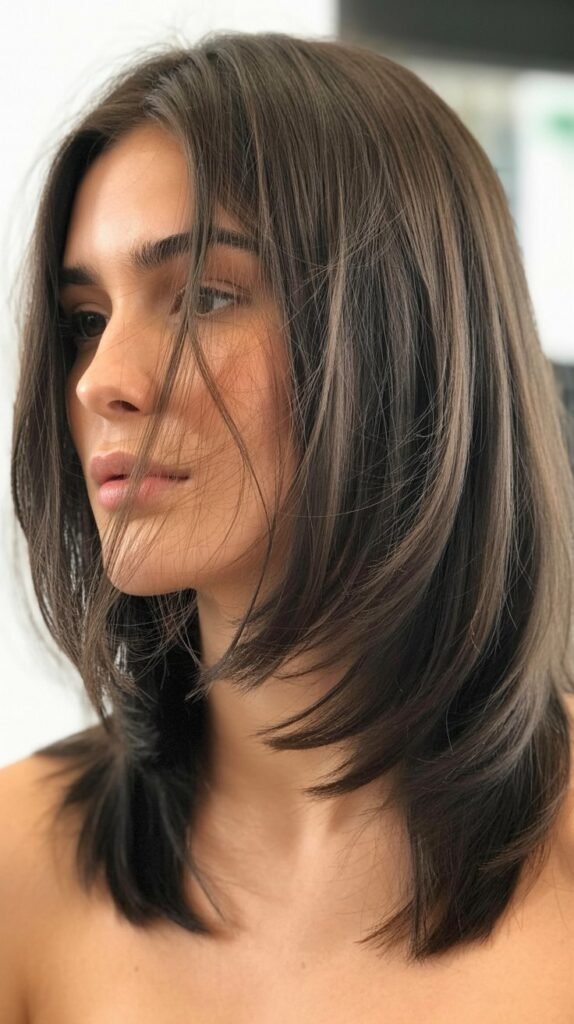
The textured long bob with razored ends introduces soft, feathered tips that create movement without sacrificing the appearance of density.
This technique uses a razor instead of shears to create subtle texture and remove bulk strategically. The result is a lived-in, effortless look that’s particularly flattering for fine hair.
Benefits of Razor Cutting:
- The razor creates softer ends that blend seamlessly, preventing the harsh lines that can make fine hair look even thinner.
- This technique removes just enough weight to allow movement while maintaining fullness.
- Razored ends catch light differently, creating dimension that makes hair appear thicker.
- The soft texture makes styling more forgiving and less time-consuming.
Maintenance Considerations:
- Razor cuts require touch-ups every 6-8 weeks to maintain the textured effect.
- Use a texturizing spray to enhance the piece-y, separated look.
- A light hold hairspray helps maintain the style without creating stiffness.
- Deep conditioning treatments prevent the razored ends from becoming too dry or damaged.
3. Layered Long Bob for Volume
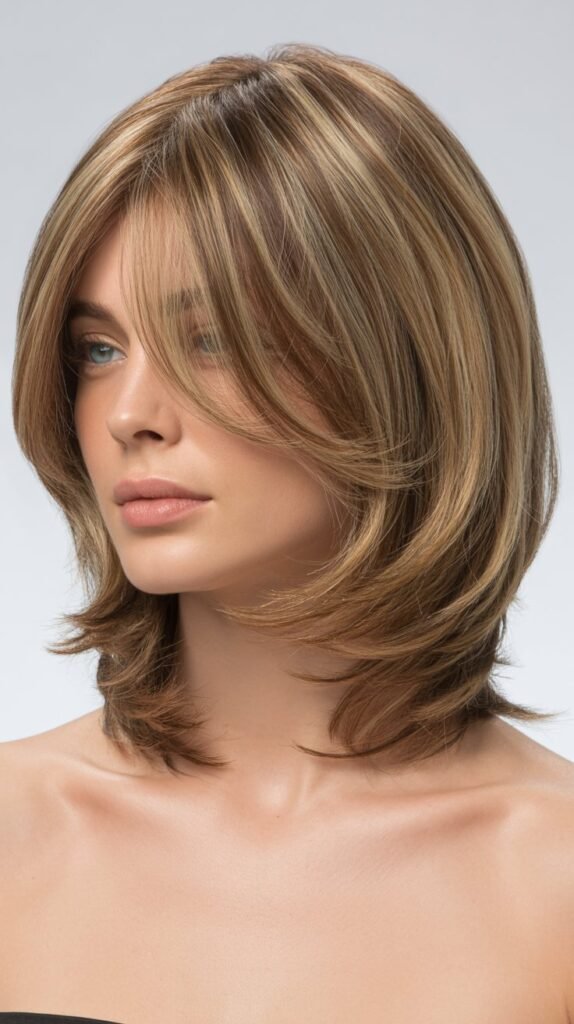
Strategic layering transforms the long bob into a volume-boosting powerhouse for fine hair. This approach incorporates shorter layers throughout the interior while maintaining length, creating lift at the crown and movement throughout.
The key is subtle layering that adds dimension without removing too much density.
Layer Placement Strategy:
- Internal layers begin at the crown to create lift where fine hair typically falls flat.
- Face-framing layers draw attention to features while adding movement around the perimeter.
- The longest layers should only be slightly shorter than the overall length to prevent a thin, wispy bottom.
- Layers are concentrated in areas where volume is needed most, not distributed evenly throughout.
Volumizing Techniques:
- Blow-dry with your head upside down to maximize lift at the roots.
- Use a volumizing powder at the crown for extra height that lasts all day.
- Round brush styling on the interior layers creates body without creating a poufy or dated look.
- Strategic backcombing at the crown, when done gently, can boost volume for special occasions.
4. A-Line Long Bob
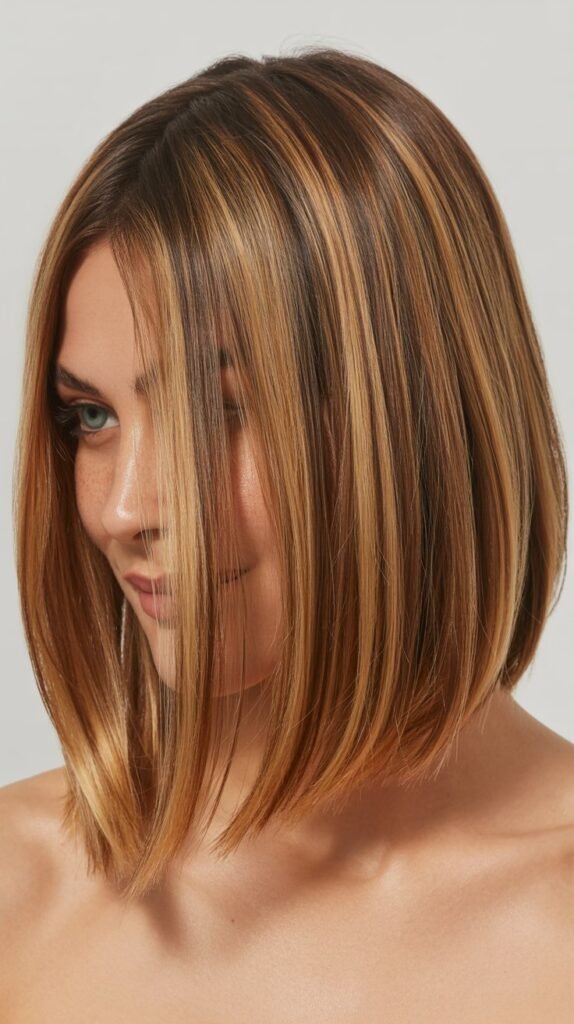
The A-line long bob features shorter hair at the back that gradually lengthens toward the front, creating a sophisticated angle that’s incredibly flattering for thin hair.
This geometric cut typically has the back sitting at or above the nape, with the front pieces reaching the collarbone or slightly below.
The A-Line Advantage:
- The stacked back section creates volume and fullness where fine hair often lacks body.
- The angled silhouette draws the eye forward, creating a lengthening effect on the face.
- Shorter back sections are easier to style with volume compared to uniform lengths.
- The dramatic angle creates visual interest that distracts from hair texture concerns.
Styling for Maximum Impact:
- Use a small round brush on the back sections to create lift and roundness.
- The longer front pieces can be styled straight or with a slight bend for versatility.
- This cut works beautifully with both straight and slightly wavy styling.
- A lightweight volumizing spray applied to the back sections before blow-drying enhances the stacked effect.
5. Long Bob with Subtle Balayage
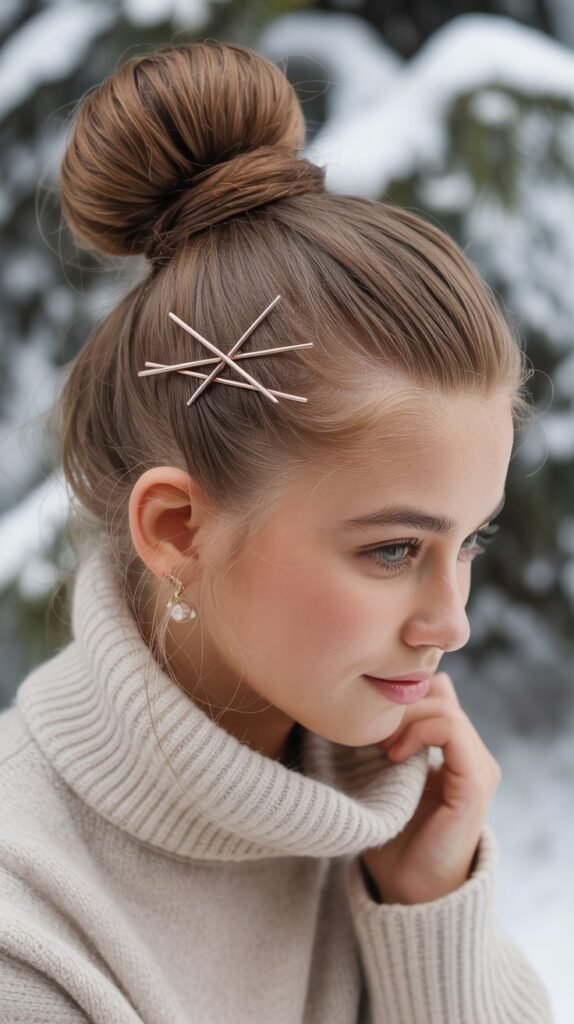
Subtle balayage color technique adds dimension and depth that makes thin hair appear significantly fuller.
This hand-painted highlighting method creates natural-looking variation in tone, with lighter pieces strategically placed to catch light and create the illusion of texture and volume.
Color for Creating Depth:
- Lighter pieces placed throughout create shadows and highlights that suggest thickness and layers.
- Strategic placement of color around the face brightens and adds dimension where it’s most visible.
- Multiple tones prevent the flat, one-dimensional appearance that solid color can create on fine hair.
- Subtle contrast is key—dramatic color differences can actually make thin hair look stringier.
Color Placement for Fine Hair:
- Concentrating lighter pieces in the mid-lengths and ends creates a graduated effect that suggests fullness.
- Face-framing highlights brighten the complexion while adding perceived texture.
- Leaving some depth at the roots prevents the scalp from showing through thin hair.
- A slightly darker base with lighter pieces woven through creates more visual density than all-over blonde.
6. Asymmetrical Long Bob
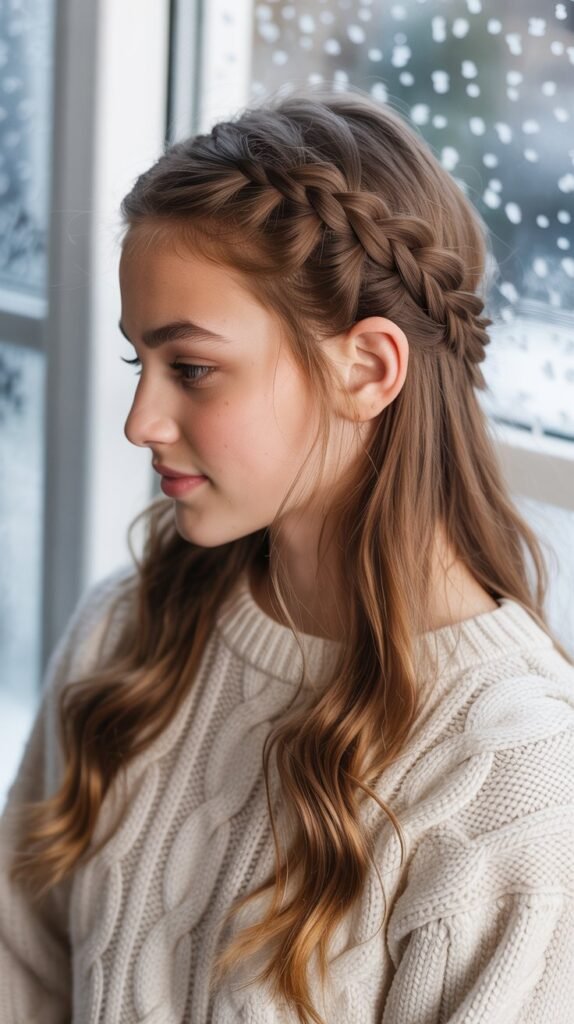
The asymmetrical long bob features intentionally uneven lengths, with one side noticeably longer than the other.
This edgy, modern variation creates visual interest and volume through its unconventional structure, making it an excellent choice for those seeking something distinctive that also flatters fine hair.
Creating Balance with Asymmetry:
- The contrast between sides creates a focal point that draws attention away from hair texture.
- The shorter side can be styled with more volume while the longer side creates elegance and femininity.
- This cut works particularly well for those with fine hair on one side and slightly thicker hair on the other.
- The unexpected silhouette makes a bold statement that transcends concerns about hair thickness.
Styling Versatility:
- The shorter side can be tucked behind the ear for a completely different look.
- The longer side can be styled straight, waved, or curled depending on the occasion.
- This cut looks intentional even when growing out, providing flexibility between salon visits.
- Minimal styling products are needed because the cut itself creates all the visual interest.
7. Long Bob with Curtain Bangs
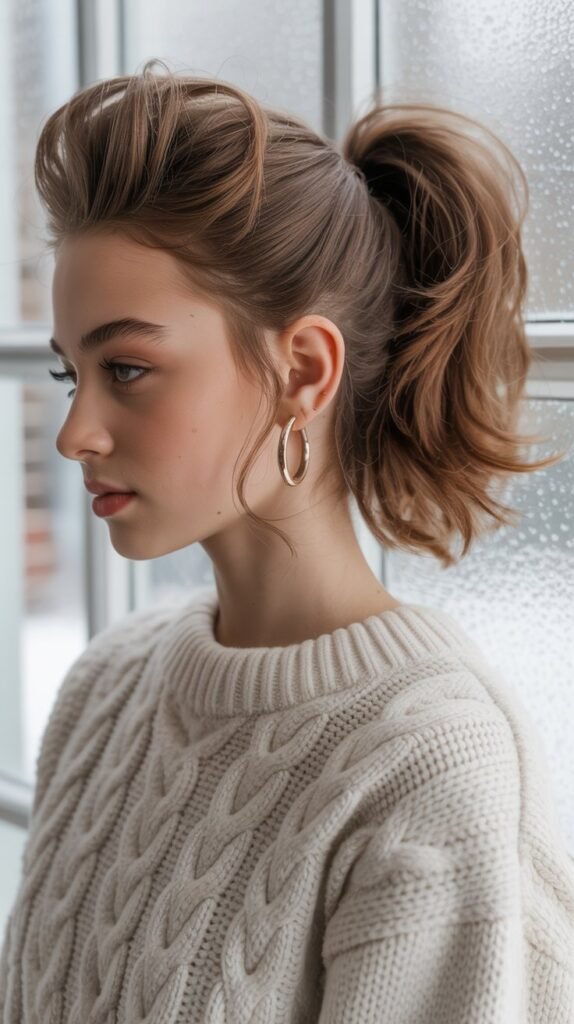
Curtain bangs paired with a long bob create a soft, romantic frame for the face while adding the appearance of fullness and dimension.
These center-parted bangs sweep gently to each side, typically blending seamlessly into the longer length of the lob, creating a cohesive, flattering look.
Curtain Bangs Benefits:
- The center part creates the illusion of more hair by exposing less scalp than side parts often do.
- Face-framing pieces draw attention to facial features rather than hair texture.
- The gradual length transition from bangs to lob creates a seamless, voluminous appearance.
- Curtain bangs can be styled with volume at the roots, adding height where fine hair typically falls flat.
Maintenance and Styling:
- These bangs require trimming every 3-4 weeks to maintain the proper length and shape.
- A small round brush and blow dryer create the signature swooping effect.
- Light texturizing spray enhances the piece-y, separated appearance without weighing hair down.
- Curtain bangs work with various lob lengths, from shorter chin-grazing versions to longer collarbone styles.
8. Wavy Long Bob with Sea Salt Texture
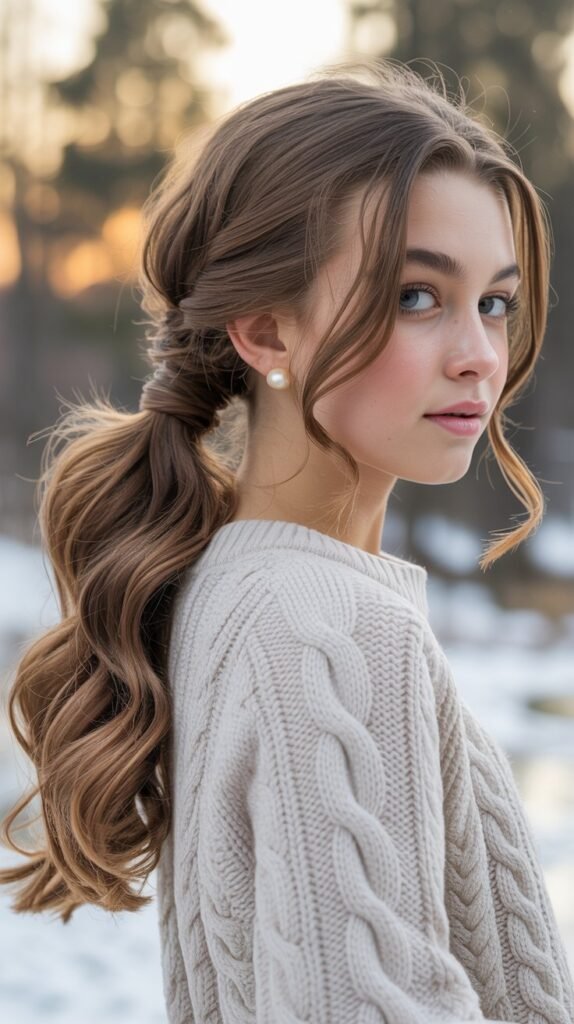
The wavy long bob with sea salt texture embraces natural movement and creates the appearance of fuller, thicker hair through enhanced texture.
This beachy, undone style uses texture sprays and strategic styling to create loose, tousled waves that add volume and dimension to fine hair.
Creating Textured Waves:
- Sea salt spray applied to damp hair creates natural-looking bends and waves as hair dries.
- Scrunching hair while drying enhances the texture without requiring heat styling tools.
- The tousled appearance creates volume and movement that straight fine hair typically lacks.
- Waves separate hair strands, creating the visual perception of more individual pieces and therefore more fullness.
Product Recommendations:
- Lightweight sea salt or beach wave sprays provide texture without the crunchiness of traditional hairsprays.
- A texturizing powder at the roots boosts volume while maintaining the casual, undone aesthetic.
- Dry shampoo can enhance texture on second-day hair while absorbing oils that weigh fine hair down.
- A light hold hairspray seals the style without eliminating the natural movement that makes this look work.
9. Long Bob with Side-Swept Bangs
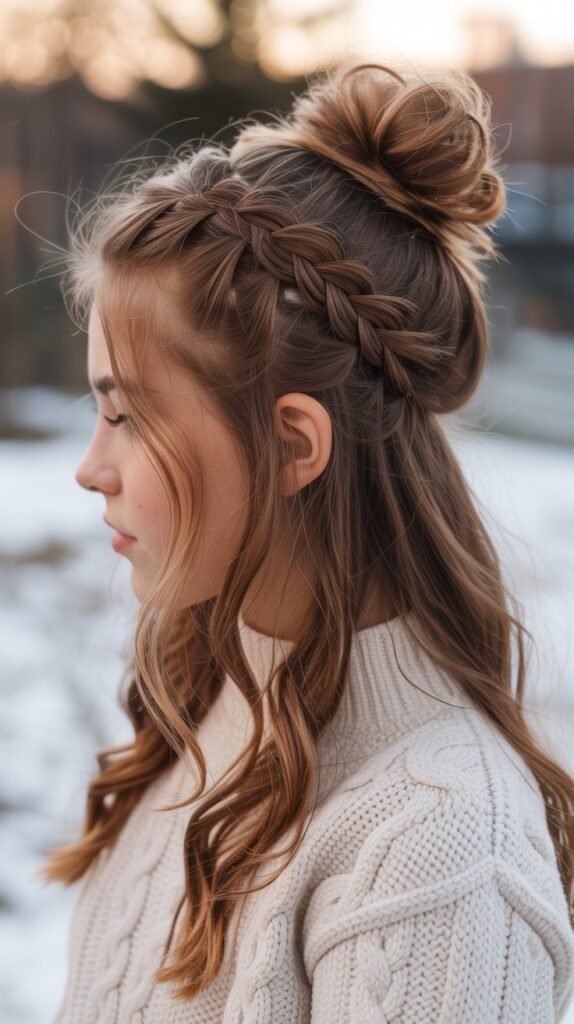
Side-swept bangs paired with a long bob create asymmetry and volume while offering a softer alternative to blunt bangs.
This combination is particularly effective for fine hair because the swept bangs add fullness around the face and create a diagonal line that draws the eye and suggests more hair overall.
The Side-Swept Effect:
- Diagonal lines created by side-swept bangs are more flattering than horizontal blunt bangs for most face shapes.
- The swept motion creates height and volume at the front, where it’s most visible.
- This style works with the natural direction fine hair wants to fall, making styling easier.
- Side-swept bangs can be styled into the rest of the lob when growing out, providing flexibility.
Achieving the Perfect Sweep:
- Blow-dry bangs in the opposite direction of their final resting place, then sweep them over for maximum volume.
- A round brush lifts the bangs up and away from the face before directing them to the side.
- A small amount of volumizing mousse at the bang roots provides lasting hold and height.
- Bobby pins can temporarily set the sweep while hair cools after styling for longer-lasting results.
10. Sleek Straight Long Bob
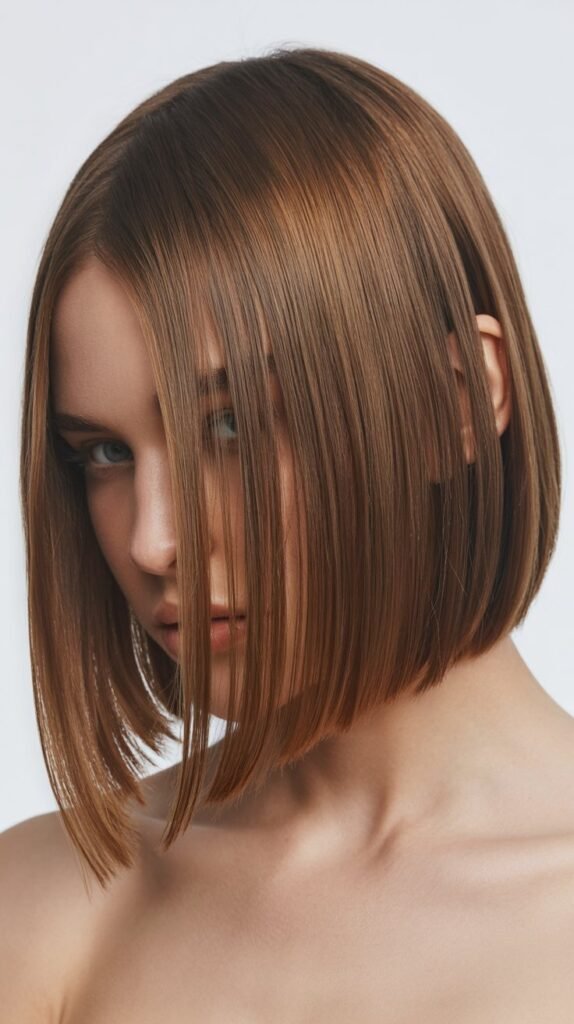
The sleek straight long bob embraces the naturally straight texture of fine hair while creating a polished, sophisticated look.
This ultra-smooth style uses flat irons and shine-enhancing products to create a glossy, healthy appearance that makes hair look thicker and more luxurious.
Achieving Sleekness:
- A high-quality flat iron with ceramic plates creates smoothness without excessive heat damage.
- Heat protectant spray is essential to prevent damage that can make fine hair look even thinner over time.
- The straight style shows off the blunt edges that create the appearance of density.
- Shine serums or lightweight oils applied sparingly to the mid-lengths and ends enhance the glossy, healthy look.
Maintaining the Look:
- This style works best on freshly washed hair or can be refreshed with dry shampoo between washes.
- Sleeping on a silk or satin pillowcase helps maintain smoothness overnight.
- A boar bristle brush distributes natural oils and enhances shine when used daily.
- Touch-ups with a flat iron may be needed on humid days to maintain the sleek appearance.
11. Long Bob with Root Volume Technique
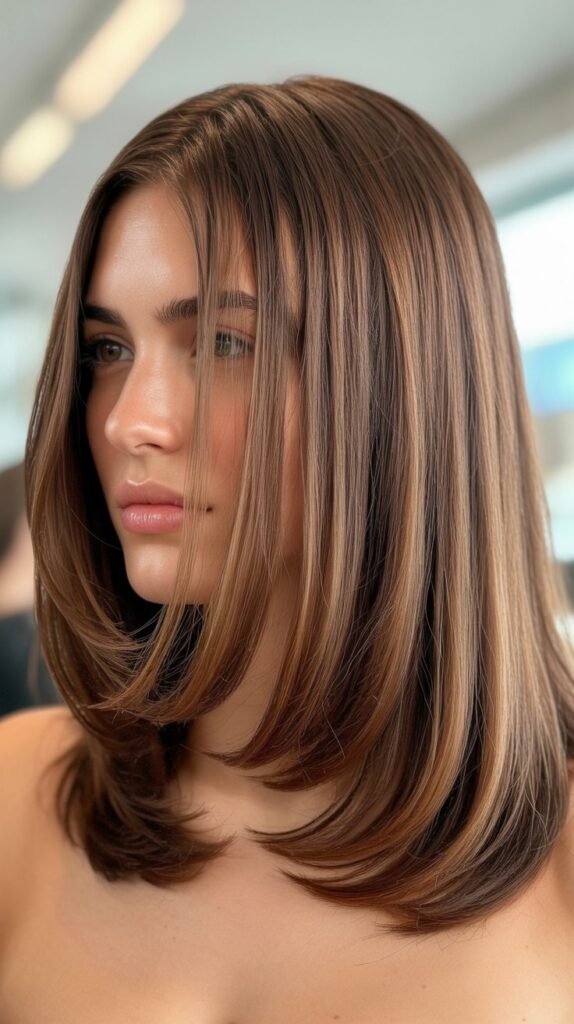
The long bob with root volume technique focuses on creating lift specifically at the roots while maintaining a sleek, controlled appearance through the lengths.
This approach is ideal for fine hair that tends to fall flat against the scalp, creating a style that looks naturally full and healthy.
Root Lifting Methods:
- Blow-drying with a round brush positioned under sections at the roots creates lasting lift.
- Volumizing powders or root lift sprays applied directly to the scalp provide grip and height.
- Velcro rollers placed at the crown while hair cools after blow-drying set volume in place.
- Strategic backcombing at the roots, when done gently, can create dramatic lift for special occasions.
Product Application:
- Volumizing mousse should be applied to roots only, not through the lengths which can become weighed down.
- Dry shampoo applied to roots the night before washing absorbs oil and creates texture for better grip.
- Root lift sprays work best when applied to damp hair before blow-drying.
- A light mist of hairspray directed at the roots from underneath locks in volume without creating stiffness.
12. Choppy Long Bob
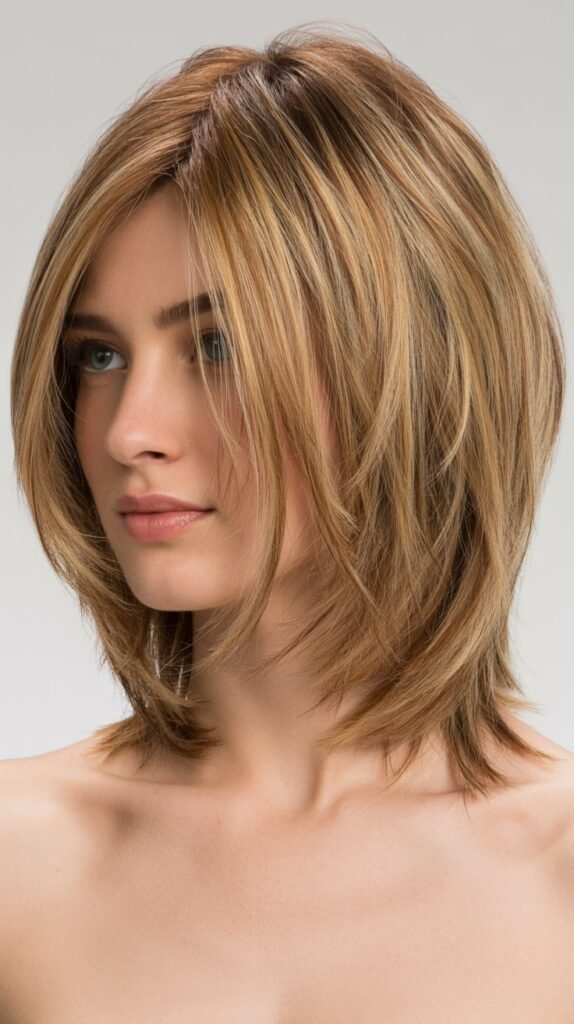
The choppy long bob features intentionally uneven, piece-y ends that create texture and movement through deliberate irregularity.
This edgy style uses point-cutting techniques to create varying lengths throughout, making fine hair appear fuller through enhanced texture and dimension.
Choppy Texture Benefits:
- The irregular ends create visual interest that distracts from the actual density of fine hair.
- Piece-y separation suggests individual strands of hair, creating the perception of more volume overall.
- The textured ends move more freely, creating a dynamic appearance even in still photographs.
- This style embraces imperfection, making it forgiving for fine hair that may not hold traditional smooth styles well.
Cutting Technique:
- Point-cutting with shears creates the choppy effect by cutting into the hair at various angles rather than straight across.
- The stylist removes small sections at different lengths to create the signature irregular appearance.
- This technique can be applied throughout the cut or concentrated at the ends depending on desired intensity.
- Regular trims every 6-8 weeks maintain the choppy effect as hair grows.
13. Long Bob with Deep Side Part
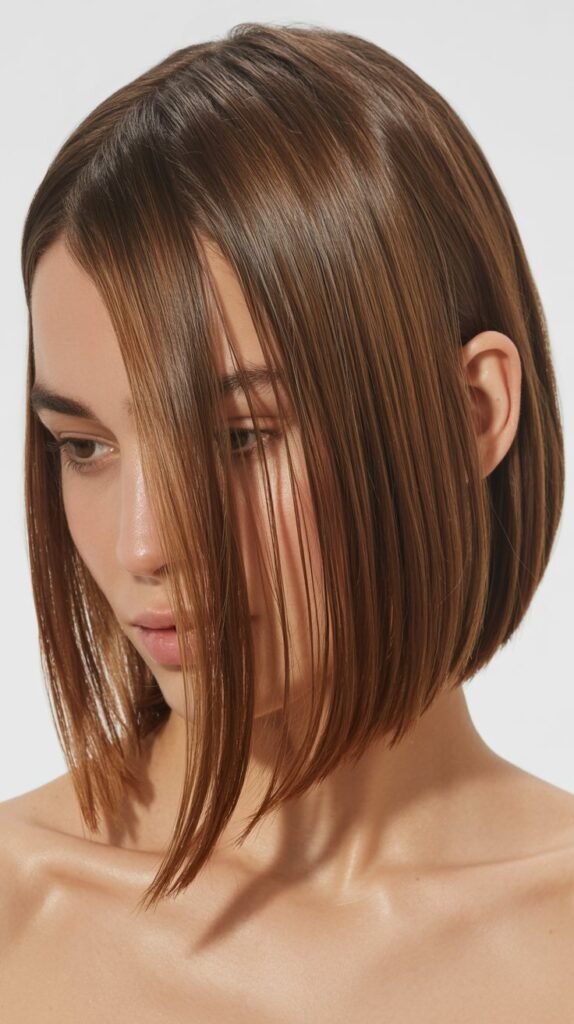
A long bob with a deep side part creates instant volume and drama through asymmetrical styling.
This simple yet effective technique involves parting hair far to one side, creating fullness on the heavier side while maintaining a sleek look on the other, making it perfect for fine hair that needs a volume boost.
The Power of Placement:
- The deep part creates the illusion of more hair by piling more strands on one side.
- Hair naturally lifts away from the scalp at an extreme part, creating automatic volume at the roots.
- The asymmetrical appearance draws the eye and creates visual interest beyond hair texture.
- This styling change requires no cutting, making it an instant transformation for any lob length.
Styling for Maximum Effect:
- Create the part when hair is wet to establish the pattern before drying.
- Blow-dry the heavier side lifting up and away from the face for maximum volume.
- The lighter side can be tucked behind the ear or styled smooth against the head for contrast.
- A small amount of volumizing powder at the roots on the heavy side enhances the lifted effect.
14. Long Bob with Subtle Layers and Highlights
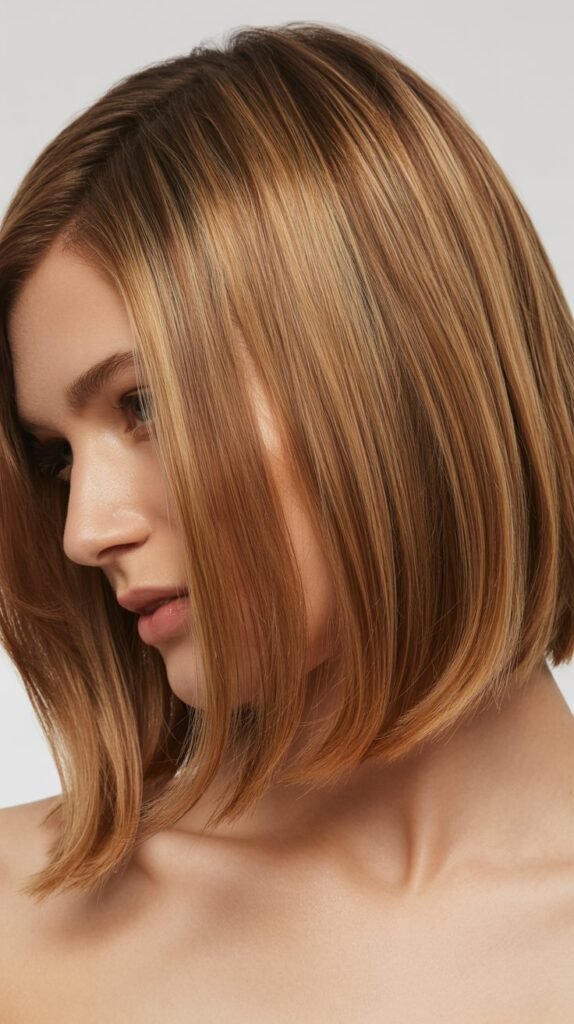
Combining subtle layers with strategic highlights creates dimension in both cut and color, making this long bob variation particularly effective for fine hair.
The layers add movement while the highlights create depth, working together to make hair appear significantly fuller and more textured.
The Dual Dimension Approach:
- Internal layers create shape and movement without removing too much weight from the perimeter.
- Highlights placed within those layers emphasize the dimensional cutting, making layers more visible.
- The interplay between cut and color creates shadows and depth that suggest thickness.
- This combination works better than either layers or highlights alone for fine hair concerns.
Strategic Color Placement:
- Lighter pieces concentrated around the face brighten and create dimension where most visible.
- Highlights following the natural direction of layers enhance the movement created by the cut.
- Subtle contrast prevents the harsh, stripey appearance that can make fine hair look stringy.
- A slightly darker base with woven highlights creates more perceived density than single-process color.
15. Tousled Long Bob
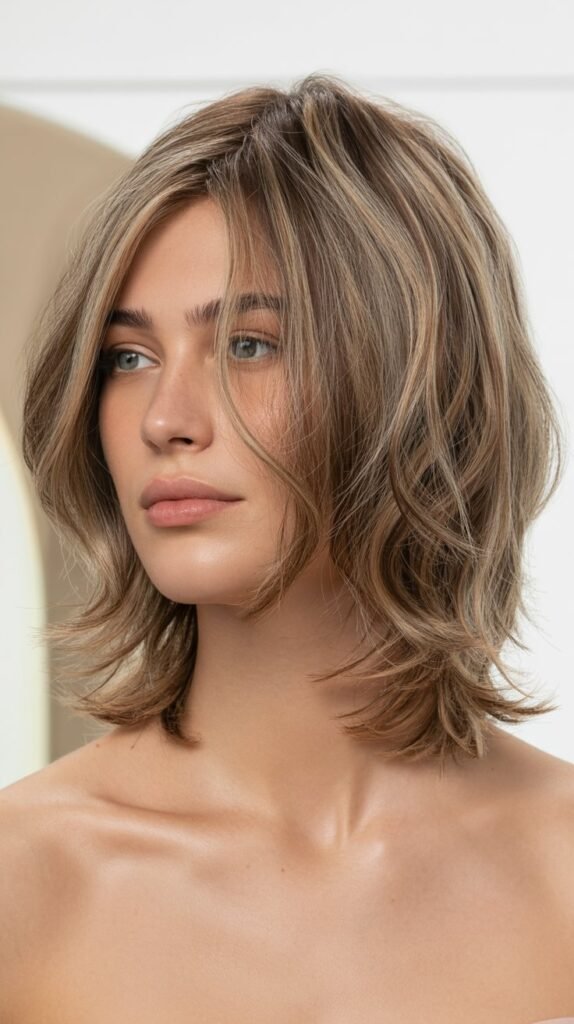
The tousled long bob embraces natural texture and deliberately undone styling, creating a effortlessly chic look that makes fine hair appear fuller through enhanced texture and movement.
This low-maintenance style works with hair’s natural tendencies rather than fighting against them.
Achieving Effortless Texture:
- Air-drying with texturizing products allows natural movement to emerge without heat styling.
- Braiding slightly damp hair and releasing when dry creates gentle waves and volume.
- Hands scrunching hair while drying with a diffuser attachment enhances natural texture.
- The deliberately imperfect finish makes fine hair’s tendency toward bedhead work in your favor.
Product Selection:
- Lightweight texturizing sprays add grit and separation without weight or stiffness.
- Sea salt sprays create beachy waves that enhance the tousled appearance.
- Dry shampoo adds texture and volume while extending time between washes.
- A small amount of lightweight styling cream defines pieces without creating clumps or heaviness.
16. Long Bob with Graduated Layers
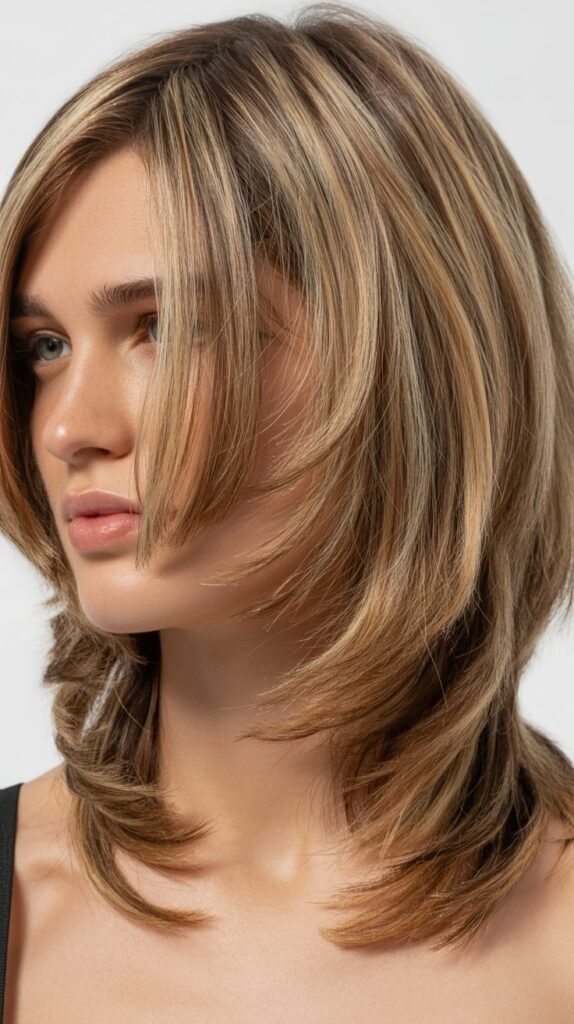
Graduated layers in a long bob create a stacked effect that builds volume, particularly effective for fine hair that needs significant body.
This technique involves shorter layers at the back that gradually lengthen toward the front, creating a rounded silhouette that suggests fullness.
Graduated Layering Technique:
- The shortest layers at the crown create maximum lift where fine hair typically falls flat.
- Each subsequent layer is slightly longer, creating a waterfall effect that builds volume.
- The graduated structure naturally creates roundness without requiring extensive styling.
- This cutting method removes weight strategically while maintaining density at the perimeter.
Styling the Graduated Bob:
- A round brush during blow-drying enhances the rounded shape created by the cut.
- The back sections may need more attention during styling to achieve maximum volume.
- Velcro rollers in the crown area while hair cools set the lifted shape in place.
- Minimal product is needed because the cut itself creates the structure and volume.
17. Long Bob with Face-Framing Highlights
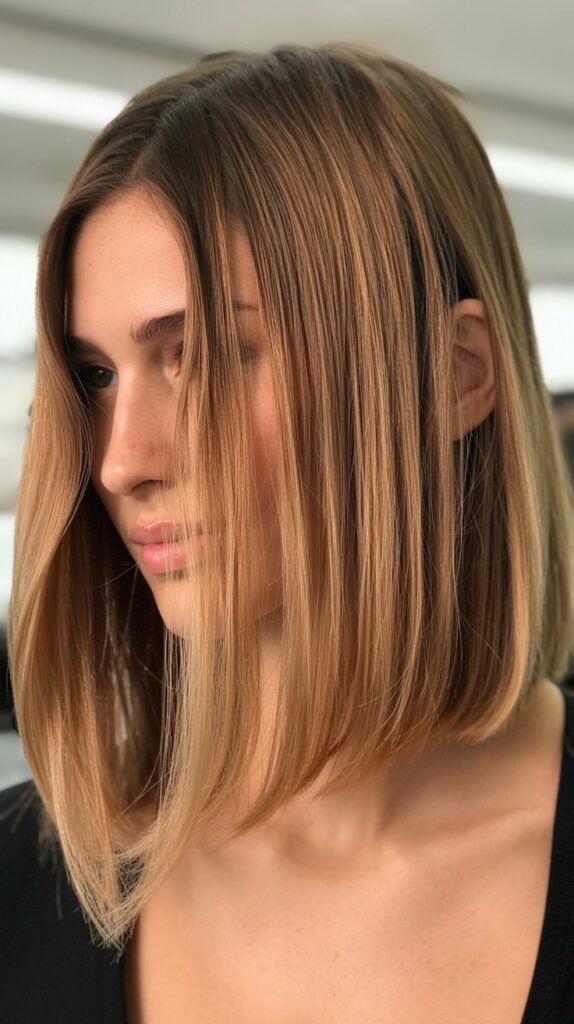
Face-framing highlights strategically placed around the front sections of a long bob create brightness and dimension where it’s most visible.
This color technique makes fine hair appear fuller by creating contrast and visual interest around the face while drawing attention to facial features rather than hair texture.
Strategic Highlight Placement:
- Lighter pieces concentrated in the first few inches from the face create a brightening, framing effect.
- The contrast between lighter face-framing pieces and darker base color creates dimension that suggests fullness.
- Highlights placed to mimic where sunlight would naturally lighten hair create an authentic, natural appearance.
- This selective highlighting requires less maintenance than all-over color while creating significant impact.
Color Contrast Considerations:
- Subtle contrast works best for fine hair—dramatic differences can emphasize individual strands.
- Warm tones like honey or caramel create a soft, natural appearance that suggests health and vitality.
- Cool tones like ash or champagne create a modern, high-fashion look with similar dimension benefits.
- Blending techniques ensure highlights melt seamlessly into the base color without harsh lines.
18. Long Bob with Micro Bangs
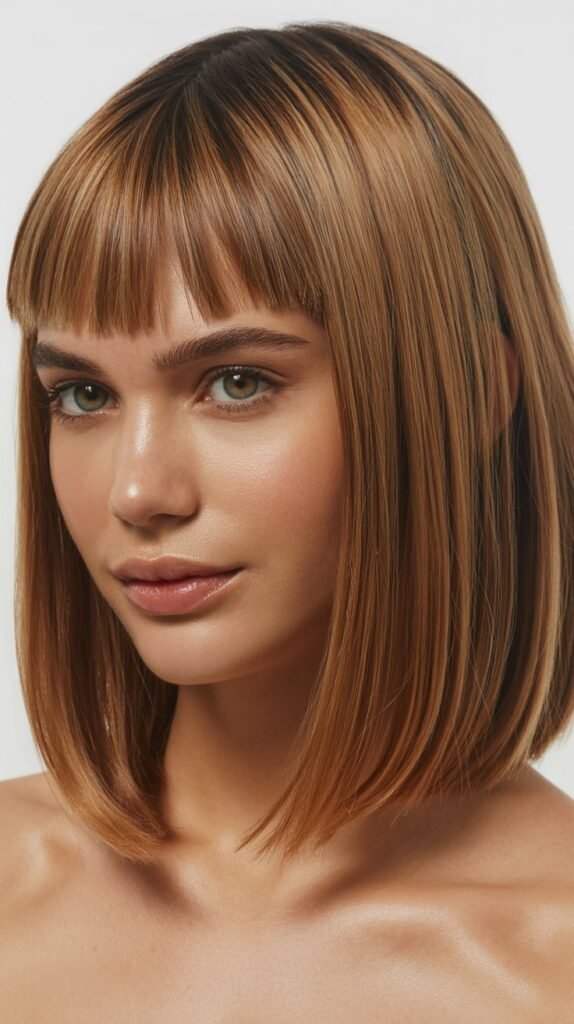
Micro bangs paired with a long bob create an avant-garde, high-fashion look that draws all attention to the face and eyes.
While unconventional, this bold combination can work beautifully for fine hair because the short bangs add texture and interest without requiring volume or thickness.
The Micro Bang Effect:
- Ultra-short bangs create such a bold statement that hair texture becomes secondary to the overall look.
- The strong horizontal line draws the eye across the face rather than down to hair length or volume.
- Fine hair actually works well for micro bangs since they require sleekness rather than thickness.
- This style creates a distinctive, memorable appearance that transcends traditional hair concerns.
Styling Requirements:
- Micro bangs must be blown completely straight and flat against the forehead for the proper effect.
- A flat iron ensures the precision and straightness needed for this graphic look.
- These bangs require frequent trims every 2-3 weeks to maintain the proper length.
- The rest of the lob should be styled sleek or with subtle texture to complement the boldness of the bangs.
19. Long Bob with Balayage Ombré
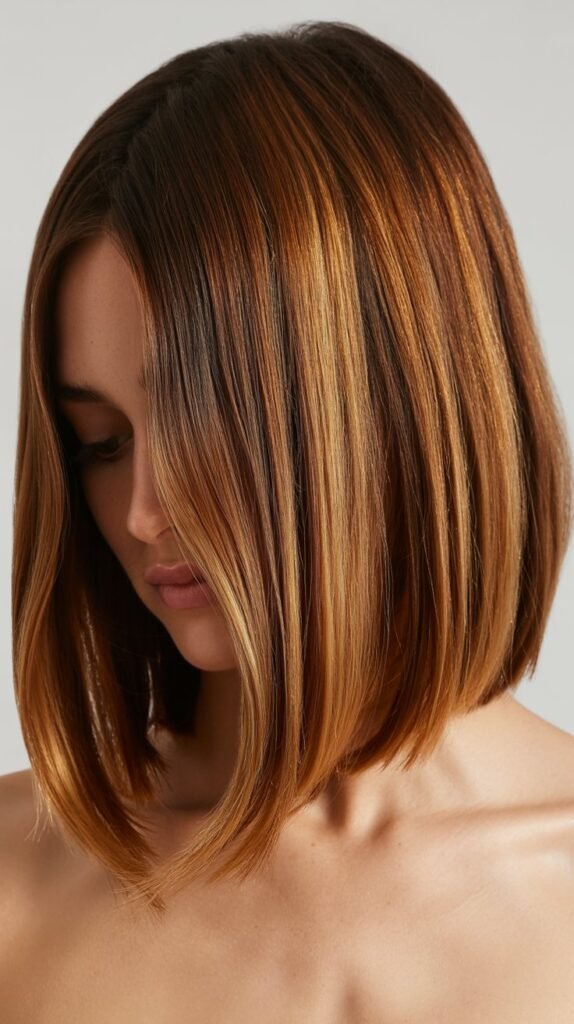
The balayage ombré technique creates a gradual color transition from darker roots to lighter ends, adding dimension and visual interest that makes fine hair appear fuller.
This low-maintenance color approach enhances the long bob by creating depth and movement through strategic color placement.
Color Transition Benefits:
- The gradual shift from dark to light creates shadows and highlights that suggest texture and volume.
- Lighter ends draw the eye downward, creating the appearance of more hair overall.
- The multi-dimensional color prevents the flat, one-note appearance that can make fine hair look thinner.
- Darker roots create depth that prevents scalp show-through, a common concern with thin hair.
Application Technique:
- Hand-painted color creates a natural, sun-kissed appearance rather than striped highlights.
- The transition should be gradual, spanning several inches for a soft, blended effect.
- Concentrating the lightest pieces around the face creates brightness and dimension where most visible.
- This technique requires minimal root maintenance since grow-out is built into the design.
20. Long Bob with Wispy Ends
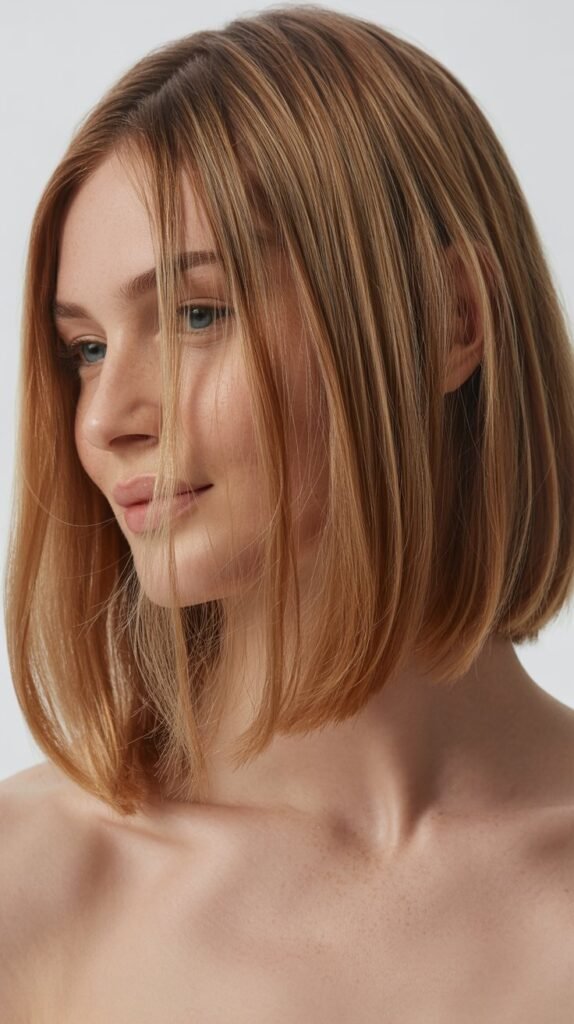
The long bob with wispy ends features delicate, feathered tips that create a soft, romantic appearance while making fine hair look intentionally ethereal rather than accidentally thin.
This approach embraces the natural characteristics of fine hair, transforming potential weaknesses into deliberate design elements.
Creating Intentional Wispiness:
- Point-cutting and razor techniques create the soft, feathered ends that define this style.
- The delicate tips move freely, creating natural movement and flow.
- This approach works with fine hair’s tendency toward tapered ends rather than trying to create blunt weight.
- The wispy texture catches light beautifully, creating a luminous, ethereal quality.
Styling for Softness:
- Minimal product application keeps ends light and airy rather than weighed down.
- Air-drying or diffusing maintains the natural, soft appearance better than flat ironing.
- A light texturizing spray enhances separation without creating heaviness.
- The wispy ends work beautifully when styled straight, wavy, or slightly curled.
21. Long Bob with Undercut
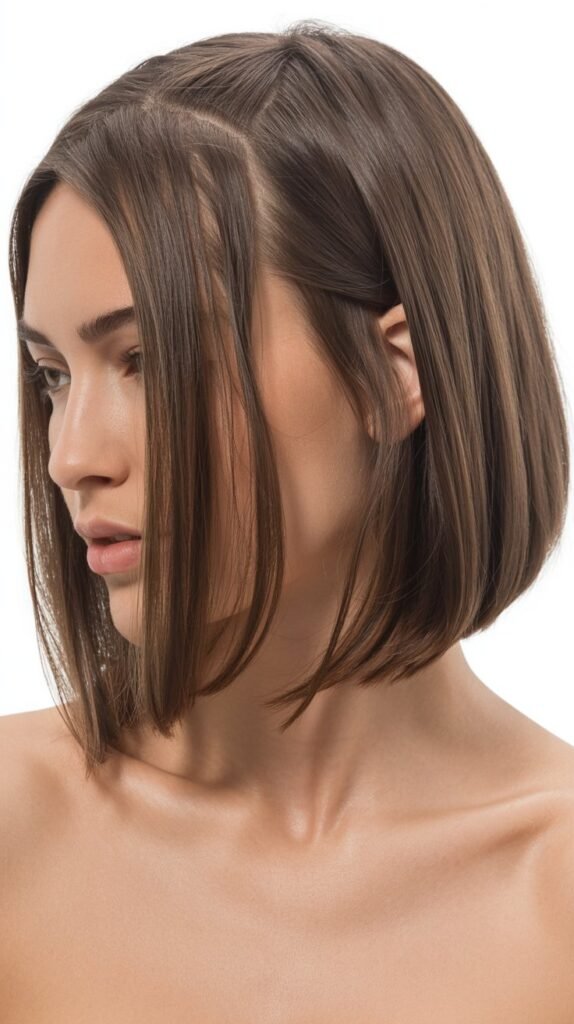
A long bob with an undercut section removes bulk from underneath while leaving length on top, creating the appearance of more volume in the visible upper layers.
This edgy technique is surprisingly effective for fine hair because it allows the top sections to move more freely while removing weight that can pull hair flat.
Undercut Advantages:
- Removing underneath hair reduces bulk that can weigh down fine hair, allowing top layers to lift more easily.
- The contrast between the shaved section and the longer top creates visual interest and dimension.
- Top layers appear thicker because they’re not being pulled down by excess weight underneath.
- This technique can be hidden completely when hair is worn down or displayed dramatically when styled up.
Placement Options:
- Nape undercuts remove weight at the back, creating lift through the crown and sides.
- Side undercuts create asymmetry and can be revealed by tucking one side behind the ear.
- The undercut section can be subtle or extensive depending on desired effect and comfort level.
- Regular maintenance every 4-6 weeks keeps the undercut neat and defined.
22. Long Bob with Dimensional Lowlights

Dimensional lowlights added to a lighter base create depth and richness that makes fine hair appear fuller through strategic color placement.
This technique adds darker tones throughout the hair, creating shadows that enhance the perception of volume and texture.
The Depth Creation Process:
- Darker pieces strategically placed create shadows that suggest movement and dimension.
- Lowlights prevent the flat, washed-out appearance that all-over light color can create on fine hair.
- The contrast between lighter base and darker lowlights creates visual texture that suggests fullness.
- Multiple tones create complexity that makes hair appear more substantial and healthy.
Strategic Lowlight Placement:
- Concentrating lowlights underneath creates depth while keeping face-framing pieces bright.
- Weaving darker pieces throughout prevents the striped appearance of traditional foil highlights.
- Lowlights should be 1-2 shades darker than the base for subtle, natural-looking dimension.
- This technique adds richness without requiring the maintenance of roots growing out from dark to light.
23. Long Bob with Piecey Texture
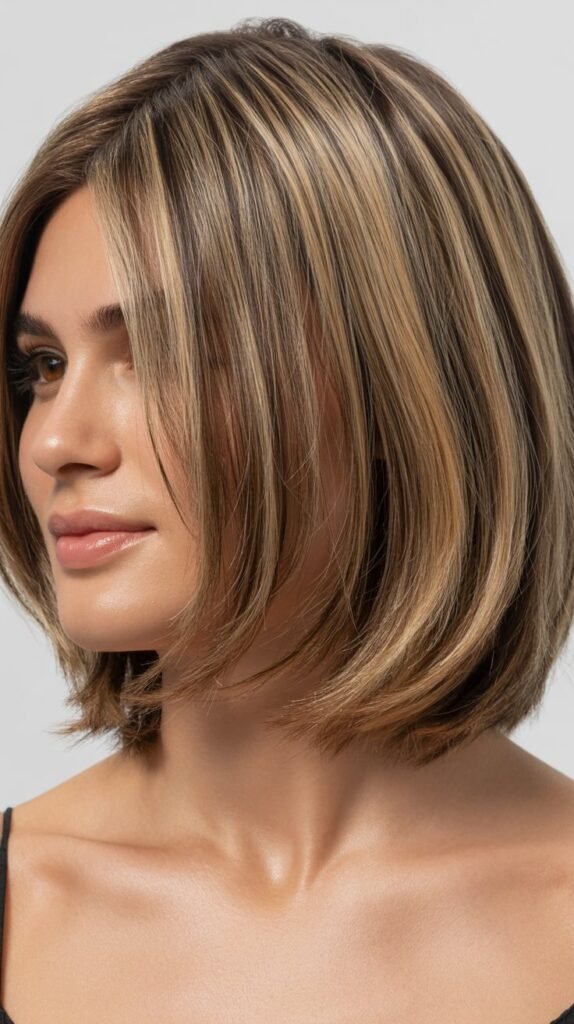
The piecey textured long bob features visible separation and definition between individual sections of hair, creating movement and the appearance of more volume.
This style uses texturizing products and techniques to enhance individual pieces, making fine hair appear deliberately styled rather than simply thin.
Creating Definition:
- Texturizing paste or clay applied to dry or damp hair creates separation and definition between pieces.
- Scrunching or twisting small sections while styling enhances the piecey appearance.
- The separated strands create visual interest that distracts from overall hair density.
- This technique works particularly well with slightly wavy or tousled styling.
Product Selection for Separation:
- Matte-finish products like clay or paste create defined pieces without shine or greasiness.
- Texturizing sprays add grit that helps maintain separation without weight.
- A small amount of product goes a long way—too much will clump hair rather than separating it.
- Dry shampoo can enhance the piecey texture on second-day hair while adding volume at the roots.
24. Long Bob with Curved Layers
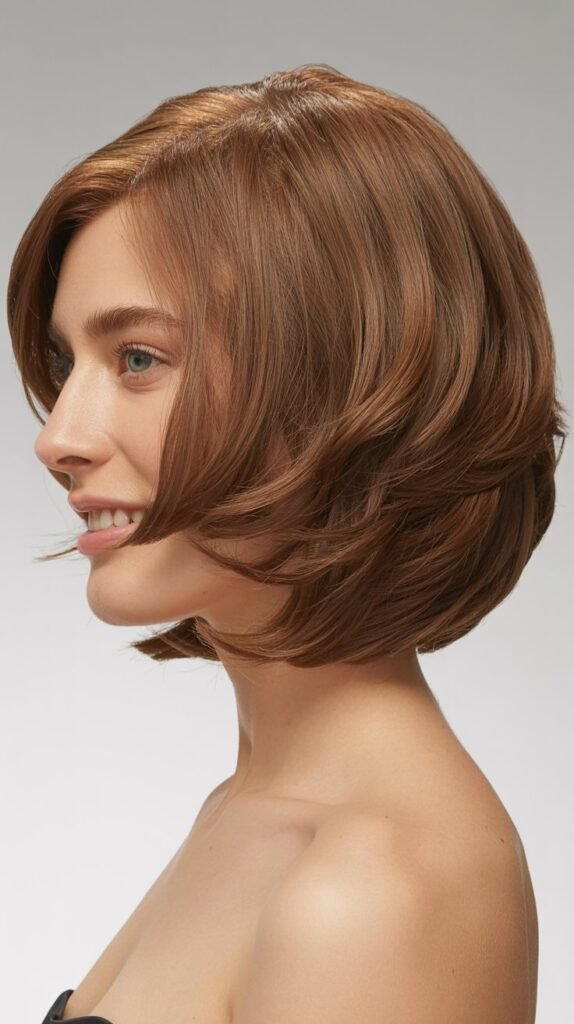
Curved layers follow the natural shape of the head, creating roundness and volume through strategic layer placement.
Unlike disconnected or choppy layers, curved layers create a smooth, cohesive shape that’s particularly flattering for fine hair because it enhances natural body without creating gaps or thinness.
The Curved Layer Advantage:
- Layers that follow the head’s natural curvature create organic-looking fullness and movement.
- The rounded shape suggests volume even when hair is styled smooth and straight.
- Curved layers eliminate the disconnected appearance that can make fine hair look stringy.
- This layering technique creates a classic, timeless shape that works for various face shapes and ages.
Achieving the Curved Effect:
- Layers are cut at angles that follow the curve of the skull rather than straight across.
- Blow-drying with a round brush enhances the natural roundness created by the cut.
- The smooth transition between layers creates a cohesive, polished appearance.
- This cut maintains density at the ends while creating internal volume where needed most.
25. Long Bob with Root Shadowing
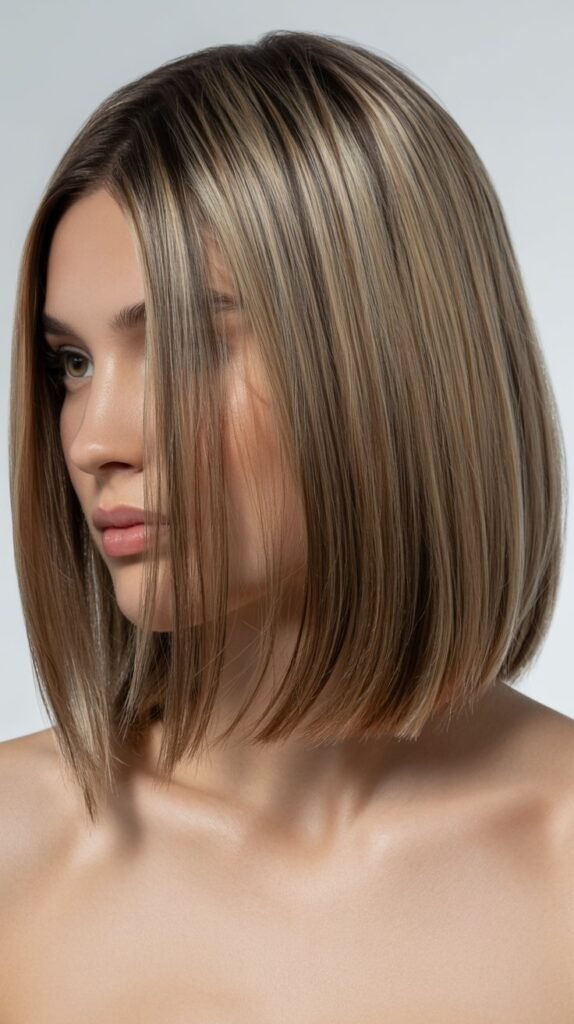
Root shadowing involves applying darker color at the roots that gradually blends into lighter mid-lengths and ends, creating depth and dimension that makes fine hair appear fuller.
This technique prevents scalp show-through while creating a soft, natural-looking color transition.
Root Shadowing Benefits:
- The darker roots create the illusion of depth where the scalp meets the hair, preventing the transparent look thin hair can have.
- The color gradient creates dimension that suggests more hair overall.
- This technique extends time between color appointments since grow-out is built into the design.
- The shadow effect creates a natural, sun-kissed appearance that looks intentional rather than grown out.
Application Process:
- Darker color (typically 1-3 shades darker than the base) is applied to the first 1-2 inches from the scalp.
- The color is blended down using feathering or melting techniques for a gradual transition.
- The shadowed area can be adjusted based on hair growth patterns and desired maintenance schedule.
- This technique works with various color combinations from blonde to brunette to red.
26. Long Bob with Side Shave
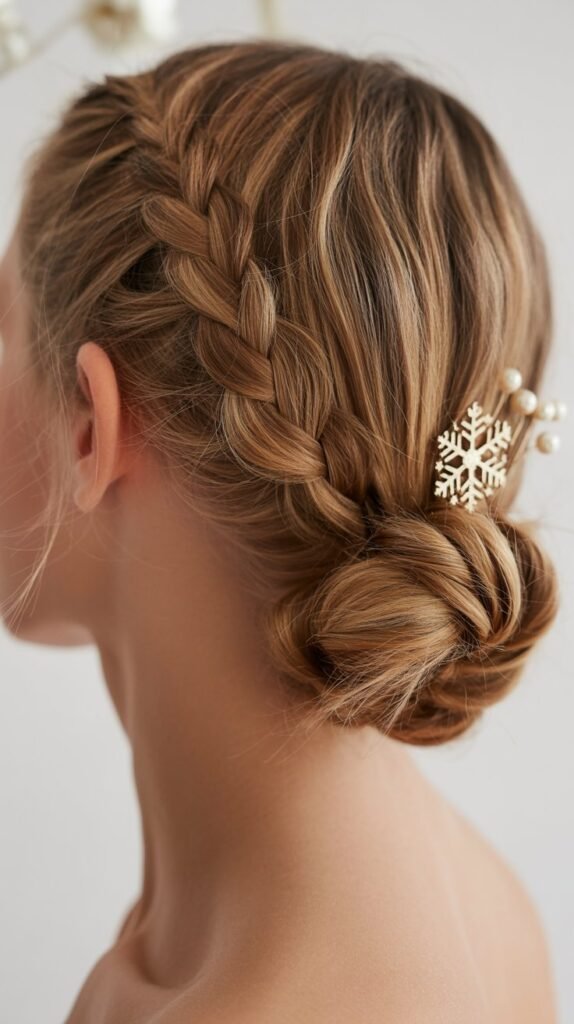
A long bob with a side shave features one side that’s shaved or cut very short while the other maintains full length, creating dramatic asymmetry that makes a bold statement.
This edgy style transforms fine hair concerns into intentional design, as the contrast between shaved and long sections creates visual impact that transcends texture.
The Drama of Contrast:
- The extreme difference between shaved and long sections creates such visual interest that hair texture becomes irrelevant.
- Fine hair actually works well for this style since the shaved section requires precision rather than volume.
- The longer side can be styled with maximum volume since it’s not being weighed down by hair underneath.
- This bold look makes a distinctive statement that celebrates individuality over traditional beauty standards.
Styling and Maintenance:
- The shaved section requires regular maintenance every 2-3 weeks to stay sharp and defined.
- The long side can be worn straight, curled, or pushed dramatically over to one side for different looks.
- This style works beautifully when the long side is styled behind the ear on the shaved side.
- Growing out this cut can be challenging—commit to the look or be prepared for an awkward transition phase.
27. Long Bob with Babylights
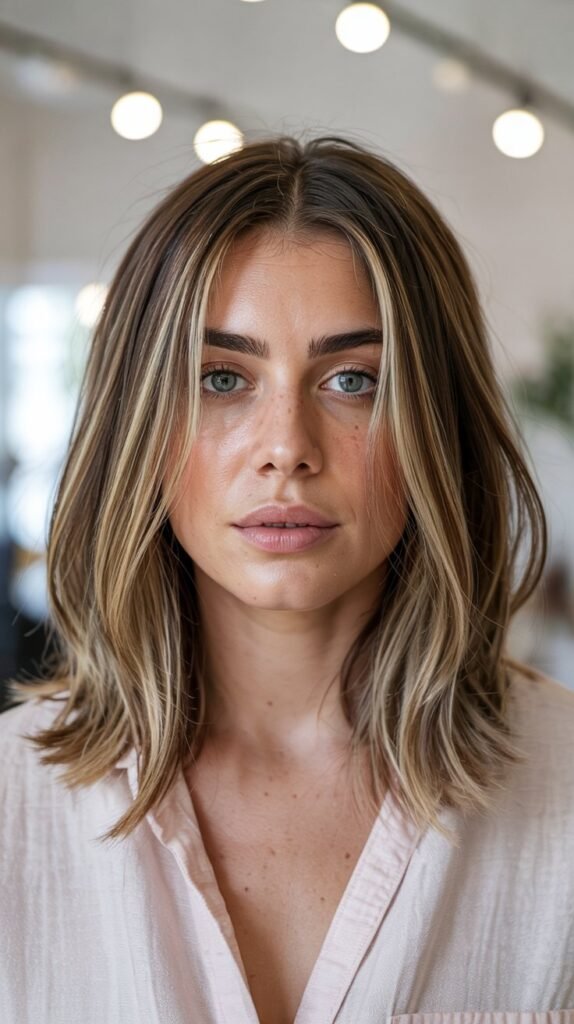
Babylights are ultra-fine, delicate highlights that mimic the natural highlights seen in children’s hair, creating subtle dimension and brightness.
When applied to a long bob, these fine highlights add depth and visual texture that makes fine hair appear fuller through enhanced dimension.
Babylight Characteristics:
- The highlights are finer than traditional highlights, creating a more natural, sun-kissed appearance without obvious streaks.
- Multiple fine highlights distributed throughout create dimension without the heavy contrast that can emphasize thinness.
- The delicate pieces catch light from multiple angles, creating movement and sparkle that suggests fullness.
- This technique enhances the natural color rather than dramatically changing it, creating authentic-looking dimension.
Application Technique:
- Ultra-thin sections of hair are isolated and lightened, creating subtle ribbons of color throughout.
- Babylights are typically woven throughout the entire head rather than concentrated in specific areas.
- The color is usually only 1-2 shades lighter than the base for maximum subtlety.
- This technique requires more time than traditional highlights but creates superior natural-looking results for fine hair.
Maintenance Requirements:
- Babylights grow out beautifully and naturally, requiring touch-ups only every 12-16 weeks.
- Toning treatments keep the delicate highlights fresh and prevent brassiness.
- The subtle nature of babylights means grow-out is less noticeable than traditional highlighting.
- This low-maintenance color option works perfectly for those seeking dimension without constant upkeep.
28. Long Bob with Internal Layering
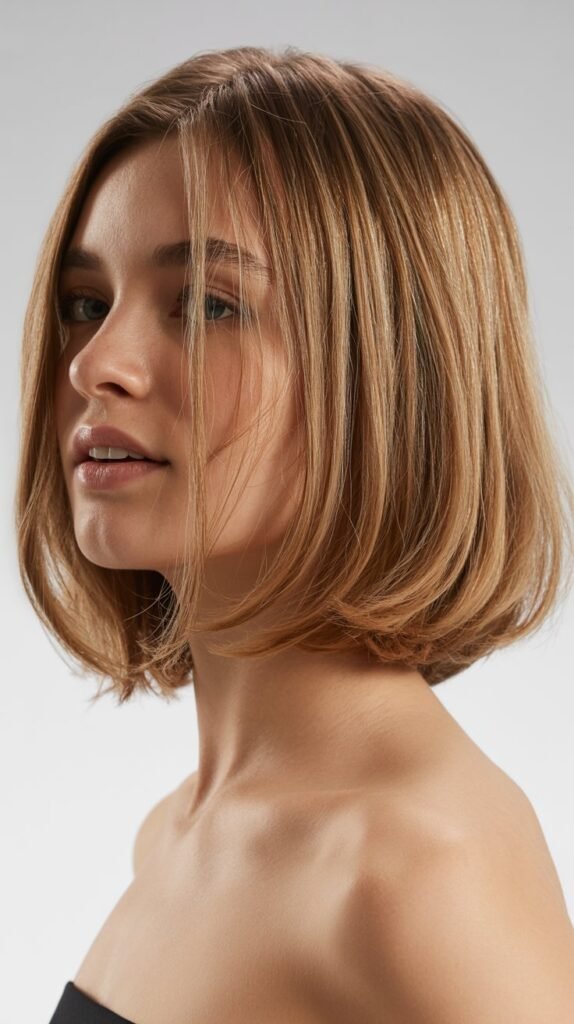
Internal layering removes weight from inside the hair while maintaining length and density on the exterior, creating volume and movement without sacrificing the appearance of thickness.
This technique is particularly effective for fine hair because it creates body from within while keeping the perimeter full.
Internal Layer Benefits:
- Weight removal from the interior allows hair to move more freely and lift more easily at the roots.
- The exterior perimeter remains intact, maintaining the appearance of density and fullness.
- Internal layers create pockets of air within the hair structure, enhancing natural body and bounce.
- This technique is invisible when hair is worn down but creates significant styling benefits.
Cutting Approach:
- The stylist separates hair into sections and removes weight from interior layers using various techniques.
- Exterior sections are left longer and fuller to create the illusion of thick, dense hair.
- The amount of weight removed can be customized based on individual hair thickness and volume needs.
- This cut requires an experienced stylist who understands the balance between removing weight and maintaining fullness.
Styling Results:
- Hair blow-dries faster due to reduced bulk and weight.
- Natural body and movement emerge more easily without the burden of excess weight.
- The style holds better throughout the day because the lighter interior layers don’t pull the style flat.
- Volume created at the roots is more sustainable when hair isn’t heavy with interior bulk.
29. Long Bob with Glossy Finish
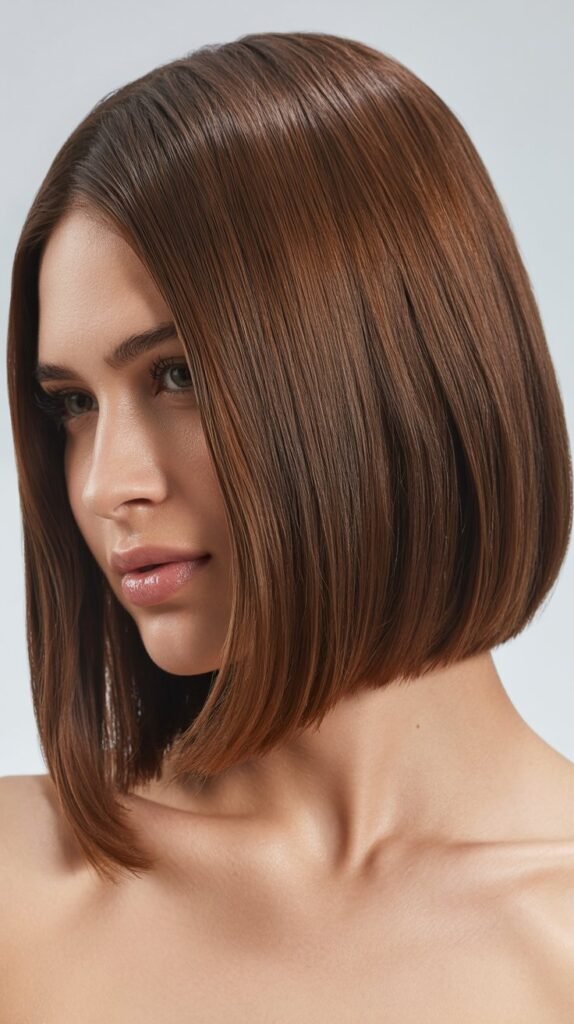
The glossy finish long bob prioritizes ultra-shine and smoothness, creating the appearance of healthy, thick hair through reflective properties.
This polished style uses specific products and techniques to create mirror-like shine that makes hair appear more substantial and luxurious.
Creating Maximum Shine:
- Ceramic flat irons smooth the hair cuticle, creating a reflective surface that catches light beautifully.
- Shine-enhancing serums or oils applied sparingly to mid-lengths and ends boost reflectivity without greasiness.
- Cold air from the blow dryer at the end of styling seals the cuticle for maximum shine.
- Glossing treatments at the salon add transparent color that enhances shine and vibrancy.
The Illusion of Fullness:
- Shiny hair reflects more light, creating the appearance of more hair overall.
- The healthy, lustrous appearance suggests vitality and thickness even when hair is fine.
- Light reflecting off glossy hair creates dimension and movement that enhances perceived volume.
- Well-maintained, shiny hair appears more substantial than dull, damaged hair regardless of actual thickness.
Maintenance for Shine:
- Weekly deep conditioning treatments maintain moisture levels essential for glossiness.
- Avoiding excessive heat styling prevents damage that creates dullness and frizz.
- Sulfate-free shampoos preserve natural oils and color treatments that contribute to shine.
- Regular trims every 6-8 weeks remove damaged ends that can make hair appear dull and thin.
30. Long Bob with Lived-In Texture
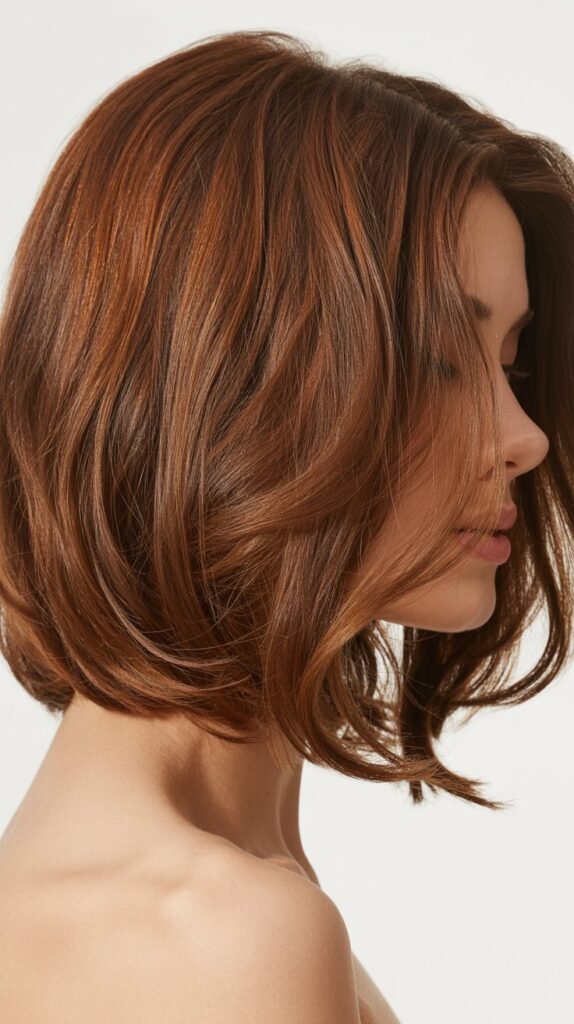
The lived-in textured long bob embraces natural, undone styling that looks effortlessly cool while making fine hair appear fuller through enhanced texture.
This low-maintenance approach creates a style that looks like you simply woke up with great hair, celebrating natural movement and texture.
The Lived-In Look:
- This style celebrates imperfection, making it ideal for fine hair that may not hold structured styles well.
- Natural texture is enhanced rather than fought against, working with hair’s inherent characteristics.
- The tousled appearance creates movement and separation that suggests volume and fullness.
- Minimal styling time is required since the goal is an effortless, undone aesthetic.
Achieving Effortless Texture:
- Air-drying with texturizing spray allows natural wave and movement to emerge.
- Sleeping on slightly damp hair braided creates gentle waves and volume overnight.
- Second or third-day hair often works better for this style than freshly washed hair.
- Hands scrunching and tousling hair throughout the day maintains the deliberately messy appearance.
Product Recommendations:
- Dry texturizing sprays add grit and separation without weighing hair down or creating stiffness.
- Salt sprays enhance natural wave and create the piece-y, separated look essential to this style.
- Lightweight styling creams can define individual pieces without creating smoothness or polish.
- Dry shampoo adds texture and volume while extending time between washes, perfect for the low-maintenance ethos.
Styling Philosophy:
- The goal is hair that looks naturally great rather than obviously styled or manipulated.
- Embracing hair’s natural tendencies creates a more authentic, sustainable styling approach.
- This style works equally well for casual everyday wear or dressed up for evening occasions.
- The lived-in aesthetic celebrates individual beauty rather than conforming to rigid styling standards.
Essential Styling Products for Fine Hair Long Bobs
Volumizing Products:
- Root lift sprays applied to damp hair before blow-drying create lasting volume at the crown.
- Volumizing mousses add body without weight when worked through damp hair from roots to ends.
- Volumizing powders provide targeted lift at the roots and can be reapplied throughout the day.
- Dry shampoo absorbs oil while adding texture and volume, perfect for extending styles between washes.
Texturizing Products:
- Sea salt sprays create beachy waves and enhance natural texture without heaviness.
- Texturizing sprays add grit and separation, making fine hair appear fuller and more dimensional.
- Lightweight styling creams define pieces and add separation without creating clumps or weight.
- Texturizing paste or clay creates piecey definition for more structured, editorial looks.
Finishing Products:
- Flexible hold hairsprays maintain styles without creating stiffness or crunchiness that weighs fine hair down.
- Shine serums add glossiness and light reflection when applied sparingly to mid-lengths and ends.
- Heat protectant sprays prevent damage from thermal styling tools that can make fine hair look even thinner.
- Lightweight oils smooth frizz and add shine without the heaviness of traditional oils.
Styling Tips for Long-Lasting Volume
Blow-Drying Techniques:
- Always blow-dry hair in the opposite direction of how you want it to lay for maximum lift at the roots.
- Use a round brush to create tension while drying, lifting hair up and away from the scalp.
- Finish with a blast of cold air to set the style and seal the cuticle for longer-lasting results.
- Focus heat and airflow at the roots first, where volume is most needed and most challenging to achieve.
Setting Methods:
- Velcro rollers placed in the crown while hair cools lock in volume created during blow-drying.
- Pin curls at the roots create lift and can be hidden under the top layer for invisible volume.
- Allowing hair to completely cool before touching or styling prevents volume from collapsing immediately.
- Sleeping with hair in a loose topknot maintains volume overnight without creating unwanted creases.
Product Application Strategy:
- Apply volumizing products to roots only—applying through lengths can weigh hair down.
- Use finishing products sparingly and only on the lower half of hair to avoid flattening the crown.
- Layer lightweight products rather than using too much of one product to avoid heaviness.
- Reapply dry texturizing products throughout the day to refresh volume without washing.
Common Mistakes to Avoid with Fine Hair Long Bobs
Over-Layering:
- Removing too much hair through excessive layering can make fine hair look stringy and sparse rather than full.
- Layers should be subtle and strategic, focused on creating movement rather than removing weight.
- The bottom perimeter should always maintain density to create the appearance of thickness.
- Internal layering is often better than external layering for fine hair, creating body without sacrificing visual density.
Product Overload:
- Using too much product weighs fine hair down, eliminating any volume created through cutting or styling.
- Heavy oils, serums, and creams can make fine hair look greasy and flat within hours.
- Multiple product layers compound the weight problem—choose one or two products maximum per styling session.
- Product should be applied sparingly to mid-lengths and ends, avoiding the root area where volume is crucial.
Wrong Cutting Techniques:
- Thinning shears can make fine hair look even thinner by removing density without creating shape.
- Blunt cuts that are too long can weigh hair down and make it appear flat and lifeless.
- Excessive point-cutting throughout can create a wispy, insubstantial appearance rather than intentional texture.
- Cookie-cutter approaches don’t work—fine hair requires customized cutting based on individual characteristics.
Styling Errors:
- Over-washing strips natural oils that provide texture and body to fine hair.
- Excessive heat styling without proper protection causes damage that makes hair appear thinner.
- Brushing dry hair too much can create static and breakage, reducing volume and fullness.
- Sleeping on cotton pillowcases creates friction that damages fine hair and causes morning flatness.
Consultation Tips for Your Salon Appointment
Bring Reference Photos:
- Collect multiple images showing the style from different angles—front, back, and sides.
- Choose photos of people with similar hair texture to yours for realistic expectations.
- Save images showing both the cut and the color if you’re planning to do both services.
- Include photos of styles you don’t like to help your stylist understand what to avoid.
Communicate Your Lifestyle:
- Explain how much time you can realistically spend on daily styling.
- Discuss your hair washing frequency and how that affects styling decisions.
- Mention your styling skill level and comfort with various techniques and tools.
- Be honest about your styling product collection and willingness to purchase new products.
Discuss Your Hair History:
- Inform your stylist about previous color treatments, chemical services, or damage.
- Explain what has and hasn’t worked in previous cuts and styles.
- Mention any hair loss, thinning, or texture changes you’ve noticed over time.
- Discuss growth patterns, cowlicks, or other characteristics that affect how your hair behaves.
Ask Important Questions:
- How often will this cut require maintenance trims to look its best?
- What specific products do you recommend for styling this cut at home?
- Can you show me the styling technique while you’re working so I can recreate it?
- Will this style work with my face shape, hair texture, and lifestyle realistically?
Maintenance Schedule for Long Bob Styles
Weekly Care:
- Deep conditioning treatments restore moisture and prevent damage that makes fine hair look thinner.
- Scalp massages during washing stimulate blood flow and promote healthy hair growth.
- Clarifying treatments remove product buildup that can weigh fine hair down and make it look flat.
- At-home glossing or toning treatments maintain color vibrancy between salon visits.
Monthly Maintenance:
- Professional treatments like keratin smoothing or bond-building services strengthen fine hair structure.
- Scalp treatments address any underlying issues affecting hair health and growth.
- Product consultation ensures you’re using the right formulations for your hair’s current needs.
- Style evaluation with your stylist addresses any concerns before they become major problems.
Every 6-8 Weeks:
- Trimming removes damaged ends and maintains the shape of your long bob cut.
- Color touch-ups refresh roots or maintain dimensional color treatments.
- Cut adjustments accommodate hair growth and any lifestyle changes affecting your styling needs.
- Technique review with your stylist ensures you’re still getting the best results from your cut at home.
Seasonal Adjustments:
- Summer may require lighter products and more protection from sun damage and chlorine.
- Winter often needs more moisture-rich products to combat dryness from indoor heating.
- Humidity levels affect styling product choices and techniques throughout the year.
- Lifestyle changes with seasons may influence how much styling time you have available.
Conclusion
Finding the perfect hairstyle for thin, fine hair can feel like an overwhelming challenge, but these 30 flattering long bob hairstyles for thin, fine hair prove that beautiful, voluminous styles are absolutely achievable regardless of hair texture.
From classic blunt cuts that create the illusion of density to textured, layered styles that embrace natural movement, the long bob offers unparalleled versatility for fine hair concerns.
The key lies in choosing the right combination of cutting technique, color strategy, and styling approach that works specifically for your hair’s unique characteristics and your lifestyle needs.
Whether you’re drawn to the sleek sophistication of a glossy straight bob, the effortless appeal of lived-in texture, or the bold statement of an asymmetrical cut, there’s a long bob variation perfectly suited to transform your fine hair into your best asset.
Armed with the knowledge from this comprehensive guide, you’re now equipped to have confident conversations with your stylist, make informed decisions about your next cut, and finally achieve the full, voluminous hair you’ve always wanted.
The long bob isn’t just a hairstyle—it’s a transformative solution that proves thin hair doesn’t mean limited options, it simply means choosing smarter, more strategic approaches that celebrate and enhance what you naturally have.
