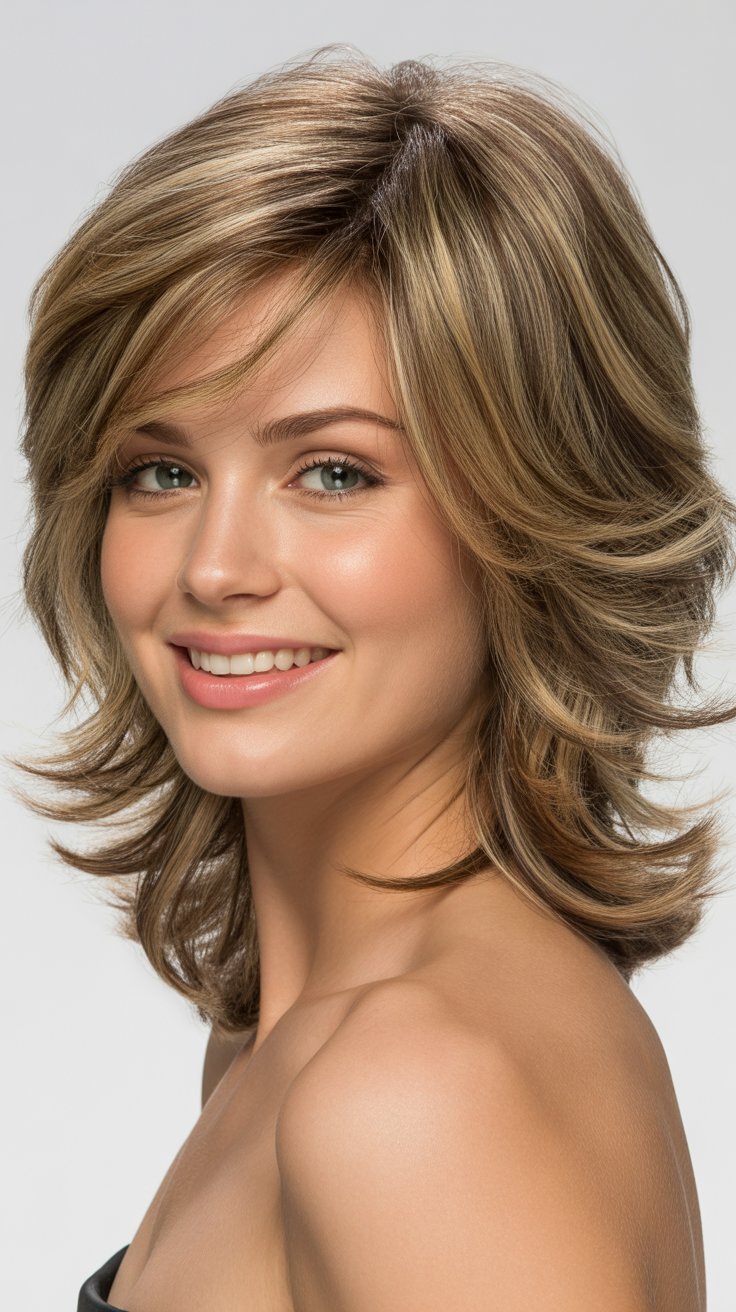
Medium-length hair offers the perfect canvas for layering, striking that ideal balance between manageability and styling versatility.
If you’ve been struggling with flat, lifeless hair that lacks dimension, you’re about to discover how strategic layering can completely transform your look.
The 37 Best Layer Ideas for Medium-Length Hair (Instant Volume!) will guide you through cutting-edge techniques, timeless classics, and modern twists that work for every hair type, face shape, and personal style.
From subtle face-framing pieces to bold, choppy textures, these layering approaches promise to breathe new life into your hair by adding movement, bounce, and that coveted instant volume you’ve been searching for.
Whether you’re preparing for a salon appointment or simply exploring options to refresh your current style, this comprehensive guide will help you find the perfect layered look that enhances your natural beauty and simplifies your daily styling routine.
This article explores 37 distinct layering techniques specifically designed for medium-length hair, each offering unique benefits for adding volume, texture, and style.
You’ll discover classic approaches like long layers and feathered cuts alongside contemporary options such as shag layers and curtain bang combinations.
The guide covers methods suitable for various hair textures including straight, wavy, curly, and fine hair, while addressing different face shapes and personal style preferences.
Each layering idea includes practical insights about styling requirements, maintenance levels, and the specific volume-boosting benefits it provides.
You’ll also find expert tips on communicating with your stylist, maintaining your layers between appointments, and adapting these looks to complement your lifestyle and aesthetic goals.
1. Classic Long Layers
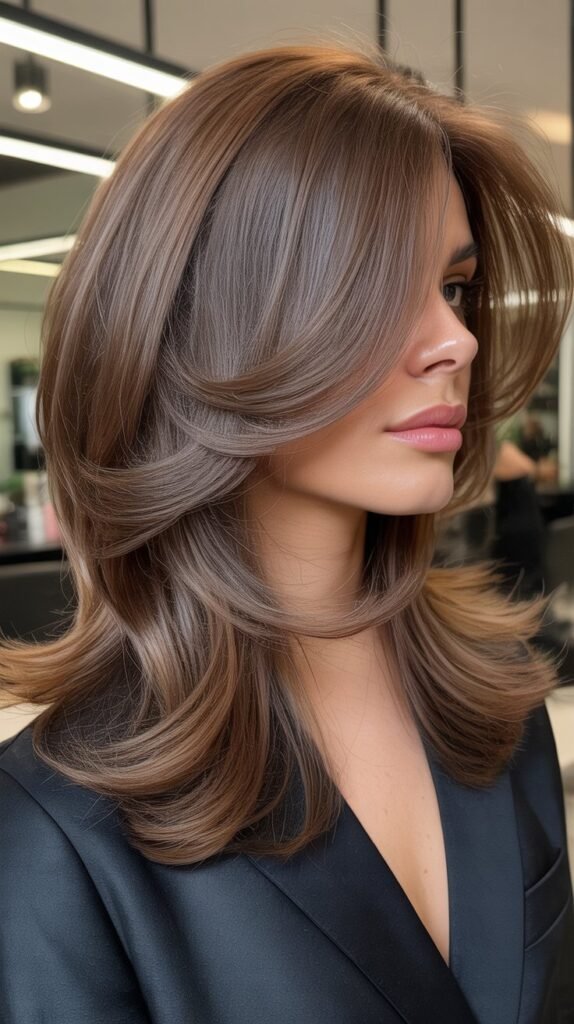
Long layers remain the foundation of medium-length hair styling, offering subtle dimension without sacrificing length.
This technique involves cutting graduated lengths throughout the hair, with the shortest layers starting around chin or shoulder level and longer pieces flowing toward the ends.
- Long layers work exceptionally well for adding movement to thick, heavy hair that tends to fall flat
- The technique creates a cascading effect that naturally lifts hair away from the scalp for instant volume
- This versatile approach suits almost every face shape, making it an ideal starting point for layering beginners
- Styling is minimal, requiring only basic blow-drying or air-drying for a polished appearance
- Long layers maintain hair health by removing weight without creating excessive texture or potential breakage points
- The look transitions seamlessly from professional settings to casual environments
- Maintenance appointments are needed every 8-12 weeks to preserve the shape and prevent blunt regrowth lines
2. Face-Framing Layers
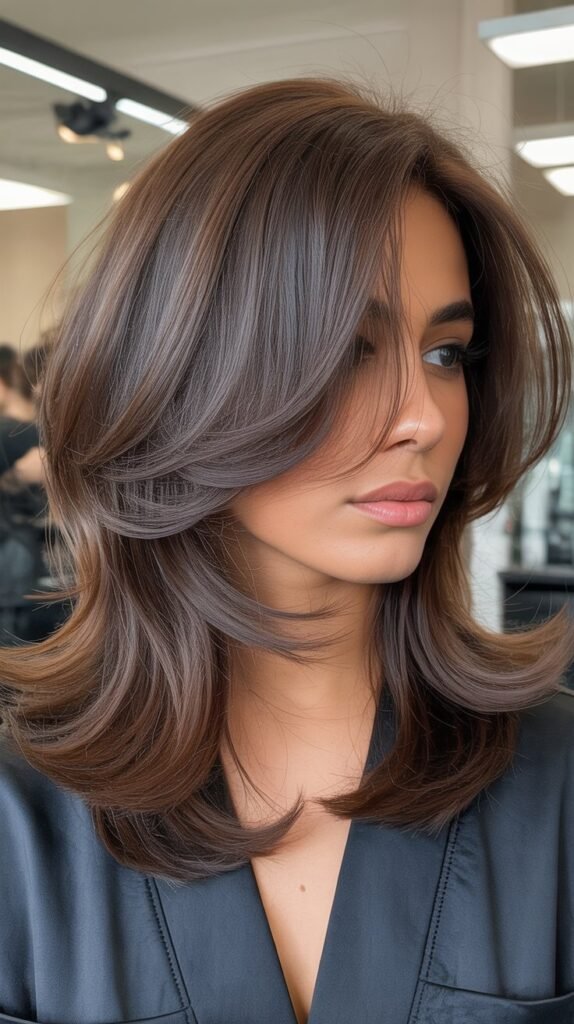
Face-framing layers strategically place shorter pieces around the face to highlight your best features while adding dimension.
These layers typically start at cheekbone or chin level and gradually blend into the rest of your hair length.
- The technique draws attention to eyes and cheekbones, creating a flattering focal point
- Face-framing layers can visually slim round faces or add width to narrow face shapes depending on placement
- These layers provide instant volume around the crown when styled with a round brush
- The approach works beautifully with both straight and wavy hair textures
- Styling versatility allows you to wear layers swept back or forward depending on your preference
- This method requires moderate maintenance with trims every 6-8 weeks to keep the framing pieces at optimal length
- Face-framing layers pair exceptionally well with balayage or highlights to further enhance dimension
3. Choppy Textured Layers
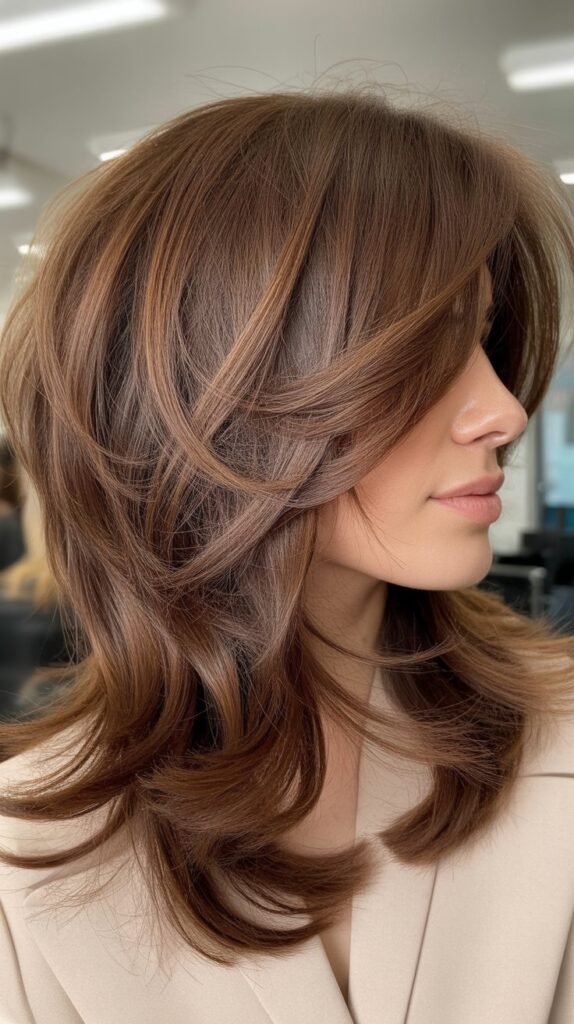
Choppy textured layers deliver an edgy, modern aesthetic with intentionally uneven lengths that create dynamic movement.
This bold approach uses point-cutting or razor techniques to achieve piece-y, separated ends.
- The disconnected nature of choppy layers adds significant volume by preventing hair from clumping together
- This style works particularly well for fine to medium hair densities that need extra body
- Point-cutting technique removes bulk while creating texture simultaneously
- Choppy layers offer a youthful, carefree appearance that suits creative and casual lifestyles
- Styling requires texturizing products like sea salt spray or dry texture spray for best results
- The look intentionally embraces a lived-in, slightly messy finish rather than polished perfection
- Maintenance involves refreshing the texture every 6-8 weeks and regular deep conditioning to prevent dryness at ends
4. Feathered Layers
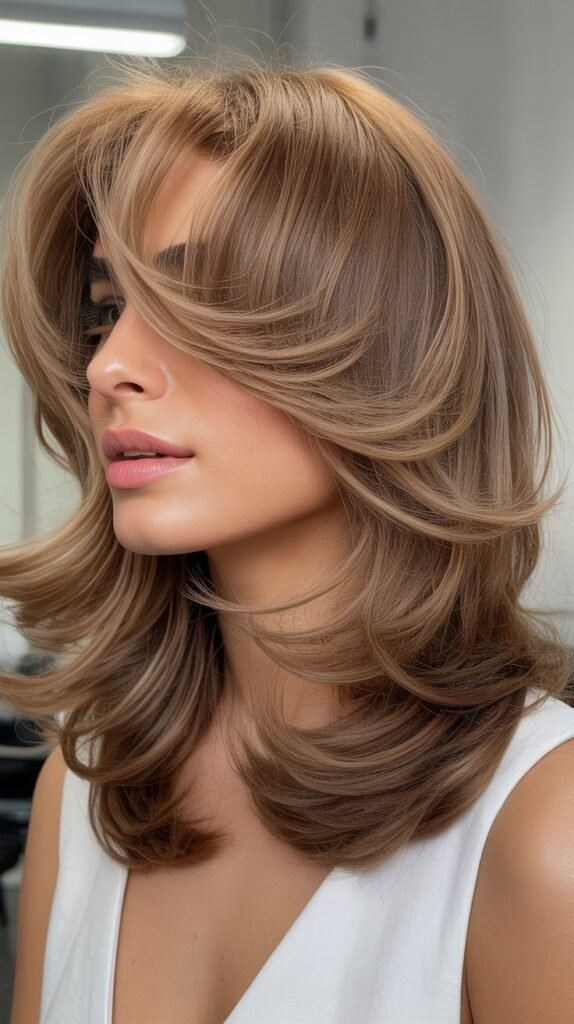
Feathered layers create soft, wispy ends that blend seamlessly together for a romantic, feminine appearance. This technique originated in the 1970s but has evolved into a sophisticated modern style.
- Feathering involves using a razor or specialized shears to create tapered, thin ends
- The technique produces exceptional movement that catches light beautifully
- Feathered layers work best on medium to thick hair densities that can support the delicate ends
- This approach adds volume throughout the mid-lengths while maintaining length
- Styling with a round brush enhances the feathered effect and creates lift at the roots
- The look suits various age groups and professional environments
- Regular conditioning treatments help maintain the health of feathered ends, with trims needed every 8-10 weeks
5. V-Shaped Layers
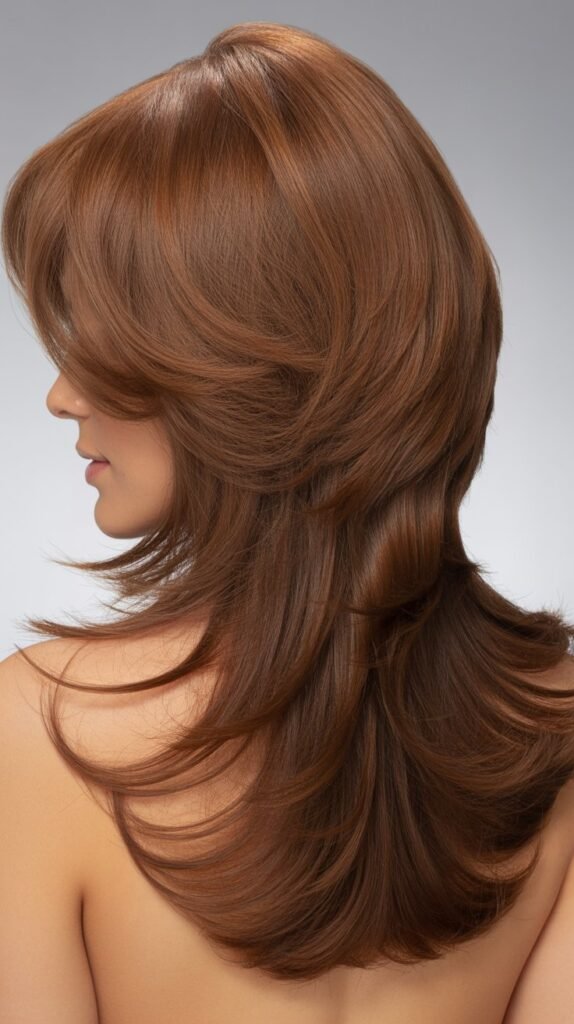
V-shaped layers create a distinctive point at the back of the hair, with layers graduating shorter toward the front. This geometric approach adds visual interest and dramatic dimension when viewed from behind.
- The V-shape naturally draws the eye downward, creating an elongating effect
- This layering style particularly suits oval and heart-shaped faces
- The technique provides maximum volume at the crown while maintaining fullness throughout
- V-shaped layers work well with both blunt and textured cutting techniques
- The shape remains visible whether hair is worn straight, wavy, or curly
- Styling is straightforward, often requiring only blow-drying to showcase the distinctive shape
- Maintenance appointments every 10-12 weeks help preserve the pointed shape and layer graduation
6. U-Shaped Layers
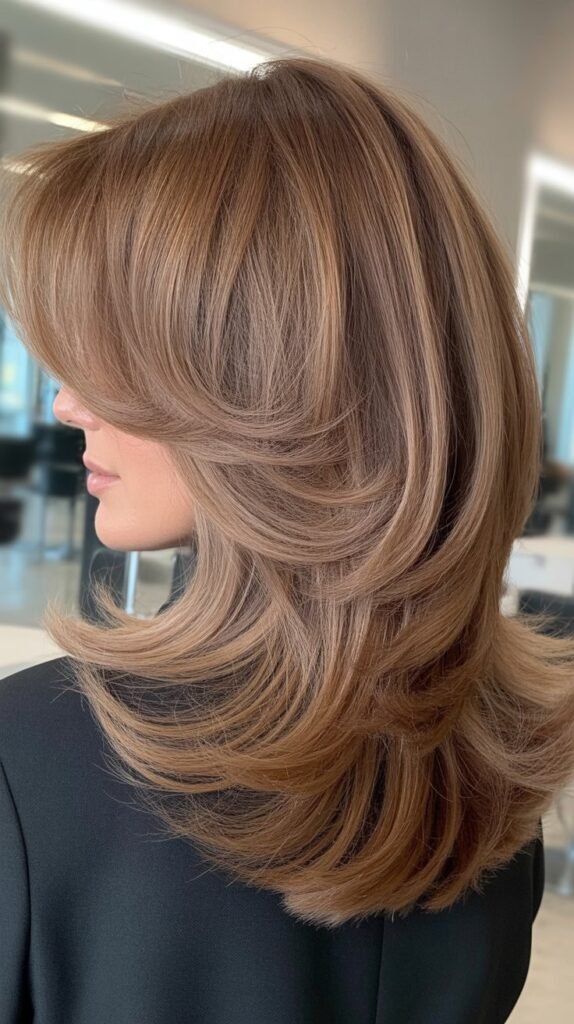
U-shaped layers feature a rounded perimeter at the back, creating a softer, more curved silhouette than V-shaped variations. This approach maintains more fullness at the ends while still providing dimension.
- U-shaped layers suit round and square face shapes by creating vertical lines
- The curved shape provides a feminine, romantic appearance
- This technique maintains maximum thickness at the ends for those wanting to avoid too much thinning
- Layers graduate gently, creating smooth transitions without harsh lines
- The style works exceptionally well with loose waves and curls that emphasize the rounded shape
- U-shaped layers require less frequent maintenance than sharper geometric cuts
- Trimming every 10-14 weeks keeps the rounded shape defined and prevents blunt regrowth
7. Shaggy Layers
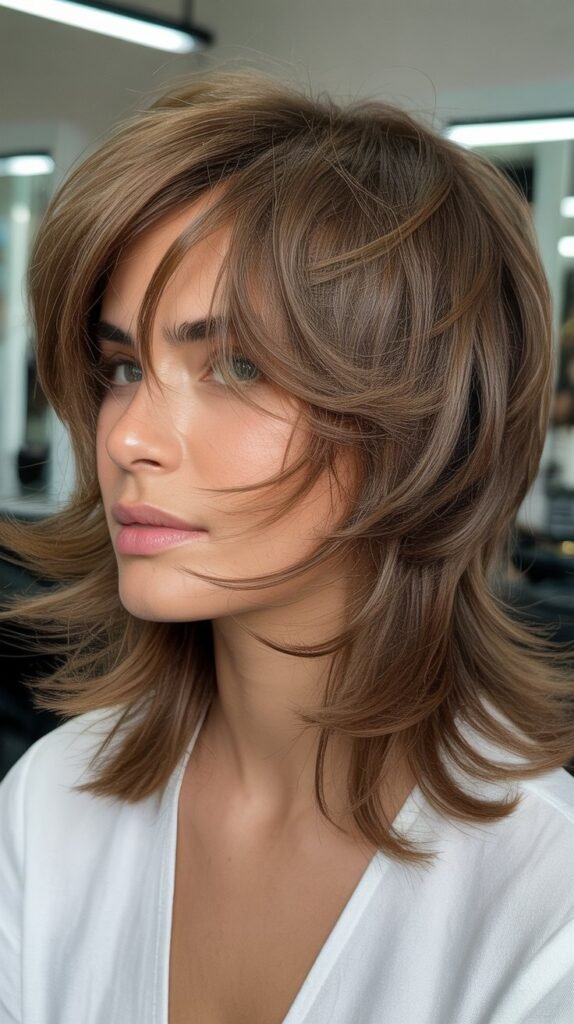
Shaggy layers embrace a deliberately undone, rock-and-roll aesthetic with multiple short layers throughout the hair. This bold style creates maximum texture, movement, and volume simultaneously.
- The shag technique involves cutting numerous layers of varying lengths throughout the entire head
- This approach delivers instant volume by creating space between hair strands
- Shaggy layers work beautifully for fine hair that needs significant body
- The style requires minimal styling effort, often looking best with air-dried, natural texture
- Products like texturizing mousse or wave spray enhance the intentionally messy appearance
- Shags suit those with edgy, creative personal styles and low-maintenance preferences
- Maintenance requires refreshing the layers every 6-8 weeks to prevent the shag from growing out into a traditional layered cut
8. Soft Graduated Layers
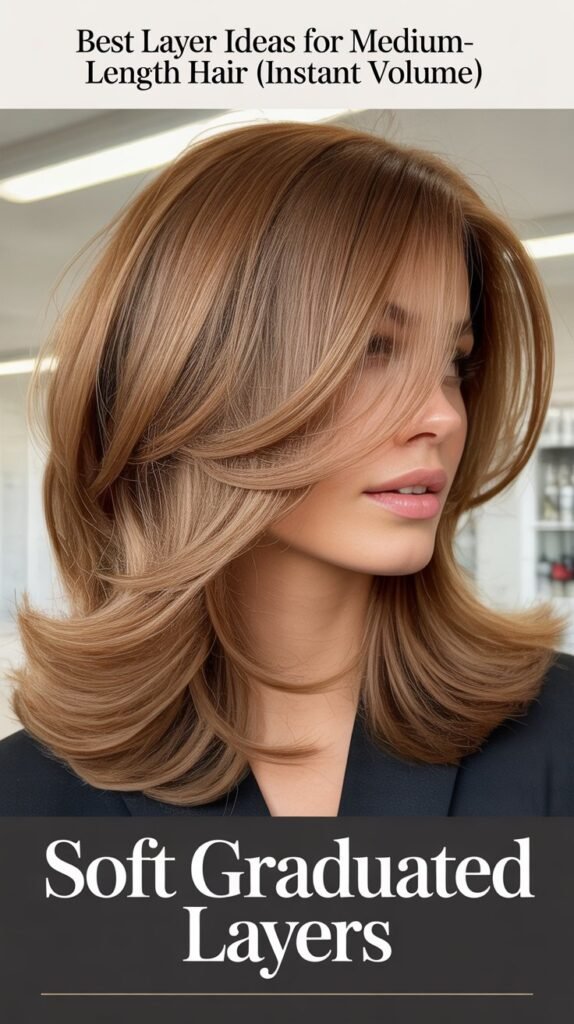
Soft graduated layers feature gentle transitions between lengths, creating subtle dimension without dramatic separation.
This refined approach suits those seeking volume enhancement while maintaining a polished appearance.
- Graduation begins at the crown and slowly increases toward the ends
- The technique adds volume while preserving a smooth, cohesive silhouette
- Soft graduated layers work well in conservative professional environments
- This approach suits all hair textures and densities
- Styling produces elegant results with straightening or curling tools
- The subtle nature of graduation means less frequent maintenance is required
- Appointments every 10-12 weeks maintain the graduated shape and prevent blunt lines
9. Razor-Cut Layers
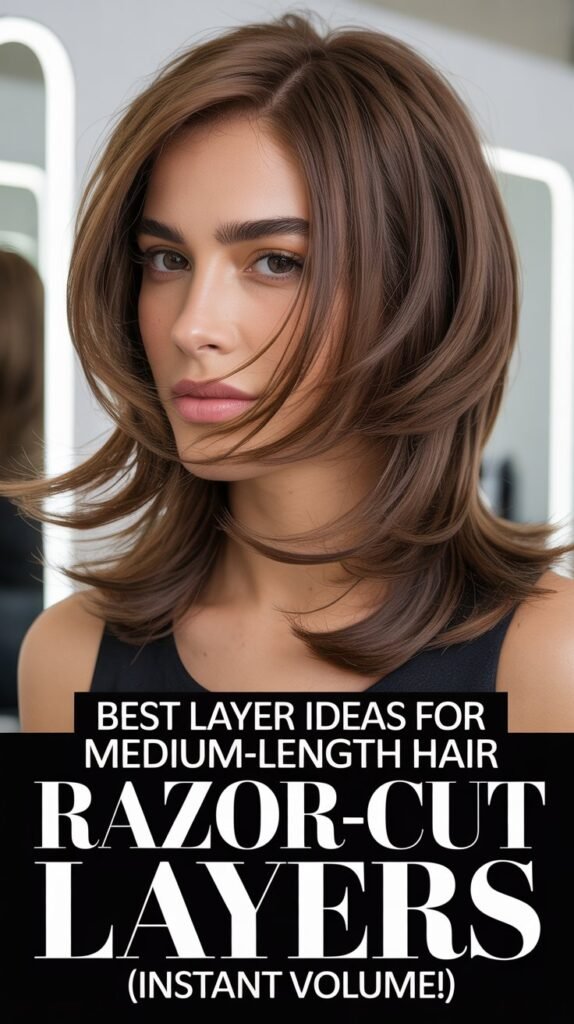
Razor-cut layers utilize a straight razor blade to create ultra-soft, textured ends with maximum movement. This specialized cutting technique produces a distinctly different result than traditional shears.
- The razor creates thinner, more pliable ends that move freely and catch light beautifully
- This technique excels at removing bulk from thick, heavy hair
- Razor cutting adds significant volume by creating space and separation between strands
- The method works best on straight to wavy hair textures
- Curly hair may experience unwanted frizz with razor cutting, so caution is advised
- Styling is effortless, with natural air-drying often producing the best results
- Regular deep conditioning maintains the health of razor-cut ends, with trims needed every 6-8 weeks
10. Layered Lob (Long Bob)
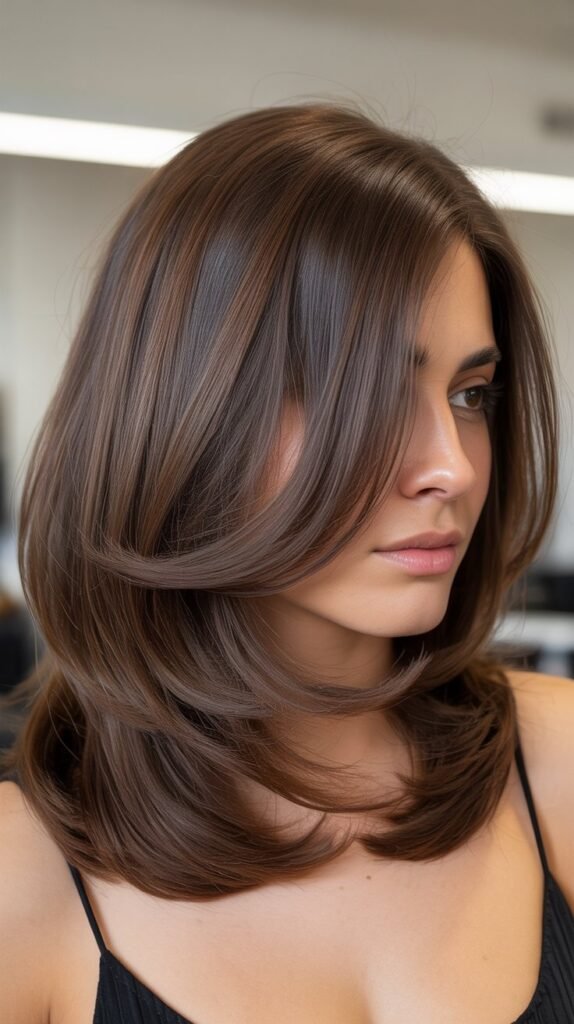
The layered lob combines the sophistication of a bob with the versatility of medium length, enhanced by strategic layering. This contemporary style has dominated salon requests for its flattering, modern appeal.
- Lob length typically falls between chin and collarbone, offering maximum versatility
- Internal layers add volume without disrupting the refined perimeter line
- The style suits virtually all face shapes and hair textures
- Layered lobs transition easily from professional to casual settings
- Styling options include sleek straight, beachy waves, or polished curls
- The cut maintains its shape well between appointments, requiring trims every 8-10 weeks
- Adding layers to a lob provides movement while preserving the modern, sophisticated silhouette
11. Curtain Bang Layers
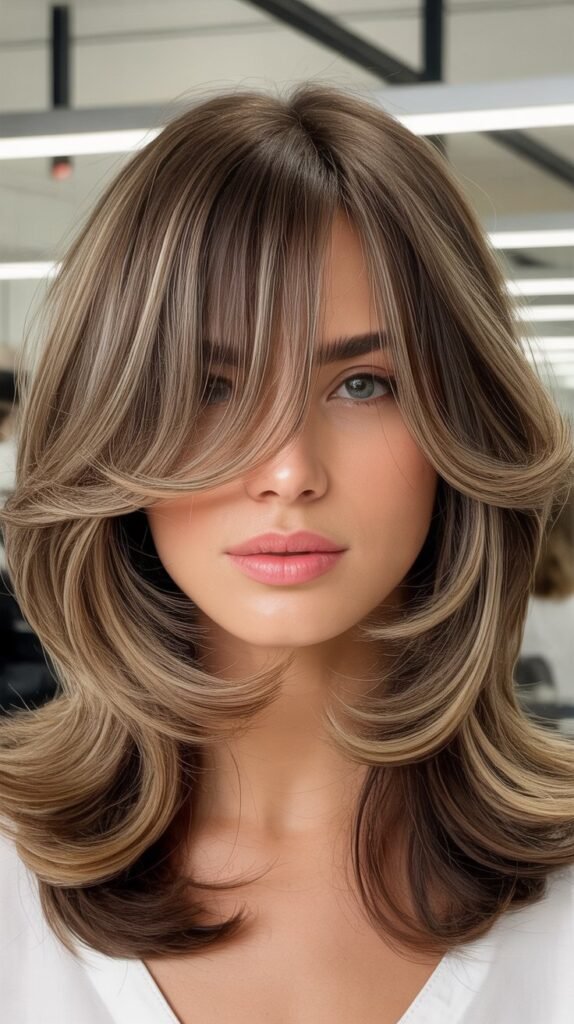
Curtain bang layers combine face-framing fringe that parts down the middle with coordinating layers throughout. This 70s-inspired trend creates instant volume around the face and crown.
- Curtain bangs start shorter at the center part and gradually lengthen toward the sides
- The fringe integrates seamlessly with face-framing layers for cohesive styling
- This approach adds significant volume at the crown when styled with proper technique
- Curtain bang layers suit oval, heart, and square face shapes particularly well
- The style requires regular fringe maintenance every 3-4 weeks to prevent overgrowth
- Styling involves blow-drying the bangs away from the face with a round brush
- Overall layers need refreshing every 8-10 weeks to maintain the balanced, coordinated look
12. Layered Waves
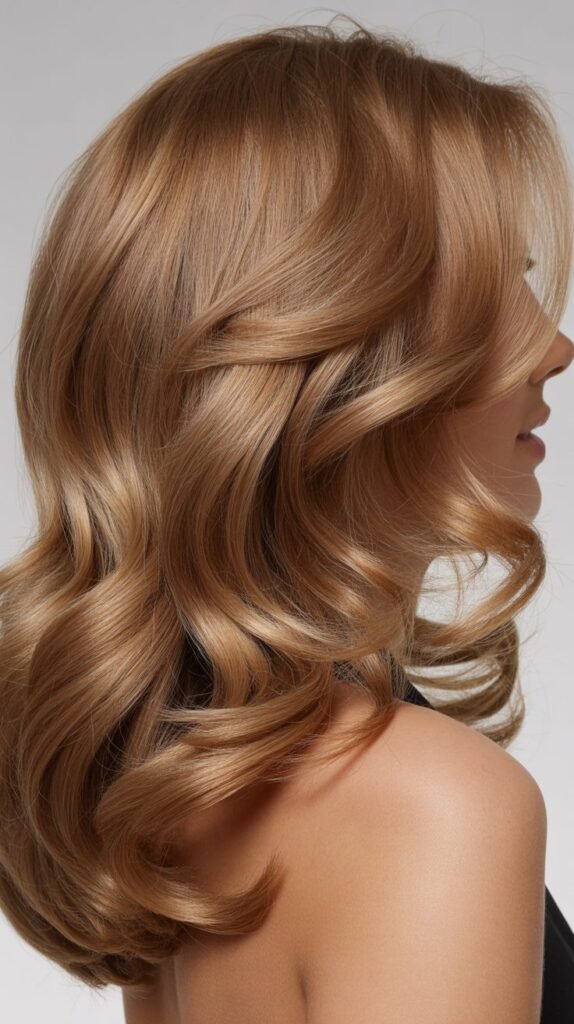
Layered waves specifically optimize cutting techniques to enhance natural wave patterns. This approach strategically places layers to encourage wave formation and prevent triangle shapes.
- Layers are cut to follow natural wave patterns rather than fighting against them
- The technique reduces bulk at the ends where wavy hair tends to accumulate weight
- Strategic layering prevents the pyramid effect common in wavy hair
- This approach encourages waves to form into defined, bouncy spirals
- Styling involves curl-enhancing products and diffusing or air-drying
- Layered waves require understanding of curly/wavy hair cutting techniques
- Maintenance every 10-12 weeks keeps the wave-enhancing shape optimized
13. Blunt Layers
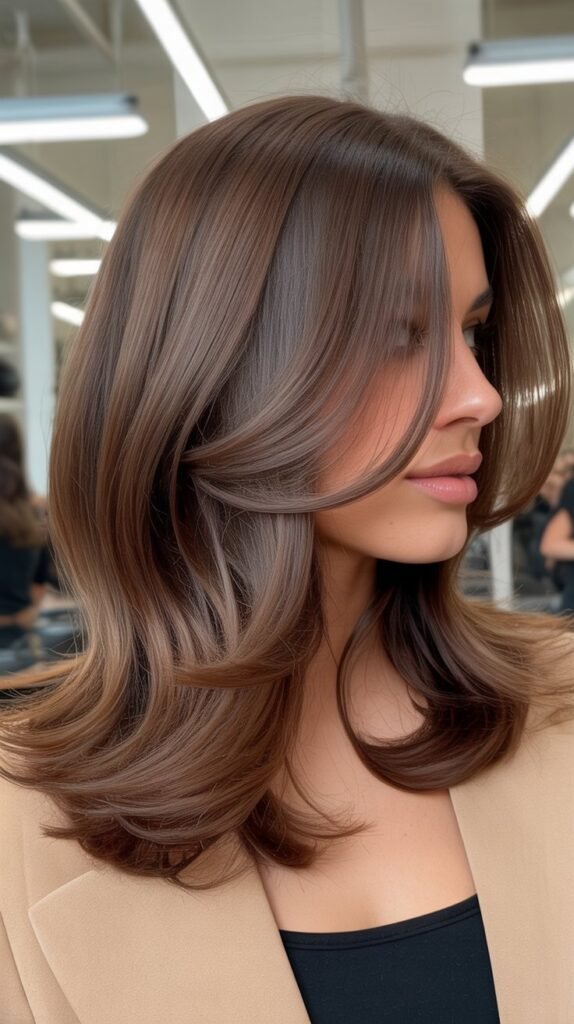
Blunt layers feature intentionally straight-across cuts at multiple levels, creating geometric, defined lines. This modern approach combines the thickness of blunt cuts with the movement of layering.
- Blunt cutting maintains maximum thickness at each layer level
- The technique creates dramatic, fashion-forward dimension
- This approach works best on naturally straight or regularly straightened hair
- Blunt layers add volume through the contrast between layer levels
- Styling emphasizes the geometric nature with sleek, straight finishes
- The bold approach suits those with modern, edgy personal aesthetics
- Maintenance every 6-8 weeks preserves the sharp, defined lines
14. Asymmetrical Layers
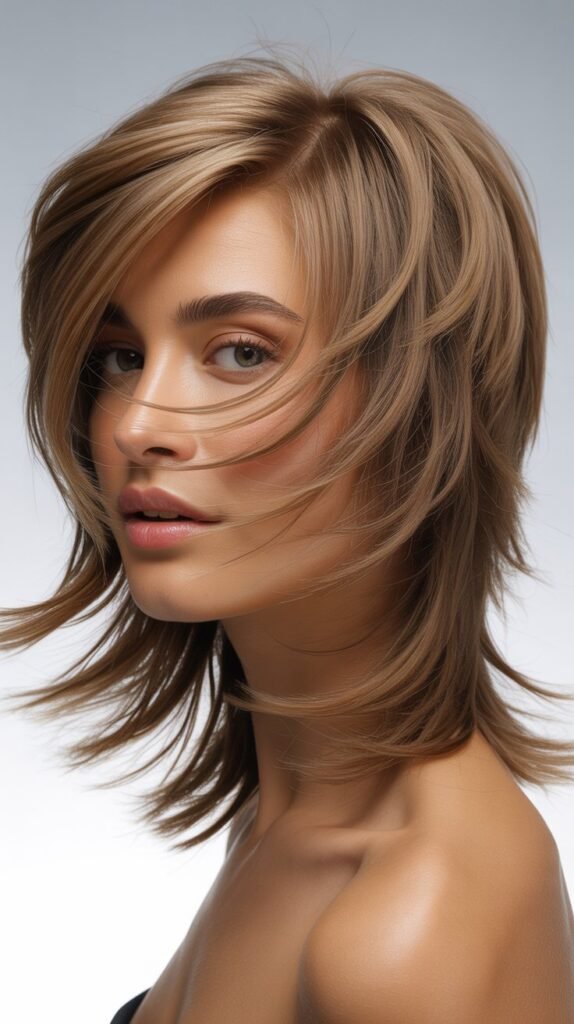
Asymmetrical layers intentionally create uneven lengths on different sides of the head. This avant-garde approach delivers maximum visual interest and unique styling opportunities.
- One side typically features shorter layers while the other maintains longer lengths
- The technique creates dynamic movement and catches attention immediately
- Asymmetrical layers suit confident individuals comfortable with bold styling choices
- The approach adds instant volume on the shorter side through increased layering
- Styling can emphasize or minimize the asymmetry depending on preference
- This cut requires a skilled stylist experienced in precision cutting
- Maintenance every 6-8 weeks ensures the asymmetrical shape remains defined and intentional
15. Internal Layers
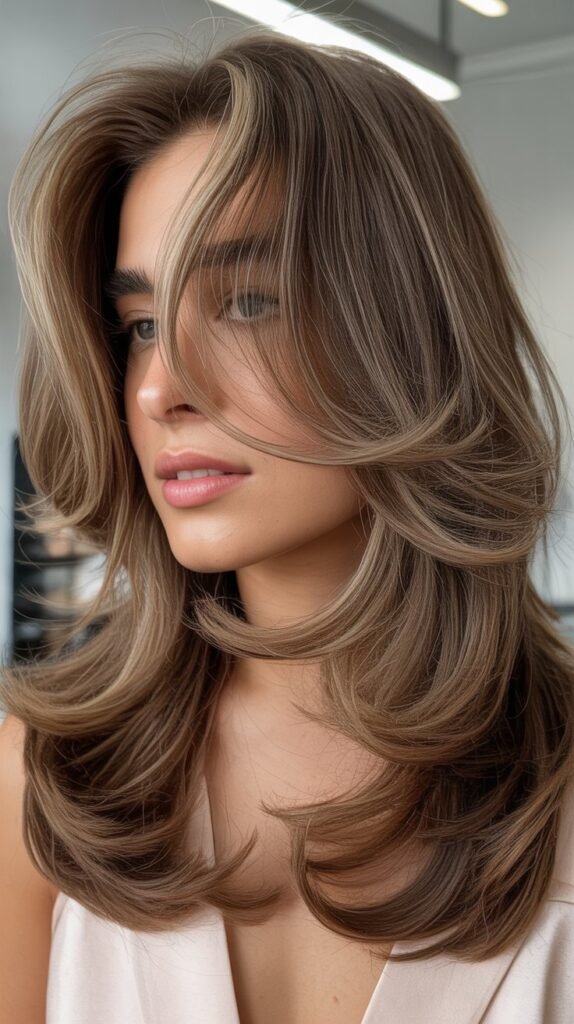
Internal layers add dimension and volume inside the hair while maintaining a smooth outer perimeter. This subtle technique provides body without obvious separation at the surface.
- Interior cutting removes bulk from within while preserving length and smooth surfaces
- The technique works exceptionally well for thick, dense hair needing movement
- Internal layers create natural volume without requiring extensive styling
- The refined appearance suits conservative professional environments
- Styling produces polished results with basic blow-drying techniques
- This approach maintains its benefits even as hair grows between appointments
- Maintenance every 10-14 weeks refreshes the interior texture and volume
16. Disconnected Layers
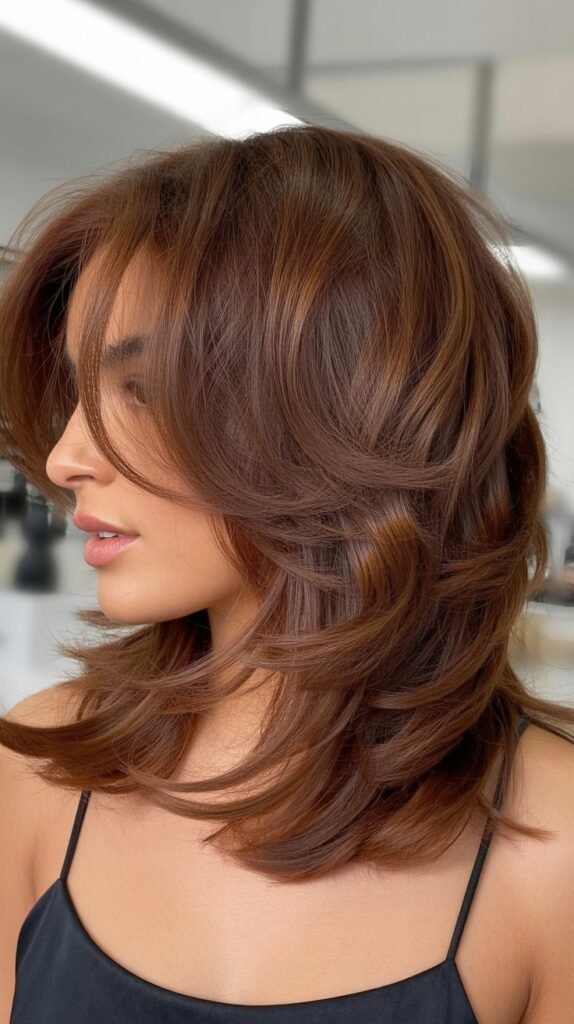
Disconnected layers feature intentional gaps between layer lengths, creating dramatic separation and texture. This advanced technique produces bold, contemporary results with significant movement.
- Layers intentionally skip certain lengths to create visual “disconnection”
- The technique adds maximum volume through extreme texturizing
- Disconnected layers work best on medium to thick hair densities
- This approach requires confidence and suits alternative, creative personal styles
- Styling embraces the separated, piece-y nature with texturizing products
- The cut demands an experienced stylist skilled in advanced techniques
- Maintenance every 6-8 weeks preserves the intentional disconnected structure
17. Swoopy Layers
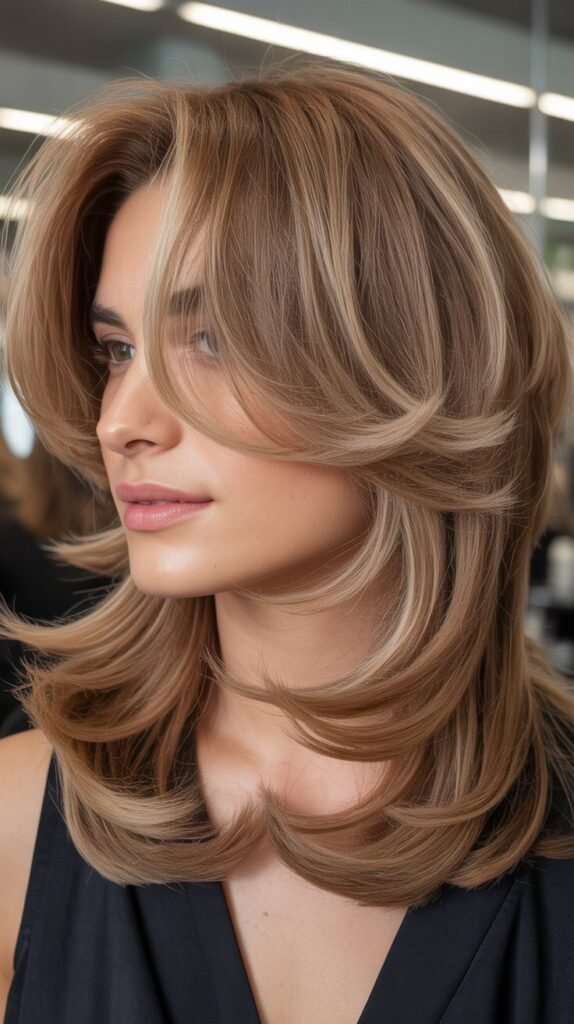
Swoopy layers emphasize curved, flowing movement that sweeps across the face and around the head. This feminine approach creates soft, romantic dimension with graceful lines.
- Cutting follows curved lines rather than straight angles
- The technique creates natural movement that flows in one direction
- Swoopy layers add volume through the curved stacking of lengths
- This approach complements oval and heart-shaped faces beautifully
- Styling emphasizes the curved nature with round brush blow-drying
- The romantic aesthetic suits those preferring feminine, soft styling
- Maintenance every 8-10 weeks maintains the swept, flowing shape
18. Tapered Layers
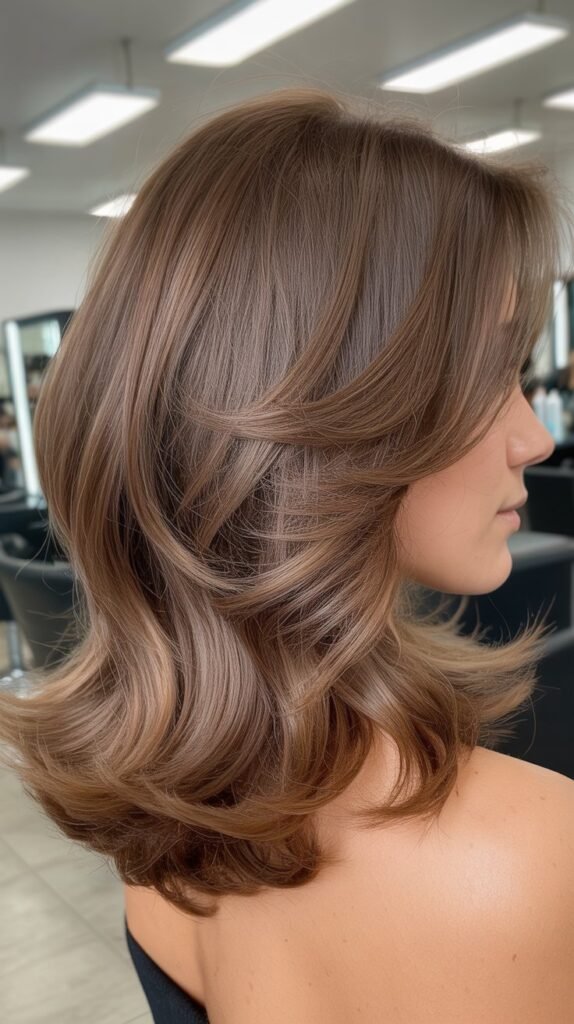
Tapered layers gradually thin toward the ends, creating lightweight, airy movement. This technique removes bulk progressively for a feathered, delicate finish.
- Tapering uses point-cutting or texturizing shears to thin hair gradually
- The technique prevents heavy, blunt ends that weigh hair down
- Tapered layers add volume by creating space and reducing weight
- This approach works well for medium to thick hair needing lightness
- Styling is simple, with natural textures appearing enhanced
- The delicate ends require regular conditioning to prevent dryness
- Maintenance every 8-10 weeks refreshes the tapered effect and removes split ends
19. Stacked Layers
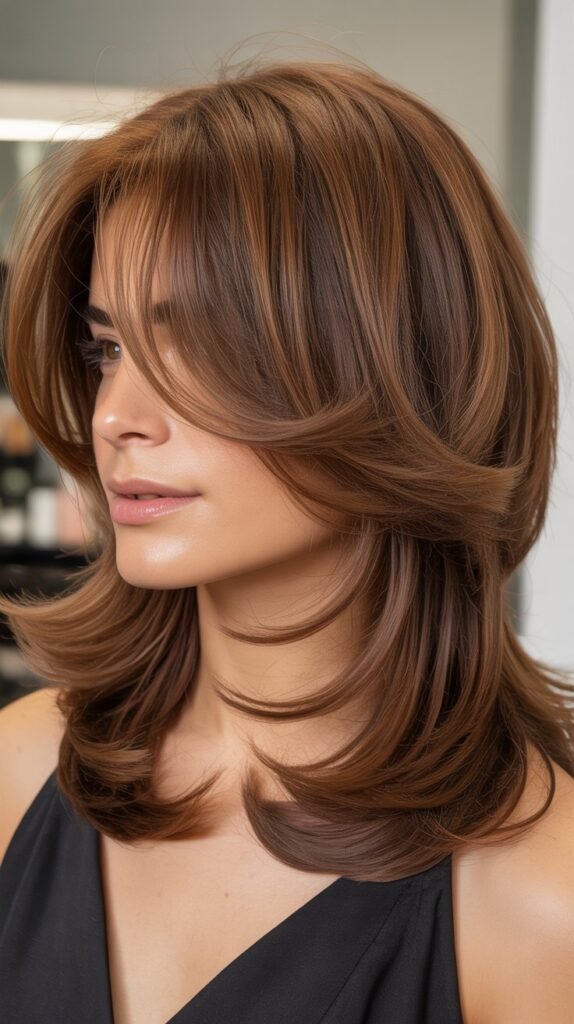
Stacked layers create concentrated volume at the back of the head through shorter, graduated layers in that area. This technique produces a rounded, voluminous silhouette with modern appeal.
- Layers stack closely together at the back, creating elevation and roundness
- The technique adds dramatic volume specifically where many people lack it
- Stacked layers work well for fine to medium hair densities
- This approach creates a youthful, contemporary aesthetic
- Styling emphasizes the stacked volume with blow-drying directed toward the crown
- The cut maintains its shape well, requiring less frequent styling effort
- Maintenance every 8-10 weeks preserves the stacked volume and graduated shape
20. Slide-Cut Layers
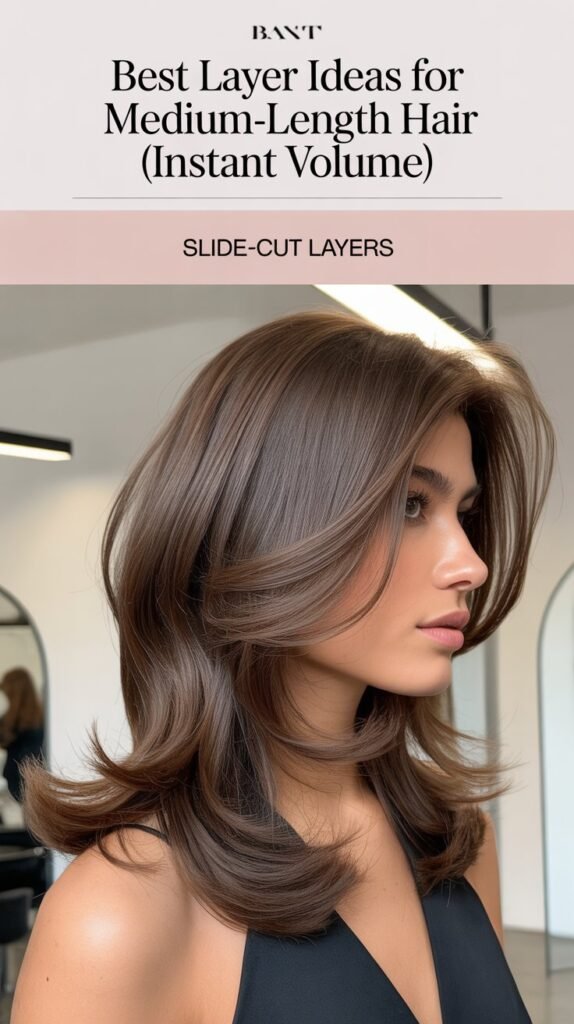
Slide-cut layers utilize a specialized cutting technique where scissors slide down the hair shaft, creating soft, seamless transitions. This method produces ultra-blended dimension with natural movement.
- The slide-cutting technique removes weight while maintaining density
- This method creates softer results than traditional point-cutting
- Slide-cut layers add volume through reduced bulk without obvious separation
- The technique works beautifully on all hair textures
- Styling produces polished, cohesive results with minimal effort
- The blended nature means longer-lasting results between appointments
- Maintenance every 10-12 weeks refreshes the seamless transitions
21. Butterfly Layers
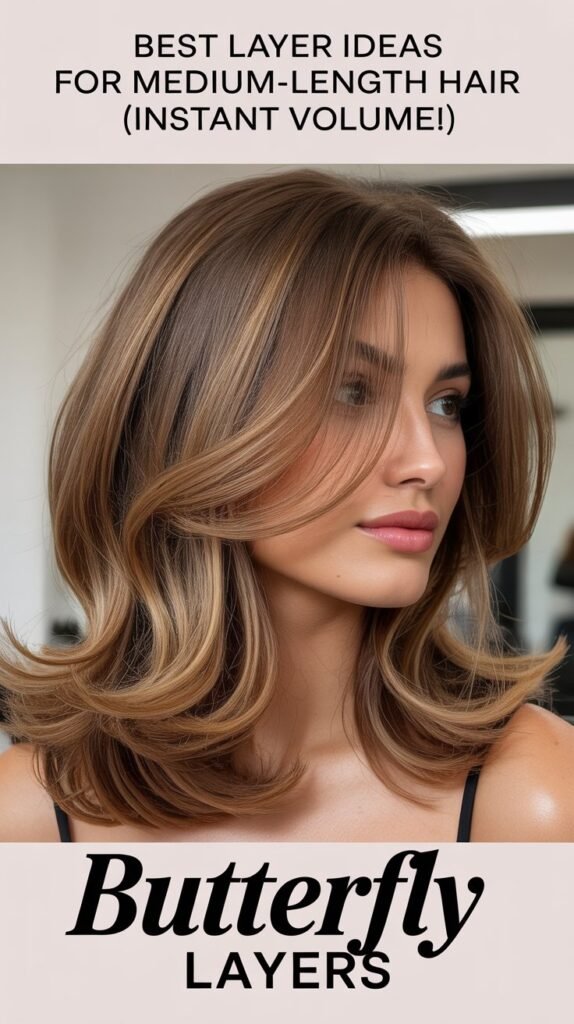
Butterfly layers create a distinctive shape with shorter layers concentrated at the crown that gradually lengthen downward, resembling butterfly wings. This trendy approach delivers maximum volume at the top.
- Shortest layers sit at the crown, creating significant elevation
- The technique produces a dramatic, fashion-forward silhouette
- Butterfly layers work best on straight to wavy hair textures
- This approach suits those wanting maximum crown volume
- Styling emphasizes the top layers with blow-drying and volumizing products
- The trendy cut appeals to younger demographics and social media aesthetics
- Maintenance every 6-8 weeks preserves the distinctive butterfly shape
22. Layered Shag with Fringe
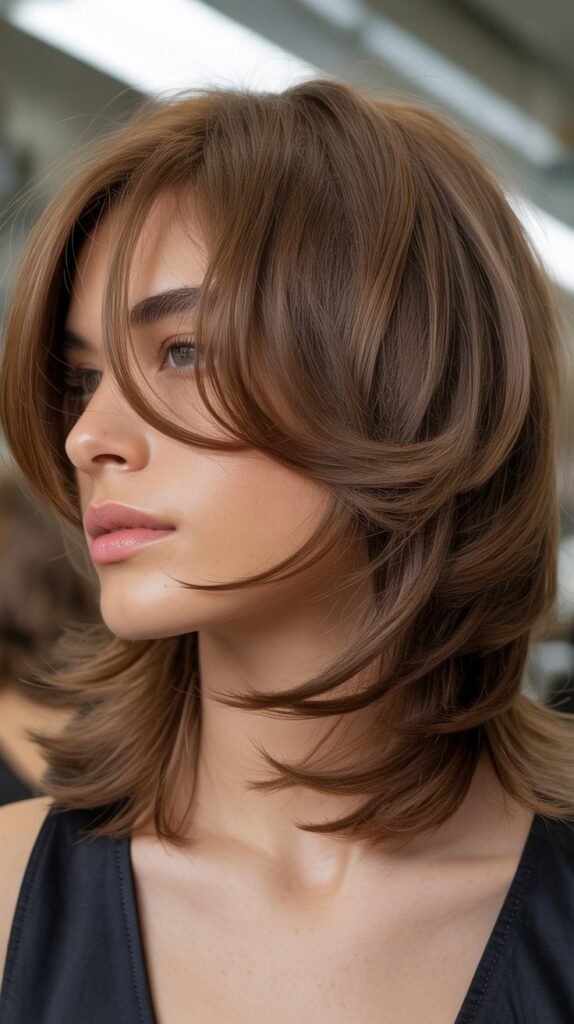
Layered shag with fringe combines heavy texturizing throughout with complementary bangs. This rock-inspired style creates maximum volume, movement, and personality.
- Multiple short layers throughout combine with textured fringe
- The technique delivers instant all-over volume and movement
- This approach works well for fine to medium hair needing body
- Layered shag with fringe suits creative, alternative personal styles
- Styling embraces natural texture with minimal effort required
- The low-maintenance nature appeals to busy lifestyles
- Maintenance every 6-8 weeks refreshes the heavy texturizing and fringe length
23. Soft Bouncy Layers
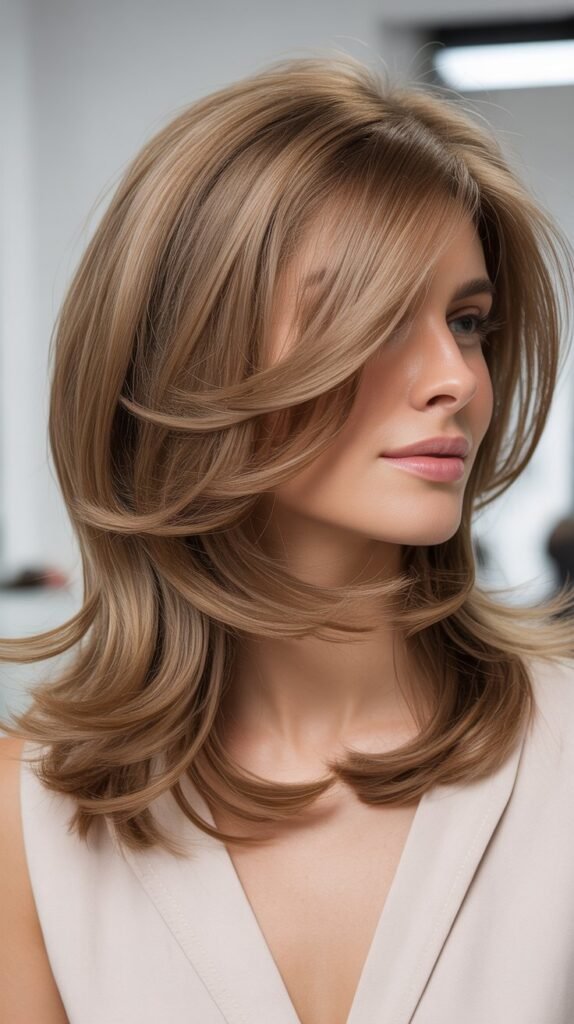
Soft bouncy layers emphasize movement and volume while maintaining a polished, feminine appearance. This approach creates hair that naturally falls with spring and liveliness.
- Layers are cut to encourage hair to lift and move naturally
- The technique creates a youthful, energetic aesthetic
- Soft bouncy layers work particularly well with naturally wavy to curly hair
- This approach adds volume throughout without heavy texturizing
- Styling emphasizes the bounce with volumizing mousses and diffusing
- The feminine result suits various age groups and settings
- Maintenance every 8-10 weeks preserves the bouncy shape and dimension
24. Wispy Layered Ends
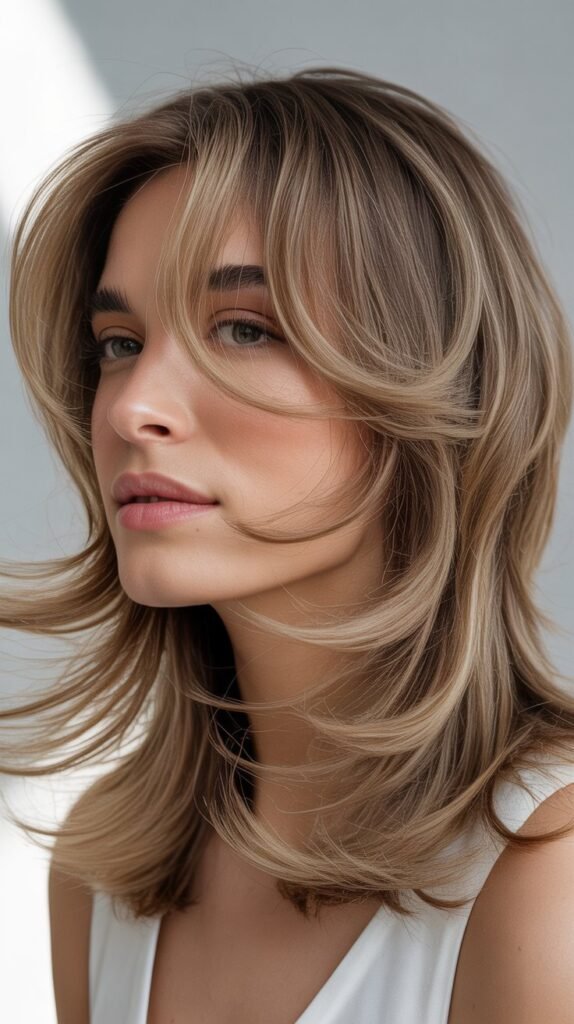
Wispy layered ends feature ultra-thin, delicate tips that create an ethereal, lightweight appearance. This technique removes maximum bulk while maintaining length.
- Point-cutting or razor techniques create the wispy effect
- The technique works best on medium to thick hair that can support thinned ends
- Wispy ends add volume by preventing hair from clumping together
- This approach creates a romantic, delicate aesthetic
- Styling is minimal, with natural textures appearing enhanced
- Regular conditioning prevents wispy ends from becoming dry or damaged
- Maintenance every 8-10 weeks refreshes the wispy texture and removes split ends
25. Crown Layers
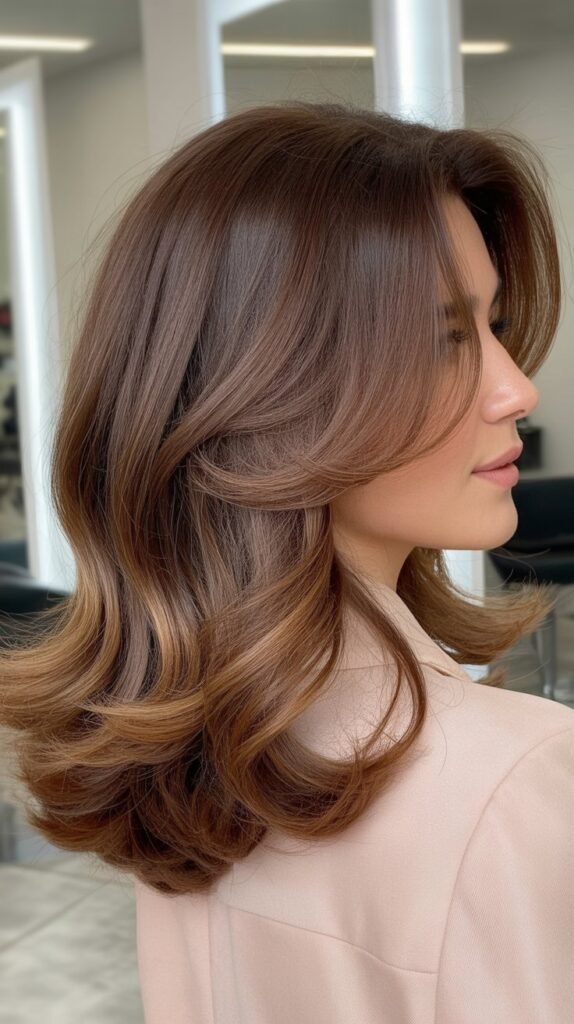
Crown layers focus volume-boosting dimension specifically at the top of the head while maintaining length elsewhere. This strategic approach addresses the common issue of flat roots.
- Shorter layers concentrate at the crown and gradually blend downward
- The technique creates targeted volume where it’s needed most
- Crown layers work well for those with fine hair or flat root issues
- This approach maintains length while solving volume problems
- Styling emphasizes the crown layers with blow-drying and root-lifting products
- The focused layering provides natural-looking volume without extreme cutting
- Maintenance every 8-10 weeks maintains the crown elevation and blended transitions
26. Piecey Textured Layers
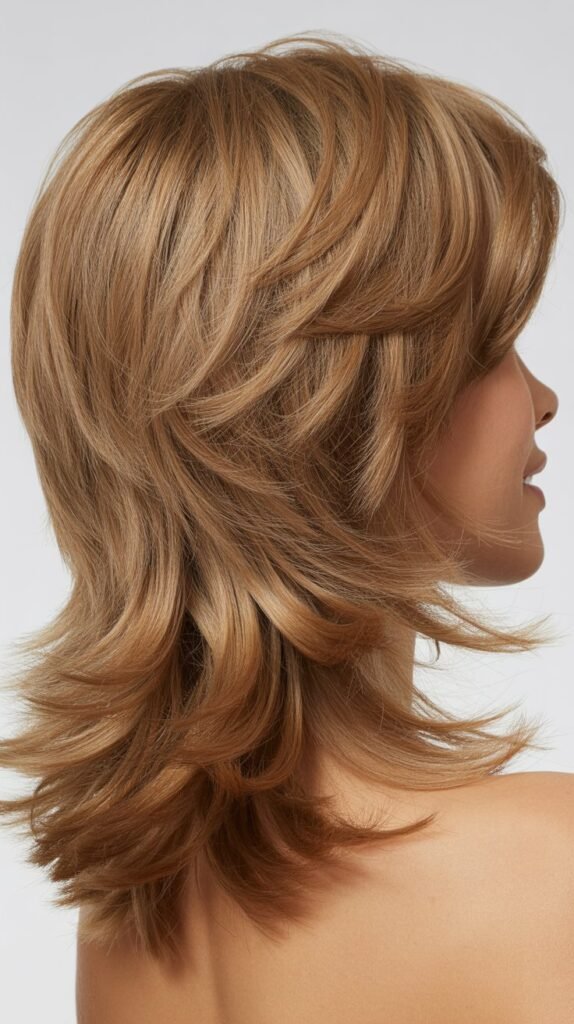
Piecey textured layers create intentionally separated, defined strands throughout the hair. This modern approach emphasizes individual pieces for dynamic, contemporary styling.
- Heavy texturizing creates pronounced separation between hair sections
- The technique adds significant volume through spaced-out strands
- Piecey layers work best with texturizing products for definition
- This approach suits modern, fashion-forward personal styles
- Styling emphasizes the separated nature with styling cream or paste
- The cut requires confidence and regular product use
- Maintenance every 6-8 weeks refreshes the heavy texturizing and piece definition
27. Beveled Layers
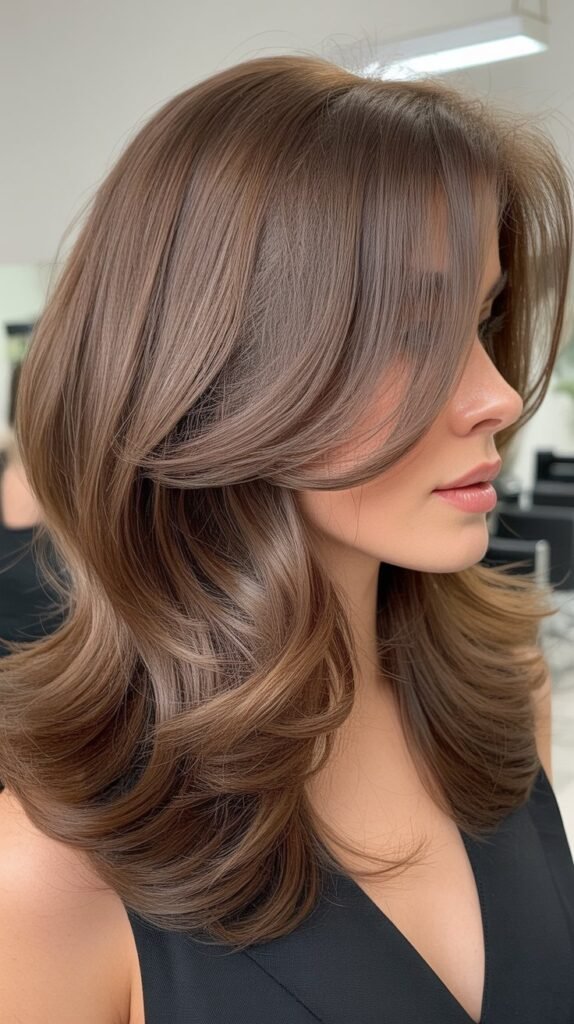
Beveled layers feature angled cutting that creates sloped dimension throughout. This geometric approach produces structured, sophisticated results with controlled volume.
- Beveling creates specific angles between layer levels
- The technique produces controlled, predictable volume and shape
- Beveled layers work well in professional, corporate environments
- This approach suits those wanting structured rather than organic layering
- Styling emphasizes the geometric nature with straightening tools
- The precise cutting requires an experienced, technical stylist
- Maintenance every 8-10 weeks preserves the beveled angles and structure
28. Layered with Balayage Placement
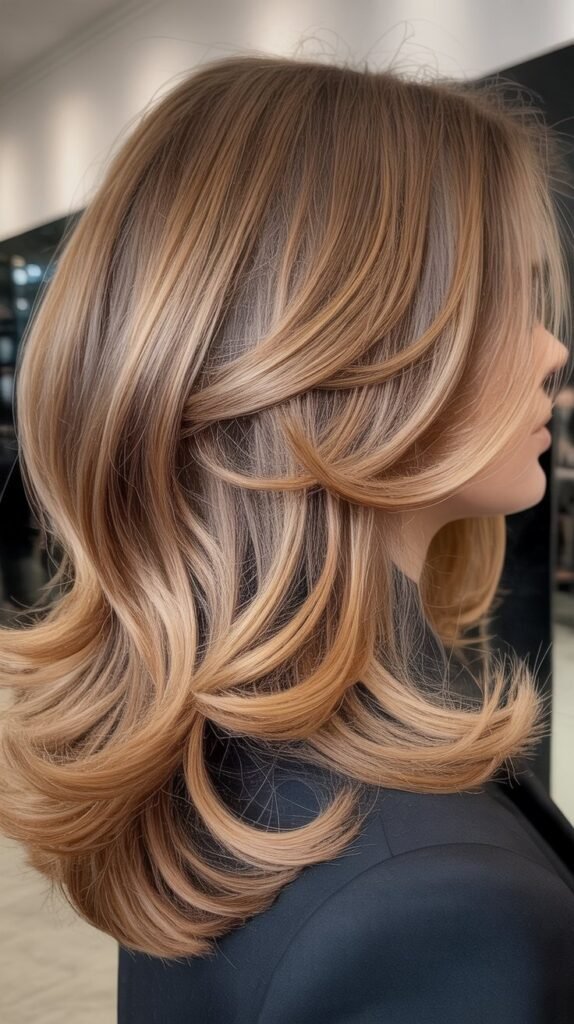
Layered cuts paired with strategic balayage coloring create enhanced dimension through combined cutting and coloring techniques. This coordinated approach maximizes depth and movement.
- Layers are placed to showcase hand-painted highlights optimally
- The combined technique creates the illusion of increased volume through color dimension
- This approach works beautifully for all hair colors and textures
- Coordinating cuts with color requires consultation with a skilled colorist
- Styling appears enhanced as layers catch and reflect varied tones
- Balayage placement on layered hair creates maximum dimensional impact
- Maintenance involves both cutting (every 8-10 weeks) and color refresh (every 10-14 weeks)
29. Layered Curls
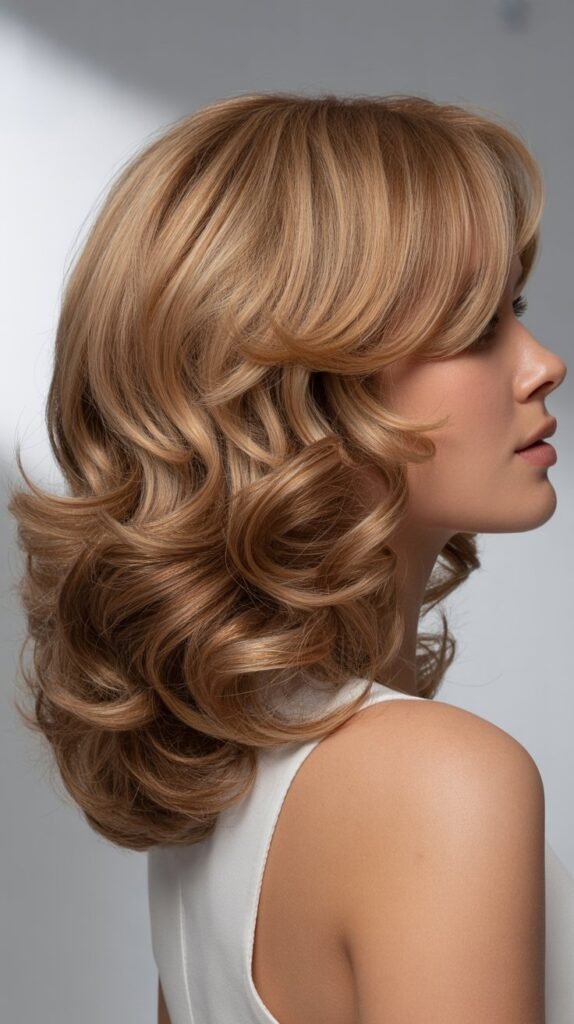
Layered curls utilize specialized cutting techniques designed specifically for curly hair patterns. This approach removes bulk, defines curl shape, and prevents triangular silhouettes.
- Curly hair requires dry cutting to see true curl pattern and layer placement
- The technique removes interior bulk while maintaining curl integrity
- Layered curls prevent the bottom-heavy appearance common in curly hair
- This approach creates natural volume through properly shaped curls
- Styling focuses on curl-defining products and diffusing techniques
- The specialized cutting demands a curl-experienced stylist
- Maintenance every 10-14 weeks preserves the curl-enhancing shape
30. Peek-a-Boo Layers
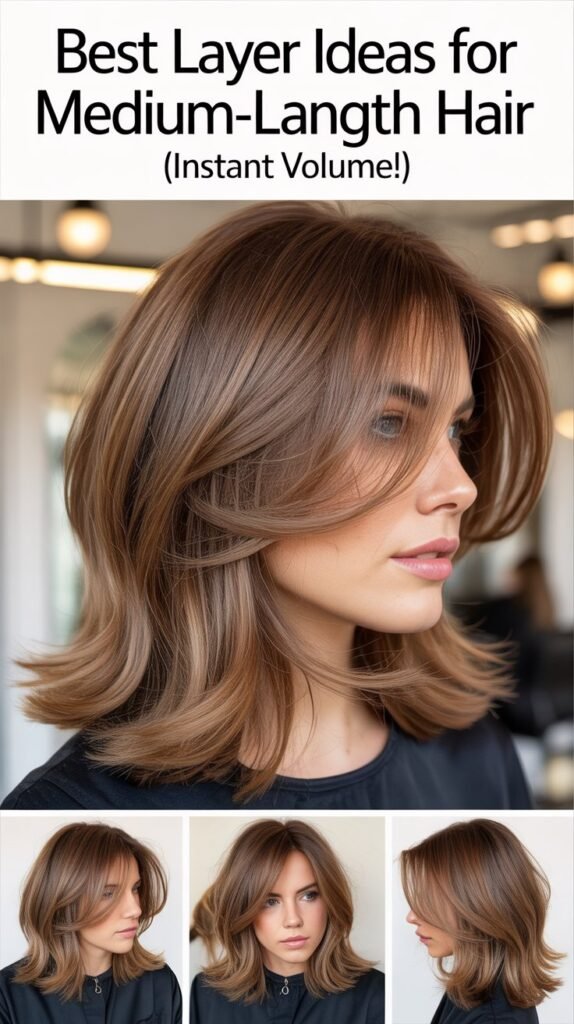
Peek-a-boo layers create hidden dimension that reveals itself through movement and parting changes. This subtle approach adds surprise elements and versatile styling options.
- Shorter layers hide beneath longer exterior lengths
- The technique creates dimension that appears gradually through movement
- Peek-a-boo layers add volume without obvious external separation
- This approach suits those wanting versatile styling with hidden texture
- Styling can emphasize or conceal the peek-a-boo layers depending on technique
- The playful nature appeals to various age groups
- Maintenance every 8-10 weeks refreshes the hidden layer placement
31. Diagonal Forward Layers
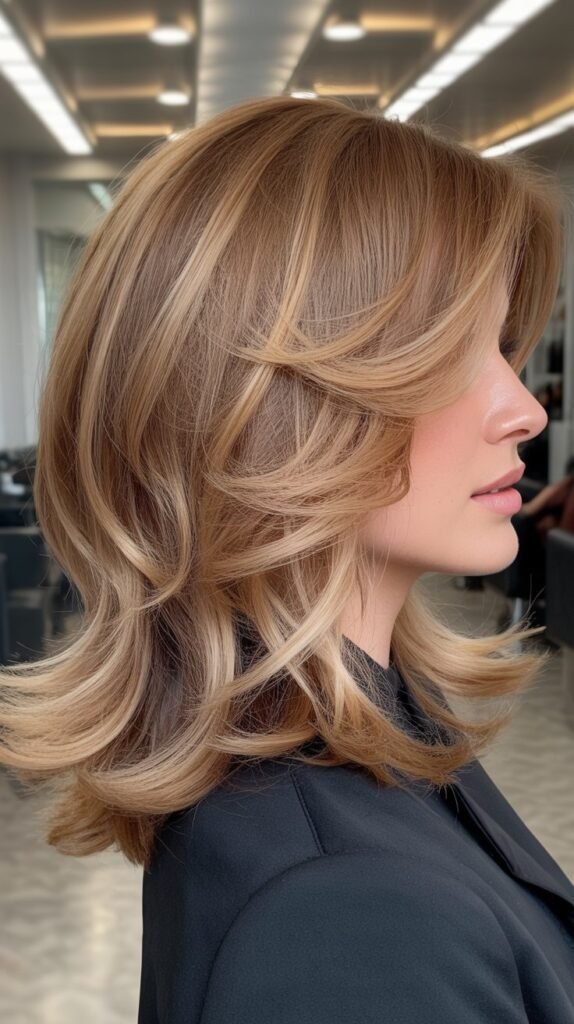
Diagonal forward layers angle toward the face, creating a distinctive forward-swept silhouette. This directional approach produces unique movement and face-framing dimension.
- Layers are cut at an angle pointing toward the front of the face
- The technique creates natural forward movement in the styling
- Diagonal layers add volume through the angled stacking effect
- This approach works well for highlighting facial features
- Styling emphasizes the forward direction with blow-drying techniques
- The unique cutting angle requires precision and experience
- Maintenance every 8-10 weeks maintains the forward diagonal angle
32. Micro Layers
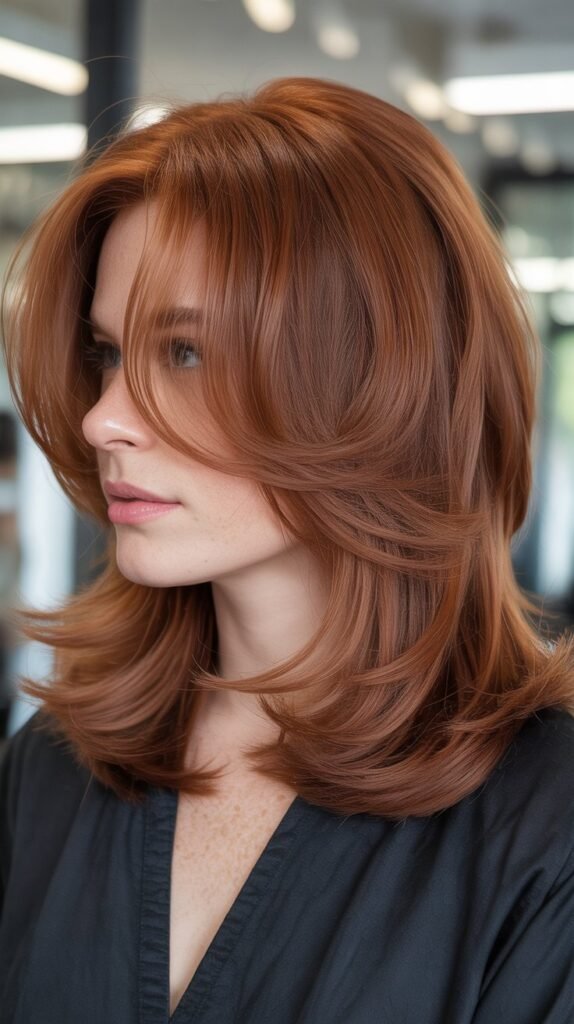
Micro layers feature very subtle, closely-spaced graduation that creates refined dimension without obvious separation. This delicate approach adds volume through minimal cutting intervention.
- Layer length variations are minimal, creating gentle transitions
- The technique adds volume without dramatic texture or separation
- Micro layers work well for those wanting conservative enhancement
- This approach suits professional environments requiring polished appearance
- Styling produces elegant results with standard techniques
- The subtle nature means longer-lasting results between cuts
- Maintenance every 10-12 weeks refreshes the gentle graduation
33. Layered with Undercut
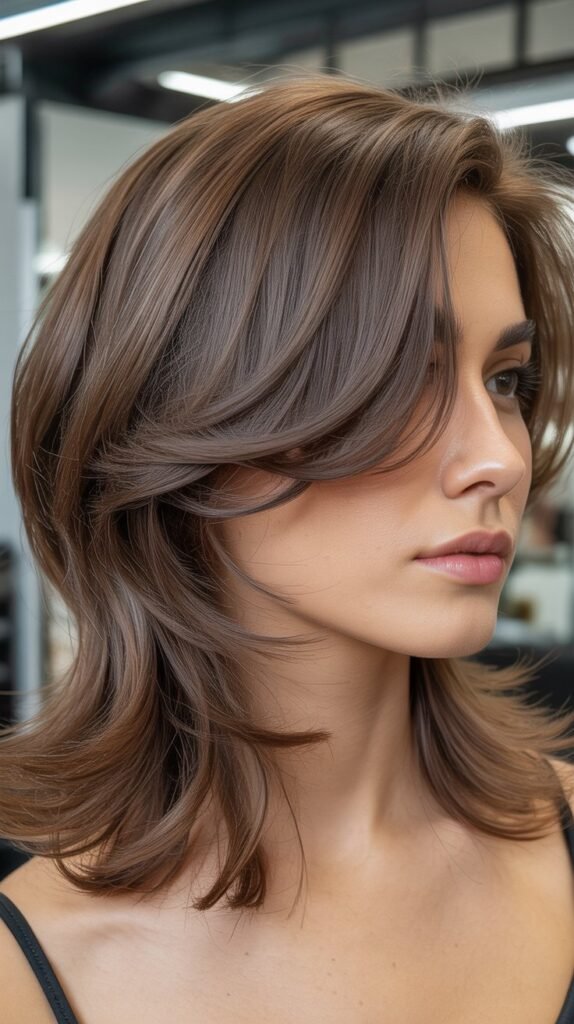
Layered cuts combined with hidden undercuts create dramatic dimension and unique styling versatility. This edgy approach reduces bulk while maintaining length and surface appearance.
- Undercut section remains hidden beneath top layers when hair is down
- The technique removes significant bulk and weight from thick hair
- Layered undercut combinations add volume on top through contrast
- This approach suits confident individuals comfortable with bold choices
- Styling can reveal or conceal the undercut depending on preference
- The dramatic contrast appeals to alternative and creative aesthetics
- Maintenance requires undercut refreshing every 4-6 weeks plus layer maintenance every 8-10 weeks
34. Flipped-Out Layers
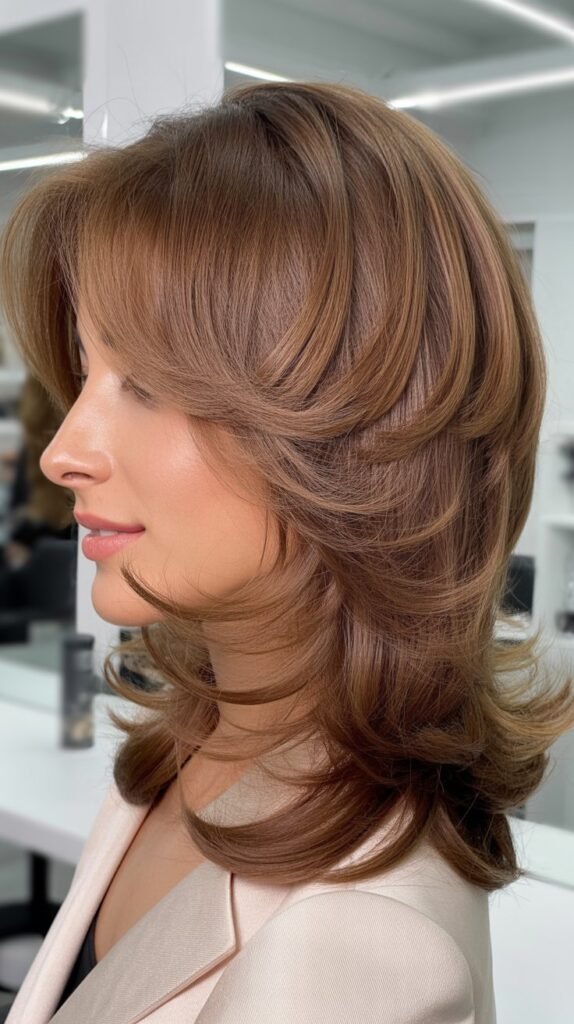
Flipped-out layers are specifically cut to encourage ends to turn outward, creating a playful, retro-inspired aesthetic. This technique produces instant volume at the ends through directional styling.
- Layers are cut to naturally flip outward with basic styling
- The technique creates a youthful, energetic appearance
- Flipped-out layers add volume specifically at the ends and mid-lengths
- This approach works best on straight to wavy hair textures
- Styling emphasizes the outward flip with round brush blow-drying
- The playful aesthetic suits various casual and creative environments
- Maintenance every 8-10 weeks preserves the flipped shape and layer placement
35. Layered Bob with Extended Nape
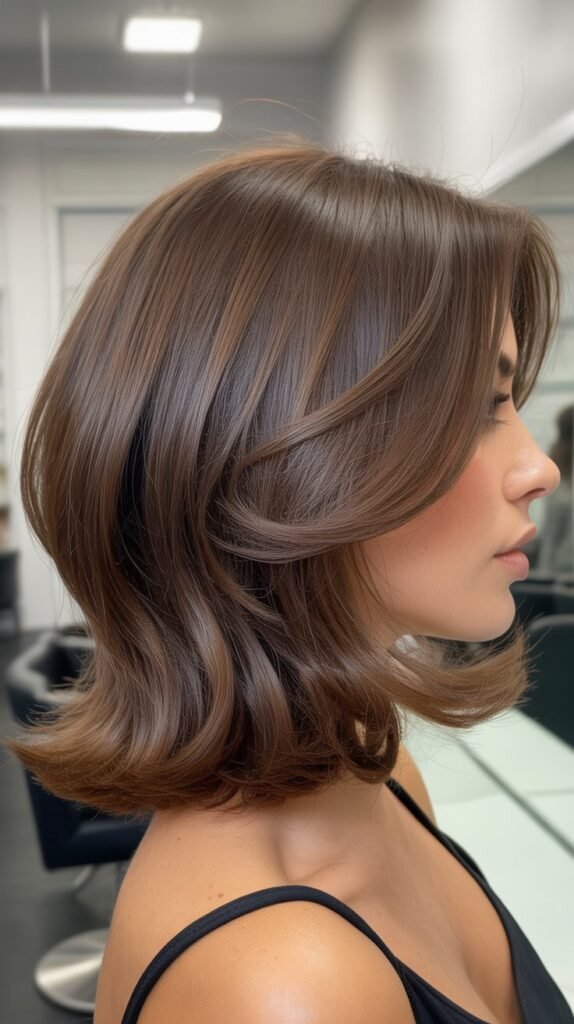
Layered bob with extended nape maintains extra length at the back while creating shorter, layered dimension throughout. This contemporary variation offers unique styling and silhouette interest.
- Front and side sections feature typical bob length with layers
- Back nape section extends longer, creating visual interest
- The technique adds volume through the contrasting lengths
- This approach suits those wanting modern, unconventional styling
- Styling can emphasize the length contrast or blend it subtly
- The unique cut requires a skilled stylist comfortable with creative cutting
- Maintenance every 8-10 weeks preserves the intentional length variations
36. Graduated Bob Layers
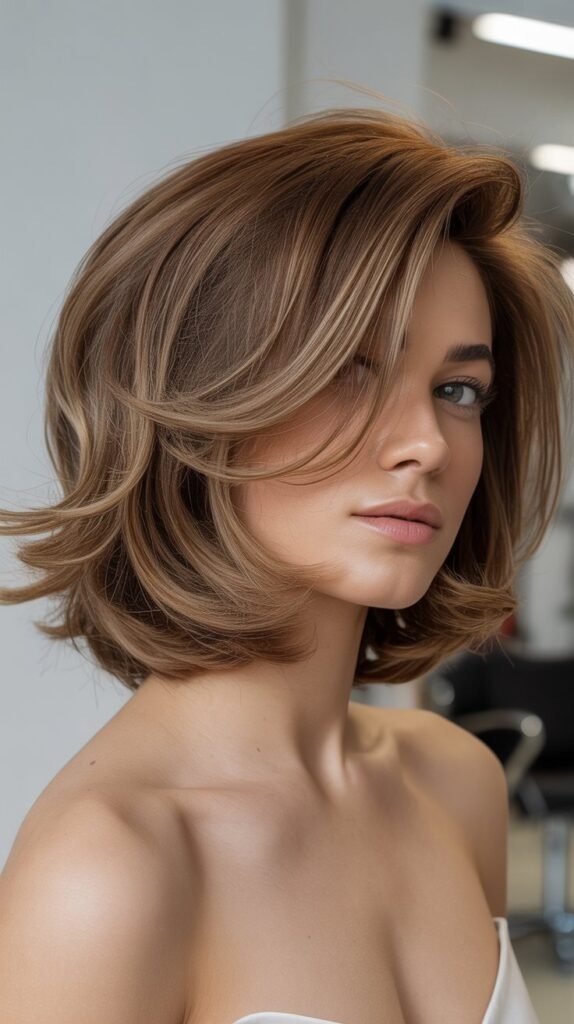
Graduated bob layers stack shorter at the back and gradually lengthen toward the front, creating an angled silhouette with internal dimension.
This classic approach delivers timeless sophistication with built-in volume.
- Back section features stacked, graduated layers creating elevation
- Front sections maintain longer lengths for face-framing benefits
- The technique produces natural volume at the crown and back
- Graduated bob layers suit oval, heart, and square face shapes
- Styling is straightforward, with the cut’s structure providing inherent shape
- This timeless approach works in professional and casual settings
- Maintenance every 8-10 weeks maintains the graduated angle and stacked volume
37. Layered with Hidden Rainbow
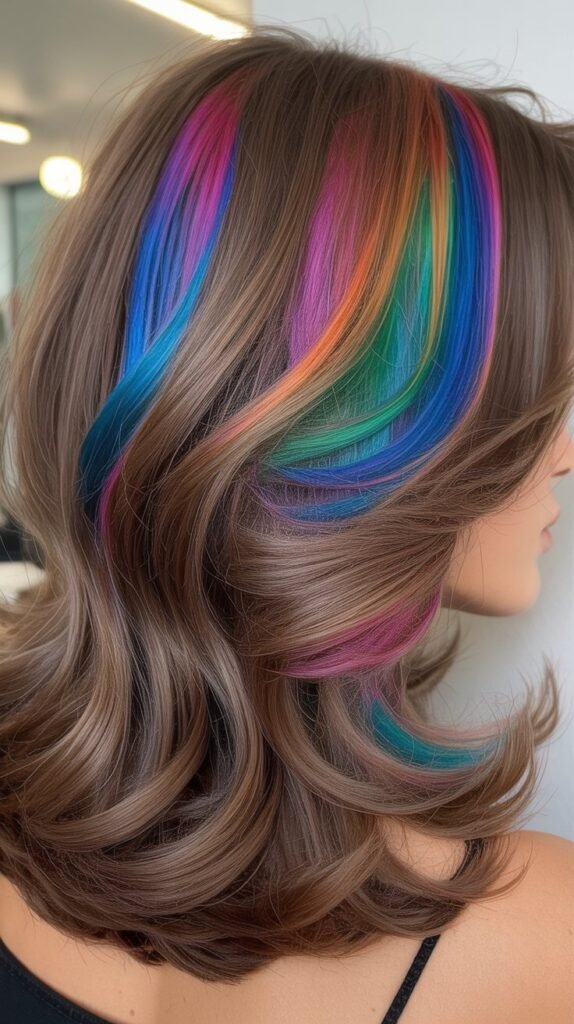
Layered cuts combined with hidden rainbow color placement create surprise dimension through color reveals. This playful approach adds visual volume and personal expression.
- Vibrant colors hide beneath natural-toned top layers
- The technique creates dimension through both cutting and creative coloring
- Layered rainbow combinations add perceived volume through color contrast
- This approach suits creative, expressive personal styles
- Styling can reveal or conceal the rainbow elements depending on preference
- The playful combination appeals to younger demographics and creative fields
- Maintenance requires both cutting (every 8-10 weeks) and color refresh (every 6-8 weeks for vivid colors)
Tips for Maintaining Layered Medium-Length Hair
Proper maintenance ensures your layers continue delivering volume and movement between salon appointments.
- Deep condition weekly to maintain healthy ends, especially with heavily textured or razor-cut layers
- Use volumizing products at the roots to enhance the lift that layers naturally provide
- Schedule regular trims every 6-12 weeks depending on your specific layer type and growth rate
- Sleep on silk or satin pillowcases to reduce friction and maintain layer definition
- Refresh layers between washes with dry shampoo and texturizing spray to restore volume
- Avoid heavy oils and serums that can weigh down layers and reduce volume
- Communicate clearly with your stylist about which layers are growing out too quickly
- Take photos of your layers when freshly cut to reference during future appointments
- Learn basic blow-drying techniques with a round brush to maximize your layer benefits at home
- Consider seasonal adjustments, adding more layers in summer for lightness and fewer in winter for warmth
How to Communicate Your Layer Preferences to Your Stylist
Effective communication with your hairstylist ensures you achieve the layered look you envision.
- Bring multiple reference photos showing your desired layers from different angles
- Discuss your daily styling routine honestly so layers match your lifestyle and effort level
- Explain your hair’s natural texture and how it behaves when air-dried versus styled
- Mention any previous layering experiences, both positive and negative
- Ask about maintenance requirements and frequency before committing to a style
- Discuss face-framing preferences and which features you want to highlight or minimize
- Be clear about how much length you’re willing to sacrifice for volume
- Ask your stylist to explain their planned approach before cutting begins
- Request guidance on products and tools needed to maintain your layers at home
- Establish realistic expectations about volume based on your natural hair density and texture
- Don’t hesitate to ask questions if you don’t understand terminology your stylist uses
Styling Products That Enhance Layered Volume
The right products amplify the volume-boosting benefits of layered cuts.
For Fine Hair:
- Volumizing mousse applied to damp roots before blow-drying creates lasting lift
- Root-lifting sprays target the areas where layers begin for maximum elevation
- Dry texturizing sprays add grit and separation without weighing hair down
- Lightweight finishing sprays hold volume without stiffness or residue
For Medium Hair:
- Sea salt sprays enhance natural texture and create piece-y separation in layers
- Texturizing creams define individual layers while maintaining flexibility
- Volumizing powders dusted at the roots provide targeted lift
- Light-hold hairsprays maintain layer movement throughout the day
For Thick Hair:
- Smoothing serums on ends prevent frizz while maintaining volume at roots
- Curl-enhancing creams define wavy layers and reduce bulk
- Anti-humidity sprays protect layered styles in challenging weather
- Dry shampoo absorbs oil that can weigh down layers between washes
Common Layering Mistakes to Avoid
Understanding potential pitfalls helps you achieve and maintain beautiful layered medium-length hair.
- Requesting too many layers can result in thin, straggly ends instead of voluminous dimension
- Cutting layers too short creates awkward growing-out phases that are difficult to style
- Ignoring your natural hair texture leads to layers that fight against your hair’s natural behavior
- Skipping regular trims causes layers to lose their shape and blend into one length
- Using heavy styling products weighs down layers and eliminates the volume they create
- Choosing trendy layers that don’t suit your face shape or lifestyle leads to dissatisfaction
- Attempting to DIY trim layers at home often creates uneven, unflattering results
- Neglecting to discuss styling commitment with your stylist results in high-maintenance cuts you can’t manage
- Copying celebrity layers without considering different hair density, texture, and professional styling teams
- Over-washing layered hair strips natural oils needed for healthy, bouncy layers
- Using heat styling tools without protection damages the delicate ends of layers
Face Shape Considerations for Layered Cuts
Different layering approaches complement various face shapes for optimal results.
Oval Face:
- Most layer styles work beautifully with oval face proportions
- Face-framing layers enhance already balanced features
- Both short and long layer variations complement oval shapes
- Experiment freely with trendy layering techniques
Round Face:
- Longer face-framing layers create vertical lines that elongate
- Avoid layers that end at the widest part of cheeks
- V-shaped or U-shaped layers add length perception
- Side-swept layers with volume at the crown create flattering proportions
Square Face:
- Soft, feathered layers soften angular jawlines
- Face-framing pieces that curve around the face add softness
- Avoid blunt, geometric layers that emphasize squareness
- Layers starting below the jawline create flattering balance
Heart Face:
- Layers that add width at the jawline balance a narrower chin
- Chin-length face-framing layers work particularly well
- Avoid excessive volume at the crown which widens the forehead
- Outward-flipped layers near the chin create ideal proportions
Long Face:
- Layers that add width at the sides minimize length
- Avoid long vertical layers that elongate further
- Choppy, textured layers add horizontal dimension
- Layers concentrated at cheek and chin level create balance
Layering for Different Hair Textures
Hair texture significantly impacts how layers perform and appear.
Straight Hair:
- Shows layer lines most clearly, making precision cutting essential
- Benefits from all layer types, from subtle to dramatic
- Internal layers add movement to naturally flat hair
- Requires regular trims to maintain clean layer definition
- Styling with heat tools enhances layer dimension
Wavy Hair:
- Layers prevent the triangular shape wavy hair naturally creates
- Works beautifully with most layer variations
- Enhances natural wave pattern when cut properly
- Requires moisture to prevent frizzy layer ends
- Air-drying often produces excellent layered results
Curly Hair:
- Demands specialized layering techniques and curl-experienced stylists
- Removes bulk while maintaining curl integrity
- Should be cut dry to see true curl pattern
- Prevents pyramid shapes through strategic layer placement
- Requires curl-specific products for optimal layer definition
Fine Hair:
- Benefits tremendously from volumizing layer techniques
- Avoid over-layering which creates thin, wispy ends
- Choppy and shaggy layers add significant body
- Requires lightweight products that don’t weigh down layers
- Regular trims prevent fine layers from looking straggly
Thick Hair:
- Internal and razor-cut layers remove oppressive bulk
- Can support dramatic layering without losing density
- Benefits from thinning techniques within layers
- Requires products that control volume while maintaining movement
- May need more frequent trims as thick hair grows quickly
Seasonal Layer Adjustments
Adapting your layers seasonally optimizes comfort and style throughout the year.
Spring/Summer Adjustments:
- Add more layers to reduce weight and heat retention
- Incorporate face-framing pieces that can be pinned back in humidity
- Consider shorter layers that dry quickly after swimming or sweating
- Request texturizing for beachy, effortless warm-weather styling
- Lighter layers work well with summer’s natural texture and air-drying
Fall/Winter Adjustments:
- Reduce extreme layering to maintain warmth and coverage
- Keep longer lengths for neck warmth and protective styling options
- Focus on internal layers that add dimension without sacrificing coverage
- Maintain healthy layer ends against dry winter air with deep conditioning
- Consider styles that accommodate hats and scarves without losing shape
Budget Considerations for Layered Haircuts
Understanding cost factors helps you plan for achieving and maintaining layered medium-length hair.
- Experienced stylists skilled in advanced layering techniques typically charge premium prices
- Specialized cutting methods like razor or curly cutting may cost more than standard scissor cuts
- Maintenance frequency directly impacts annual hair care costs
- Some layer types require more frequent trims, increasing long-term expenses
- Coordinating layers with color services (like balayage) adds significant cost
- High-quality styling products needed for certain layer types represent ongoing investment
- Geographic location substantially affects salon pricing for layered cuts
- Initial consultation appointments may carry separate fees at upscale salons
- Correction cuts if you’re unsatisfied with layers cost additional money
- Budget-friendly options include requesting simpler layer types requiring less frequent maintenance
- Professional haircut costs vary widely based on salon reputation, location, and stylist experience
Conclusion
The 37 Best Layer Ideas for Medium-Length Hair (Instant Volume!) offer endless possibilities for transforming flat, lifeless hair into a dynamic, dimensional masterpiece.
From classic long layers that provide timeless elegance to bold butterfly layers that make a contemporary statement, there’s a perfect layering technique for every hair type, face shape, and personal style.
The key to success lies in understanding your hair’s unique characteristics, communicating effectively with a skilled stylist, and committing to the maintenance your chosen layers require.
Whether you prefer subtle sophistication or dramatic edge, strategic layering unlocks the instant volume and movement you’ve been seeking.
By selecting the right layer approach from this comprehensive guide and following proper care techniques, you’ll enjoy hair that looks professionally styled with minimal effort, turning heads wherever you go while finally achieving the bouncy, voluminous hair of your dreams.