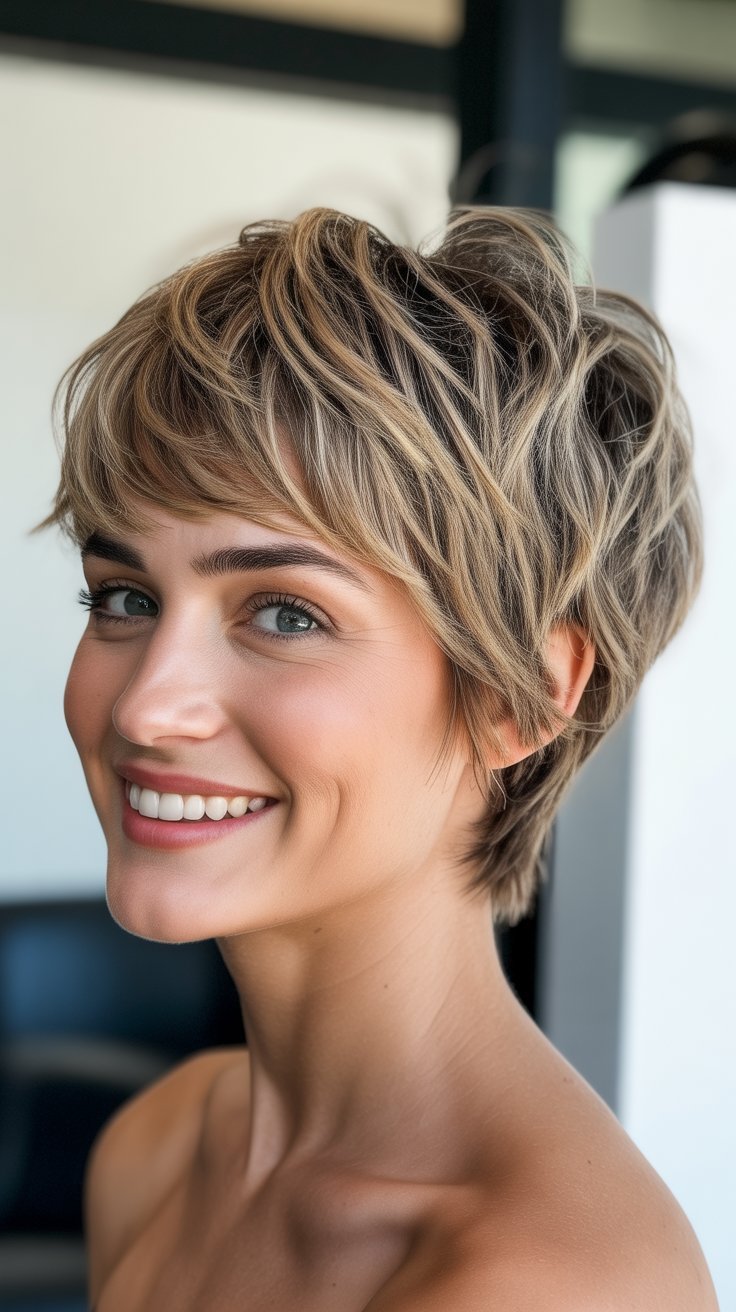
Are you ready to embrace a bold, liberating hairstyle that combines effortless charm with modern sophistication?
Short shaggy pixie haircuts have taken the beauty world by storm, offering a perfect blend of texture, movement, and personality that flatters virtually every face shape and hair type.
Whether you’re seeking a dramatic transformation or a subtle refresh, 29 Fresh Short Shaggy Pixie Haircuts will guide you through the most stunning variations of this timeless yet contemporary style.
From edgy choppy layers to soft feathered textures, you’ll discover how these versatile cuts can enhance your natural features, reduce styling time, and boost your confidence with minimal maintenance.
This comprehensive guide explores everything from classic interpretations to avant-garde versions, complete with styling tips, color recommendations, and expert insights to help you choose the perfect shaggy pixie that matches your lifestyle and aesthetic preferences.
1. Classic Textured Shaggy Pixie
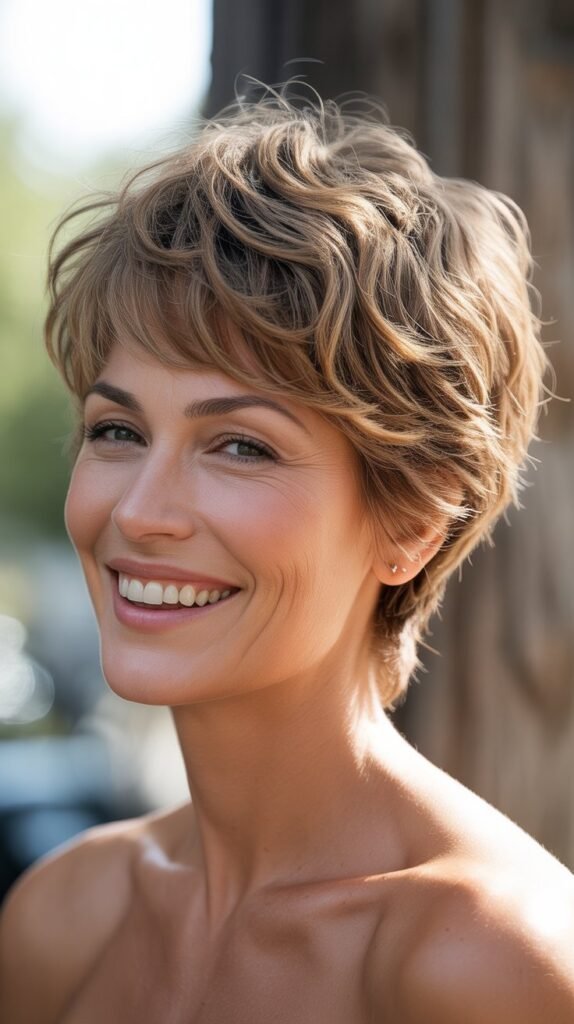
The classic textured shaggy pixie serves as the foundation for all modern variations, featuring choppy layers throughout the crown and sides that create natural volume and movement.
This timeless style works beautifully for women seeking a low-maintenance yet polished appearance that transitions seamlessly from professional settings to casual outings.
- The defining characteristic of this cut involves strategically placed layers that graduate from longer lengths on top to shorter sections at the nape and sides.
- Stylists achieve the signature shaggy texture through point-cutting and razor techniques that remove bulk while adding dimension.
- This versatile style flatters oval, heart-shaped, and oblong face shapes by balancing proportions and drawing attention to the eyes.
- Maintenance requires trims every 4-6 weeks to preserve the shape and prevent the style from losing its intentional disheveled appearance.
- Styling takes minimal effort with a lightweight texturizing product and fingers to enhance the natural texture and create piece-y definition.
- The classic version works exceptionally well for medium to thick hair densities that can support the layered structure.
- Color techniques like babylights or subtle balayage add depth and enhance the multidimensional quality of the textured layers.
2. Asymmetrical Shaggy Pixie with Side Sweep
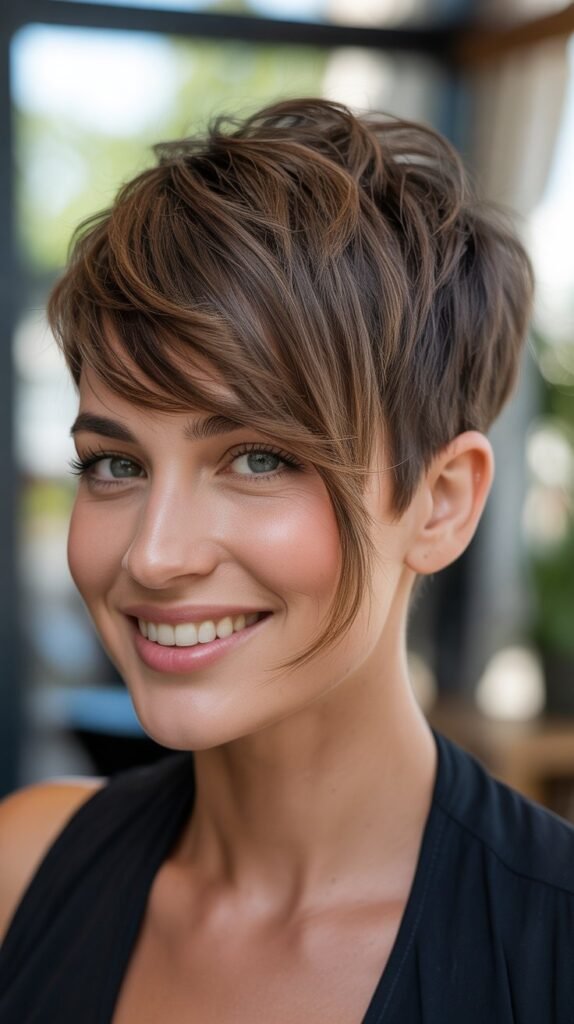
The asymmetrical shaggy pixie with side sweep introduces an edgy, fashion-forward element through uneven lengths that create striking visual interest and modern appeal.
This bold variation features one side cut shorter while the opposite side maintains longer layers that can be swept across the forehead or tucked behind the ear.
- The asymmetry creates a dynamic silhouette that draws the eye diagonally across the face, elongating facial features.
- Longer sections typically measure 3-5 inches on one side while the shorter side stays close to 1-2 inches for maximum contrast.
- This style particularly flatters square and round face shapes by creating angular lines that soften jawlines and add definition.
- The side-swept fringe component can be customized to fall across the eyebrow or extend toward the cheekbone depending on preference.
- Styling requires a blow dryer with a concentrator nozzle to direct the longer section across the face and a small amount of pomade for hold.
- Regular trims every 3-4 weeks maintain the stark contrast between the two sides and prevent the style from appearing unintentionally uneven.
- Bold color choices like platinum blonde on the longer side contrasted with darker roots amplify the asymmetrical effect.
3. Choppy Layered Pixie with Micro Bangs
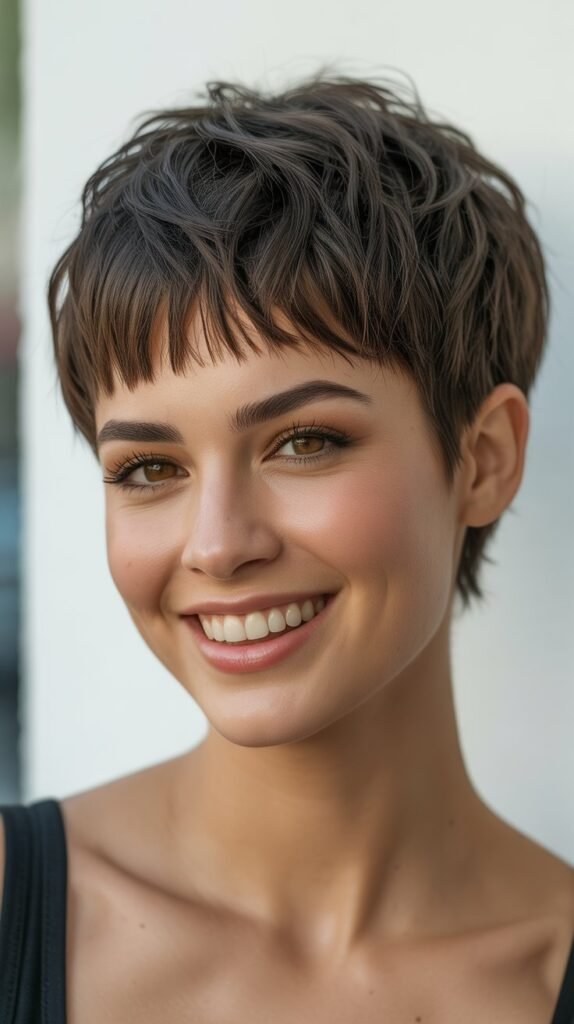
The choppy layered pixie with micro bangs makes a daring statement by combining heavily textured layers with ultra-short fringe that sits well above the eyebrows.
This avant-garde style appeals to trendsetters who embrace unconventional beauty standards and want to showcase their facial features prominently.
- Micro bangs typically measure between half an inch to one inch in length, creating a striking frame for the eyes and forehead.
- The choppy layers throughout the rest of the cut contrast with the blunt nature of the micro fringe for textural variety.
- This combination works best for those with balanced facial proportions and confidence to carry such a bold, attention-grabbing style.
- Face shapes with prominent cheekbones and defined jawlines are particularly enhanced by this cut’s structure.
- Styling involves applying a matte clay or paste to create separation between layers while keeping the micro bangs in place.
- The high-maintenance nature requires frequent trims every 2-3 weeks to keep the micro bangs at the desired length.
- Unconventional colors like pastel pink, silver, or vivid red complement the edgy nature of this pixie variation.
4. Feathered Shaggy Pixie for Fine Hair
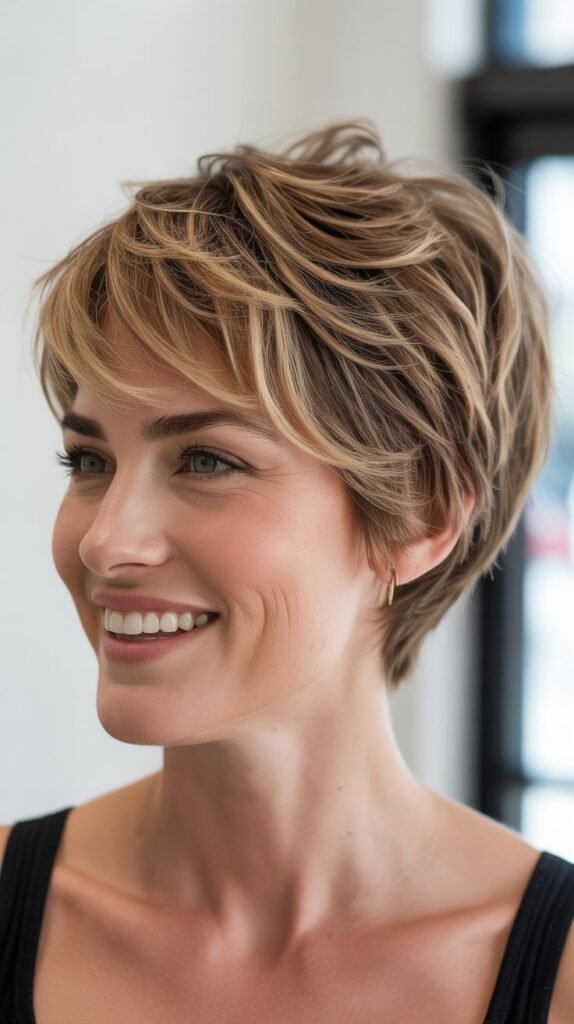
The feathered shaggy pixie for fine hair employs specific cutting techniques designed to maximize volume and create the illusion of fuller, thicker hair through wispy, tapered ends.
This delicate interpretation prioritizes movement and airiness rather than heavy texture, making it ideal for those with naturally thin or fine hair textures.
- Feathering involves using scissors or razors to create soft, tapered ends that blend seamlessly and appear to float away from the head.
- The technique removes minimal weight, preserving as much hair density as possible while still achieving the shaggy aesthetic.
- Layers are strategically concentrated at the crown to boost height and create lift at the roots.
- This style particularly benefits from volumizing products applied at the roots before blow-drying to enhance the lightweight texture.
- Fine hair requires less frequent washing (every 2-3 days) to maintain natural oils that provide grip and volume.
- Highlights or lowlights in complementary shades add dimension that makes fine hair appear fuller and more substantial.
- The maintenance schedule can extend to 6-8 weeks between cuts since the feathered ends grow out gracefully without losing shape dramatically.
5. Shaggy Pixie with Undercut Design
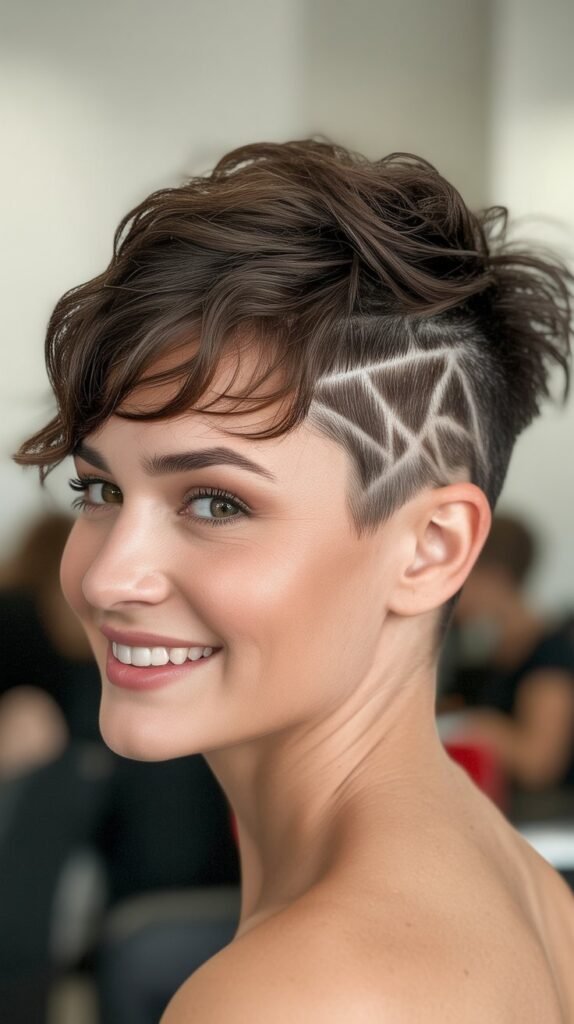
The shaggy pixie with undercut design merges two powerful trends by maintaining textured length on top while incorporating shaved or closely cropped sections underneath.
This hybrid style offers versatility as the undercut can remain hidden or displayed depending on styling preferences.
- The undercut typically extends from the nape up to the occipital bone, though some variations include side undercuts near the temples or ears.
- Top layers are left intentionally longer (3-5 inches) to create a dramatic contrast with the shaved sections when hair is pulled up or styled away.
- This design provides excellent cooling benefits during warm weather and reduces overall hair density for those with thick, heavy hair.
- Creative undercut patterns like geometric shapes, lines, or nature-inspired designs add personalized artistic elements.
- Styling versatility allows the hair to be worn down to conceal the undercut for professional settings or slicked back to showcase the design.
- Maintenance requires touch-ups every 2-3 weeks for the shaved sections to prevent shadow growth from obscuring the design.
- Bold color applications on the longer top section paired with natural color or contrasting shades on the undercut create striking visual effects.
6. Tousled Shaggy Pixie with Long Crown
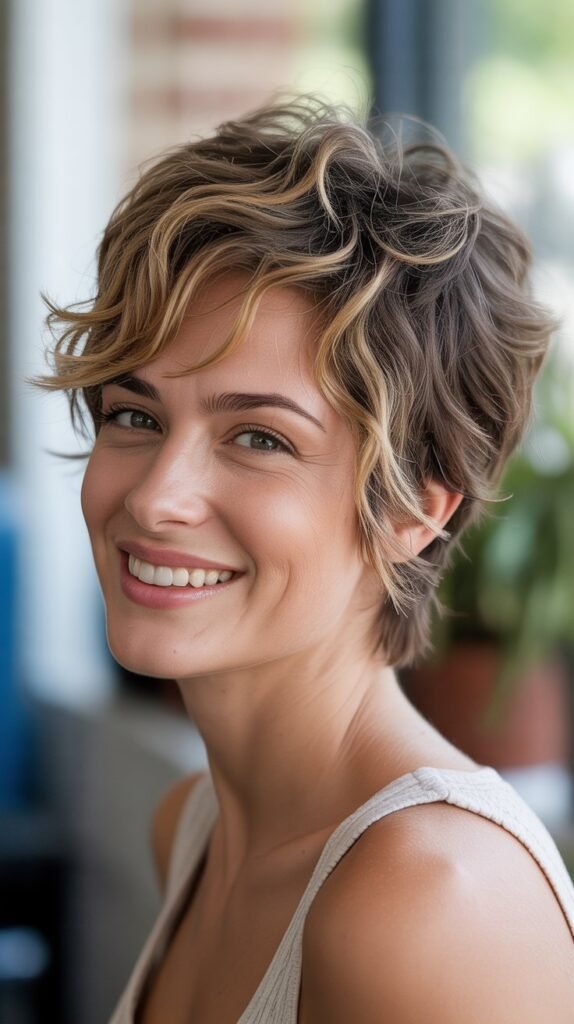
The tousled shaggy pixie with long crown emphasizes height and volume at the top of the head while keeping sides and back relatively short, creating a balanced silhouette that elongates the face.
This variation proves particularly flattering for round face shapes and those seeking to add vertical dimension to their overall appearance.
- Crown sections typically measure 4-6 inches in length, allowing for significant styling versatility and dramatic height when desired.
- The tousled texture is achieved through random, piece-y layers that create an intentionally undone, bedhead-inspired aesthetic.
- Shorter sides (1-2 inches) and tapered back sections prevent the style from appearing top-heavy while maintaining the focus upward.
- This structure works exceptionally well for showcasing natural waves or curls in the longer crown area.
- Styling involves applying volumizing mousse to damp hair, blow-drying while lifting sections at the roots, and finishing with texturizing spray.
- The longer crown allows for creative styling options including small braids, twisted sections, or slicked-back variations for special occasions.
- Balayage or ombré color techniques that transition from darker roots to lighter ends emphasize the height and dimension of the crown.
7. Curly Shaggy Pixie Cut
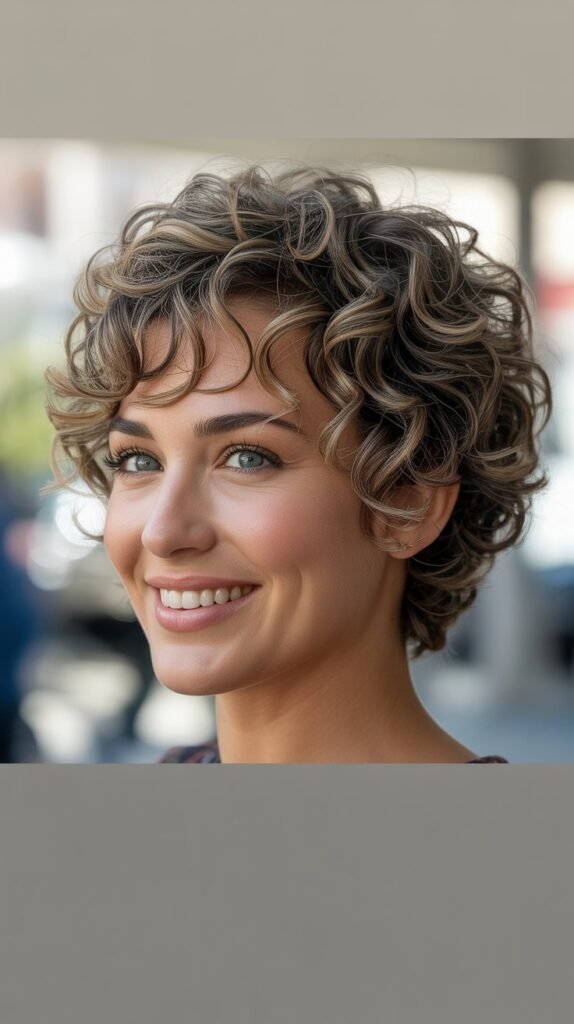
The curly shaggy pixie cut celebrates natural curl patterns while incorporating strategic layering that prevents the triangular shape often associated with short curly styles.
This texture-embracing variation allows curls to spring freely while maintaining a balanced, flattering silhouette.
- Layering for curly hair differs from straight hair techniques, requiring dry cutting methods that account for curl spring and shrinkage.
- The shaggy element comes from removing bulk through internal layering rather than aggressive surface texturizing that can create frizz.
- Curl types from 2C waves to 4C coils can all be adapted to this pixie variation with adjustments to layer placement and density reduction.
- Moisture-rich products including leave-in conditioners and curl-defining creams are essential for maintaining healthy, defined curls.
- The wash-and-go nature of curly shaggy pixies makes them exceptionally low-maintenance for daily styling routines.
- Regular trims every 6-8 weeks maintain shape without sacrificing length, as curly hair can tolerate longer growth periods between cuts.
- Highlights placed strategically around the face illuminate curls and create depth that showcases the natural texture’s beauty.
8. Platinum Blonde Shaggy Pixie
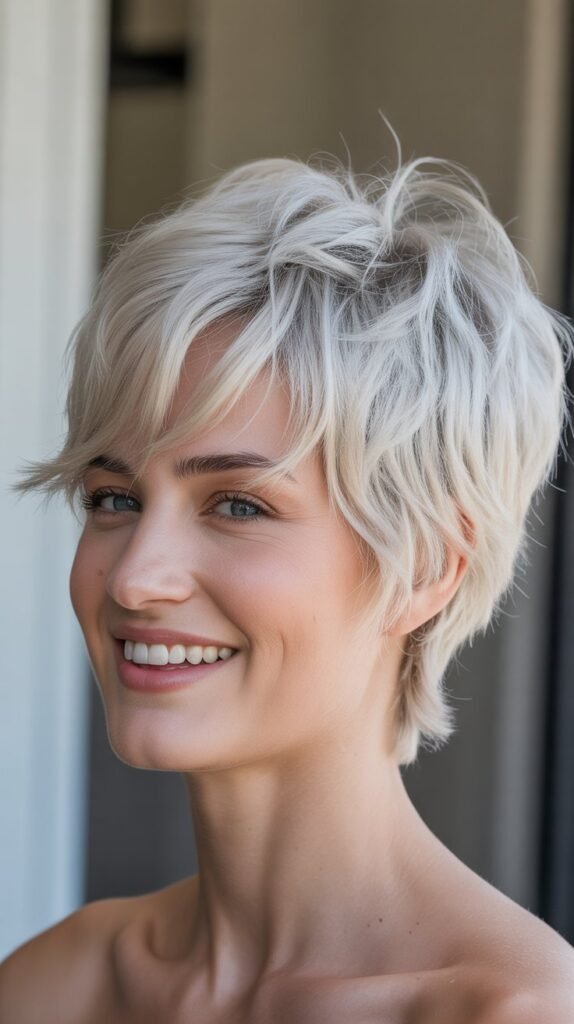
The platinum blonde shaggy pixie combines the structural elements of textured layering with the striking visual impact of ultra-light hair color that commands attention.
This high-maintenance but stunning variation requires commitment to both cut and color upkeep but delivers a fashion-forward, editorial aesthetic.
- Achieving platinum blonde requires professional color services, often involving multiple lifting sessions to remove natural pigment without excessive damage.
- The light color naturally highlights the dimension created by shaggy layers, making texture appear more pronounced and dramatic.
- Purple-toning shampoos and treatments are essential for maintaining the cool, ice-blonde tone and preventing brassiness.
- The contrast between platinum hair and darker eyebrows creates striking facial definition that enhances features.
- Regular deep conditioning treatments (weekly) maintain hair health and prevent the brittleness associated with heavily lightened hair.
- Color touch-ups are necessary every 4-6 weeks to address root growth and maintain the seamless platinum appearance.
- This bold choice particularly flatters those with cool or neutral skin undertones and creates a memorable, distinctive look.
9. Shaggy Pixie with Tapered Neckline
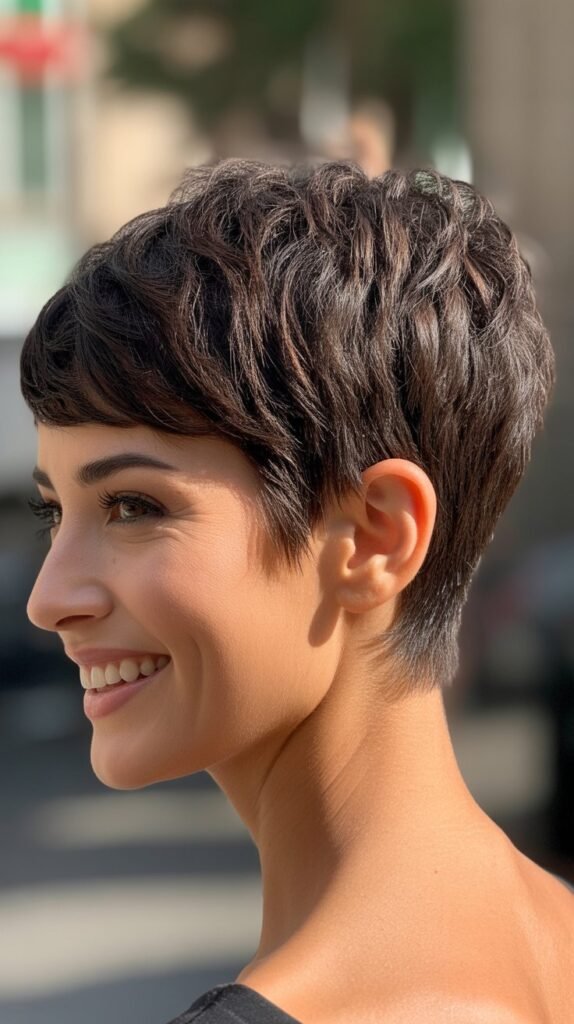
The shaggy pixie with tapered neckline focuses attention on the back of the cut, featuring a gradual fade from longer crown layers to skin or near-skin length at the nape.
This clean, precise finish balances the intentionally messy texture on top and creates a polished overall appearance.
- The taper can be customized from subtle (gradual fade over several inches) to dramatic (sharp fade within one inch) based on personal preference.
- This neckline treatment eliminates the bulk that can accumulate at the neck, creating a lightweight feel and flattering neck elongation.
- The precise nature of the taper requires clippers and skilled blending techniques to create smooth gradations between lengths.
- Women with shorter necks particularly benefit from this style as it creates the illusion of length and graceful proportions.
- Maintenance frequency increases slightly (every 3-4 weeks) to keep the taper crisp and prevent the fade from growing out unevenly.
- The contrast between the textured top and clean neckline creates a contemporary, fashion-conscious aesthetic.
- Natural hair colors or subtle dimension work best with this style to emphasize the cut’s structural elements rather than competing with bold color.
10. Shaggy Pixie Bob Hybrid
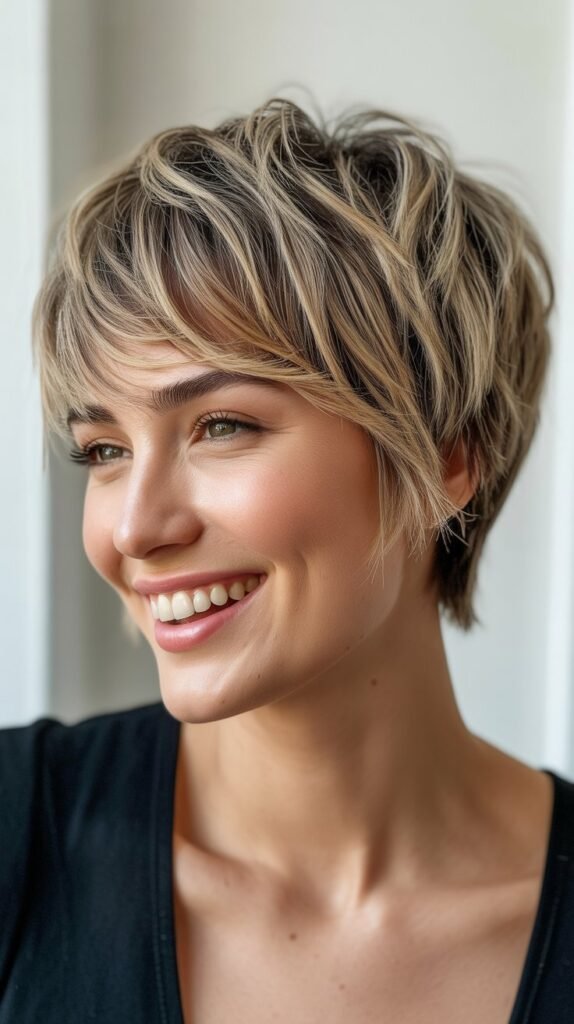
The shaggy pixie bob hybrid bridges the gap between traditional pixie cuts and longer bob styles by maintaining increased length around the perimeter while incorporating pixie-inspired texture throughout.
This transitional style appeals to those seeking pixie characteristics without committing to ultra-short lengths.
- Perimeter lengths typically range from 3-5 inches, falling between the ear and jawline depending on individual preference.
- The hybrid nature allows for tucking behind ears for a pixie appearance or wearing down for bob-like coverage.
- Interior layers are heavily textured using pixie cutting techniques to remove weight and create movement despite the longer exterior.
- This versatile option serves as an excellent stepping stone for those growing out a pixie or testing shorter lengths before a full commitment.
- Styling can alternate between smooth, sleek looks with a flat iron or tousled, textured finishes with fingers and product.
- The longer length provides more styling versatility including small ponytails, clips, or headband accessories.
- Balayage or face-framing highlights complement the hybrid nature by adding dimension that works with both pixie and bob styling.
11. Disconnected Shaggy Pixie
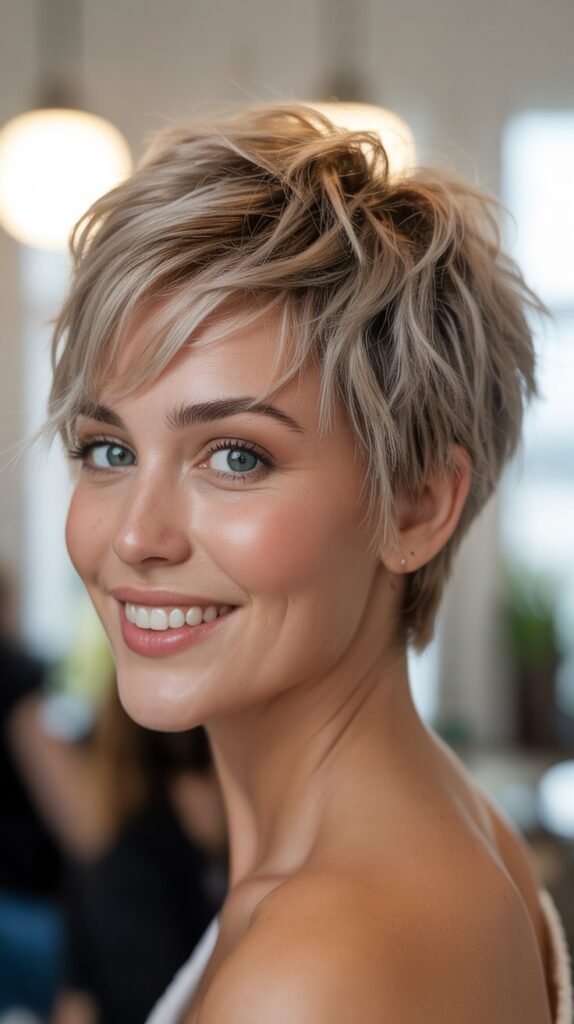
The disconnected shaggy pixie features intentional separation between different sections of the cut, creating distinct length zones rather than seamlessly blended layers.
This edgy, modern approach emphasizes contrast and creates a deliberately structured yet textured appearance.
- Disconnection occurs when top layers maintain significantly more length (3-4 inches) compared to sides and back (under 1 inch) without gradual blending.
- The stark contrast creates a mushroom-like or bowl-cut-inspired silhouette that’s softened by shaggy texturing throughout the longer sections.
- This avant-garde style appeals to fashion-forward individuals who appreciate architectural elements in their haircuts.
- Face shapes with balanced proportions handle the dramatic structure best, as it creates a strong horizontal line around the head.
- Styling emphasizes the disconnect by keeping longer sections textured and voluminous while maintaining clean, smooth shorter sections.
- The unique structure requires a skilled stylist experienced in precision cutting to execute the clean lines properly.
- Bold, saturated colors or dramatic two-tone techniques amplify the disconnected effect and architectural nature of the cut.
12. Shaggy Pixie with Face-Framing Layers
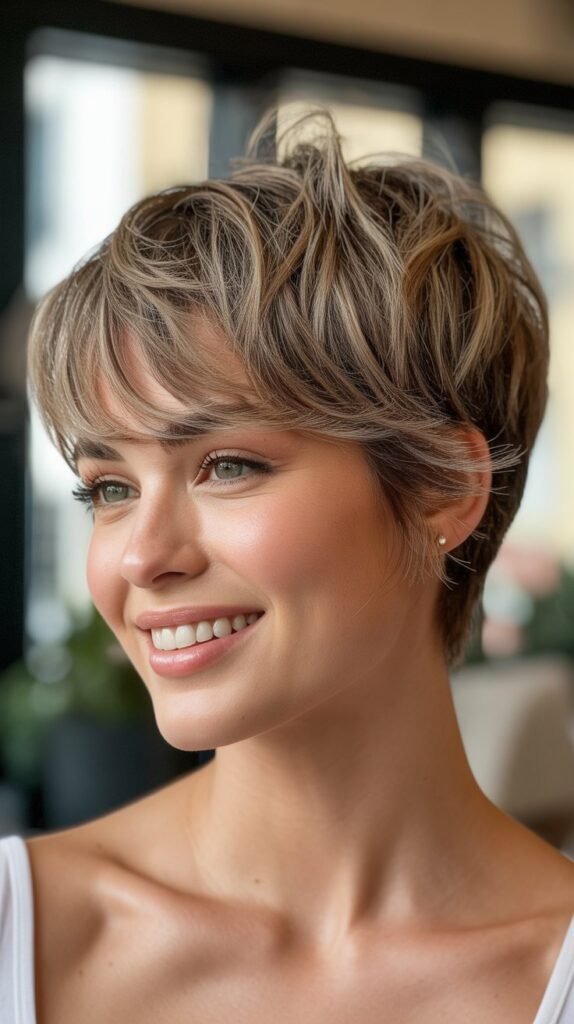
The shaggy pixie with face-framing layers strategically incorporates longer pieces around the face that draw attention to the eyes,
cheekbones, and jawline while maintaining shorter lengths throughout the rest of the cut. This flattering variation softens facial features and creates a feminine, romantic quality.
- Face-framing pieces typically begin at the temple or cheekbone and extend to jaw length or slightly below, creating a subtle curtain effect.
- These longer sections can be styled forward to frame the face or swept back and tucked behind ears for versatility.
- The technique particularly benefits square and round face shapes by creating vertical lines that elongate and slim facial proportions.
- Shorter layers throughout the crown and back maintain the pixie structure while the front pieces add softness and movement.
- Styling involves using a round brush to direct the face-framing sections forward and inward, creating a gentle curve toward the face.
- Regular maintenance every 5-6 weeks preserves the length differential between the framing pieces and the rest of the cut.
- Subtle highlights or babylights concentrated around the face-framing sections illuminate the face and emphasize this flattering feature.
13. Shaggy Pixie for Thick Hair
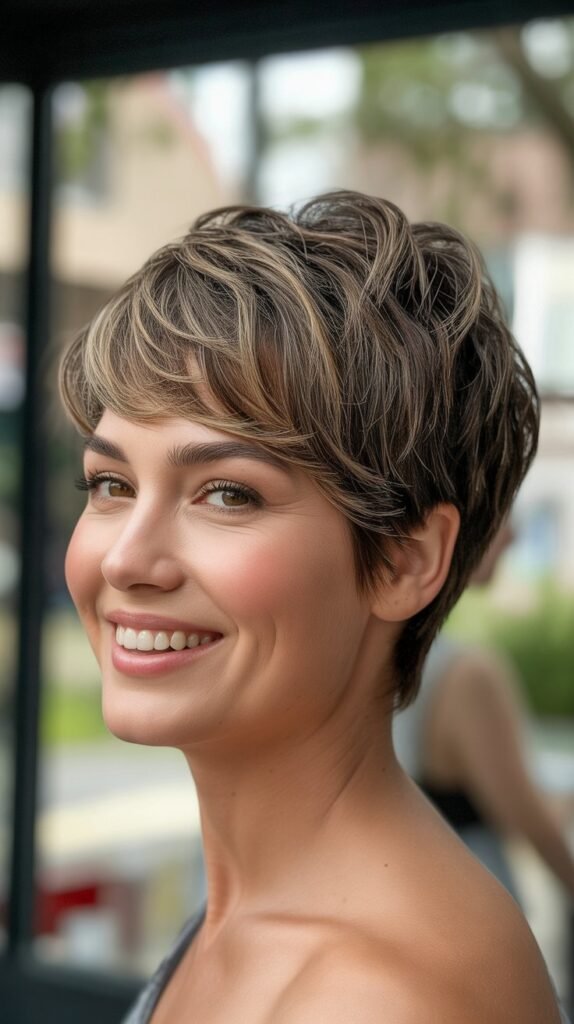
The shaggy pixie for thick hair employs aggressive texturizing and thinning techniques designed to remove bulk while maintaining healthy hair structure and creating manageable, lightweight results.
This specialized approach prevents the heavy, mushroom-like appearance that can occur when thick hair is cut short without proper thinning.
- Thick hair requires multiple layering levels to reduce density while preserving outer shape and perimeter length.
- Point cutting, slide cutting, and channel cutting techniques remove interior weight without creating visible gaps or thin sections.
- The result maintains fullness at the surface while feeling significantly lighter and more comfortable than thick hair left dense.
- This version requires less frequent styling product as the natural weight of thick hair helps maintain shape and texture.
- Wash-and-go styling becomes more feasible with thick hair once properly thinned, reducing daily styling time significantly.
- Professional thinning shears and razors are essential tools for achieving proper texture without creating frizz or damaged ends.
- Natural colors or subtle dimensional techniques work best to avoid the overly busy appearance that can result from combining extreme texture with bold color on thick hair.
14. Wispy Shaggy Pixie with Soft Edges
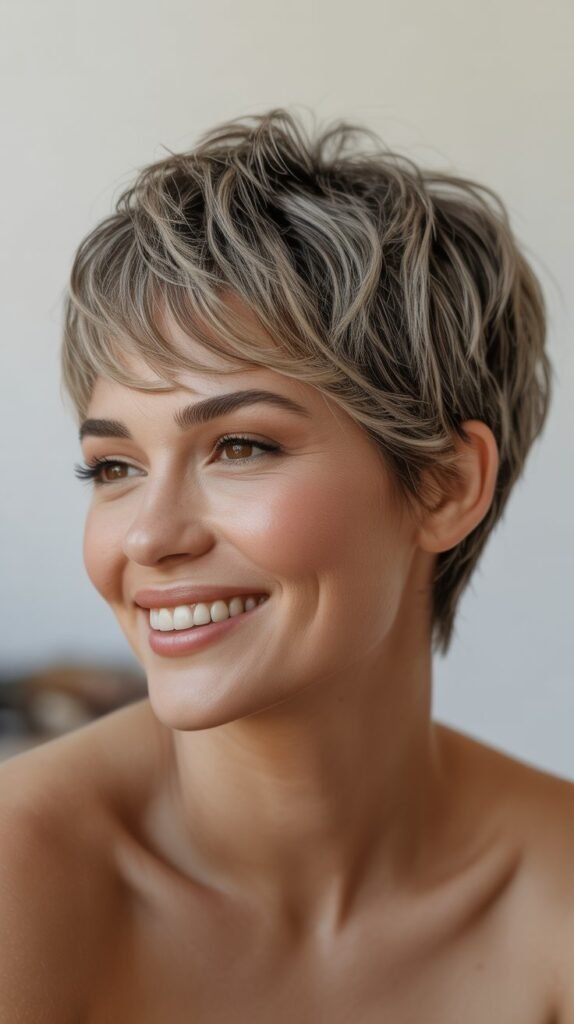
The wispy shaggy pixie with soft edges takes a gentle approach to texture, creating delicate, feathered ends and subtle layering that produces an ethereal, romantic quality.
This softer interpretation appeals to those seeking pixie benefits without harsh or aggressive styling.
- Wispy ends are created through razor cutting or careful scissor work that tapers each strand to a fine point.
- The overall effect is airy and light, with pieces that seem to float around the face and create subtle movement with any breeze.
- This variation particularly flatters those with fine to medium hair textures that can support the delicate structure without appearing too thin.
- Soft edges around the hairline frame the face gently without stark lines or geometric shapes.
- Styling requires minimal product—often just a light texturizing spray or serum—to avoid weighing down the delicate texture.
- The low-maintenance nature appeals to those seeking wash-and-go simplicity with naturally graceful results.
- Soft, natural colors including warm brunettes, honey blondes, or subtle auburn tones complement the gentle nature of this cut.
15. Edgy Shaggy Pixie with Shaved Sides
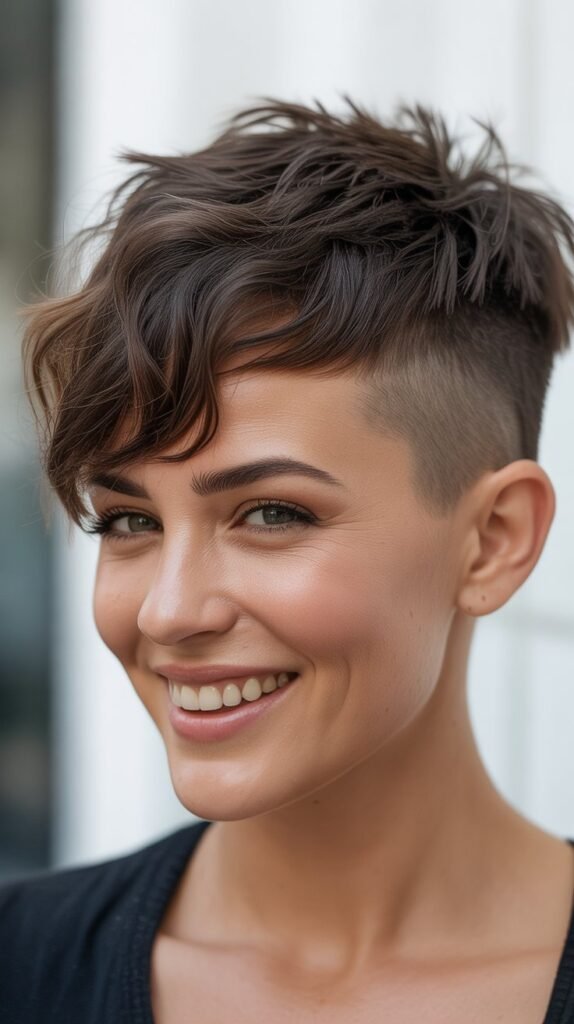
The edgy shaggy pixie with shaved sides creates maximum contrast by maintaining significant length and texture on top while clipper-cutting the sides to skin or near-skin length.
This bold, rebellious style makes a strong statement and reduces overall hair volume dramatically.
- Shaved sides typically extend from the temples to above the ears and sometimes continue to the back, depending on desired coverage.
- The top section maintains 3-6 inches of length with heavy texturizing to create the signature shaggy appearance.
- This extreme contrast creates a mohawk-inspired silhouette that can be styled dramatically upward or swept to one side.
- The style particularly appeals to those with alternative aesthetics, creative professions, or bold personal style preferences.
- Maintenance requires frequent touch-ups (every 1-2 weeks) for the shaved sections to prevent stubble growth from appearing unkempt.
- Styling options range from slicked-back smoothness to extreme texture and height depending on occasion and mood.
- Vibrant fashion colors including blues, purples, greens, or bold reds complement the edgy nature and make the style even more eye-catching.
16. Shaggy Pixie with Piecey Texture
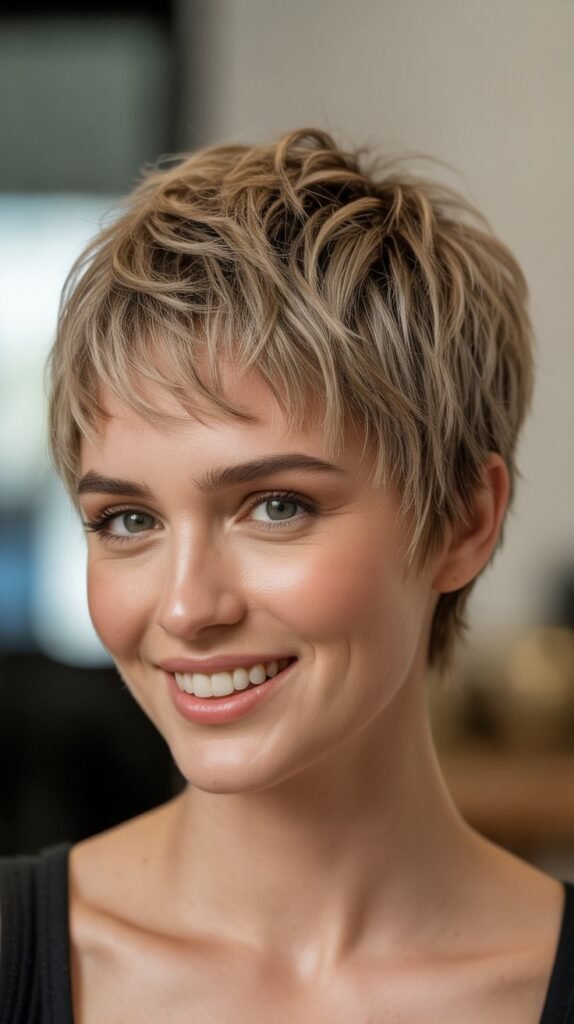
The shaggy pixie with piecey texture emphasizes individual hair sections separated by product application, creating a deliberately styled appearance with visible definition between strands.
This modern finishing technique adds polish to the inherently casual shaggy structure.
- Piecey texture is achieved through applying pomade, wax, or styling cream to small sections of hair and twisting or separating them individually.
- The technique works best on hair with some natural texture or wave, though straight hair can also be manipulated into piecey sections.
- This styling approach creates dimension and movement that catches light differently throughout the day.
- The look balances between intentionally styled and effortlessly undone, creating contemporary appeal.
- Different product amounts create varying degrees of separation, from subtle piece-y definition to dramatic, spiky sections.
- The styling technique requires 5-10 minutes of hands-on manipulation to achieve the desired separation and hold.
- Natural to lightly highlighted colors showcase the piecey texture best by allowing light and shadow to play across the separated sections.
17. Vintage-Inspired Shaggy Pixie
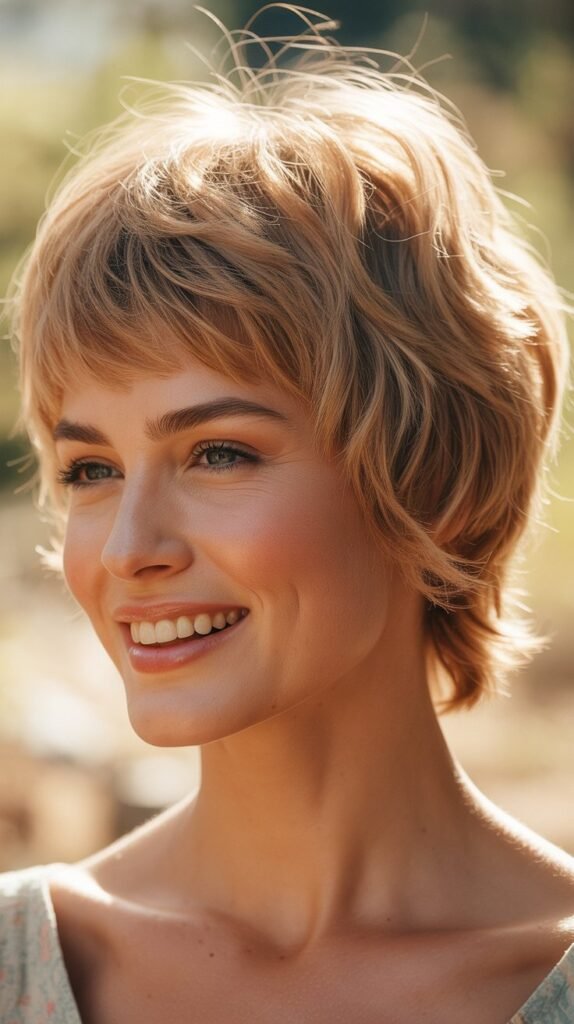
The vintage-inspired shaggy pixie draws from iconic short styles of the 1960s and 1970s, incorporating retro elements like rounded shapes, forward-directed styling, and mod influences into contemporary shaggy texturing.
This nostalgic interpretation celebrates classic pixie heritage while updating it for modern wearability.
- The silhouette often features a rounded crown with volume directed forward rather than upward, reminiscent of 1960s British mod styles.
- Sideburns or extended temple sections are sometimes included as nods to 1970s pixie variations.
- Shaggy texture modernizes the otherwise vintage shape, preventing it from appearing costume-like or dated.
- Rich, saturated colors popular in vintage eras—including deep brunettes, auburn reds, or platinum blonde—complement the retro aesthetic.
- Styling involves round brushing hair forward and setting with light-hold products to maintain the rounded shape.
- This variation appeals to those drawn to vintage fashion and retro aesthetics in their overall personal style.
- Accessories like headbands, small scarves, or retro hair clips can further emphasize the vintage inspiration.
18. Shaggy Pixie with Graduated Layers
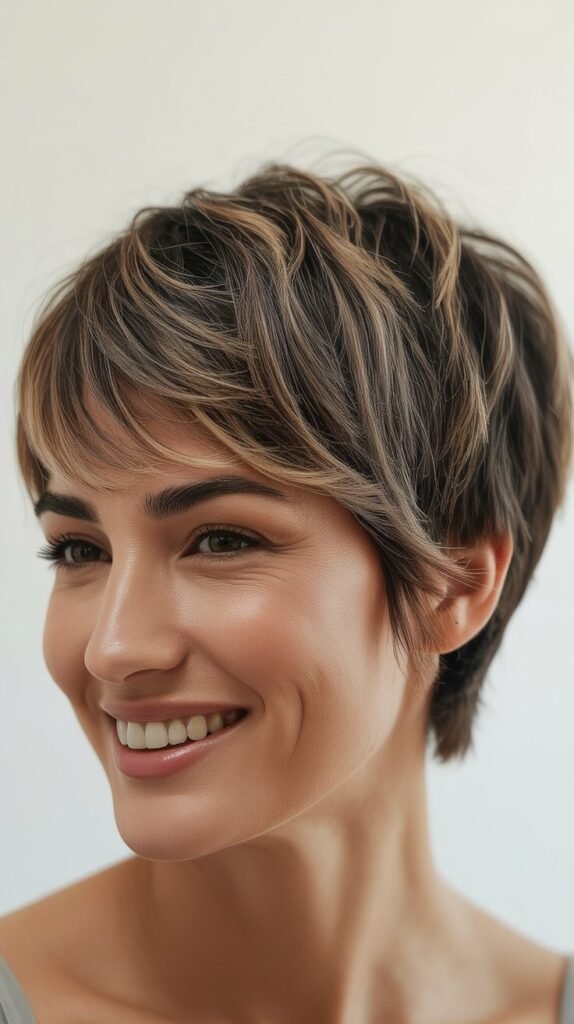
The shaggy pixie with graduated layers features carefully structured length progression from short at the nape to longer at the crown, creating a stacked, dimensional effect with natural lift and volume.
This technical approach to layering produces a polished appearance while maintaining the casual shaggy texture.
- Graduation refers to the angle at which hair is cut, with each layer slightly longer than the one below it, creating built-in volume.
- The technique naturally elevates hair away from the head without requiring extensive styling or product application.
- Graduation is particularly effective for fine or thin hair as it creates the illusion of density and fullness.
- The structured layering provides a framework that supports shaggy texturing without sacrificing shape or becoming too disheveled.
- Styling is simplified as the graduated structure naturally falls into place with minimal manipulation required.
- This professional, refined version of the shaggy pixie transitions seamlessly into workplace environments and formal occasions.
- Subtle, natural color variations or strategic highlights emphasize the graduated layers and create depth perception.
19. Messy Bedhead Shaggy Pixie
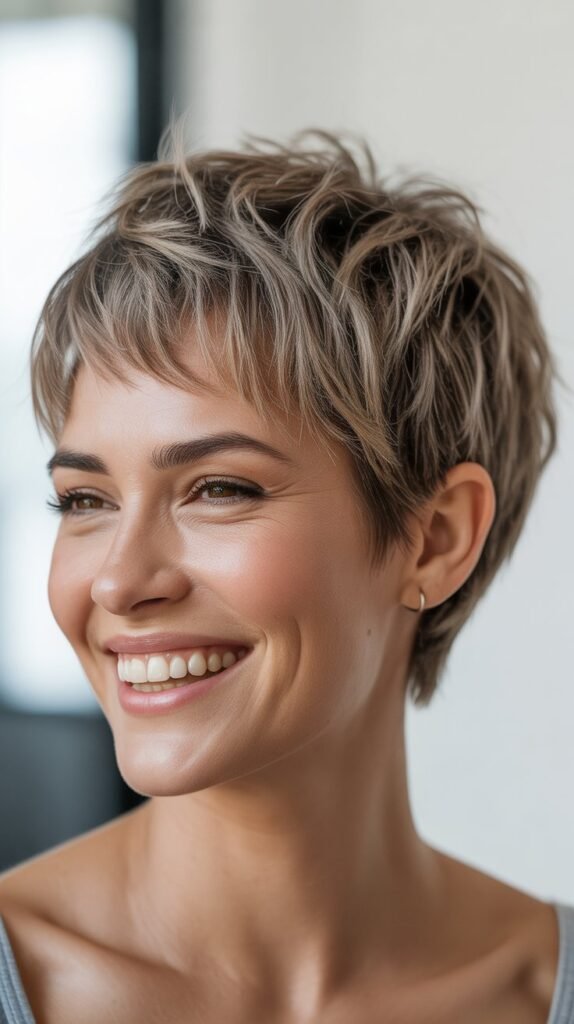
The messy bedhead shaggy pixie embraces maximum dishevelment and casual texture, creating an intentionally undone appearance that looks effortlessly cool.
This low-maintenance variation prioritizes natural texture and random direction over controlled styling.
- The bedhead aesthetic is achieved through cutting techniques that encourage hair to fall in random directions without a defined pattern.
- Multiple short layers throughout create the necessary foundation for pieces to stick up, lay flat, or go sideways without looking unkempt.
- This style works best for those with natural texture including waves, cowlicks, or slight curls that contribute to the unstyled appearance.
- Minimal product application—perhaps just sea salt spray or dry texture spray—enhances natural texture without providing hold or direction.
- The wash-and-go nature makes this one of the lowest maintenance pixie variations, ideal for busy lifestyles or those who prefer minimal styling routines.
- The intentionally imperfect nature allows for longer periods between cuts (6-8 weeks) as growth doesn’t significantly impact the desired messy appearance.
- Natural hair colors or sun-kissed highlights complement the effortless, beachy vibe of the bedhead aesthetic.
20. Shaggy Pixie with Colored Tips
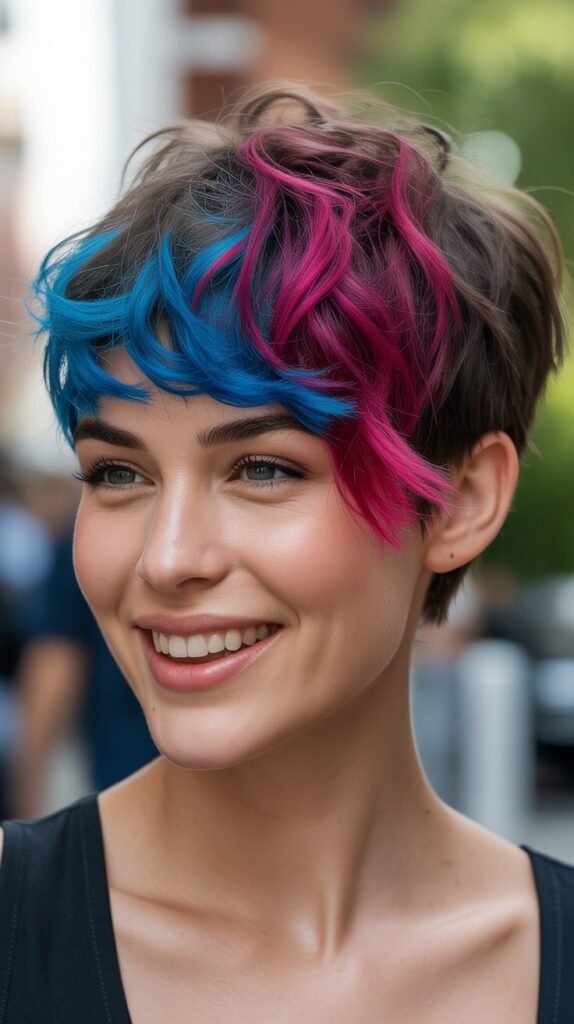
The shaggy pixie with colored tips incorporates vivid or pastel color only on the ends of the textured layers, creating a playful, low-commitment color technique that emphasizes the haircut’s dimension.
This creative color application allows for bold self-expression while maintaining natural color at the roots.
- Colored tips typically extend 1-2 inches from the ends, depending on overall hair length and desired visibility.
- The technique works exceptionally well with shaggy pixies because the multiple layer lengths create varied color placement throughout the head.
- Color options range from subtle pastels that blend naturally to vibrant neons that create maximum contrast against the base color.
- The low-maintenance nature means less frequent color touch-ups as only the ends require refreshing rather than root maintenance.
- Styling products with shine enhance the color vibrancy and make the colored tips more noticeable throughout the day.
- This playful approach appeals to creative individuals or those testing bold color without full commitment to all-over fashion shades.
- As hair grows, the colored tips gradually move away from the scalp, allowing for easy color transition or removal without harsh regrowth lines.
21. Shaggy Pixie with Side Part
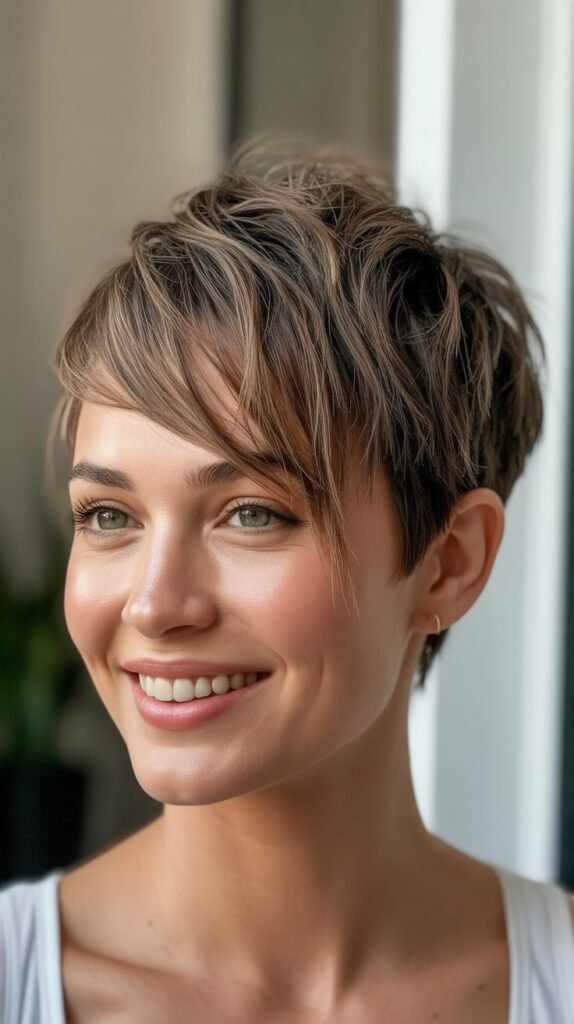
The shaggy pixie with side part introduces classic sophistication through a defined parting that creates asymmetrical volume distribution and elegant styling direction.
This traditional element combined with modern shaggy texture produces a balanced, polished-yet-casual aesthetic.
- The side part typically falls 1-2 inches from center, creating unequal sections that can be styled with different volumes on each side.
- The deeper side encourages hair to fall across the forehead, while the lighter side can be slicked back or tucked behind the ear.
- This styling technique elongates round faces and softens angular features through the diagonal line created by the part.
- Product application varies by side—more volume product on the heavy side, more smoothing product on the light side—to emphasize the asymmetry.
- The part can be shifted periodically to prevent a permanent hair growth pattern from forming along the parting line.
- This versatile styling approach works across professional and casual settings, making it highly adaptable to various situations.
- Highlights or lowlights concentrated along the part line create depth and emphasize the intentional styling direction.
22. Rock Star Shaggy Pixie
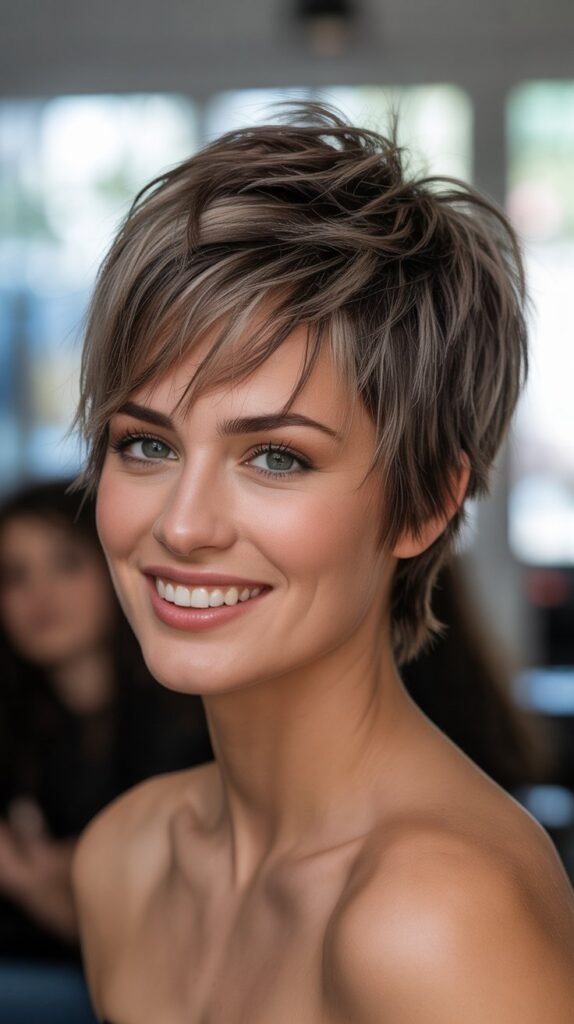
The rock star shaggy pixie channels rebellious, music-inspired energy through exaggerated texture, dramatic height, and bold styling choices that create an undeniably edgy, confident appearance.
This theatrical variation embraces maximum volume and attitude.
- The signature rock star element involves teasing or backcombing crown sections to create significant height (2-4 inches above the natural head shape).
- Heavy texturizing throughout provides the grip necessary for products to hold the dramatic styling without collapse.
- Side sections are often slicked back or down to emphasize the contrast with the voluminous top portion.
- This high-impact style requires stronger-hold products including mousses, gels, or hairsprays to maintain the structured volume throughout the day.
- The rebellious aesthetic pairs naturally with bold makeup, leather jackets, and alternative fashion choices.
- Maintenance includes frequent trims to preserve the heavy texture that supports the dramatic styling.
- Platinum blonde, jet black, or bold fashion colors including red or purple complement the rock-inspired edge and create memorable visual impact.
23. Natural Gray Shaggy Pixie
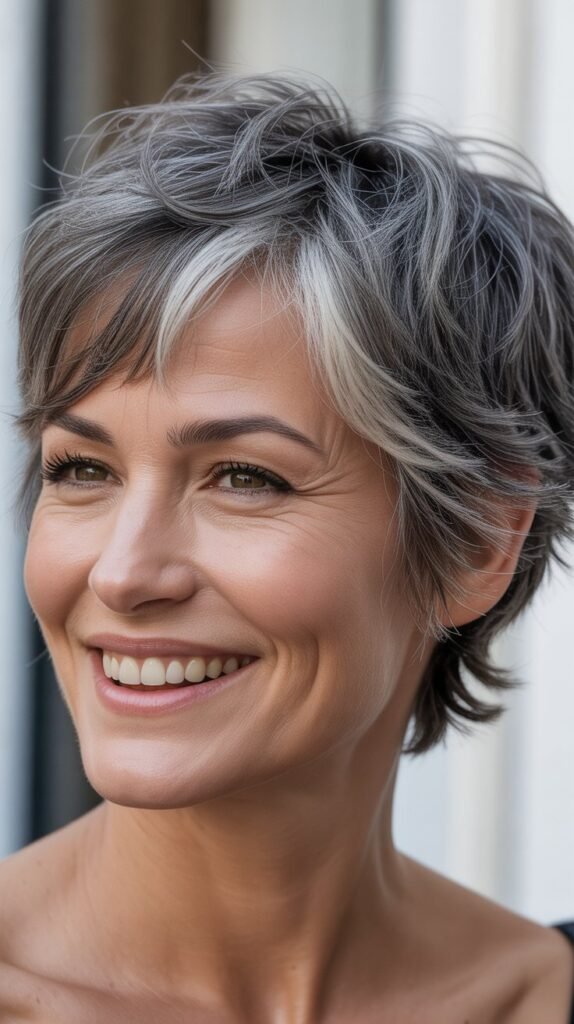
The natural gray shaggy pixie celebrates silver and white hair as a stunning fashion choice rather than something to conceal, incorporating beautiful natural gray tones into textured, modern styling.
This empowering variation demonstrates how embracing natural color creates sophisticated, striking results.
- Natural gray hair often has unique texture variations—sometimes coarser or wavier than pigmented hair—that contribute beautifully to shaggy styling.
- The multiple tones present in naturally graying hair (silver, white, charcoal, pewter) create organic dimension that requires no artificial color enhancement.
- Shaggy layering prevents the potential for gray hair to appear flat or aging by adding movement and contemporary texture.
- Purple-toning products help maintain cool, bright silver tones and prevent yellowing that can occur from environmental factors.
- The low-maintenance nature appeals to those embracing their natural hair journey without regular root touch-ups or color appointments.
- Proper moisture care including regular deep conditioning treatments keeps gray hair soft and manageable rather than wiry or brittle.
- This confident color choice paired with a modern cut challenges ageist beauty standards and creates a powerful, sophisticated statement.
24. Shaggy Pixie Mullet
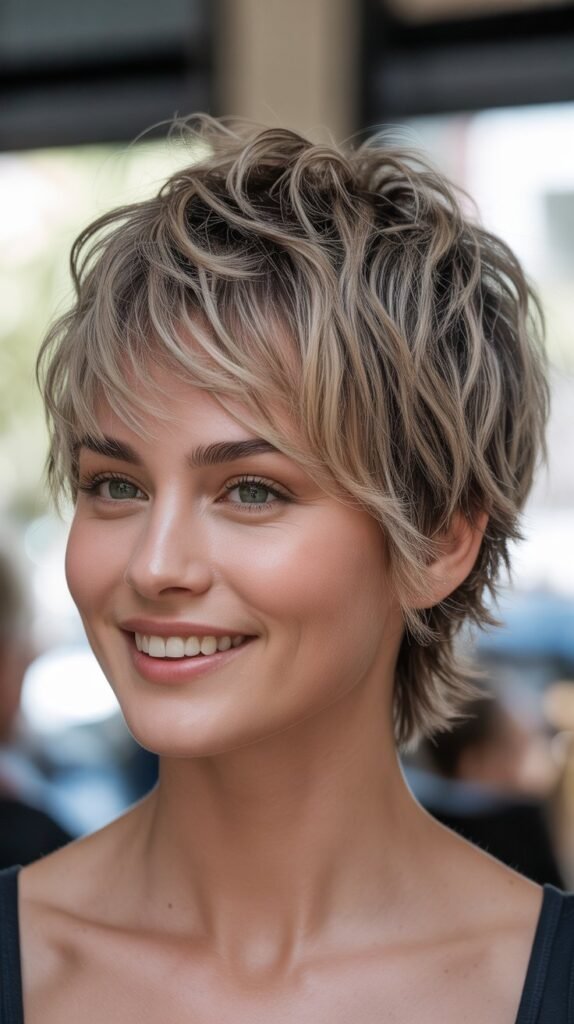
The shaggy pixie mullet combines the short, textured elements of traditional pixie cuts with intentionally longer sections at the nape, creating a contemporary interpretation of the mullet that’s fashion-forward rather than dated.
This trend-conscious style embraces contrast and unexpected proportions.
- The mullet element involves maintaining 2-4 inches of length at the nape while keeping crown and sides in traditional pixie proportions.
- Modern versions feature soft, textured nape sections rather than the harsh, blunt lines associated with 1980s mullets.
- The intentional disconnect between the short top/sides and longer back creates visual interest and styling versatility.
- This variation allows for small ponytails or braids using the longer back section while maintaining the pixie aesthetic from the front.
- Face-framing remains short to prevent the style from appearing like a grown-out pixie rather than an intentional mullet shape.
- The trend-conscious nature appeals to fashion-forward individuals who appreciate ironic throwback elements in modern contexts.
- Bold color techniques including contrasting shades between the short and long sections emphasize the intentional mullet structure.
25. Shaggy Pixie with Curtain Bangs
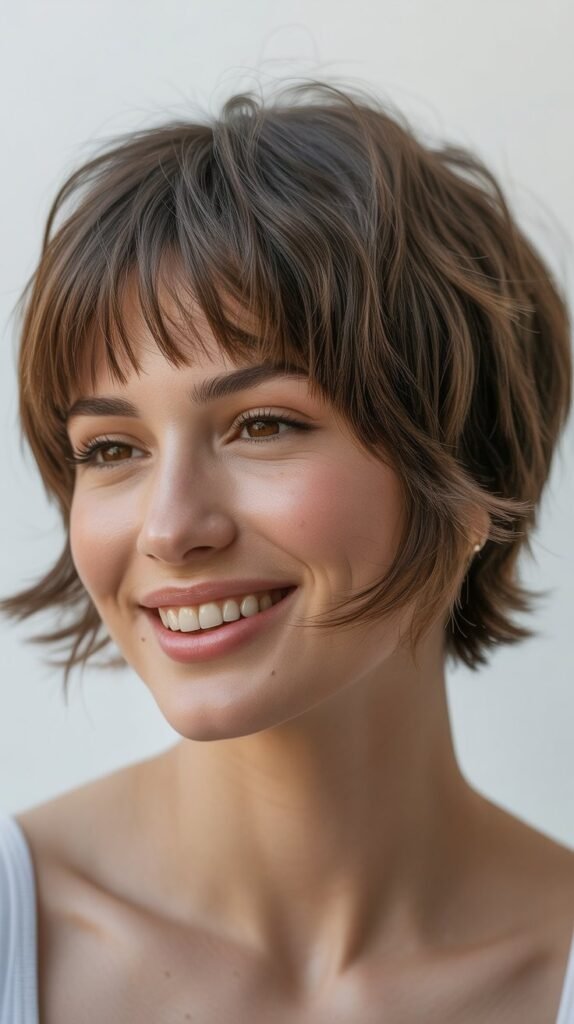
The shaggy pixie with curtain bangs incorporates the popular curtain bang trend into short pixie structures by creating center-parted fringe that frames both sides of the face symmetrically.
This romantic, face-framing element adds softness and vintage charm to the modern shaggy texture.
- Curtain bangs for pixie cuts typically measure 2-3 inches at their longest point, falling around the eyebrow or cheekbone.
- The center part creates natural symmetry that flatters oval, heart, and diamond face shapes by drawing attention to the eyes.
- Unlike traditional blunt bangs, curtain bangs blend seamlessly into the side sections through soft layering and texturizing.
- Styling involves blow-drying with a round brush, directing each side away from the center part to create the signature curtain sweep.
- The face-framing nature of curtain bangs provides coverage for foreheads while maintaining an open, airy quality around the face.
- This trendy element updates the classic pixie with contemporary bang styling that’s been popularized through social media and celebrity adoption.
- Natural colors or sun-kissed balayage concentrated around the face emphasize the curtain bang framing effect and create dimensional appeal.
26. Shaggy Pixie for Oval Faces
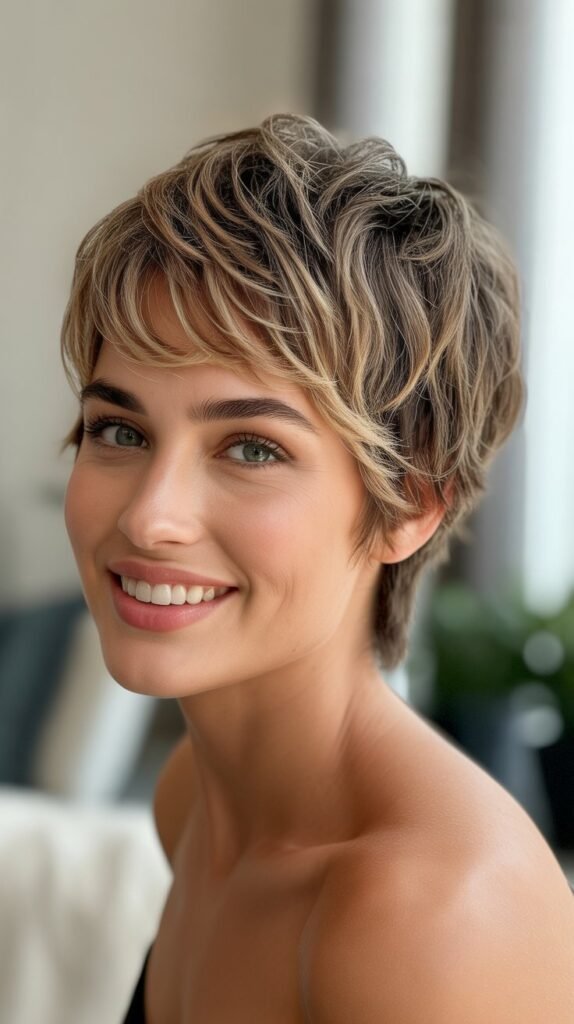
The shaggy pixie for oval faces capitalizes on the balanced proportions of this versatile face shape by incorporating styles that emphasize the natural symmetry without needing corrective techniques.
This ideally-suited variation explores maximum creative freedom since oval faces handle virtually any pixie interpretation beautifully.
- Oval faces are characterized by balanced width and length proportions with gently curved jawlines and slightly narrower foreheads.
- This face shape can support bold choices including dramatic asymmetry, micro bangs, extreme texture, and unconventional color without unflattering results.
- The versatility allows for experimentation with trends and personal style preferences without face-shape restrictions limiting options.
- Styling can range from sleek and smooth to wildly textured without concern for proportion correction.
- The adaptability means oval-faced individuals can follow pixie trends, embrace vintage inspirations, or create unique personalized variations with confidence.
- Professional consultation focuses on personal style, hair texture, and lifestyle rather than face-shape correction techniques.
- Any color palette from natural to bold fashion shades complements oval faces equally well, allowing for unlimited creative expression.
27. Shaggy Pixie with Neon Highlights
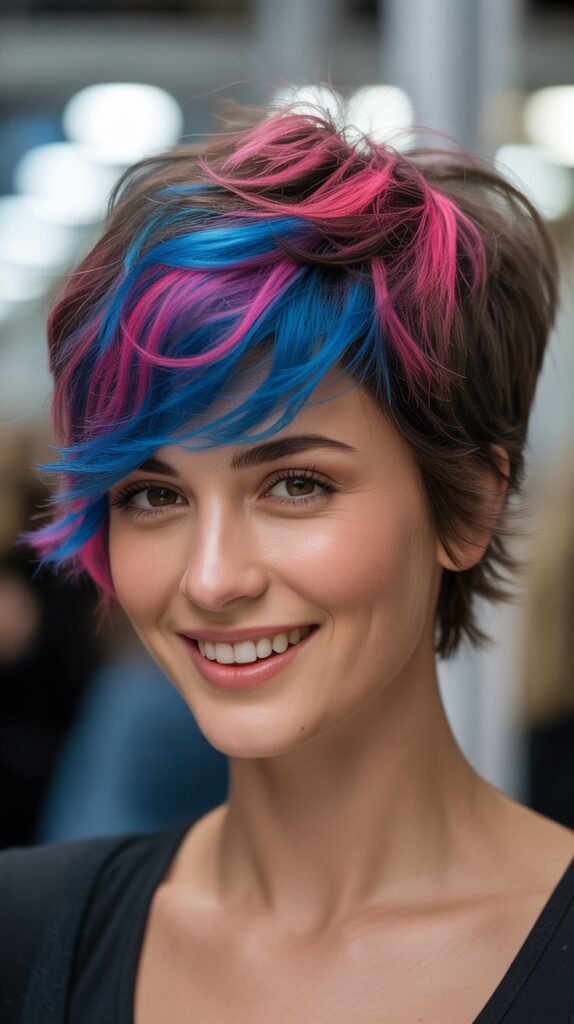
The shaggy pixie with neon highlights incorporates electrifying, fluorescent color accents strategically placed throughout textured layers to create eye-catching, fashion-forward dimension.
This bold color technique appeals to creative individuals seeking maximum visual impact and artistic self-expression.
- Neon colors including electric blue, hot pink, lime green, and vivid orange create striking contrast against natural or dark base colors.
- The highlighting technique places color on select layers rather than overall coverage, creating dimension while allowing the base color to remain visible.
- Textured shaggy cuts showcase neon highlights exceptionally well as the multiple layer directions catch light differently and display color from various angles.
- Professional color application is essential for achieving true neon vibrancy, often requiring pre-lightening to pale blonde before applying neon tones.
- The high-maintenance nature requires color refresh appointments every 3-4 weeks as neon shades fade relatively quickly compared to traditional colors.
- Fashion-forward styling products with shine enhancers maximize the vibrant appearance and prevent color from looking dull or faded.
- This daring choice makes bold statements in creative industries, artistic communities, and among those who embrace alternative aesthetics.
28. Soft Wavy Shaggy Pixie
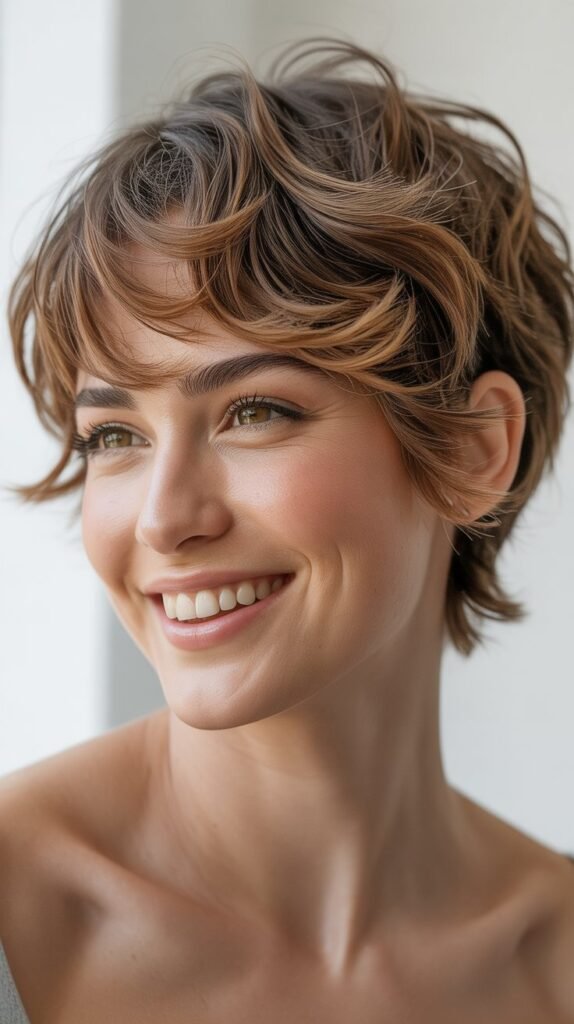
The soft wavy shaggy pixie celebrates natural wave patterns by incorporating cuts specifically designed to enhance rather than fight the hair’s natural movement.
This texture-embracing variation creates romantic, effortless styling that requires minimal heat tools or manipulation.
- Natural wave patterns (Type 2A-2C) create organic texture that pairs beautifully with the intentionally disheveled shaggy aesthetic.
- Cutting wavy hair when dry allows stylists to see the natural wave formation and cut accordingly for optimal results.
- Layers are placed to encourage waves to form in flattering directions that frame the face and create volume at the crown.
- Styling involves applying wave-enhancing products to damp hair and either air-drying or diffusing on low heat to preserve natural texture.
- The low-heat styling approach maintains hair health while creating beautiful, touchable results that move naturally.
- This variation appeals to those seeking to minimize styling time and embrace their natural texture rather than constantly straightening or curling.
- Natural colors or soft, sun-kissed highlights complement the organic, effortless nature of the wavy texture without appearing overly processed.
29. Shaggy Pixie with Extreme Volume
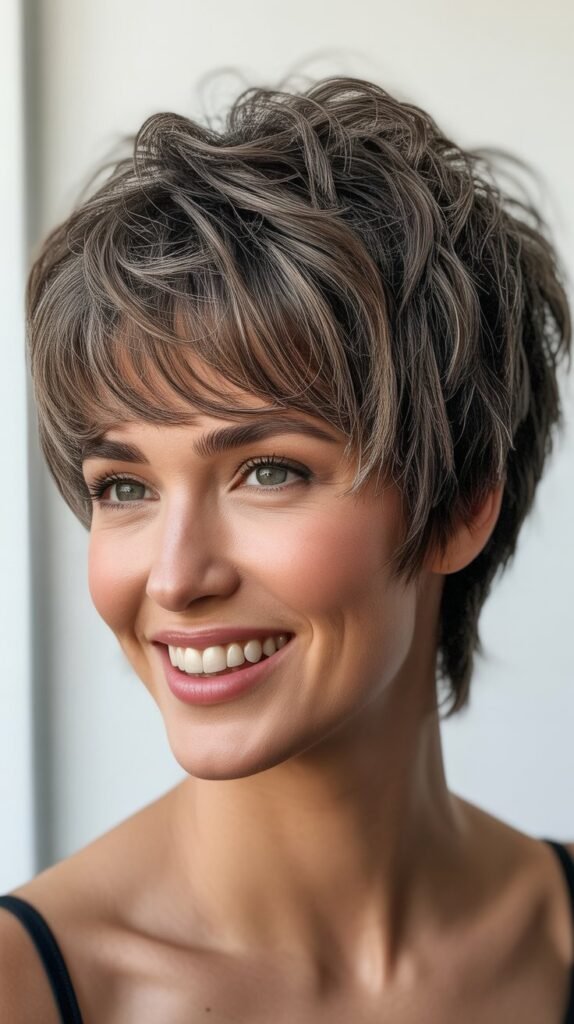
The shaggy pixie with extreme volume pushes dimensional limits through aggressive backcombing, volumizing products, and styling techniques that create maximum height and fullness.
This dramatic variation makes powerful style statements and commands attention through sheer presence and scale.
- Extreme volume is achieved through layering techniques that remove weight from underneath while preserving length on top for dramatic lifting potential.
- Backcombing or teasing at the roots creates the foundation for height that can reach 3-5 inches above the natural head shape.
- Strong-hold products including volumizing mousses, root-lifting sprays, and finishing hairsprays maintain the structure throughout the day.
- The technique works best on medium to thick hair densities that can support the volume without revealing scalp or appearing too thin.
- Styling requires 15-20 minutes of dedicated effort including blow-drying with maximum lift, strategic teasing, and product layering.
- This high-impact look suits special occasions, photoshoots, performance contexts, or individuals with bold personal style who embrace dramatic aesthetics daily.
- Bold, saturated colors or dramatic two-tone effects complement the theatrical nature and ensure the voluminous style remains visually cohesive rather than overwhelming.
Styling Products and Tools for Shaggy Pixie Haircuts
Successfully maintaining and styling shaggy pixie haircuts requires specific products and tools designed to enhance texture, provide hold, and simplify daily routines.
Understanding which items serve specific purposes helps you achieve professional results at home and maintain your cut’s integrity between salon visits.
- Texturizing sprays create piece-y separation and enhance natural texture without the weight or stiffness of traditional hairsprays.
- Lightweight pomades and waxes provide flexible hold for defining individual sections while maintaining movement and touchable texture.
- Volumizing mousses applied to damp hair before blow-drying create lift at the roots and support overall fullness throughout the day.
- Sea salt sprays enhance natural waves and create beachy, tousled texture that complements the intentionally undone shaggy aesthetic.
- Dry shampoos extend time between washes while adding volume and texture, particularly beneficial for fine hair that tends to fall flat.
- Small round brushes (1-2 inch barrels) help direct hair during blow-drying and create smooth curves or lift at specific points.
- Blow dryers with concentrator nozzles provide precision airflow that allows for detailed styling and directional control.
- Flat irons or small curling wands (3/4 to 1 inch) create styling versatility for special occasions when you want sleeker or curlier variations.
- Leave-in conditioners and lightweight oils maintain hair health and manageability without weighing down the textured style.
- Purple toning shampoos preserve cool blonde tones and prevent brassiness in lightened or gray hair.
Maintenance Schedule for Shaggy Pixie Haircuts
Establishing a consistent maintenance routine ensures your shaggy pixie retains its intended shape, texture, and overall aesthetic appeal between professional appointments.
Understanding the recommended timeline for various services helps you budget time and resources while keeping your style looking fresh and intentional.
- Basic trims should occur every 4-6 weeks for most shaggy pixie variations to maintain shape and prevent overgrown, unkempt appearances.
- Styles with undercuts, shaved sections, or tapered necklines require more frequent maintenance (every 2-3 weeks) to keep these elements crisp.
- Color touch-ups depend on the chosen technique—root coverage every 4-6 weeks, highlights every 8-12 weeks, fashion colors every 3-4 weeks.
- Deep conditioning treatments should be performed weekly for color-treated hair, monthly for natural hair to maintain health and manageability.
- Professional clarifying treatments every 6-8 weeks remove product buildup that can dull color and weigh down texture.
- At-home styling product rotation prevents buildup—alternating between different product types keeps hair responsive to styling efforts.
- Seasonal adjustments may be necessary as humidity, sun exposure, and temperature changes affect hair texture and color vibrancy.
- Communication with your stylist about growth patterns, styling challenges, and satisfaction levels helps them adjust techniques during maintenance appointments.
- Photographic references taken from multiple angles immediately after salon visits serve as helpful guides for showing your stylist desired results at future appointments.
- Budget planning should account for both cut and color maintenance based on your specific variation’s requirements and professional service costs in your area.
Choosing the Right Shaggy Pixie for Your Face Shape
Selecting a shaggy pixie variation that complements your unique facial structure creates harmonious proportions and enhances your natural features rather than fighting against them.
Understanding basic face-shape principles helps you communicate effectively with your stylist and make confident style decisions.
- Consultation appointments with experienced pixie-specialist stylists provide personalized recommendations based on your unique features beyond general face-shape categories.
- Bone structure, ear placement, neck length, and head shape all influence which pixie variations will be most flattering individually.
- Personal style, lifestyle requirements, and maintenance commitment should factor equally with face-shape considerations in final decisions.
- Virtual try-on apps and photo editing tools allow you to preview various pixie styles on your own face before committing to the cut.
- Bringing multiple reference photos showing your desired style from various angles helps stylists understand your vision and adapt it to your features.
Conclusion
Throughout this comprehensive exploration of 29 Fresh Short Shaggy Pixie Haircuts, you’ve discovered an incredible range of styling possibilities that demonstrate just how versatile and transformative this iconic haircut can be.
From classic textured variations to bold contemporary interpretations featuring undercuts, vibrant colors, and dramatic asymmetry, the shaggy pixie proves itself as a timeless yet endlessly adaptable choice for women seeking stylish, low-maintenance hair solutions.
Whether you’re drawn to the soft romance of wispy layers and curtain bangs, the edgy appeal of shaved sections and neon highlights, or the sophisticated simplicity of graduated layers and natural gray tones, there’s a shaggy pixie variation perfectly suited to your unique face shape, hair texture, and personal aesthetic.
By understanding the styling techniques, maintenance requirements, and face-flattering principles outlined in this guide, you’re now equipped to confidently embark on your shaggy pixie journey, communicate effectively with your stylist, and embrace a haircut that celebrates individuality, reduces daily styling time, and empowers you to present your most authentic, stylish self to the world.