
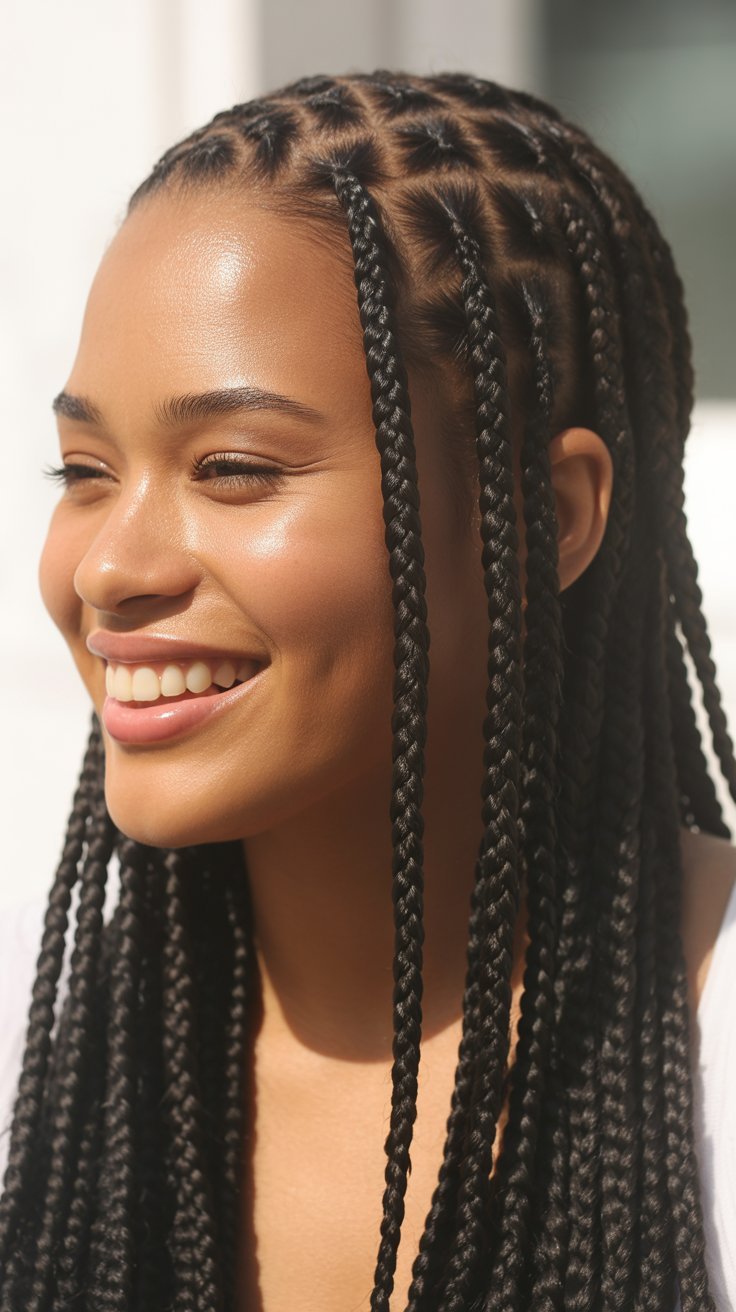
Cornrows are more than just a protective hairstyle—they’re a timeless art form that requires proper care to keep your hair healthy, your scalp nourished, and your braids looking fresh for weeks.
Whether you’re wearing cornrows for the first time or you’re a seasoned braids enthusiast, understanding the right maintenance techniques can mean the difference between damaged hair and thriving, beautiful locks.
In this comprehensive guide on 32 Essential Cornrow Care Tips for Healthier Braids, you’ll discover everything from pre-braiding preparation to daily maintenance routines, scalp care essentials, nighttime protection methods, and expert strategies for extending the life of your braids while promoting optimal hair health.
Each tip is designed to address common cornrow challenges and provide you with practical, actionable solutions that work for all hair types and textures.
Get ready to transform your cornrow experience and achieve the healthy, gorgeous braids you deserve.
1. Prepare Your Hair Before Braiding
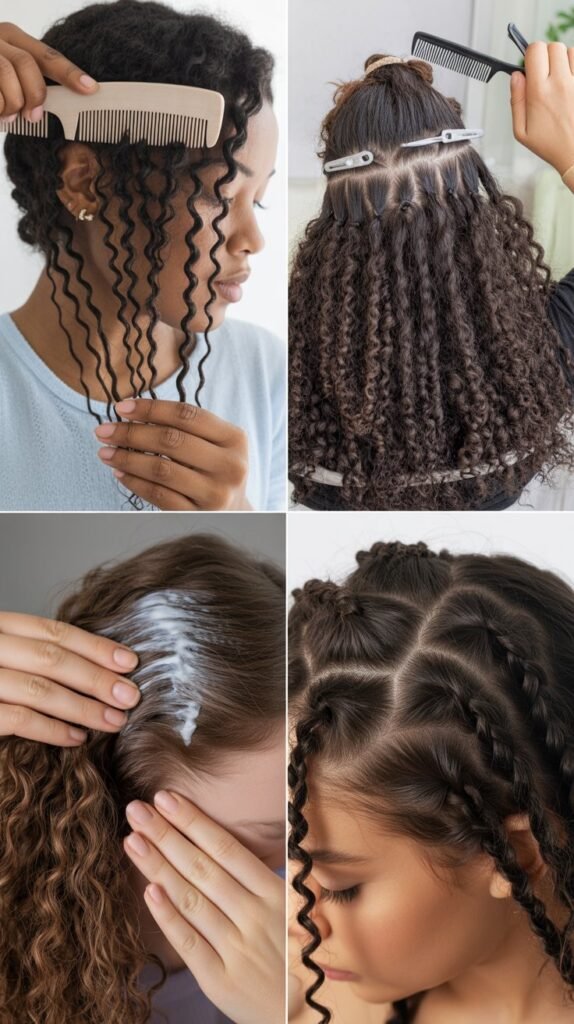
Proper preparation is the foundation of healthy cornrows and directly impacts how well your hair tolerates the braiding process.
Starting with clean, conditioned, and strengthened hair sets the stage for a successful braiding experience that minimizes breakage and maximizes longevity.
- Wash your hair thoroughly with a clarifying shampoo to remove all product buildup, dirt, and oils that could cause scalp issues during the weeks your hair is braided.
- Deep condition your hair for at least 30 minutes using a moisturizing treatment to strengthen strands and improve elasticity before the tension of braiding.
- Trim any split ends before braiding because damaged ends will continue to split and weaken while in cornrows, potentially causing more breakage.
- Perform a protein treatment if your hair is weak or over-processed to reinforce the hair shaft and reduce the risk of breakage during and after braiding.
- Allow your hair to dry completely before braiding, as wet or damp hair is more vulnerable to damage and can develop mildew or odor while braided.
2. Choose the Right Braiding Technique
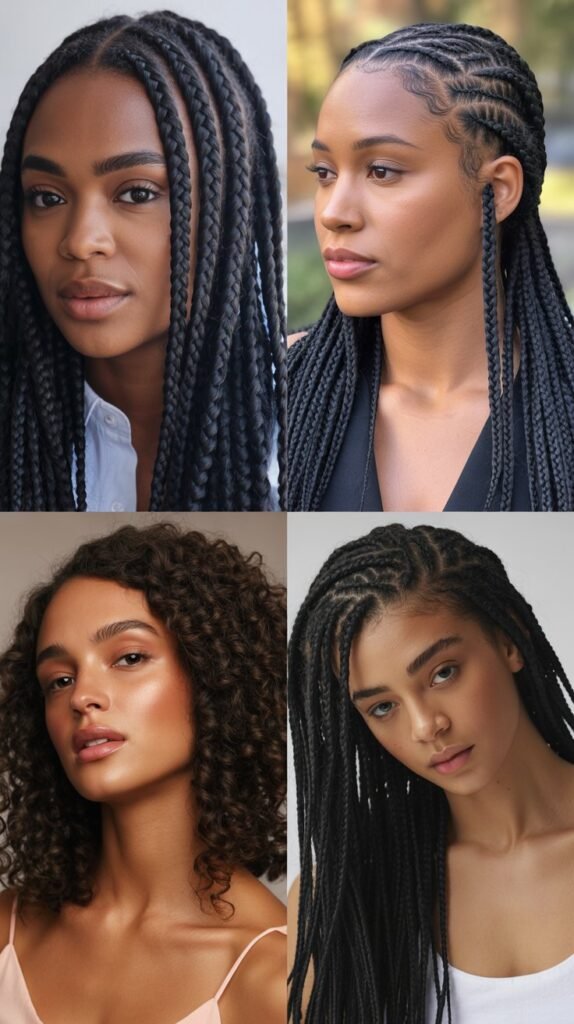
The braiding technique used determines the level of tension on your scalp and hairline, which directly affects both your comfort and hair health.
Selecting a method that works with your hair texture rather than against it prevents unnecessary damage.
- Opt for medium-sized cornrows instead of extremely small ones, as tiny braids create excessive tension that can lead to traction alopecia and permanent hairline damage.
- Request your braider use a gentle hand and avoid pulling too tightly at the roots, which is the most common cause of pain, bumps, and hair loss with cornrows.
- Consider your hair density when choosing a pattern because intricate designs on fine hair create more stress on fewer follicles than simple patterns.
- Avoid adding excessively heavy extensions that pull on your natural hair and strain your scalp, especially around the delicate hairline and temple areas.
- Choose feed-in cornrows over traditional methods if you have a sensitive scalp, as this technique gradually adds hair and distributes tension more evenly along the braid.
3. Maintain Scalp Hygiene
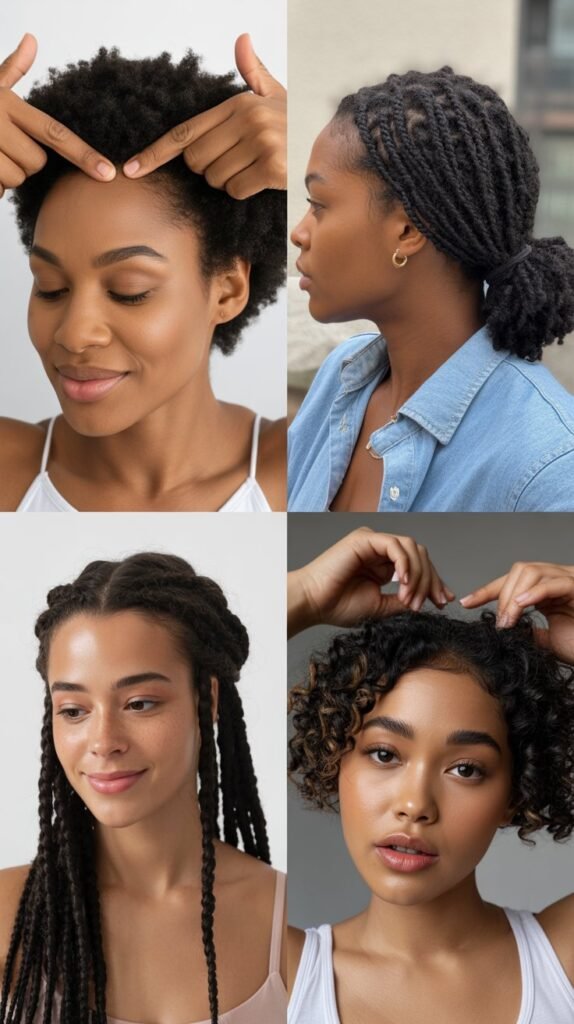
A clean scalp is essential for preventing itching, buildup, and infections that commonly occur when hair is braided for extended periods.
Neglecting scalp care can lead to uncomfortable conditions that force you to remove your braids prematurely.
- Use a diluted apple cider vinegar rinse once a week by applying it to your scalp with a spray bottle to balance pH levels and reduce itching.
- Apply witch hazel to your scalp with a cotton pad every few days to cleanse, soothe irritation, and remove excess oil without disturbing your braids.
- Invest in a scalp cleansing spray or dry shampoo specifically formulated for braided styles to refresh your scalp between wash days.
- Focus your cleansing efforts on the scalp rather than the braids themselves, as the scalp is where buildup, sweat, and bacteria accumulate.
- Avoid scratching your scalp with your nails when it itches; instead, use the pads of your fingers or a scalp massager to relieve irritation without causing damage.
4. Moisturize Regularly
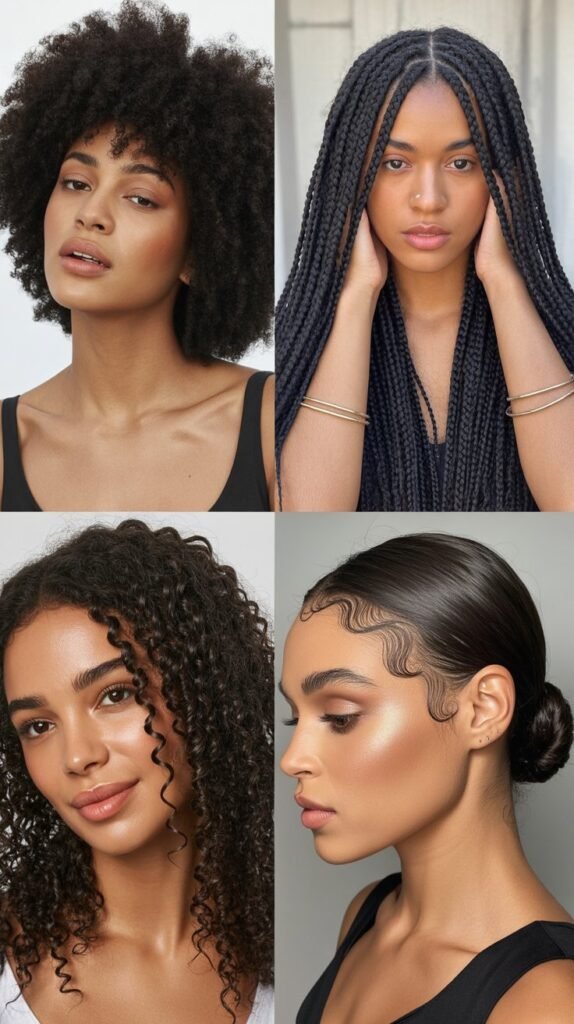
Moisture is critical for preventing the dryness and brittleness that leads to breakage in braided hair. Since cornrows limit your hair’s exposure to moisturizing products, establishing a consistent routine is essential.
- Apply a lightweight oil like jojoba, argan, or grapeseed oil to your scalp and the length of your braids every 2-3 days to maintain moisture without causing buildup.
- Use a water-based leave-in conditioner spray to hydrate your hair, as water is the ultimate moisturizer and should be the first ingredient in your moisturizing products.
- Create a simple moisturizing spray by mixing water, a few drops of your favorite oil, and a small amount of leave-in conditioner in a spray bottle for daily use.
- Focus on the ends of your braids where natural hair is most exposed, as these sections are most vulnerable to drying out and breaking.
- Avoid heavy butters and creams that can cause product buildup on your scalp and attract dirt, leading to clogged follicles and potential scalp issues.
5. Protect Your Hairline
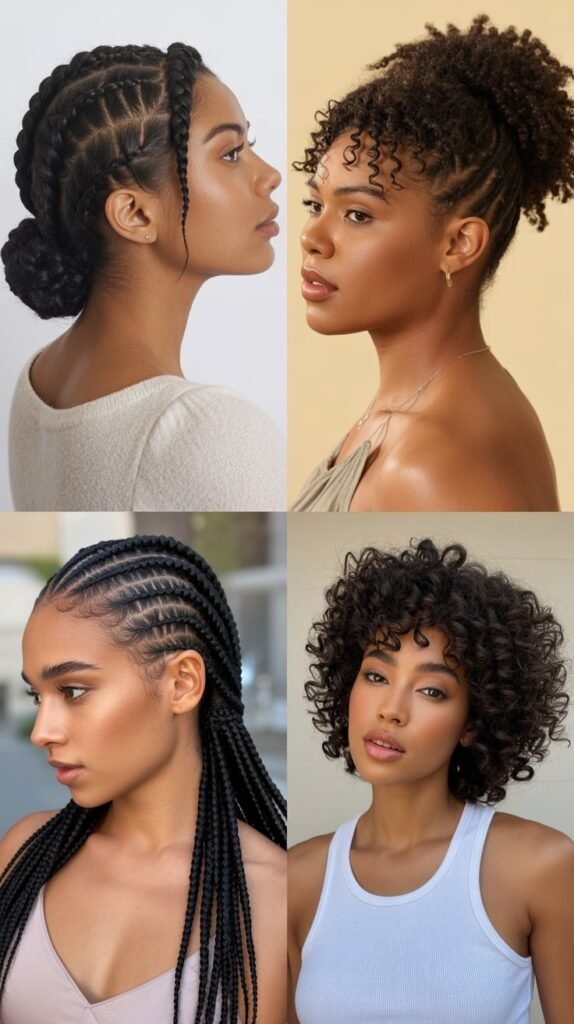
The hairline is the most vulnerable area when wearing cornrows and requires special attention to prevent traction alopecia. Once hairline damage occurs, it can be difficult or impossible to reverse completely.
- Ask your braider to leave the first inch of your hairline looser than the rest of your braids to reduce tension on these delicate follicles.
- Apply a strengthening oil like castor oil or rosemary oil to your hairline every night to stimulate circulation and promote healthy hair growth.
- Avoid styles that pull your hairline back severely, such as extremely tight braids that start right at your forehead or temples.
- Give your hairline a break between braiding sessions by wearing your hair out or in low-tension styles for at least two weeks to allow follicles to recover.
- Massage your hairline gently for a few minutes daily to increase blood flow and reduce tension that accumulates from the weight of braids.
6. Sleep with Proper Protection

Nighttime protection prevents friction that causes frizz, unraveling, and breakage while you sleep. Without proper covering, your cornrows will deteriorate much faster and your natural hair underneath will suffer.
- Wrap your cornrows with a silk or satin scarf every night before bed, ensuring all braids are completely covered to minimize friction against cotton pillowcases.
- Use a silk or satin bonnet as an alternative to a scarf if you find it more comfortable or if you move a lot during sleep and scarves tend to slip off.
- Invest in silk or satin pillowcases as a backup protection method for nights when you forget to wrap your hair or if your bonnet falls off during sleep.
- Avoid going to sleep with damp or wet cornrows, as this can lead to mildew, unpleasant odors, and weakened hair that’s more prone to breakage.
- Tuck any loose ends or flyaways under your scarf or bonnet to keep your style neat and prevent these hairs from tangling or breaking overnight.
7. Wash Your Cornrows Carefully
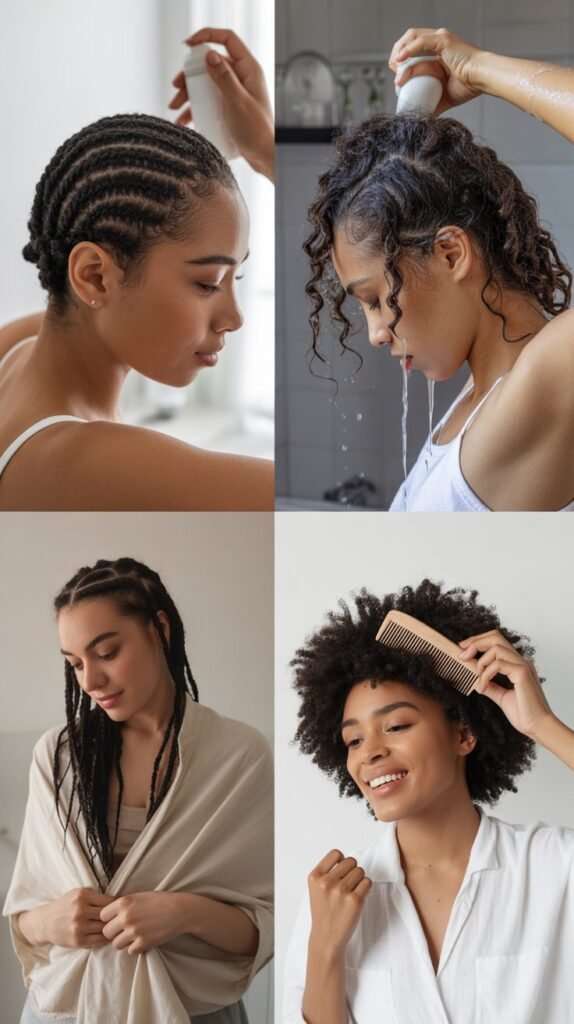
Regular washing prevents buildup and keeps your scalp healthy, but the process requires a delicate approach to avoid causing frizz or loosening your braids prematurely.
Many people avoid washing braids out of fear, but clean hair is healthier hair.
- Wash your cornrows every 1-2 weeks using a sulfate-free shampoo diluted with water in a spray bottle to cleanse without creating excessive lather and frizz.
- Focus the shampoo application on your scalp by gently massaging in between the braids with your fingertips rather than rubbing the braids themselves.
- Rinse thoroughly by letting water flow over your braids in the direction they’re braided rather than scrubbing back and forth, which causes frizz and unraveling.
- Squeeze excess water from your braids gently without twisting or wringing, then press a microfiber towel against them to absorb moisture without roughing up the hair.
- Allow your cornrows to air dry completely or use a hooded dryer on a cool setting, as leaving them damp can lead to mildew growth and unpleasant odors.
8. Address Itching Appropriately
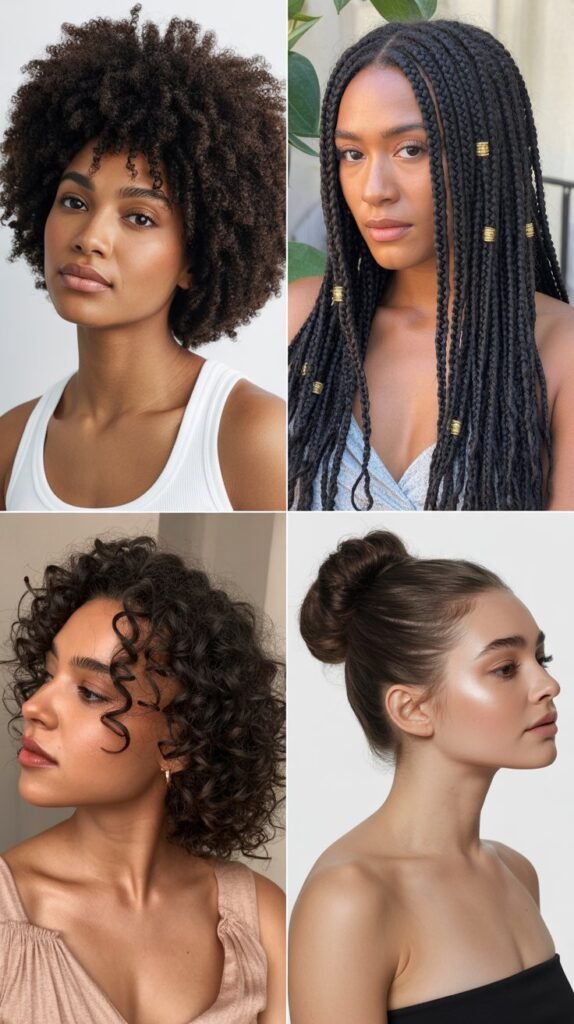
Itching is one of the most common complaints with cornrows and can be caused by various factors including dryness, product buildup, or tension.
Addressing it correctly prevents damage from scratching and keeps you comfortable.
- Apply diluted tea tree oil to your scalp when itching occurs, as its anti-inflammatory and antimicrobial properties soothe irritation and prevent infections.
- Use a rattail comb or your fingertips to gently massage itchy areas rather than scratching with your nails, which can damage your scalp and cause scabs.
- Identify the cause of persistent itching by evaluating whether it’s due to dryness (needs moisture), buildup (needs cleansing), or tension (braids too tight).
- Try an astringent like witch hazel applied with a cotton pad to itchy areas to remove excess oil and reduce inflammation without adding more product.
- Consider whether you’re experiencing an allergic reaction to braiding hair or products used during installation, and remove braids if severe itching persists despite treatment.
9. Refresh Your Edges Weekly
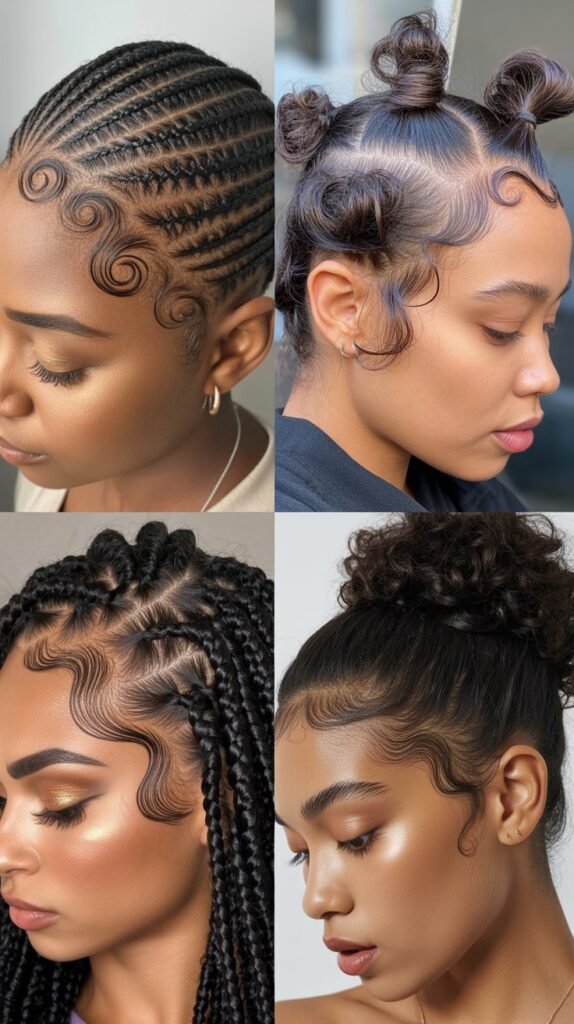
Your edges and nape area require extra attention because they’re exposed to more friction and environmental stress than the rest of your braided hair.
Regular maintenance keeps these areas looking polished and healthy.
- Smooth down flyaways and baby hairs using a small amount of edge control gel or styling cream applied with a soft-bristled brush once a week.
- Re-braid or tuck loose pieces around your hairline and nape if they start to unravel, rather than allowing them to tangle or mat.
- Apply a nourishing oil specifically to your edges and nape area every few days since these sections tend to dry out faster than the rest of your scalp.
- Avoid using heavy gels or products with alcohol as the first ingredient on your edges, as these can cause dryness and breakage over time.
- Be extremely gentle when smoothing edges and never pull or tug tightly, as this defeats the purpose of protecting these vulnerable hairs.
10. Manage the Weight of Extensions
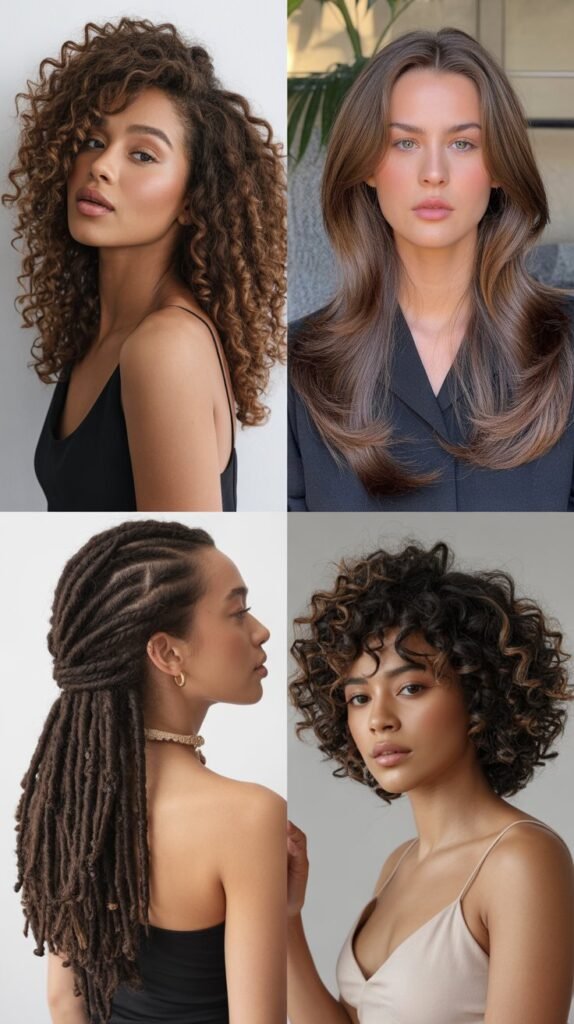
Extension weight significantly impacts the health of your natural hair and scalp, especially during long-term wear. Understanding how to balance aesthetic preferences with hair health prevents permanent damage.
- Choose lighter synthetic or human hair extensions rather than heavy varieties, especially if you have fine or thinning hair that can’t support much weight.
- Limit the length of your cornrows to shoulder length or shorter if you notice scalp pain or headaches, as these are signs that extensions are too heavy for your hair.
- Request less hair be added to each braid during installation, creating slightly thinner cornrows that place less stress on individual hair follicles.
- Pay attention to tension headaches or scalp soreness that develops after getting cornrows, as these symptoms indicate excessive weight or tension that should be addressed immediately.
- Consider removing braids earlier than planned if you experience persistent discomfort from weight, as no hairstyle is worth permanent hair loss.
11. Control Frizz and Flyaways
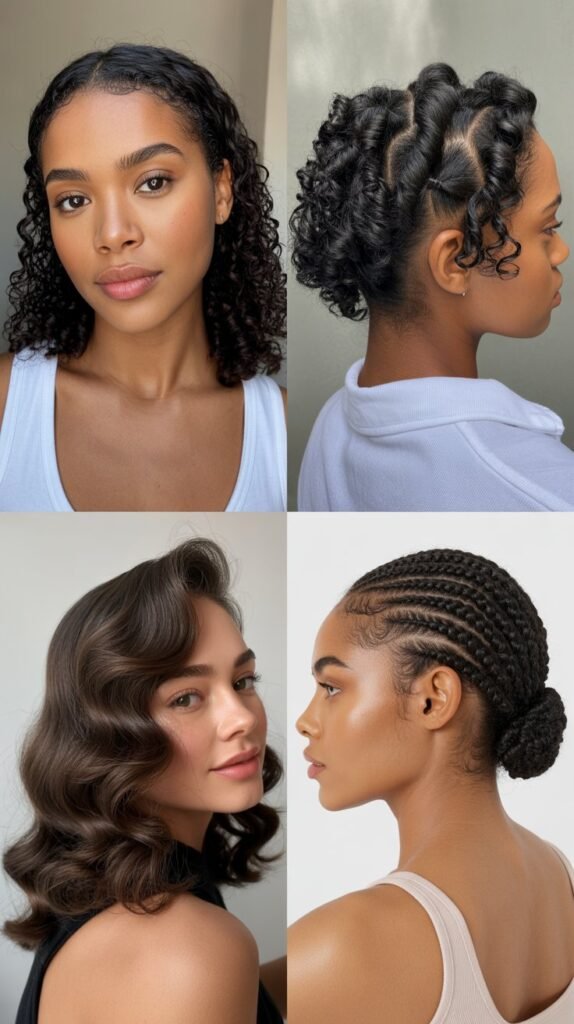
Frizz is inevitable with cornrows over time, but managing it properly keeps your style looking fresh longer and prevents the temptation to manipulate your braids excessively.
Smart frizz control doesn’t damage your hair or scalp.
- Apply a small amount of mousse or styling foam to your palms and smooth it over your cornrows when frizz appears, rather than using heavy gels that cause buildup.
- Use the steam from a hot shower to temporarily smooth down frizz by standing in the bathroom while showering or carefully using a handheld steamer.
- Tie down your cornrows with a silk scarf for 20-30 minutes after applying a light smoothing product to help it set and reduce frizz.
- Accept that some frizz is normal after 2-3 weeks and is actually a sign that your braids aren’t too tight, which is better for your hair health.
- Avoid constantly wetting and re-gelling your braids to combat frizz, as this creates product buildup and can lead to scalp issues over time.
12. Know When to Remove Your Braids
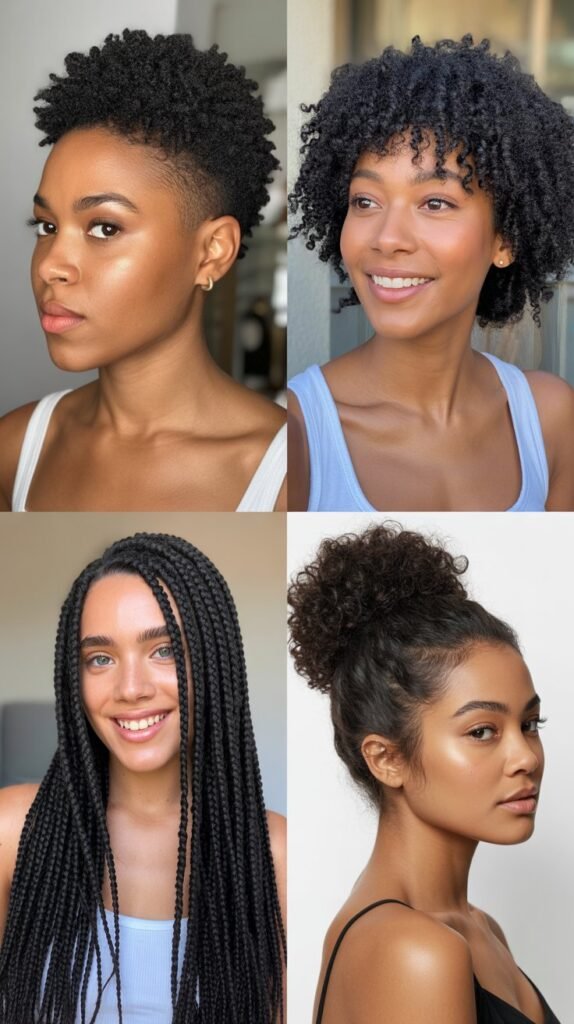
Timing is critical when it comes to taking down cornrows, as wearing them too long causes more damage than the protective benefits they provide.
Recognizing the signs that it’s time to remove your braids preserves your hair health.
- Remove cornrows after 4-6 weeks maximum for optimal hair health, as keeping them in longer increases the risk of matting, loc formation, and severe breakage.
- Take down your braids immediately if you experience persistent scalp pain, excessive itching that doesn’t respond to treatment, or signs of infection like bumps or sores.
- Watch for excessive buildup that can’t be cleansed while braids are in place, as this creates an unhealthy scalp environment that stunts hair growth.
- Pay attention to your hairline and nape thinning or showing signs of stress, which indicates you should remove braids and give these areas time to recover.
- Notice if your braids start to feel loose at the roots, as this means your natural hair has shed and staying braided longer risks tangling and matting of shed hairs.
13. Remove Braids Properly
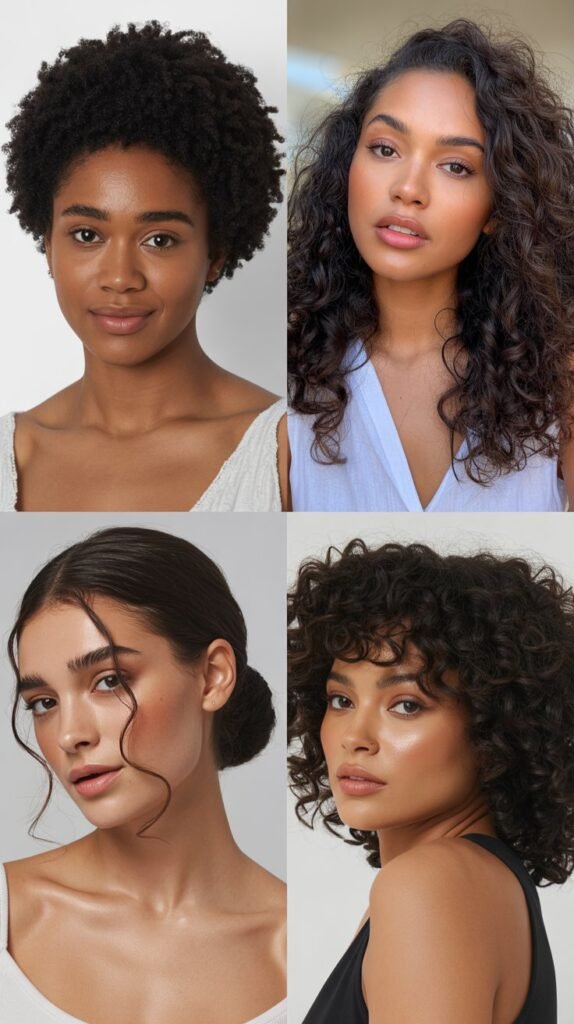
The takedown process is just as important as maintenance while braids are in place, and rushing through it causes unnecessary breakage.
Proper removal preserves the length and health you maintained during your braiding period.
- Cut the extension hair away from your natural hair before attempting to unbraid, which makes the process faster and reduces manipulation of your real hair.
- Unbraid gently and patiently, using your fingers or a rattail comb to carefully separate each section without yanking or pulling on tangled areas.
- Apply a detangling spray or oil as you work through each braid to add slip and make the process easier on your hair.
- Understand that seeing shed hair during takedown is completely normal, as you’re removing 4-6 weeks worth of naturally shed hair that was trapped in the braids.
- Never rip through tangles or try to speed up the process by being rough, as this is when the most breakage occurs and can undo all your careful maintenance.
14. Deep Condition After Removal
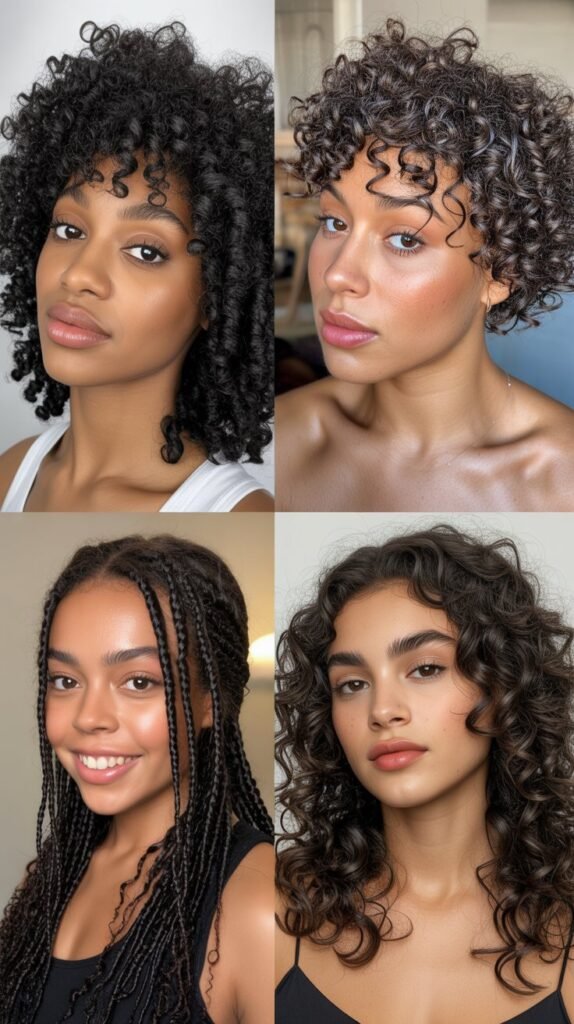
Your hair needs intensive treatment after being braided to restore moisture, strength, and manageability that may have been compromised during the protective styling period.
Post-braid conditioning is essential for maintaining long-term hair health.
- Apply a deep conditioning treatment immediately after removing all braids and gently detangling your hair, leaving it on for at least 45 minutes or overnight for maximum penetration.
- Use a protein treatment if your hair feels excessively soft, mushy, or stretches too much, as these signs indicate protein loss that occurred while braided.
- Focus conditioning on the length and ends of your hair rather than the scalp, as these areas were most exposed to friction and environmental stress while braided.
- Cover your deep conditioning treatment with a plastic cap and apply gentle heat with a hooded dryer or warm towel to help the treatment penetrate the hair shaft more effectively.
- Follow up with a moisturizing conditioner after rinsing protein treatments to restore moisture balance, as protein alone can make hair feel stiff or dry.
15. Detangle Gently Post-Removal
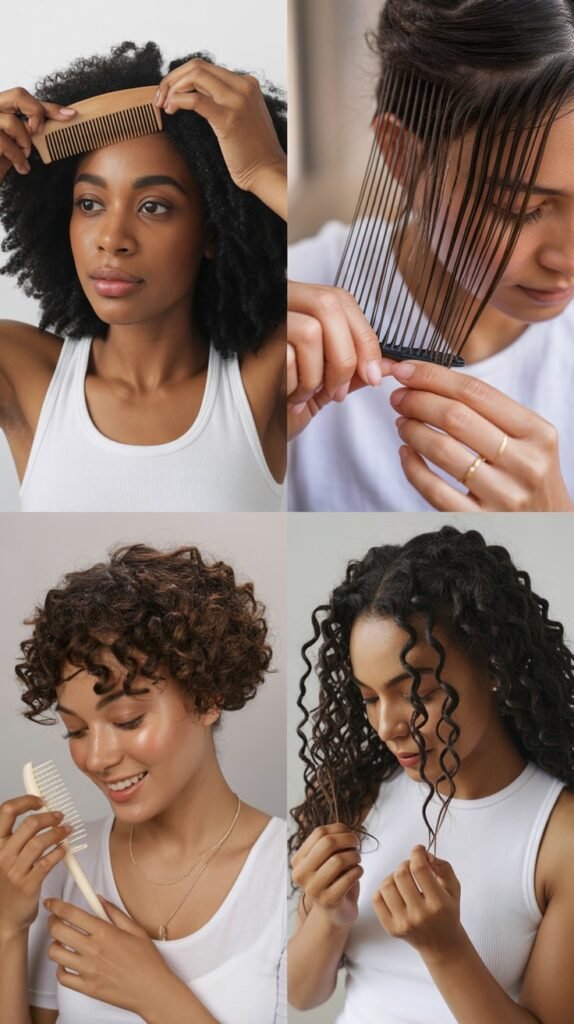
Detangling after cornrows requires patience and the right technique to avoid breaking hair that may be fragile from weeks of being braided.
This step determines how much length retention you achieve from your protective style.
- Start detangling from the ends of your hair and work your way up to the roots gradually, never starting at the roots and pulling down through tangles.
- Use a wide-tooth comb or your fingers for initial detangling while your hair is saturated with conditioner, which provides slip and makes the process easier.
- Separate your hair into small sections and work through one section at a time rather than trying to detangle all your hair at once.
- Apply additional detangling product or conditioner to especially tangled sections rather than forcing a comb through dry, stubborn knots.
- Be prepared to spend 30 minutes to an hour on thorough detangling, as rushing this process is the primary cause of post-braiding breakage.
16. Monitor for Scalp Issues
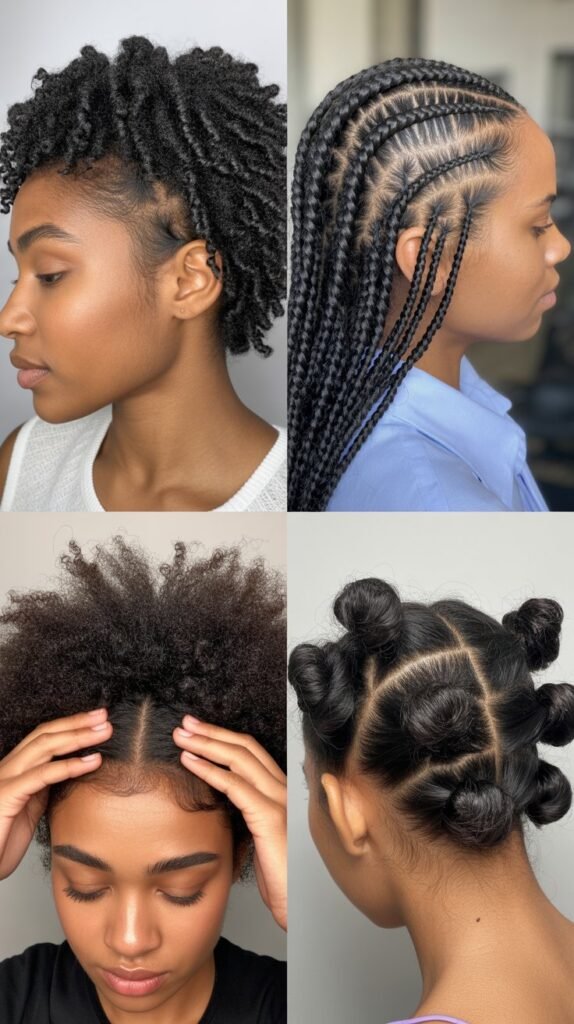
Your scalp health directly impacts the health of your cornrows and your natural hair underneath, so vigilant monitoring helps you catch and address problems before they become serious.
Prevention is always easier than treatment.
- Check your scalp every few days for bumps, redness, excessive flaking, or tender areas that might indicate folliculitis, allergic reactions, or excessive tension.
- Watch for white flakes that differ from normal dandruff, which could indicate product buildup rather than a scalp condition and requires different treatment.
- Be alert to any areas that develop a smell despite regular cleansing, as this can indicate bacterial or fungal growth that needs immediate attention.
- Notice if certain areas of your scalp become increasingly tender over time, which suggests tension damage that requires loosening or removing those braids.
- Consult a dermatologist if you develop persistent scalp issues while braided rather than trying to treat them yourself, as some conditions worsen without proper medical care.
17. Adjust Your Lifestyle
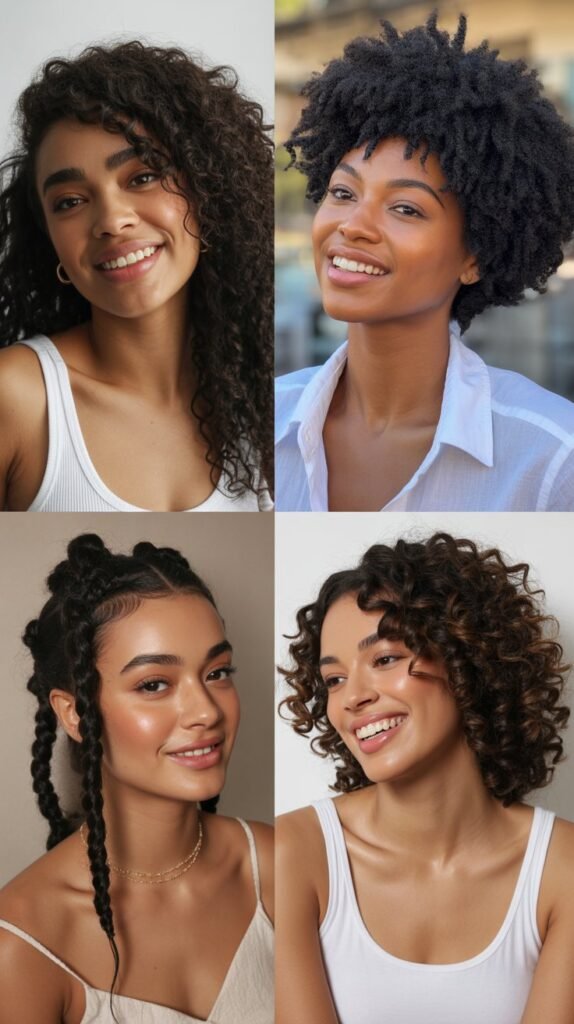
Your daily activities and habits impact how well your cornrows hold up and how healthy your hair remains underneath them. Making small lifestyle adjustments maximizes the benefits of your protective style.
- Reduce workout intensity for the first few days after getting braids to allow your scalp to adjust to the tension before adding sweat and manipulation.
- Tie your braids back or up when exercising to prevent excessive sweating at the nape and reduce the amount of sweat absorbed into your braids.
- Swim with caution by wearing a swim cap or avoiding submerging your cornrows, as chlorine and salt water cause dryness and buildup that’s difficult to remove.
- Adjust your shower routine by keeping your braids out of the direct stream of hot water when possible, as excessive wetting between wash days can cause frizz and loosening.
- Be mindful of car headrests, winter hats, and other sources of friction that can cause frizz or breakage to your cornrows throughout the day.
18. Nourish from Within

External hair care is only half the equation for healthy hair during protective styling, and your nutrition directly impacts how well your hair grows and maintains strength while braided.
Internal health shows up in your hair.
- Increase your water intake to at least 8 glasses daily to hydrate your body and hair from the inside out, as dehydration makes hair brittle and prone to breakage.
- Take biotin supplements or ensure you’re getting adequate biotin from foods like eggs, nuts, and salmon to support hair growth and strength during your braiding period.
- Consume protein-rich foods regularly since hair is primarily made of protein, and inadequate dietary protein leads to weak, slow-growing hair regardless of external care.
- Add omega-3 fatty acids to your diet through fish, flaxseeds, or supplements to reduce scalp inflammation and support overall hair health.
- Consider a multivitamin that includes vitamins A, C, D, and E along with iron and zinc, as deficiencies in these nutrients commonly contribute to hair problems.
| Nutrient | Benefit for Braided Hair | Food Sources |
|---|---|---|
| Biotin | Strengthens hair, promotes growth | Eggs, nuts, sweet potatoes, salmon |
| Protein | Provides building blocks for hair structure | Chicken, fish, beans, Greek yogurt |
| Omega-3 | Reduces inflammation, nourishes follicles | Salmon, walnuts, flaxseeds, chia seeds |
| Iron | Prevents shedding, supports growth | Spinach, red meat, lentils, fortified cereals |
| Vitamin E | Protects against damage, improves circulation | Almonds, avocado, sunflower seeds |
| Water | Hydrates hair from within | Plain water, herbal teas, water-rich fruits |
19. Protect Against Environmental Damage

Environmental factors constantly affect your cornrows and can accelerate deterioration or damage if you don’t take precautions.
Awareness and protection extend the life of your style and preserve hair health.
- Cover your cornrows with a scarf or hat when spending extended time in direct sunlight, as UV rays dry out both your natural hair and extensions.
- Apply a leave-in conditioner with UV protection before outdoor activities to create a barrier against sun damage and environmental pollutants.
- Protect your braids from harsh winter weather by wearing a satin-lined hat or wrapping them before putting on winter headwear to prevent friction and moisture loss.
- Be cautious in chlorinated pools and hot tubs by either avoiding submerging your hair or rinsing immediately afterward and applying moisturizing products.
- Minimize exposure to smoke, heavy pollution, and other environmental irritants that can settle on your braids and scalp, causing buildup and damage.
20. Maintain a Cleansing Schedule
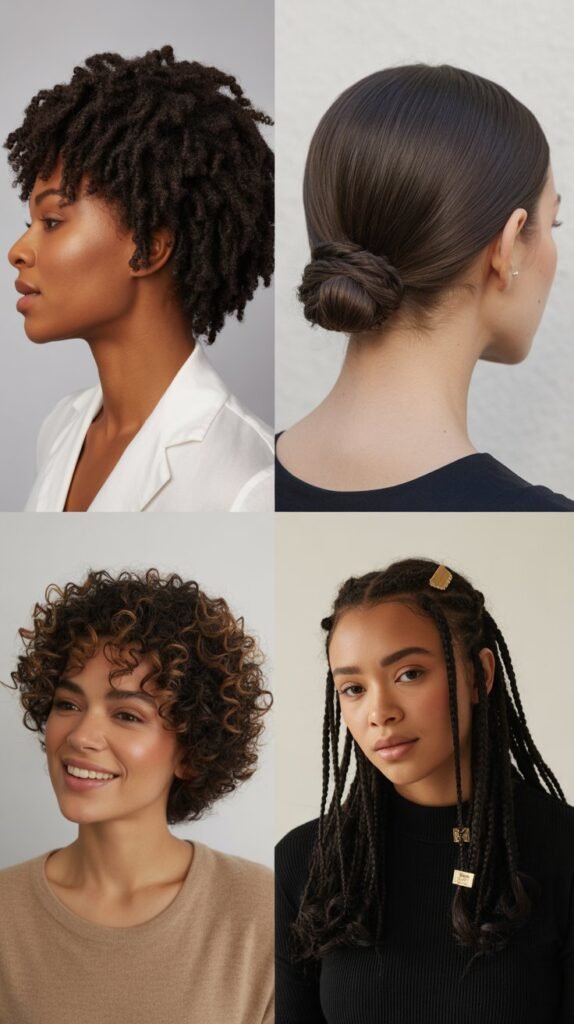
Consistency in cleansing prevents the accumulation of problems that develop from neglect while still respecting the need to preserve your braiding work.
A schedule removes the guesswork and ensures optimal hygiene.
- Establish a specific washing day every 7-10 days and stick to it rather than washing randomly or only when problems develop.
- Create a quick mid-week refresh routine that includes scalp cleansing with witch hazel or astringent and moisturizing to maintain comfort between full wash days.
- Mark your braiding date and removal date on a calendar to track how long your cornrows have been in and ensure you don’t exceed the recommended timeframe.
- Keep all your cornrow care products in one designated location so you’re never tempted to skip steps because products aren’t readily available.
- Set phone reminders for daily moisturizing and nighttime protection until these habits become automatic parts of your routine.
21. Choose Quality Products
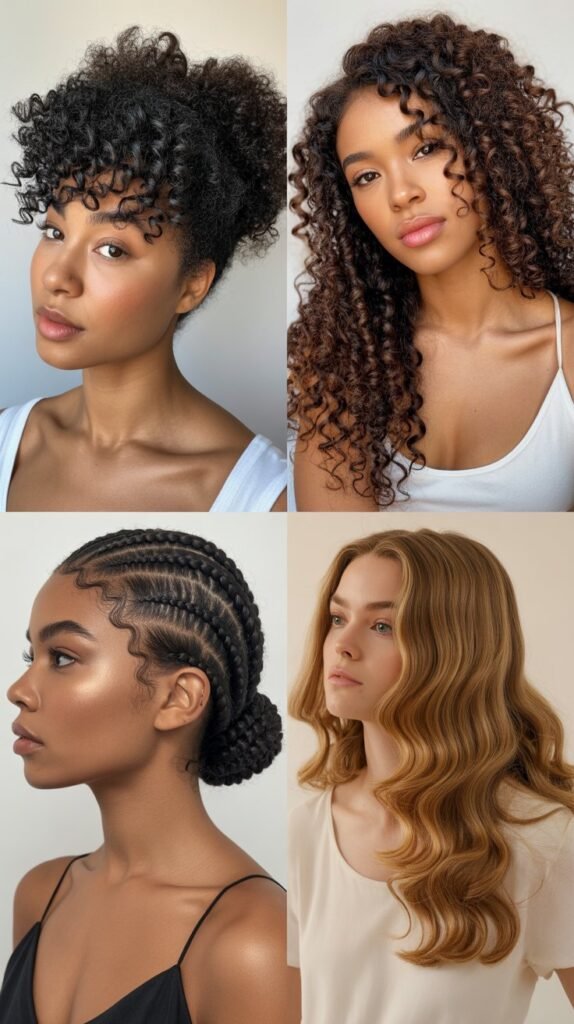
The products you use on your cornrows directly impact their appearance, your scalp health, and the condition of your natural hair underneath.
Investing in quality products prevents problems rather than just treating them.
- Select sulfate-free shampoos that cleanse effectively without stripping natural oils or causing excessive dryness to your braided hair and scalp.
- Use lightweight oils like jojoba, argan, or grapeseed that absorb easily rather than heavy oils like coconut or olive that can cause buildup on braided hair.
- Choose water-based leave-in conditioners as your primary moisturizer since water is the only true moisturizer and should be the first ingredient.
- Avoid products containing mineral oil, petroleum, or heavy silicones as these create coating and buildup that’s difficult to remove from cornrows.
- Invest in a good silk or satin scarf or bonnet rather than using makeshift coverings, as the smooth material quality directly affects how well it protects your braids.
22. Handle New Growth Carefully
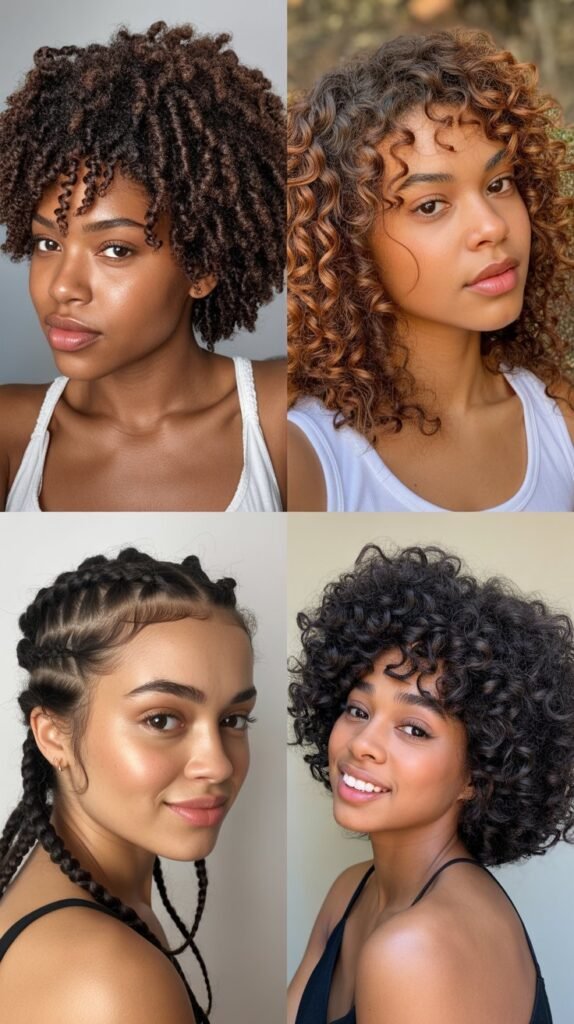
As your natural hair grows while braided, the new growth creates additional maintenance considerations and potential for damage if not managed properly.
The line where braided hair meets new growth is particularly vulnerable.
- Apply extra moisturizer to your roots and new growth areas starting around week 3, as this unbraided hair dries out faster than the protected braided sections.
- Avoid pulling on your cornrows or manipulating them excessively as new growth accumulates, since the weight of braids on loose new growth increases breakage risk.
- Consider removing braids around 4-5 weeks if you have fast-growing hair, as excessive new growth makes removal more difficult and increases tangling.
- Be extremely gentle when washing once significant new growth is present, using diluted shampoo and avoiding vigorous scrubbing that can tangle loose roots.
- Notice if your braids start to feel heavy or pull differently as new growth accumulates, which indicates it’s approaching time for removal regardless of calendar timeline.
23. Learn Basic Repair Techniques
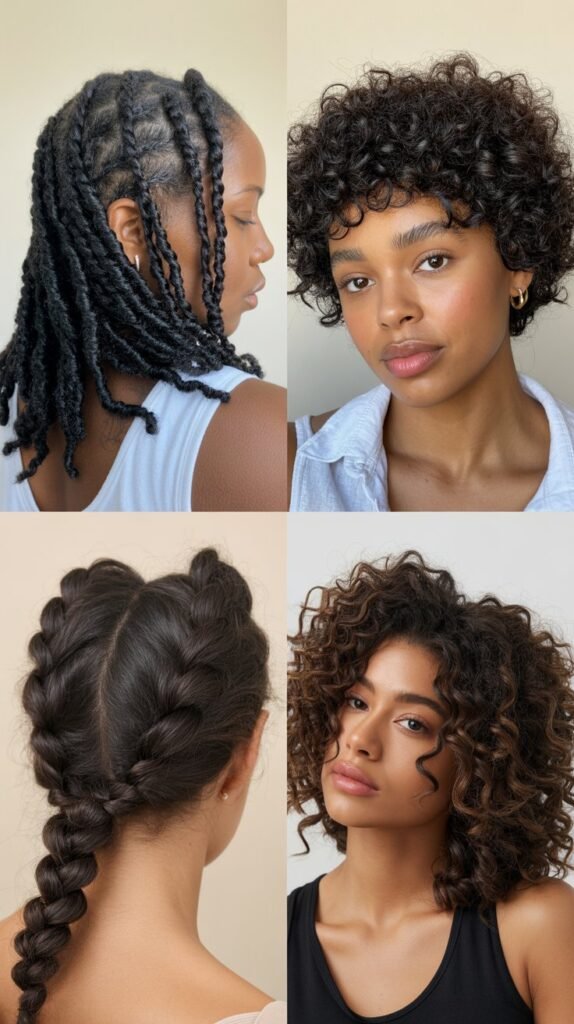
Minor issues like loose ends or slightly unraveling sections don’t always require immediate professional help if you know safe repair methods. Basic skills extend the life of your style without causing damage.
- Secure loose braid ends by carefully re-braiding the last inch if it comes undone, using a tiny bit of edge control to help it stay without making it sticky.
- Tuck flyaways back into nearby cornrows using a rattail comb or your fingers rather than leaving them loose where they’ll tangle or break.
- Apply a small amount of mousse or foam to slightly loosening sections near your scalp and tie them down with a scarf for 20 minutes to tighten them temporarily.
- Know when to call a professional rather than attempting complex repairs, especially if multiple braids are coming loose or you’re seeing signs of damage.
- Never add additional tension or re-braid tightly at the roots as a repair method, as this creates more stress and can accelerate traction alopecia.
24. Avoid Common Mistakes
Many cornrow wearers unknowingly engage in practices that undermine their protective styling efforts and damage their hair. Awareness of common errors helps you avoid them and achieve better results.
- Never leave cornrows in for 8-12 weeks despite claims that protective styles should last longer, as extended wear always causes more damage than benefit.
- Don’t skip nighttime protection even for one night, as a single night of friction against cotton pillowcases can cause significant frizz and undoing of your maintenance efforts.
- Avoid constantly touching, pulling, or playing with your braids throughout the day, as this manipulation causes frizz, loosening, and unnecessary stress on your hairline.
- Don’t use regular shampoo instead of diluted sulfate-free alternatives, as harsh cleansers strip oils and cause the excessive dryness many people complain about with braids.
- Never ignore pain or persistent discomfort from your cornrows under the assumption that protective styles are supposed to hurt, as pain always indicates damage occurring.
25. Optimize Your Nighttime Routine

Developing a consistent nighttime routine ensures your cornrows and natural hair receive the attention they need during the hours when the most damage typically occurs.
Nighttime care compounds over weeks to produce significant results.
- Apply your lightest moisturizing products at night so they have hours to absorb while you sleep rather than sitting on the surface of your braids.
- Perform a gentle scalp massage for 2-3 minutes before bed to stimulate circulation and promote healthy hair growth while your hair is in a protective state.
- Check that your scarf or bonnet is secure and comfortable before getting into bed, adjusting it if necessary to ensure it won’t slip off during sleep.
- Keep a backup satin scarf or bonnet on your nightstand so you always have protection available even if your primary one needs washing.
- Make nighttime protection as automatic as brushing your teeth by keeping supplies visible and maintaining the habit even when tired or busy.
26. Understand Your Hair’s Limits

Every person’s hair has different tolerance levels for tension, extension weight, and protective styling duration based on genetics, hair health, and history. Respecting your individual limits prevents damage.
- Pay attention to how your hair responds to cornrows over multiple installations to identify patterns about optimal braid size, duration, and extension weight for your specific hair.
- Don’t compare your experience to others who keep cornrows in longer or wear tighter styles, as their hair may have different characteristics and tolerance levels.
- Reduce braid duration or size if you consistently experience breakage, thinning, or scalp issues after wearing cornrows even with proper maintenance.
- Consider whether your hair needs a break from protective styling if you’ve been wearing continuous braids, weaves, or other tension styles for many months
Act as a 20 years experienced blog post content writer. I am going to write separate an article,titled:
27 Level Up Male Cornrow Hairstyles That Instantly Upgrade Your Style
Through the intro, make the audiences hopeful to read the whole article.in the intro AND CONCLUSION paragraph, write the title of the article exactly and naturally.
The article should be completely copyright free and easy to read to the audiences.
each of the sentences of each paragraph should be separated with bullet points. Do not use bullet points in the intro paragraph and conclusion paragraph.
Put serial number before each of the subheadings will be 2nd heading.very beginning of each subheadings , introduce the subheadings in short or 2-3 sentences.
In the introduction of each articles , Write an overview of the whole article . In the all subheadings of each articles , at the beginning write 2-3 sentences or more for introduction.
Use table where necessary in the middle of the each articles if necessary Use strong external links where necessary in each of the articles. Each of the articles must be 100% copyright free and easy to read.
Do not need to write name of the sources. Add image prompt to create related image with each of the subheadings from ideogram.
all the prompts must contain the words ‘realistic 2/3/4/5/or 6 image collage’ to ensure realistic and natural image creation.No extra sentences, all the sentences must be to the points to the title of the article.
Introduction should be concise and to the point.
All the subheadings of the article would be deeply informative, unique and copyright free.Show more
- Accept that some hair types and conditions require modified approaches to cornrows, such as looser braiding or shorter duration, rather than forcing a standard approach.
27. Stay Informed About Products
The hair care industry constantly evolves with new products and ingredients, and staying educated helps you make better choices for your cornrow maintenance.
Knowledge prevents wasting money on ineffective or harmful products.
- Read ingredient labels rather than relying solely on product claims, focusing on the first five ingredients which make up the majority of the formula.
- Research ingredients you don’t recognize using reliable sources like the Environmental Working Group’s Skin Deep database or cosmetic chemistry blogs.
- Follow reputable natural hair care experts and trichologists on social media or blogs to learn about new products and techniques backed by science.
- Join online communities focused on protective styling to learn from others’ experiences with specific products and get recommendations based on similar hair types.
- Be skeptical of products making miraculous claims about growth or repair, as no external product can dramatically alter your genetic hair growth rate or reverse significant damage.
28. Budget for Quality Care
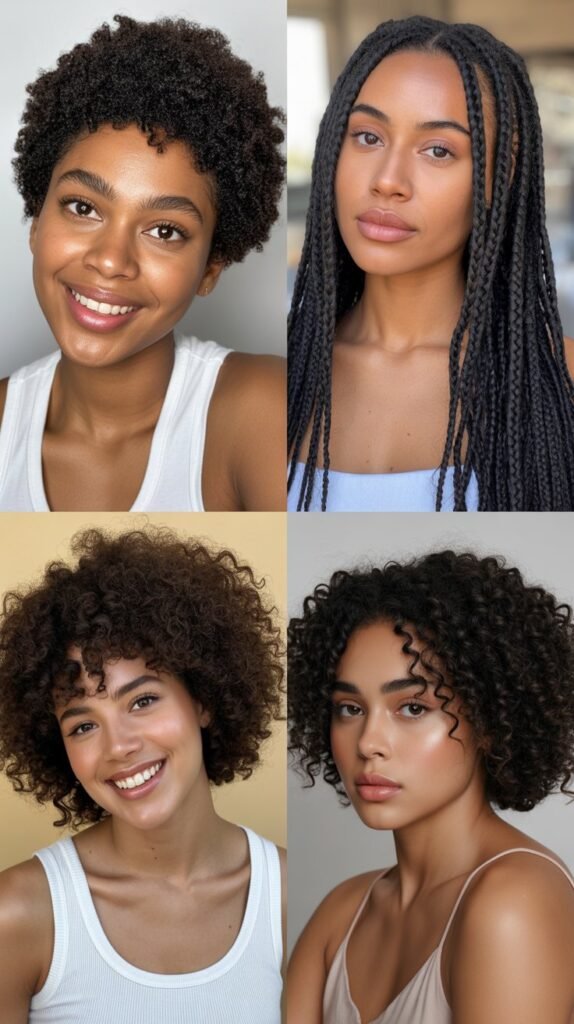
Proper cornrow maintenance requires some financial investment in products, tools, and professional services, but budgeting strategically ensures you get the best value.
Cutting corners often leads to hair damage that’s expensive to correct.
- Invest more in installation from a skilled braider who uses proper tension rather than choosing the cheapest option, as quality braiding prevents most common problems.
- Purchase full-size bottles of key products like your moisturizing spray and oil rather than constantly buying small sizes, as the per-ounce cost is significantly lower.
- Prioritize spending on silk or satin protective items and quality shampoo over trendy styling products that aren’t essential for maintenance.
- Set aside money for a professional deep conditioning treatment after removing cornrows rather than skipping this step that’s crucial for hair recovery.
- Consider the total cost of cornrows including maintenance products when budgeting, not just the installation price, to avoid running out of essential supplies mid-style.
| Expense Category | Estimated Cost | Priority Level | Frequency |
|---|---|---|---|
| Professional Installation | $80-200 | High | Every 4-6 weeks |
| Quality Silk/Satin Bonnet or Scarf | $10-25 | High | Replace every 6-12 months |
| Sulfate-Free Shampoo | $8-15 | High | Purchase every 2-3 months |
| Lightweight Moisturizing Oil | $10-20 | High | Purchase every 2-3 months |
| Leave-In Conditioner Spray | $8-15 | High | Purchase every 1-2 months |
| Deep Conditioner (post-removal) | $12-25 | Medium | Use after each removal |
| Scalp Treatment Products | $10-18 | Medium | Purchase as needed |
| Edge Control (optional) | $5-12 | Low | Purchase every 3-4 months |
29. Recognize Signs of Damage
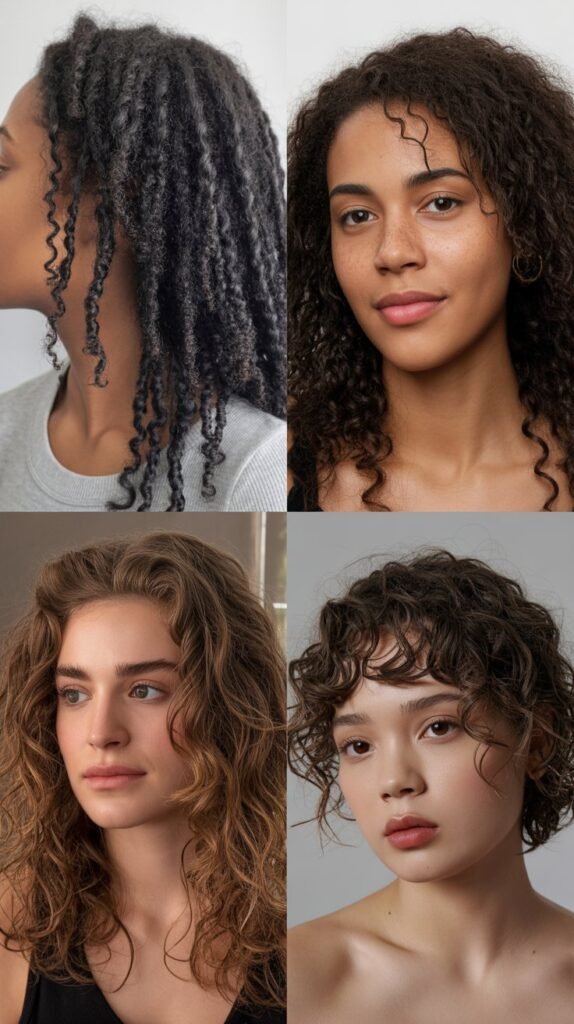
Early detection of hair or scalp damage while wearing cornrows allows you to take corrective action before problems become severe or permanent. Knowing what to look for protects your hair health.
- Watch for unusual amounts of shedding when you touch your cornrows, which can indicate breakage rather than normal shedding trapped in the braids.
- Notice if your hairline appears thinner or receded after removing cornrows, which signals traction damage that requires immediate cessation of tight styles.
- Check for small bumps or scabs on your scalp that don’t heal within a few days, which may indicate folliculitis or infection requiring medical attention.
- Be alert to changes in your hair’s texture after removal, such as increased brittleness, less elasticity, or difficulty retaining moisture compared to before braiding.
- Pay attention to bald patches or areas where hair isn’t growing back after removal, which indicates follicle damage that may be temporary or permanent depending on severity.
30. Customize Your Approach
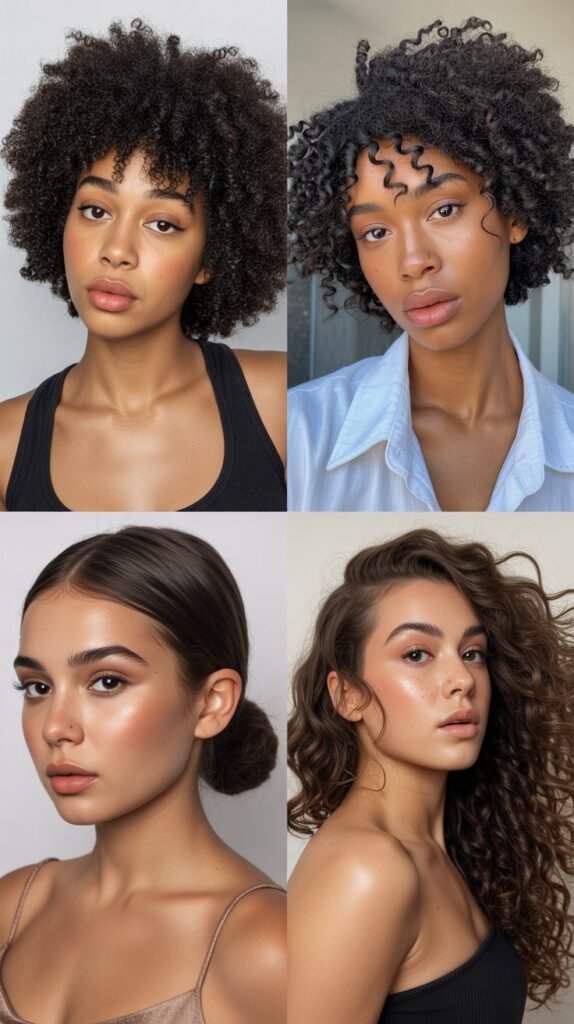
While general guidelines provide a foundation for cornrow care, personalizing your routine based on your specific hair characteristics, lifestyle, and preferences leads to the best results. One size doesn’t fit all in hair care.
- Adjust washing frequency based on your activity level, with more active lifestyles requiring more frequent cleansing than sedentary routines.
- Choose products based on your hair’s porosity, with low porosity hair benefiting from lighter products and high porosity hair needing heavier moisturizers.
- Modify braid size and duration based on your hair density, with finer hair requiring larger braids and shorter duration than thick, coarse hair.
- Select styling patterns that work with your hairline shape and density rather than forcing trendy styles that create excessive tension on your particular hair distribution.
- Experiment with different techniques over multiple installations to discover what works best for your unique hair, keeping notes about what produces the best results.
31. Prepare for Seasonal Changes

Different seasons present unique challenges for cornrow maintenance, and adjusting your care routine accordingly prevents weather-related damage. Proactive seasonal adaptation maintains optimal hair health year-round.
- Increase moisturizing frequency during winter months when indoor heating and cold air cause excessive dryness to both scalp and braided hair.
- Apply stronger UV protection and cover your braids more often during summer when sun exposure is most intense and damaging to hair.
- Combat summer sweat and swimming by washing more frequently and using clarifying treatments to prevent buildup from chlorine or salt water.
- Protect your braids from rain and humidity in spring by carrying a silk scarf or hood to prevent excessive moisture that causes frizz and unraveling.
- Address fall dryness as weather transitions by incorporating leave-in treatments and heavier sealing oils than you use during humid months.
32. Plan Your Next Steps
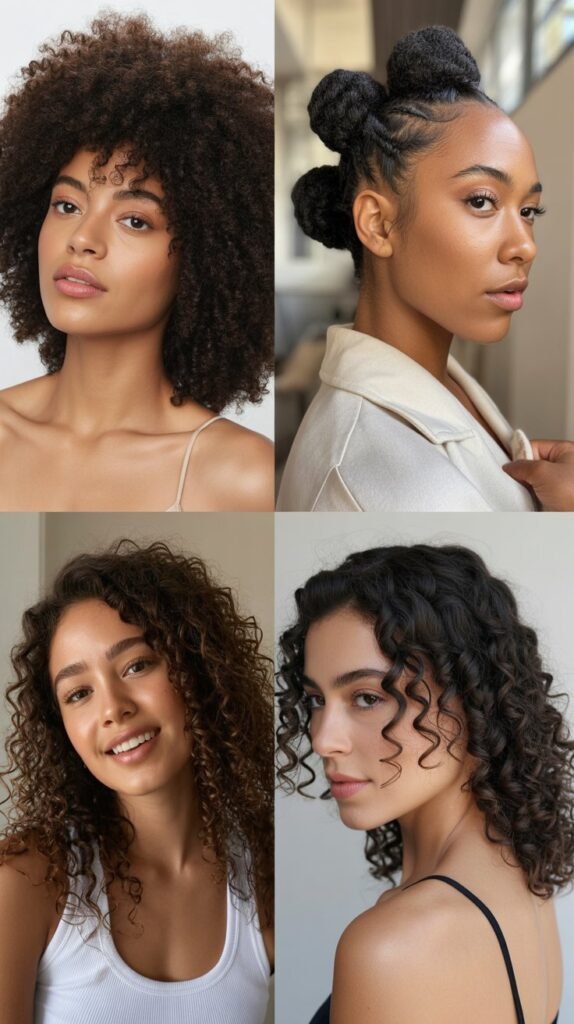
Strategic planning for your hair care journey after removing cornrows ensures you maintain the health benefits of protective styling and continue progressing toward your hair goals.
Forward thinking prevents impulsive decisions that damage progress.
- Schedule your takedown appointment or set aside adequate time for DIY removal at least a week before your planned removal date to avoid rushing.
- Purchase or prepare your post-removal treatments, including deep conditioner, protein treatment, and detangling products, before taking braids down.
- Decide whether you’ll reinstall cornrows immediately, try a different protective style, or give your hair a break based on how it responds to removal.
- Plan a low-manipulation style to wear during the week after removal while your hair recovers, avoiding the temptation to apply heat or tight styling immediately.
- Reflect on what worked and what didn’t during your cornrow experience, making notes about adjustments for your next installation to continually improve your approach.
Conclusion
Mastering the art of cornrow care requires dedication, but the rewards of healthy, thriving hair and beautiful, long-lasting braids make every effort worthwhile.
Throughout this guide on 32 Essential Cornrow Care Tips for Healthier Braids, you’ve discovered comprehensive strategies covering every aspect of the cornrow journey from preparation through removal and recovery.
By implementing proper washing techniques, consistent moisturizing routines, scalp health monitoring, protective nighttime practices, and intelligent product selection, you transform cornrows from a potentially damaging style into a truly protective one that promotes growth and preserves your hair’s integrity.
Remember that patience, gentleness, and listening to your hair’s unique needs are the cornerstones of successful protective styling.
Whether you’re wearing cornrows for convenience, hair growth, or aesthetic preference, these evidence-based practices ensure you achieve your hair goals while maintaining the health and beauty of your natural hair.
Take what you’ve learned, customize the approach to fit your individual circumstances, and enjoy the confidence that comes with knowing you’re giving your cornrows and natural hair the exceptional care they deserve.