The 1990s revolutionized men’s grooming and self-expression in ways that continue to influence modern style.
From grunge rock stages to hip-hop music videos, from Hollywood heartthrobs to professional athletes, the decade introduced hairstyles that broke traditional boundaries and celebrated individuality.
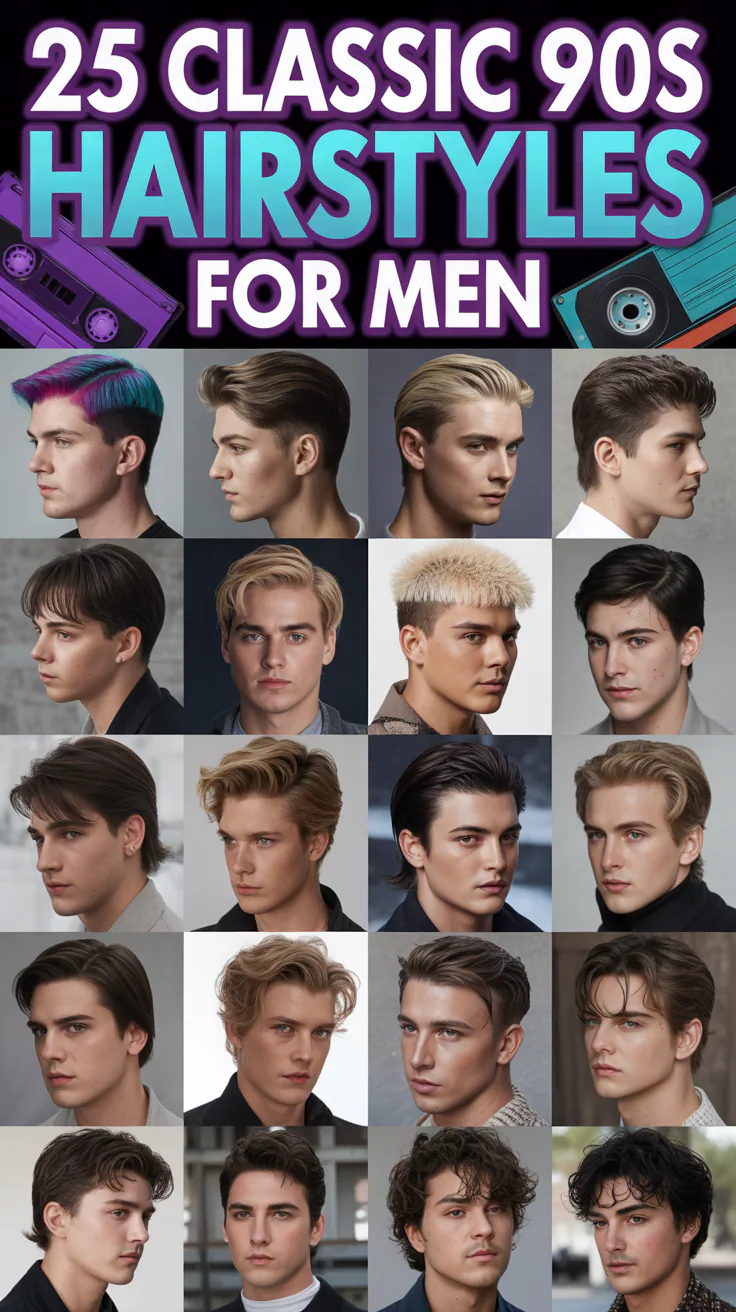
25 Classic 90s Hairstyles for Men explores the iconic looks that defined a generation and remain relevant today.
This comprehensive guide examines the techniques, cultural significance, and styling methods behind each legendary haircut, offering insights into frosted tips, curtain bangs, high-top fades, and countless other signature styles.
Whether you’re seeking nostalgic inspiration or discovering these trends for the first time, understanding these classic looks provides a foundation for appreciating how 90s men’s hairstyles transformed personal grooming from simple maintenance into a powerful form of creative expression.
1. The Curtain Haircut

The curtain haircut emerged as one of the most recognizable and widely adopted hairstyles of the 1990s, characterized by hair parted down the middle and falling to frame both sides of the face like drawn curtains.
This look gained massive popularity through actors like Leonardo DiCaprio and Jonathan Taylor Thomas, becoming synonymous with teen heartthrobs of the era.
Key Features:
- Hair length typically reaches chin to shoulder level
- Natural center part creates symmetrical framing
- Layers add movement and prevent excessive weight
- Works best with straight to slightly wavy hair textures
- Requires regular conditioning to maintain healthy shine
Styling Process:
- Wash hair and towel dry until slightly damp
- Apply light volumizing mousse from roots to mid-lengths
- Create precise center part using a fine-toothed comb
- Blow dry each side away from the face while brushing forward
- Finish with minimal hairspray for natural hold
Modern Adaptation:
- Contemporary versions incorporate textured ends for relaxed appearance
- Balayage or subtle highlights add dimension
- Can be styled with slight side part for variation
- Popular among men seeking low-maintenance medium-length styles
2. Frosted Tips

Frosted tips defined the late 90s and early 2000s transition period, featuring bleached or platinum blonde ends contrasting with darker roots.
This bold color technique became synonymous with boy bands, particularly NSYNC and Backstreet Boys, creating a rebellious yet polished aesthetic.
Bleaching Technique:
- Professional colorist applies lightener only to hair tips
- Processing time varies based on desired platinum level
- Toner application neutralizes unwanted brassy tones
- Root area remains natural or slightly darker shade
- Maintenance required every 4-6 weeks as hair grows
Popular Variations:
- Chunky frosted pieces throughout entire head
- Subtle face-framing highlights only
- Extreme contrast with jet-black base color
- Golden blonde frost for warmer undertones
- Silver-toned frost for cooler complexions
Hair Care Requirements:
- Purple shampoo maintains bright blonde tones
- Deep conditioning treatments prevent breakage
- Heat protectant essential before styling tools
- Regular protein treatments strengthen processed hair
- Minimize washing frequency to preserve color vibrancy
Cultural Impact:
- Represented youth rebellion against conservative grooming standards
- Featured prominently in MTV music videos and award shows
- Influenced teenage fashion choices worldwide throughout late 90s
- Experienced recent revival among Gen-Z experimenting with nostalgic trends
3. High-Top Fade

The high-top fade stood as an iconic statement within hip-hop culture and African-American communities throughout the late 80s and 90s.
This distinctive style features closely shaved sides with significant height on top, creating a flat, elevated surface that showcased precision barbering skills.
Barbering Technique:
- Clippers create graduated fade on sides and back
- Top section grown out 3-5 inches for proper height
- Flat surface achieved through careful shaping and trimming
- Sharp lineup defines crisp edges around hairline
- Regular maintenance every 1-2 weeks maintains shape
Famous Proponents:
- Will Smith popularized the look on “The Fresh Prince of Bel-Air”
- Kid ‘n Play took the style to extreme heights in “House Party” films
- Professional athletes including Gerald Wilkins wore variations
- Hip-hop artists featured the style in music videos throughout the decade
Styling Products:
- Strong-hold gel creates structured, polished appearance
- Sheen spray adds healthy glow without greasiness
- Edge control defines sharp lineup precision
- Moisturizing pomade prevents dryness on top section
- Pick or wide-tooth comb shapes and maintains height
Contemporary Relevance:
- Modern versions incorporate designs shaved into sides
- Lower height variations appeal to professional environments
- Textured tops replace ultra-flat surfaces for relaxed look
- Barbers showcase intricate fade techniques through this classic cut
4. The Caesar Cut
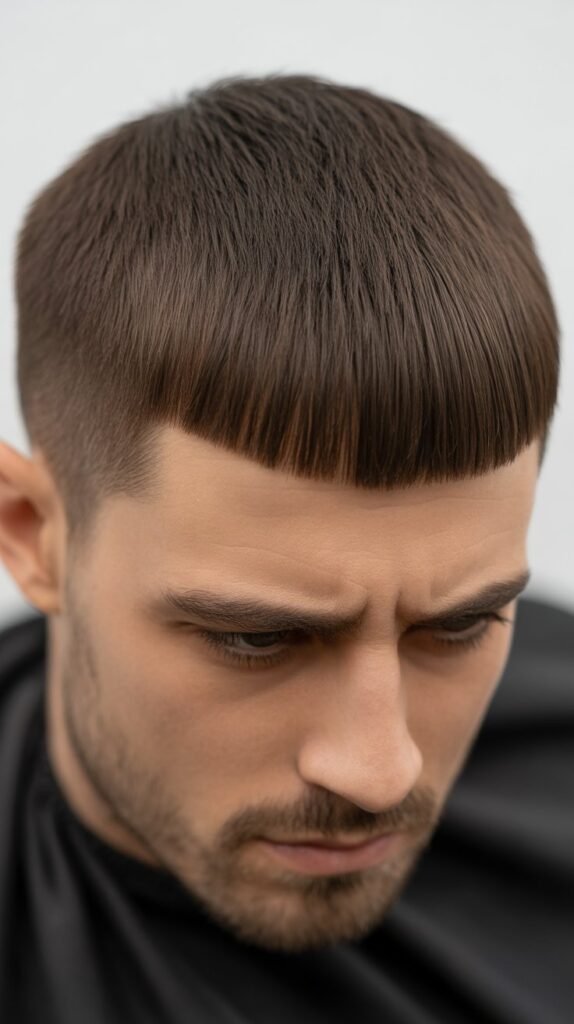
Named after Julius Caesar’s historic hairstyle, the Caesar cut gained tremendous popularity in the 1990s as a low-maintenance, masculine option featuring short length with a small fringe brushed forward.
George Clooney prominently wore this style during his “ER” years, contributing to its mainstream acceptance.
Cut Specifications:
- Hair length ranges from 0.5 to 3 inches throughout
- Horizontal fringe brushed forward across forehead
- Even length maintained on top, sides, and back
- Subtle layering prevents blunt, heavy appearance
- Ideal for men with thinning hair or receding hairlines
Styling Method:
- Apply small amount of matte pomade to damp hair
- Use fingers to push hair forward toward face
- Create textured, piece-y look rather than slicked appearance
- Minimal styling time required daily
- Air drying acceptable for casual occasions
Face Shape Compatibility:
- Oval faces suit the fringe particularly well
- Round faces benefit from slight height variation on top
- Square faces enhanced by softening angular features
- Diamond faces complemented by forward fringe balance
Professional Appeal:
- Conservative enough for corporate environments
- Military-inspired aesthetic conveys discipline and authority
- Easy maintenance fits busy professional schedules
- Timeless quality ensures style never appears dated
5. Bleached Blonde All-Over
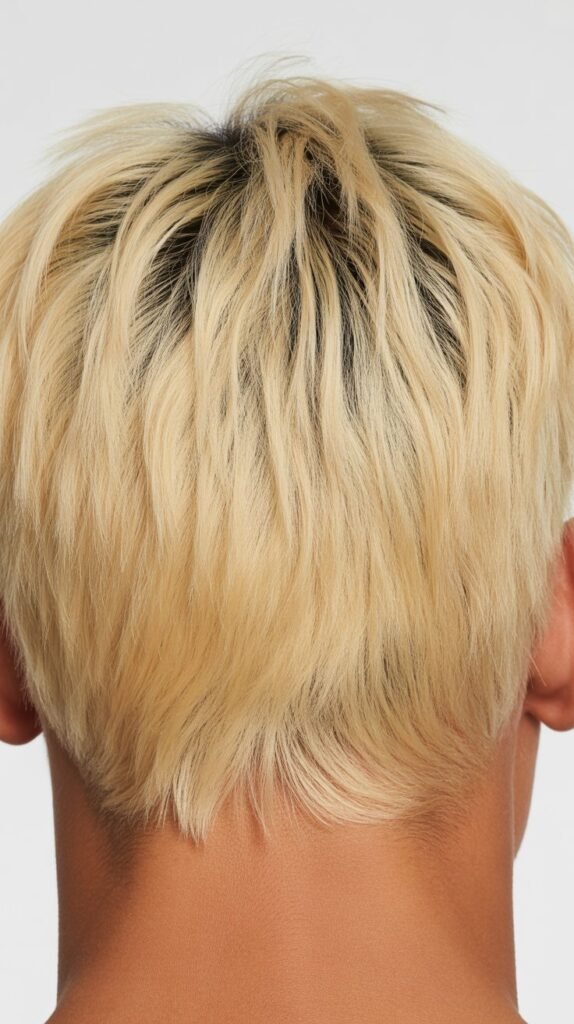
The complete bleached blonde transformation represented ultimate commitment to 90s alternative fashion, with entire heads dyed platinum or bright blonde regardless of natural color.
Musicians like Eminem and athletes like Dennis Rodman made this extreme color choice a cultural phenomenon.
Bleaching Process:
- Multiple sessions often required for dark hair
- Professional application prevents chemical burns and damage
- Toner application achieves desired blonde shade
- Root touch-ups needed every 3-4 weeks
- Pre-lightening treatments prepare hair for transformation
Shade Variations:
- Platinum blonde creates striking, almost white appearance
- Golden blonde offers warmer, sun-kissed effect
- Butter blonde provides softer, more natural look
- Ash blonde eliminates warm undertones for cool tone
- Champagne blonde delivers subtle, sophisticated blonde
Damage Prevention:
- Olaplex treatments rebuild broken bonds during bleaching
- Leave-in conditioner provides constant moisture
- Reduce heat styling to prevent additional damage
- Regular trims remove split ends and breakage
- Silk pillowcases minimize friction during sleep
Lifestyle Considerations:
- Significant time investment for maintenance appointments
- Higher financial commitment than natural color
- Sun exposure can cause brassiness requiring purple shampoo
- Swimming pools with chlorine turn hair greenish tint
- Professional careers may require conservative appearance
6. Spiky Hair with Gel

Spiky hair achieved through generous gel application became the go-to style for millions of men throughout the 90s.
This textured, gravity-defying look required significant product and offered edgy, youthful energy that dominated everything from school hallways to nightclubs.
Product Selection:
- Strong-hold gel provides necessary structure and support
- Fiber-based products create separation between spikes
- Wet-look gels deliver shiny, deliberate appearance
- Matte finish products offer modern, natural texture
- Wax-gel hybrids provide flexibility with hold
Application Technique:
- Start with towel-dried, slightly damp hair
- Emulsify generous amount of gel between palms
- Work product evenly through hair from roots to ends
- Use fingertips to pull hair upward into desired spikes
- Allow air drying or use blow dryer for extra hold
Height and Direction Options:
- All spikes pointing straight up for maximum height
- Forward-angled spikes create aggressive, dynamic look
- Random directional spikes appear more natural and textured
- Short, subtle spikes suitable for conservative settings
- Extreme height achieved through layering multiple products
Popular Culture References:
- Guy Fieri’s signature flame-inspired spikes
- Punk rock bands featured exaggerated spike heights
- Teen movies showcased spiky hair on popular characters
- Professional wrestlers adopted aggressive spiky styles
7. The Mushroom Cut

The mushroom cut featured a rounded, bowl-like silhouette with shaved or very short undercut beneath, creating a distinctive shape resembling its namesake fungus.
This unconventional style gained underground popularity in alternative music scenes and among fashion-forward individuals.
Cutting Technique:
- Undercut created using clippers on sides and back
- Top section left long enough to create rounded shape
- Circular cutting pattern establishes mushroom dome
- Blunt cutting maintains weight and solid silhouette
- Regular trims every 3-4 weeks preserve shape integrity
Hair Length Requirements:
- Top section needs minimum 3-4 inches for proper shape
- Undercut can range from skin-tight to short scissor cut
- Contrast between sections defines mushroom appearance
- Thicker hair types hold shape more effectively
- Fine hair may require texturizing for volume
Styling Approach:
- Blow dry with round brush to enhance rounded shape
- Light pomade smooths top section without flattening
- Sides require minimal maintenance due to short length
- Hair dryer directed downward from crown creates dome
- Finishing spray locks shape throughout day
Alternative Scene Connections:
- Rave culture embraced bold, geometric haircuts
- Electronic music artists featured experimental styles
- Skate culture incorporated edgy, unconventional cuts
- Fashion designers showcased avant-garde mushroom variations
8. Cornrows

Cornrows represented both cultural heritage and fashionable styling throughout the 90s, featuring hair braided tightly against the scalp in straight lines or intricate patterns.
This protective style gained crossover popularity through athletes like Allen Iverson and musicians across multiple genres.
Braiding Technique:
- Hair sectioned into desired pattern using rattail comb
- Three-strand braiding technique feeds hair continuously
- Braids created tight against scalp for clean appearance
- Patterns range from simple straight lines to complex designs
- Professional braiding typically takes 2-6 hours depending on complexity
Pattern Variations:
- Straight-back cornrows create clean, uniform appearance
- Curved or zigzag patterns add artistic dimension
- Feed-in method creates natural-looking braids without extensions
- Tribal-inspired geometric patterns showcase cultural roots
- Side-swept cornrows offer asymmetrical modern twist
Maintenance and Longevity:
- Style lasts 2-4 weeks with proper care
- Satin or silk bonnet protects braids during sleep
- Light oil application keeps scalp moisturized
- Edge control maintains neat appearance along hairline
- Professional rebraiding recommended for best results
Cultural Significance:
- Deep roots in African and African-American heritage
- Protective styling preserves natural hair health
- According to JSTOR research, cornrows date back thousands of years in African cultures
- Hip-hop culture brought style to mainstream consciousness
- Athletes broke professional sports grooming barriers
9. Slicked-Back Hair
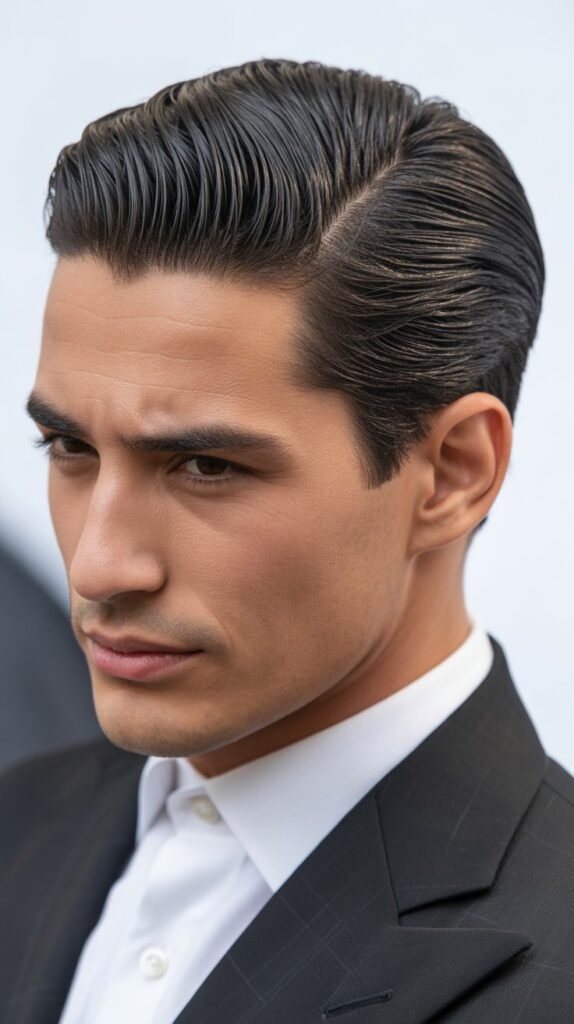
Slicked-back hair epitomized sophistication and maturity throughout the 90s, featuring hair combed straight back from the forehead with glossy product creating a polished, business-ready appearance.
This timeless style appeared in boardrooms and formal events while maintaining cool factor through figures like John Travolta in “Pulp Fiction.”
Essential Products:
- Pomade provides necessary shine and strong hold
- Hair gel offers budget-friendly alternative with similar results
- Styling cream delivers lighter hold for relaxed version
- Finishing spray locks style throughout long days
- Natural oils add shine without synthetic appearance
Application Process:
- Begin with clean, damp hair for best product distribution
- Apply generous amount of pomade by rubbing between palms
- Distribute evenly from roots to ends using fingers
- Use fine-toothed comb to slick hair straight back
- Define side part if desired or go completely back
Length Requirements:
- Minimum 3-4 inches needed for proper slicked-back effect
- Longer hair allows more dramatic, vintage-inspired styling
- Shorter versions work for professional, understated looks
- Medium lengths offer most versatility in styling options
Occasion Appropriateness:
- Perfect for formal events including weddings and galas
- Professional business meetings and presentations
- Date nights requiring elevated grooming
- Photoshoots and special occasions demanding polished appearance
- Less suitable for casual athletic activities or beach outings
10. The Undercut
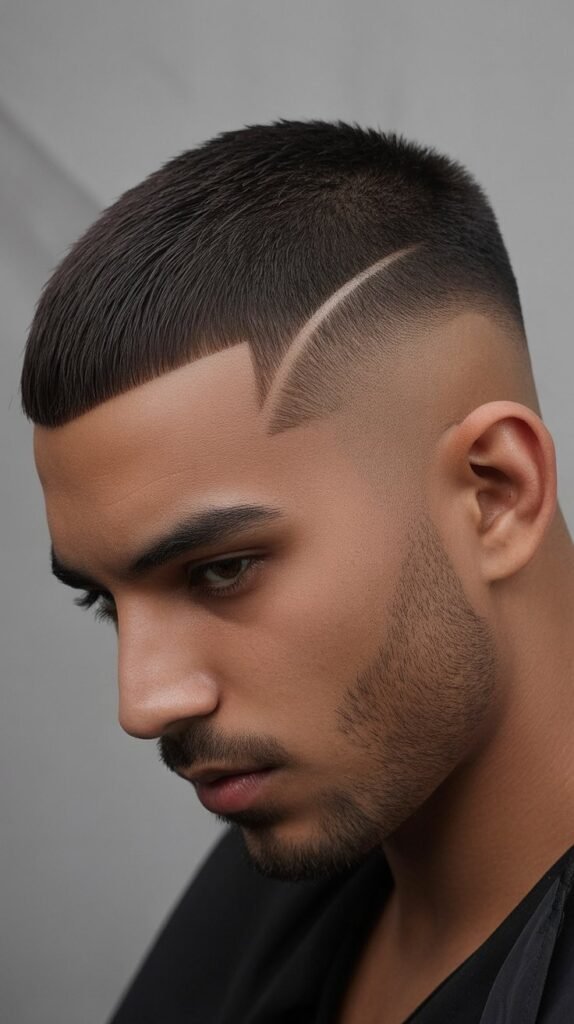
The undercut revolutionized men’s styling in the 90s by combining dramatic short sides with substantial length on top, creating strong contrast and versatility.
This cut allowed men to maintain professional appearance while having length for creative styling options during personal time.
Cutting Specifications:
- Sides and back clipped to uniform short length (typically #1-4 guard)
- Distinct line of demarcation separates long top from short sides
- Top section preserved at 3-6 inches depending on preference
- No gradual fade creates stark contrast between sections
- Clean lines around ears and neckline essential
Styling Versatility:
- Top hair styled forward for casual, textured appearance
- Slicked back for formal, professional occasions
- Swept to side for classic, refined look
- Pushed up for volume and modern styling
- Left natural for relaxed, low-maintenance days
Maintenance Schedule:
- Sides require trimming every 2-3 weeks to maintain clean look
- Top can grow longer between cuts depending on style preference
- DIY clipper maintenance possible for sides between appointments
- Professional shaping of top section every 6-8 weeks recommended
Historical Context:
- Military influence from practical short-sided haircuts
- Punk and alternative scenes adopted dramatic contrast
- Mainstream acceptance grew throughout mid-to-late 90s
- Brad Pitt’s “Fury” character later popularized disconnected undercut variation
11. Dreadlocks
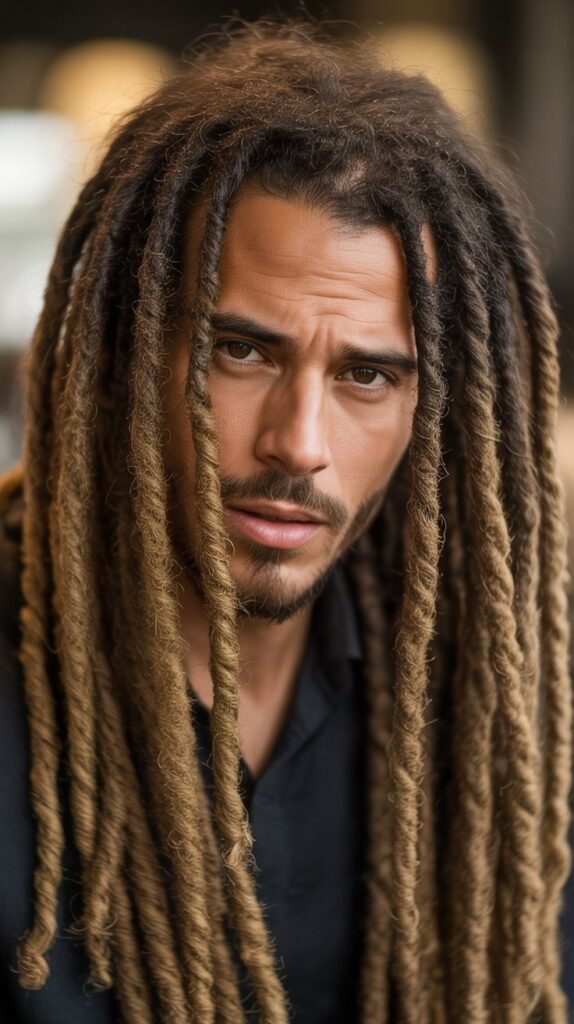
Dreadlocks established themselves as both spiritual expression and fashion statement throughout the 90s, with hair matted and formed into rope-like strands through various methods.
Musicians, particularly in reggae and alternative rock scenes, brought dreadlocks into mainstream consciousness while honoring their cultural origins.
Formation Methods:
- Backcombing sections repeatedly until hair begins matting
- Twist and rip method separates hair and encourages locking
- Freeform approach allows hair to naturally mat over time
- Interlocking technique using crochet hook speeds process
- Professional loctician services ensure even, healthy formation
Timeline Expectations:
- Initial locking phase takes 3-6 months before mature locks form
- Full maturation reaches completion after 1-2 years
- Length retention better than loose natural hair
- Thickness increases as locks mature and tighten
- Patience essential as appearance evolves through stages
Care and Maintenance:
- Regular washing with residue-free shampoo prevents buildup
- Palm rolling maintains cylindrical shape of each lock
- Root maintenance separates locks preventing combination
- Deep cleansing treatments remove internal buildup periodically
- Natural oils keep hair moisturized without heavy products
12. The Bowl Cut

The bowl cut defined 90s childhood and teenage years for countless young men, featuring hair cut in straight line around the head as though a bowl was placed over the head during cutting.
While often associated with awkward school photos, this geometric cut had genuine following and represented simplicity in styling.
Cutting Method:
- Hair combed down evenly in all directions
- Straight cut creates uniform length around entire head
- Typically cut at eyebrow level or slightly below
- No layering or texturizing in traditional version
- Home cutting common using actual bowl as guide
Length Variations:
- Classic version hits at eyebrows with blunt edge
- Longer bowls extend to below ears for dramatic effect
- Shorter versions create subtle rounded shape
- Asymmetrical bowls feature varied lengths for modern twist
Styling Requirements:
- Minimal styling needed due to blunt, even cut
- Straight hair types showcase clean lines best
- Light product smooths any flyaways or frizz
- Blow drying enhances rounded shape
- Frequent trims maintain precise shape and length
Pop Culture Impact:
- Jim Carrey’s character in “Dumb and Dumber” featured extreme bowl
- Child stars often sported clean-cut bowl cuts
- Represented wholesome, all-American boy image
- Subject of nostalgic humor and throwback fashion
13. Faux Hawk

The faux hawk emerged as compromise between extreme mohawk and conservative styling, featuring a raised center strip created through styling rather than shaved sides.
This allowed men to achieve edgy look while maintaining flexibility for professional settings.
Styling Technique:
- Apply strong-hold gel or pomade to damp hair
- Use blow dryer while directing hair toward center
- Push sides flat against head using hands or comb
- Elevate center section upward and toward middle
- Define shape with additional product as needed
Product Recommendations:
- Fiber paste provides textured, flexible hold
- Strong gel creates structured, deliberate appearance
- Matte clay offers natural finish with height
- Spray gel adds volume during blow drying
- Finishing spray ensures all-day hold
Height Variations:
- Subtle faux hawk barely noticeable in professional settings
- Moderate height suitable for most social occasions
- Extreme height creates dramatic, statement-making effect
- Wider center strips appear less aggressive
- Narrow strips emphasize mohawk inspiration
Professional Versatility:
- Style flat for work, spike for evening events
- Allows personal expression without permanent commitment
- Appropriate for creative industry professionals
- Conservative enough for many workplace environments
14. Waves (360 Waves)

360 waves represented dedication and patience in African-American grooming, featuring hair trained into rippling wave pattern flowing in circular direction around the head.
This style became status symbol within urban communities, showcasing commitment to consistent brushing and maintenance routine.
Wave Formation Process:
- Start with low haircut (typically #1-2 guard length)
- Brush hair in circular pattern following natural growth
- Apply wave pomade or moisturizer before brushing
- Wear durag or wave cap to train hair overnight
- Consistent brushing sessions multiple times daily essential
Brushing Technique:
- Use medium to hard bristle brush for wave training
- Brush in direction of desired wave pattern
- Sessions should last 10-15 minutes minimum
- Multiple daily sessions accelerate wave development
- Different brush types needed for various hair stages
Product Selection:
- Wave pomade provides hold and moisture
- Wave grease enhances shine and definition
- Natural oils keep scalp healthy during training
- Durag essential for maintaining wave formation overnight
- Moisturizing shampoo prevents dryness from frequent washing
Time Investment:
- Initial wave pattern visible after 2-4 weeks of consistent brushing
- Full wave development requires 6-12 weeks dedication
- Maintenance brushing needed throughout day
- Lifestyle commitment separates casual attempts from achieved waves
15. The Mullet

The mullet embodied “business in the front, party in the back” philosophy, featuring short hair around face and on top with substantial length in back.
While often ridiculed in later years, this style dominated 90s rock music, country culture, and working-class communities.
Cutting Structure:
- Short sides and top typically 2-4 inches
- Length in back ranges from shoulder-grazing to mid-back
- Distinct separation between short and long sections
- Layering throughout prevents heavy, dated appearance
- Face-framing pieces blend front to back
Popular Variations:
- Classic mullet with extreme length contrast
- Modern mullet with shorter, textured back section
- Curly mullet embracing natural texture
- Permed mullet adding volume and movement
- Skullet combining bald top with long back (extreme version)
Styling Approach:
- Front section styled with product for volume
- Back length can be left natural or styled with curl
- Blow drying adds fullness to shorter top section
- Longer back may require smoothing products
- Regular trims maintain shape and prevent split ends
Cultural Association:
- Hockey players embraced mullet as sport’s unofficial haircut
- Country music stars including Billy Ray Cyrus made style iconic
- Rock and metal musicians wore dramatic mullet variations
- Working-class cultural identity in many regions
- Experienced ironic revival in recent years
16. Shaved Head
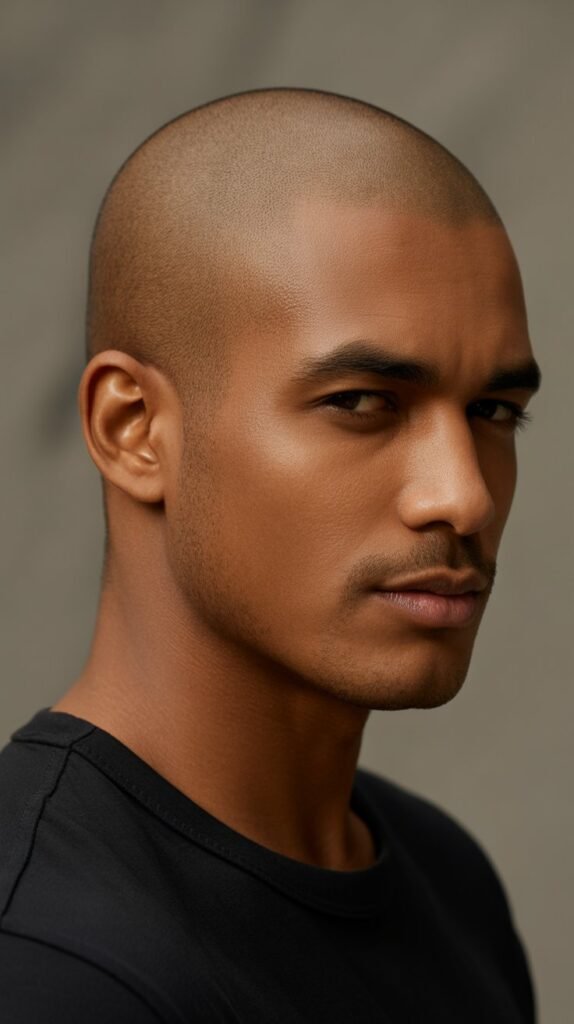
The completely shaved head transcended simple baldness to become powerful style statement in the 90s, embraced by athletes like Michael Jordan, actors like Bruce Willis, and musicians across genres.
This bold choice projected confidence, masculinity, and rejection of conventional grooming expectations.
Shaving Methods:
- Electric clippers with no guard for ultra-short buzz
- Disposable or safety razors for smooth, skin-bald finish
- Professional barber shaving for closest, longest-lasting results
- Straight razor provides traditional barbershop experience
- Electric shavers offer convenient at-home maintenance
Maintenance Requirements:
- Daily or every-other-day shaving maintains smooth appearance
- Pre-shave oil protects skin during razor use
- Aftershave balm prevents irritation and razor burn
- Sunscreen essential for scalp sun protection
- Moisturizer prevents dryness and maintains healthy skin
Scalp Care:
- Exfoliating treatments prevent ingrown hairs and buildup
- Hydrating products maintain skin health
- Regular inspection for irregularities or skin issues
- Professional dermatologist consultation for concerns
- Gentle cleansing with mild soap or specialized scalp wash
Psychological Impact:
- Embracing baldness or choosing style demonstrates confidence
- Eliminates anxiety over hair loss or thinning
- Low-maintenance lifestyle appeal for busy individuals
- Masculine aesthetic across cultures and demographics
- Versatile appearance suitable for all settings
17. Mini Afro
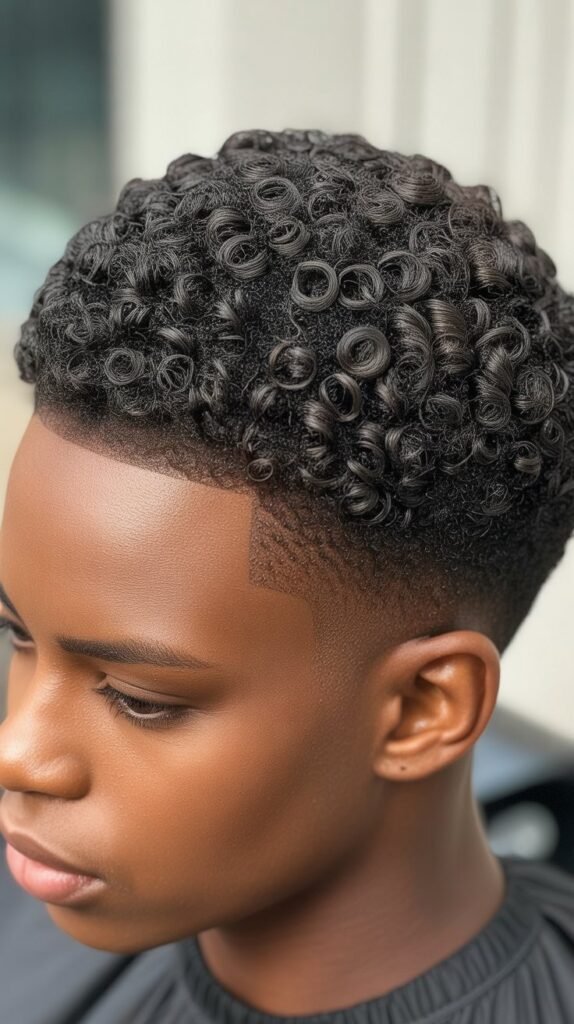
The mini afro presented natural hair in compact, rounded shape typically 1-3 inches in height, celebrating African-American hair texture while maintaining manageable styling.
This look balanced cultural pride with professional acceptability during the 90s.
Hair Requirements:
- Natural coily or kinky hair texture creates characteristic shape
- Minimum 2-3 inches of hair growth needed
- Even density throughout creates uniform rounded silhouette
- Regular shaping maintains desired circumference
- Healthy hair essential for full, vibrant appearance
Shaping and Trimming:
- Pick or afro comb creates lift and rounded shape
- Professional trimming maintains even circumference
- Regular line-ups keep edges crisp and defined
- Barber shaping ensures symmetrical appearance
- Self-maintenance possible with practice and mirrors
Moisturizing Routine:
- Leave-in conditioner provides constant hydration
- Natural oils like coconut or jojoba seal moisture
- Water-based moisturizers prevent product buildup
- Satin pillowcase reduces moisture loss overnight
- Deep conditioning treatments weekly maintain health
Styling Products:
- Light-hold gel defines curls without crunchiness
- Curl enhancing creams emphasize natural pattern
- Sheen spray adds healthy glow
- Edge control maintains sharp lineup
- Avoid heavy products that weigh down volume
18. Textured Crop

The textured crop offered modern, low-maintenance alternative to longer styles, featuring short sides with slightly longer, piece-y texture on top.
This versatile cut gained popularity in late 90s as men sought styles requiring minimal daily effort while maintaining contemporary appearance.
Cutting Technique:
- Sides faded or cut short with clippers
- Top section left 1-3 inches for texture
- Point cutting creates choppy, textured ends
- Fringe area cut slightly longer than back of top
- Blending ensures smooth transition between sections
Styling Method:
- Apply matte styling clay to dry or slightly damp hair
- Work product through with fingers, avoiding combs
- Push hair forward and slightly upward
- Create piece-y separation by pinching small sections
- Messy, undone appearance is desired aesthetic
Face Shape Compatibility:
- Oval faces work with virtually any crop variation
- Round faces benefit from added height on top
- Square faces softened by textured, forward-styled fringe
- Long faces should avoid excessive height
- Heart-shaped faces complemented by fuller fringe area
Product Selection:
- Matte clay provides texture without shine
- Fiber cream creates separation and definition
- Sea salt spray adds grit and volume
- Light pomade offers subtle hold with slight sheen
- Texturizing powder adds grip and lift
19. Rat Tail

The rat tail represented one of the 90s’ most controversial and divisive hairstyles, featuring long, thin strand of hair left growing from the nape while the rest of the head maintained shorter length.
This polarizing choice became badge of rebellion for youth culture and working-class communities.
Growing Process:
- Single section at nape left uncut while surrounding hair trimmed
- Can take 6-12 months to achieve noticeable tail length
- Width varies from pencil-thin to finger-width
- Some variations feature multiple small tails
- Location can vary from center nape to side placement
Styling Options:
- Left natural and straight hanging down back
- Braided for texture and decorative appearance
- Beaded with decorative elements for personalization
- Wrapped with colored thread or string
- Curled or permed for additional texture
Cultural Context:
- Associated with BMX culture and extreme sports
- Popular among adolescent boys in suburban America
- Connected to working-class identity in many regions
- Featured in professional wrestling entertainment
- Often first “rebellious” hairstyle choice for young people
Social Reception:
- Parents and authority figures generally disapproved
- Peer reactions ranged from admiration to mockery
- Geographic regions had varying acceptance levels
- Viewed as humorous relic in contemporary discussions
20. Side Part with Volume

The volumized side part epitomized clean-cut, all-American styling throughout the 90s, featuring dramatic side part with substantial height and fullness on top.
This sophisticated yet approachable look appeared on politicians, news anchors, and young professionals seeking polished appearance.
Creating the Part:
- Use fine-toothed comb to create precise side part line
- Part typically placed 1-2 inches from natural center
- Wet hair easier to part cleanly than dry
- Blow dryer sets part in place during styling
- Product application reinforces part throughout day
Building Volume:
- Apply volumizing mousse or spray to damp roots
- Blow dry hair upward and away from part using round brush
- Direct airflow against natural growth pattern for lift
- Concentrate heat at roots for maximum volume
- Cool shot setting locks volume in place
Product Layering:
- Volumizing spray or mousse applied first to damp hair
- Light pomade on top layer for shine and control
- Hairspray as finishing product for all-day hold
- Avoid heavy products that flatten volume
- Reapplication mid-day maintains appearance
Professional Impression:
- Conveys attention to detail and personal presentation
- Appropriate for interviews, meetings, and formal events
- Timeless quality prevents dated appearance in photos
- Adaptable to current trends through minor adjustments
21. Buzz Cut

The buzz cut represented ultimate practicality and low-maintenance styling throughout the 90s, featuring hair clipped to uniform short length across entire head using electric clippers.
Military personnel, athletes, and men seeking no-fuss grooming embraced this timeless, masculine option.
Guard Length Options:
- #0 guard (1/16 inch) creates nearly skin-bald appearance
- #1 guard (1/8 inch) offers subtle texture while remaining very short
- #2 guard (1/4 inch) most popular standard buzz cut length
- #3-4 guards (3/8-1/2 inch) provide longer, softer appearance
- #5 and above begins transitioning toward traditional short haircut
Cutting Process:
- Clippers run against hair growth direction for even cut
- Multiple passes ensure uniform length throughout
- Pay special attention to crown where hair patterns swirl
- Blend around ears and neckline for clean finish
- Self-cutting possible with practice and proper mirrors
Maintenance Schedule:
- Weekly clipping maintains consistent appearance
- Bi-weekly acceptable for slightly more grown look
- Daily not necessary unlike completely shaved head
- Home clippers pay for themselves within few cuts
- Professional barbershop optional for special occasions
Benefits:
- Minimal morning styling time required
- Extremely low product costs
- Comfortable in hot weather and athletic activities
- Reveals head shape and facial features clearly
- Suitable for all professional and casual environments
22. Permed Hair
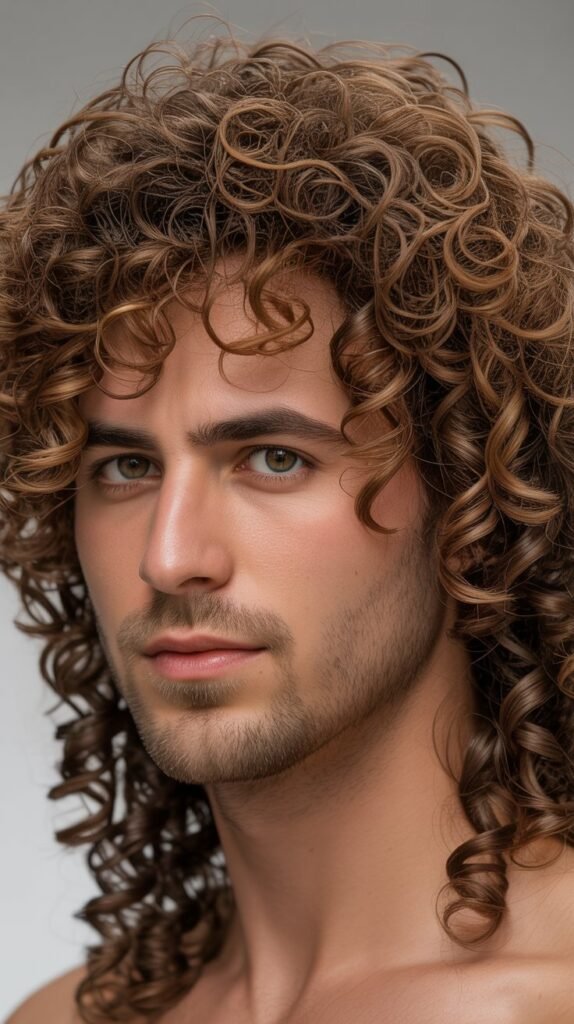
Male perms challenged traditional gender norms in the 90s, featuring chemically treated hair that created permanent curls or waves.
This bold choice appeared in various subcultures from glam metal musicians to fashion-forward individuals seeking dramatic transformation.
Perm Process:
- Hair wrapped around rods of desired curl size
- Chemical solution breaks down hair’s natural bonds
- Processing time varies based on hair type and desired curl
- Neutralizer applied to reform bonds in new curved pattern
- Entire process typically requires 2-4 hours at salon
Curl Size Options:
- Large rods create loose, beachy waves
- Medium rods produce classic, defined curls
- Small rods result in tight, dramatic spirals
- Combination of sizes adds natural-looking variation
- Rod placement pattern affects overall appearance
Maintenance Requirements:
- Sulfate-free shampoo prevents premature curl relaxation
- Deep conditioning treatments essential for chemical-treated hair
- Diffuser attachment on blow dryer enhances curls without frizz
- Regular trims remove damaged ends and maintain shape
Styling Products:
- Curl-enhancing mousse defines and holds pattern
- Leave-in conditioner provides moisture and prevents frizz
- Gel creates structured, defined curl appearance
- Light oils add shine without weighing down curls
- Anti-humidity spray protects style in damp conditions
23. The Shag Cut

The shag cut brought rock-and-roll edge to 90s men’s hairstyles with heavily layered, tousled appearance creating effortless, lived-in aesthetic.
This versatile cut worked across various hair lengths and textures, popularized by grunge musicians and alternative culture icons.
Layering Structure:
- Multiple layers throughout entire head create movement
- Shortest layers at crown provide lift and volume
- Gradually lengthening layers toward ends add flow
- Face-framing layers soften and balance features
- Choppy cutting technique enhances textured appearance
Length Variations:
- Short shag maintains layers within 2-4 inches
- Medium shag extends to chin or shoulder length
- Long shag features dramatic length with extensive layering
- Bangs can be incorporated or eliminated based on preference
Styling Technique:
- Apply texturizing spray or mousse to damp hair
- Scrunch hair while blow drying for enhanced texture
- Use fingers to piece out layers rather than brushing smooth
- Embrace natural, undone appearance
- Minimal product application maintains effortless look
Grunge Connection:
- Kurt Cobain’s disheveled shag became iconic
- Alternative rock musicians embraced unkempt aesthetic
- Represented rejection of polished, mainstream grooming
- Authenticity valued over perfection in styling
- Rolling Stone magazine documented grunge’s influence on fashion
24. Afro
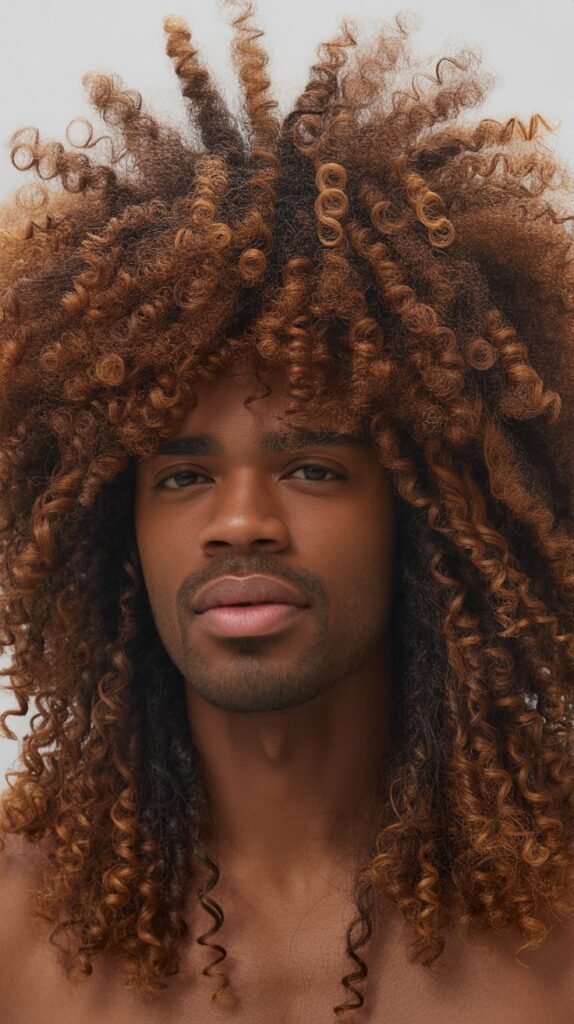
The full afro celebrated natural African-American hair texture in its most expansive form, featuring hair grown out in large, rounded shape that made powerful cultural and political statement.
This iconic style experienced resurgence in 90s as younger generation reconnected with heritage and natural hair movement.
Growth Process:
- Transition from chemical treatments requires patience
- Allow hair to grow 4-6 inches minimum for proper afro shape
- Regular moisture application essential during growth phase
- Protective styles optional during awkward growth stages
- Healthy hair foundation crucial for full, vibrant afro
Shaping and Maintenance:
- Wide-toothed pick lifts hair creating rounded silhouette
- Professional shaping maintains even circumference and height
- Regular trims remove split ends without sacrificing size
- Edge maintenance keeps hairline crisp and defined
- Symmetry checks using mirrors ensure balanced appearance
Moisture Retention:
- Water-based leave-in conditioner applied daily
- Natural butters seal moisture into hair shaft
- LOC method (liquid, oil, cream) maximizes hydration
- Deep conditioning treatments weekly restore moisture
- Satin or silk bonnet protects hair overnight
Size Considerations:
- Mini afros range 2-4 inches for conservative appearance
- Medium afros extend 4-6 inches for balanced look
- Large afros reach 6+ inches making bold statement
- Width and height proportions affect overall impact
- Personal comfort and lifestyle influence size choice
25. The Quiff

The quiff combined elements of pompadour, flat-top, and mohawk into versatile style featuring volume and height at front hairline while sides remained shorter
This adaptable cut worked in professional settings when styled conservatively or created edgy appearance with dramatic height and texture.
Basic Structure:
- Front section grown 3-5 inches for proper lift
- Sides cut shorter creating contrast with top
- Gradual or dramatic transition depending on preference
- Back can taper down or maintain moderate length
- Face-framing front section is focal point
Styling Heights:
- Subtle quiff adds 1-2 inches height for conservative look
- Moderate quiff creates 2-4 inches lift for balanced style
- Dramatic quiff extends 4+ inches for statement-making impact
- Slicked-back variation offers sleek alternative
- Textured quiff emphasizes piece-y, messy appearance
Product Application:
- Pre-styling spray adds grip and volume to damp hair
- Blow dry front section upward and back using round brush
- Strong-hold pomade or clay shapes and defines quiff
- Work product from roots through ends for even distribution
- Hairspray locks height and shape throughout day
Versatility Factor:
- Style high and textured for evening social events
- Smooth down for professional daytime appearance
- Adjust height based on occasion and setting
- Works across age ranges from teens to mature men
- Suitable for straight, wavy, and slightly curly textures
Styling Products Breakdown
Hold Strength Categories:
Light Hold Products:
- Styling creams provide flexible, natural movement
- Light mousses add volume without stiffness
- Texturizing sprays create grip and separation
- Best for casual, touchable styles
- Allow restyling throughout day
Medium Hold Products:
- Pomades balance control with flexibility
- Clay products offer matte finish with structure
- Fiber pastes create textured, piece-y looks
- Suitable for most everyday styling needs
- Maintain shape while allowing some movement
Strong Hold Products:
- High-hold gels lock styles firmly in place
- Strong waxes provide extreme control and shine
- Finishing sprays prevent movement and frizz
- Necessary for gravity-defying styles like spikes
- Require thorough washing for complete removal
Finish Types:
Matte Finish:
- Natural, undetectable appearance
- Clay and paste products deliver matte texture
- Professional settings favor subtle finishes
- Modern aesthetic preferences lean toward matte
- Powder products offer ultra-matte results
Shine Finish:
- Traditional pomades create glossy appearance
- Gel products deliver wet-look shine
- Slicked-back and formal styles enhanced by shine
- Natural oils add healthy glow
- 90s aesthetic often featured shinier finishes
Cultural Impact and Legacy
The 90s fundamentally transformed men’s relationship with hairstyling and personal grooming.
Before this decade, most men’s haircuts followed conservative templates with limited variation.
The 1990s democratized hair as form of self-expression, introducing unprecedented diversity in acceptable styles across different communities and contexts.
Breaking Barriers:
- Professional athletes challenged corporate grooming standards
- Musicians normalized alternative and extreme styling choices
- Racial and cultural barriers diminished as styles crossed communities
- Gender norms expanded allowing more experimental choices
- Economic accessibility through at-home maintenance options
Media Influence:
- MTV music videos showcased diverse international styles
- Teen magazines featured step-by-step styling tutorials
- Celebrity culture elevated hairstylists to influencer status
- Movies and television normalized previously underground looks
- Early internet forums shared styling tips and techniques
Lasting Influence:
- Many 90s styles experiencing contemporary revivals
- Modern variations incorporate updated techniques and products
- Cultural appreciation replaced appropriation concerns in many communities
- Barbershop culture renaissance traces roots to 90s innovation
- GQ and other fashion publications continue referencing 90s hair trends
Product Industry Evolution:
- Male grooming product market exploded during 90s
- Specialized products replaced generic one-size-fits-all options
- Natural and organic product movements began gaining traction
- Professional salon services became acceptable for men
- Home styling tools and products became widely accessible
Conclusion
The 25 Classic 90s Hairstyles for Men represent more than nostalgic fashion choices—they document a cultural revolution in masculine self-expression and personal grooming.
From the rebellious frosted tips and dreadlocks to the professional Caesar cut and slicked-back styles, the 1990s offered unprecedented diversity in how men could present themselves to the world.
These iconic looks broke down barriers between subcultures, challenged professional grooming norms, and elevated hairstyling from simple maintenance to legitimate art form.
Whether you’re drawn to the bold statement of a high-top fade, the versatility of an undercut, the cultural significance of cornrows, or the effortless cool of curtain hair, these styles continue influencing contemporary trends while maintaining their distinctive 90s character.
Understanding these classic hairstyles provides valuable perspective on how personal grooming evolved and offers timeless inspiration for those seeking to make their own style statement today.